
Mahjong Joker Stickers: Custom Tile Markers for Your Set
Last updated: Nov 23, 2026
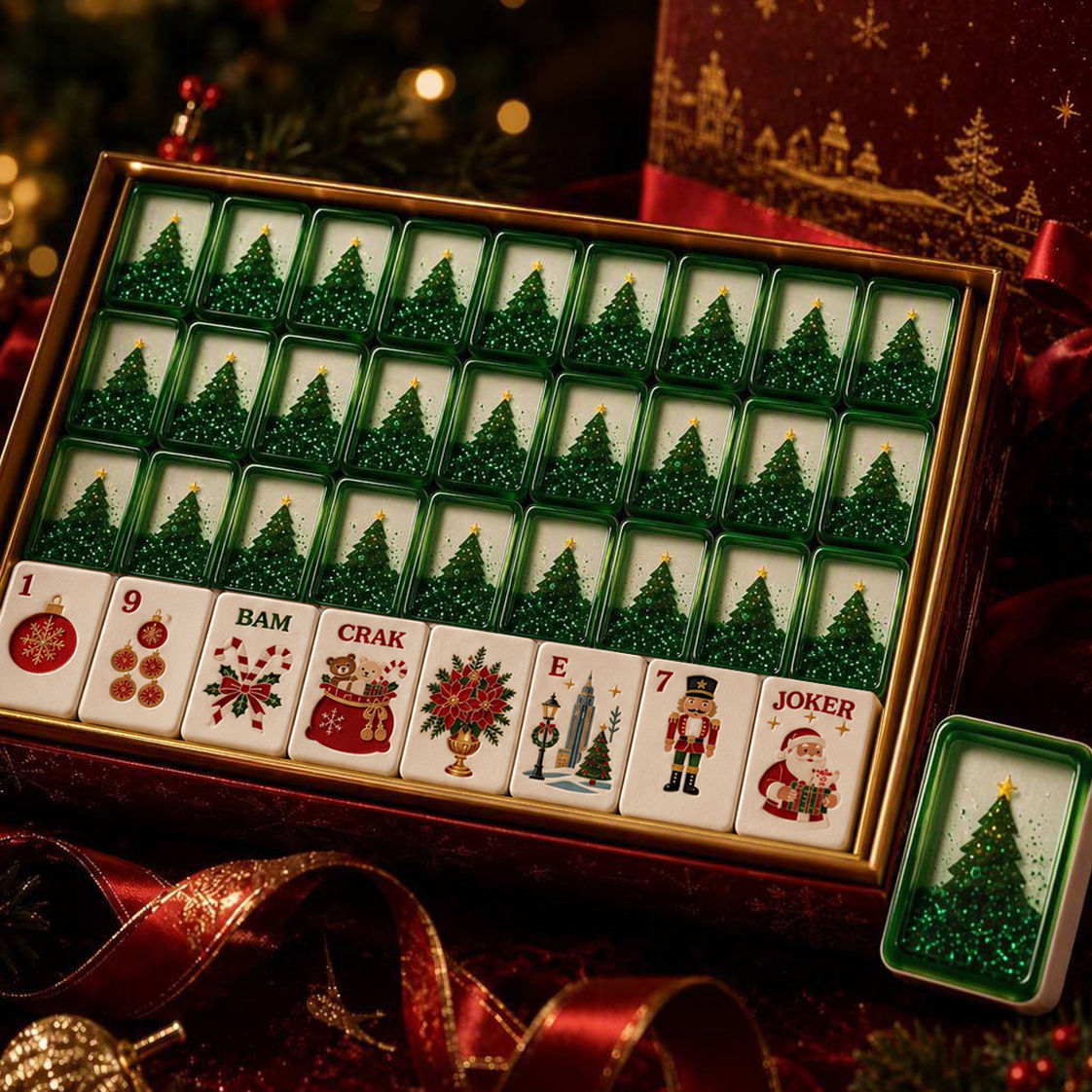
Mahjong joker stickers are adhesive labels applied to joker tiles to make them instantly recognizable during play—especially useful in American mahjong, where all eight jokers are identical acrylic or bamboo tiles without built-in markings. You apply them before your game begins; most stickers are small (½- to 1-inch diameter), colorful, and rated to stay put through shuffling and handling. Some players prefer peel-and-stick designs (removable for reuse), while others use permanent stickers that bond to the tile surface. Cost varies by material and quantity—see sticker options on our mahjong tiles collection. Avoid stickers that are too thick (they jam racks) or too thin (they peel mid-game). The best choice depends on your tile material and whether you want jokers to be decorative, humorous, or purely functional—we cover all three below. 🀄 Shop best-selling mahjong sets →
Why do joker tiles need stickers in American mahjong?
In American mahjong, the eight joker tiles are wild tiles that can stand in for any single tile on the National Mah Jongg League card during your hand. Unlike numbered Bams, Craks, and Dots—or Winds and Dragons—jokers have no inherent suit or value printed on them. A blank acrylic joker tile looks identical to its neighbors until you pick it up and remember which one it is. During rapid play, especially when racks are full and players are calling hands quickly, a sticker acts as a visual anchor: you glance and know immediately which tiles are jokers. This prevents the costly mistake of building a hand around a wild tile, forgetting it's already placed, or accidentally mixing it into a pung when you meant to use a real tile. Stickers solve that friction in real time.
🎁 See our most-loved mahjong sets & accessories →

What are the most common joker sticker designs?
The three main categories are functional, humorous, and decorative. Functional stickers use simple symbols—stars, dots, numerals (1–8), or solid color blocks—so you can instantly spot a joker without distraction. These work best for serious competitive players who want speed without aesthetic flair. Humorous stickers feature jokes, puns, or playful icons: think "wild child," joker card symbols, laughing faces, or themed graphics that match your group's in-jokes. Many players enjoy these because they add personality to the game and spark conversation during shuffles. Decorative stickers match your set's color scheme or tile design—metallic finishes, monogram initials, seasonal themes (holidays, flowers), or custom logos for a club or family game. Some players commission bespoke designs through our engraved American mahjong set options, which can include sticker coordination. The choice reflects your table's tone: casual and fun calls for humor; formal league play prefers function; weekly home games often lean decorative to reflect the set's personality.
How do you apply stickers without damaging tiles?
Start with clean, dry tiles. If your set is new, wipe each joker gently with a soft, lint-free cloth to remove dust or mold-release residue—this ensures the adhesive bonds fully. For peel-and-stick stickers: gently peel one corner, align the sticker center over the tile face, then press down slowly from the middle outward to avoid air bubbles. Use a soft squeegee or the edge of a credit card to smooth it flat; apply light, even pressure for 10–15 seconds. If a bubble forms, carefully lift the corner and re-press. For permanent adhesive stickers: follow the same centering method, but work slowly because you cannot reposition once the backing is fully removed. For specialty stickers (metallic, holographic, or thick-stock), apply in a cooler room if possible—warm adhesive sets too fast and can trap bubbles. Once applied, let stickers cure for 1–2 hours before placing tiles in racks or shuffling. Avoid stickers wider than the tile face; they will catch on rack rails and wear faster. If you're unsure whether your tile material (acrylic, bamboo, or resin) accepts adhesive well, test one sticker on a spare joker tile first—some vintage sets have glazed surfaces that repel stickers unless primed.

What sticker materials last longest during weekly play?
Sticker longevity depends on adhesive strength, material thickness, and how often tiles shuffle. Vinyl stickers (standard peel-and-stick labels) are durable and flexible; they resist creasing and stay bonded through hundreds of shuffles if applied correctly. Cost is moderate, and they're available in hundreds of designs. Polyester stickers are thicker and more weather-resistant; they handle humidity better than paper-based labels and don't yellow over time. Choose these if your game room has seasonal humidity swings. Holographic or metallized stickers look spectacular but are thicker and can occasionally snag racks or other tiles if edges aren't perfectly flush. Temporary repositionable stickers are lower-tack adhesive that can be moved or removed; they're ideal if you like to rotate designs or use the same jokers for different themed sets. Most last 50–100 shuffles before the adhesive weakens. Permanent stickers bond so firmly that removal requires rubbing alcohol and patience—but once set, they outlast vinyl through many seasons of play. For a weekly home game with the same four players, vinyl lasts 1–2 years easily; for league play or a public venue where tiles shuffle constantly, polyester or permanent sticker options are more cost-effective over time. Check the sticker product description for adhesive type and durability rating before buying.
How do custom stickers fit into your overall set design?
Many players treat joker stickers as one detail in a coordinated set aesthetic. If you own best-selling acrylic mahjong sets with engraved or custom designs—like a family monogram, a club name, or a seasonal theme—matching joker stickers tie the look together. Stickers in your set's dominant color, or featuring a miniature of your custom engraving, make the jokers feel intentional rather than generic. This is especially powerful for gifts: a personalized set with coordinated joker stickers signals care and taste. If you're hosting a weekly game and want your mahjong mats and set to feel like a unified experience, thematic stickers (floral for a spring mat, metallic for a luxury set) amplify that cohesion. Some players even commission sticker designs that mirror their mahjong racks with pushers or travel bags for a full branded experience. The investment is small—stickers cost little relative to a full set—but the visual payoff is significant, especially during photo moments or when new players arrive and see a polished, thoughtful game setup.
Sticker Type | Best For | Durability | Reusability | Key Advantage |
Vinyl peel-and-stick | Home games, casual play | 1–2 years | Removable, reuse 1–2 times | Affordable, wide design range |
Polyester | Humid climates, frequent play | 2+ years | Removable if careful | Weather-resistant, color-stable |
Holographic/metallic | Gifted sets, special occasions | 1–2 years | Removable | Eye-catching, luxury feel |
Repositionable (low-tack) | Rotating designs, testing | 50–100 shuffles | Fully reusable | Maximum flexibility, no permanent mark |
Permanent | League play, long-term sets | 3+ years | Not removable | Strongest bond, best value over time |
What to check before you buy
Tile material: Confirm your jokers are acrylic, bamboo, or resin—glazed or coated surfaces may need light scoring with fine sandpaper for adhesive grip.
Sticker size: Measure a joker tile face (typically ¾–1 inch square on acrylic sets) and verify sticker diameter or width. Too large, it overhangs and catches; too small, it looks lost.
Adhesive type: Read whether stickers are permanent, repositionable, or temporary. Permanent won't let you change your mind; repositionable is forgiving but weaker long-term.
Thickness: Stickers thicker than 0.1 inch can jam mahjong racks with pushers. Check product specs or test one before buying a full set.
Design clarity: If stickers are decorative, confirm the design is legible at arm's length during play—ornate patterns can muddy at a glance.
Quantity: Our mahjong tiles collection sticker packs include extras. Buy enough to re-sticker if one peels during the season.
✨ Find your Mahstead set — free US shipping →

FAQ
Can I use regular label stickers from an office supply store on my mahjong tiles?
Regular printer labels work in a pinch, but they're thin and designed for paper. Mahjong tiles shuffle constantly, so office labels peel quickly—adhesive isn't rated for repeated flex. Stickers made specifically for tiles or games hold up far better. If you test office labels, expect to replace them after 20–30 shuffles.
Do joker stickers ever leave residue when removed?
Permanent stickers usually leave a faint adhesive residue or slight discoloration where they were bonded—this is normal. Repositionable and temporary stickers clean off with minimal trace. If you want zero residue, use repositionable stickers or test removal on a spare tile first. Rubbing alcohol removes stubborn adhesive, but it can dull acrylic if left too long.
Should I sticker all eight jokers the same way, or use different designs for each?
Same design on all eight is standard—it signals "this is a joker" at a glance. Different designs per joker (numbered 1–8 or color-coded) can help you track which specific joker is where, but that's rare outside competitive scoring scenarios. For home play, uniform stickers are cleaner and easier to apply.
Will joker stickers stick to bamboo tiles the same way as acrylic?
Bamboo is porous and absorbs moisture, so adhesive grip can be weaker. Use polyester or permanent stickers on bamboo—they bond more reliably. Avoid vinyl on untreated bamboo if you play in humid settings, as moisture can loosen the bond. Test one sticker first.
Can I apply stickers after my set arrives, or should I do it immediately?
Either works. Many players sticker tiles right away so the set is game-ready. Others wait until they've played a few rounds and know their preference. If you wait, store tiles in a cool, dry place; stickers adhere better to clean, stable tiles. Avoid stickering in very hot rooms, where adhesive sets too quickly and traps bubbles.
Do stickers change how my tiles feel in hand or affect gameplay?
A thin sticker (under 0.05 inch) is barely noticeable. Thicker stickers can make tiles sit slightly higher in racks or feel slightly different when shuffling—most players adapt in one game. If stickers are perfectly flush and centered, gameplay is unchanged. Thick stickers on racks may snag, so stay under 0.1 inch for racks and pushers.


View More
View More
View More
