
Mahjong Clubs in Plano: Where to Play & How to Get Started
Last updated: Nov 23, 2026
Plano mahjong players gather primarily through community recreation centers, public libraries, and informal neighborhood groups that meet weekly or monthly. Most games follow American mahjong rules and meet during daytime or evening hours; check your local Plano Parks and Recreation website, library bulletin boards, and neighborhood apps like Nextdoor to find current game times and contact hosts. Most clubs are beginner-friendly and charge no membership fee or a small per-session contribution for refreshments. To join, you'll need basic knowledge of hand patterns (available free on the National Mah Jongg League website) and a willingness to ask questions—experienced players expect to coach newcomers. Our guide to mahjong for beginners walks you through rules, hand-reading, and etiquette before your first game.
🀄 Shop best-selling mahjong sets →
Where do Plano mahjong clubs actually meet?
Most regular games in Plano are hosted at community centers with dedicated game rooms, public library meeting spaces, and private homes. Check Plano's Parks and Recreation department website for "mahjong" classes or clubs—they often list meeting times, room numbers, and contact info for volunteer coordinators. Public libraries frequently post flyers advertising weekly play groups on their community bulletin boards and online event calendars. Neighborhood Facebook groups and Nextdoor apps are goldmines: search "mahjong" or "Plano games" and you'll find locals posting about open tables, game rules they follow, and whether beginners are welcome. Many groups meet Thursday or Friday afternoons (1–5 p.m.) or evening slots (6–8 p.m.), so there's usually a time slot that works. Start by emailing the coordinator to confirm the skill level, house rules, and whether you should bring your own set or use one provided.

What's the difference between a beginner club and a serious game?
Beginner clubs assume you know little to nothing and spend time explaining hand patterns, joker placement rules, and the Charleston (the tile-passing ritual before each round). Serious groups move faster, assume you can read the yearly National Mah Jongg League card, and focus on speed and scoring. Most Plano community-center clubs lean beginner-friendly because volunteers want to grow the game locally. Serious players often host home games on a regular night—same players, same rules, often small stakes. When you contact a host, ask directly: "Is this a learn-as-we-go group or do you expect prior knowledge?" Most will be honest; if they say "bring your card" or "we play fast," consider watching one round before jumping in. Beginner groups explicitly welcome first-timers and may have printed hand charts available.
How do you actually find a game in your neighborhood?
Start with these three steps in order of reach: (1) Visit the official Plano Parks and Recreation website, search "mahjong" or "game rooms," and call any coordinator listed for current meeting times. (2) Visit your nearest public library branch and ask the front desk or look at the community events board—librarians track recurring groups. (3) Post on neighborhood apps: "Looking for mahjong game in [your Plano area]—beginner friendly?" and wait 24–48 hours for locals to respond. (4) Search Facebook groups for "Plano mahjong," "Dallas–Fort Worth mahjong," or "[your specific area] games." (5) Ask at local country clubs or senior centers if they host or can refer you—many do. If none of these yield results within two weeks, consider starting a group yourself: recruit three other interested players, book a community-center meeting room, and post a standing weekly invite. That's how many Plano groups began.
Club Type | Typical Skill Level | Cost Per Session | Why It Works |
Community center (Parks & Rec) | Beginner-friendly | Free or small donation | Consistent space, volunteer coaching |
Library group | Mixed (often beginner) | Free | Relaxed, open to drop-ins, public space |
Private home game | Intermediate+ | Varies; sometimes low stakes | Regulars, familiar rules, relaxed setting |
Country club or senior center | Beginner to advanced | Often membership-based | Dedicated facilities, structured schedules |

What equipment should you bring or have at home?
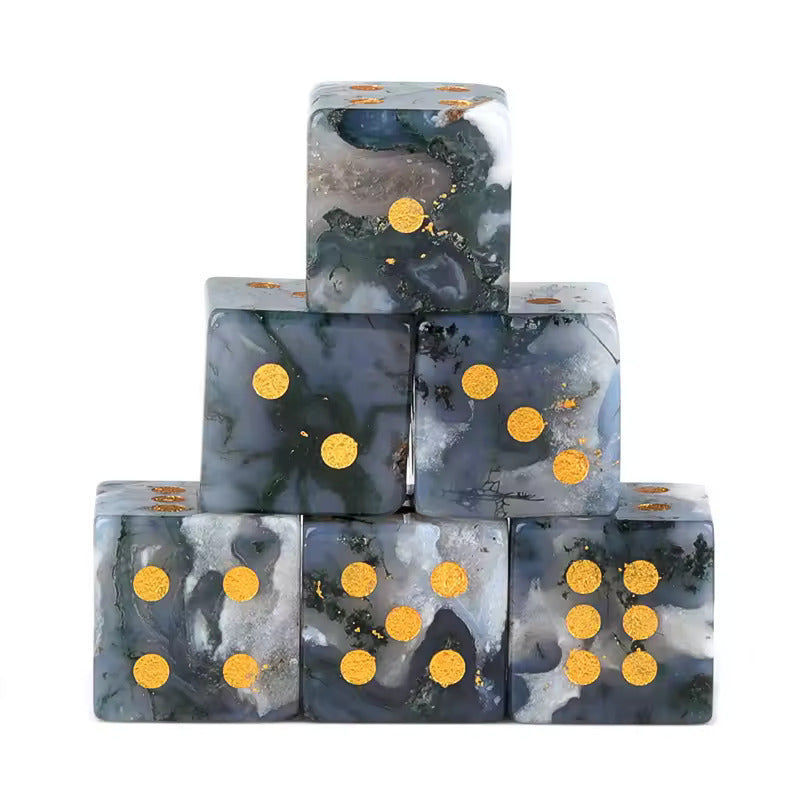
If you're joining a club, ask the host whether the venue provides sets or you need to bring your own. If they use shared sets, you're all set—just arrive on time. If you host or join a rotation where players bring their own set, you'll need a 160-tile American mahjong set with four racks, pushers, and a mat to speed up dealing and reading hands. A quality best-selling mahjong set includes tiles in clear acrylic or bone with legible numbers and suit symbols, a joker well for tracking extras, and racks that hold tiles at a readable angle. Many players also use a mahjong mat to protect the table and keep tiles organized during dealing and play—essential if you're rotating between homes and don't want to risk scratches or loud tile noise. If you're serious about weekly play, consider dice to determine wind and dealer fairly and a travel case if you're moving your set between venues. Beginners often skip this gear at first; invest once you know you'll play regularly.
🎁 See our most-loved mahjong sets & accessories →
What should you know before showing up to your first game?
Arrive 15 minutes early so the host can explain house rules (scoring method, whether they play with or without a "round wind," any house limits on calling tiles). Bring the current year's National Mah Jongg League hand card—it's free on the NMJL website or printed at many clubs. Ask if the group uses a specific card version or variant (some play Hong Kong–influenced rules; most Plano clubs stick to American). Watch the first round silently if you're unsure: you'll see how the Charleston works, how tiles are drawn, and what a valid hand looks like. Be honest about your skill level—saying "I've never played" is always better than pretending and slowing the game. Most players are patient; they remember their first game. Ask questions between rounds, not during play. Bring water or a small snack if it's a multi-hour session (many games run 2–3 hours). Leave your phone on silent and keep comments light—mahjong is social but focused.
✨ Find your Mahstead set — free US shipping →
What to check before you buy your own set
If a club says "bring your own set," inspect what you're considering first:
Tile readability: Can you easily see the suit symbol (Bam, Crak, Dot) and number from arm's length? Poor contrast or tiny fonts slow the game and frustrate others.
Rack stability: Do the racks hold tiles securely without tipping or sliding? Cheap plastic racks are notorious for spilling mid-hand.
Joker tracking: Can you see all eight jokers at once on a rack's joker well? Losing count of jokers creates scoring disputes.
Completeness: Does your set have exactly 152 playing tiles plus eight jokers? Missing tiles or extras cause confusion about valid hands.
Portability: If you're moving it weekly, does it fit in a case or bag without tiles rattling loose? Loose tiles mean missing tiles next week.
Most Plano clubs are forgiving of beginner gear mistakes, but a best-selling mahjong set designed for regular play eliminates friction and makes you look prepared—your co-players will appreciate it.
Your first week: a simple checklist
[ ] Find a club (community center, library, or neighborhood app)
[ ] Confirm meeting time, skill level, and whether to bring your set
[ ] Download or print the current National Mah Jongg League hand card
[ ] Arrive 15 minutes early and introduce yourself to the host
[ ] Watch one round before playing if you're nervous
[ ] Ask for clarification on house rules and joker placement
[ ] Play one or two hands and ask for coaching on hand-reading
[ ] Exchange phone numbers with the host or other regulars for next week's time
[ ] Enjoy—mahjong communities are welcoming by nature

FAQ
Do I need to own a mahjong set to join a Plano club?
Most community-center and library groups provide shared sets, so no. Ask the host before attending. If you join a rotation where players bring their own, that's the time to invest in a quality set—you'll use it for years.
How often do Plano mahjong clubs meet?
Most meet weekly on a fixed day (Thursday afternoon, Friday evening) or monthly on a rotating date. Community centers typically run consistent weekly slots; private groups vary. Contact the coordinator to confirm the schedule before your first visit.
Will they teach me American mahjong rules if I've never played?
Yes. Community-center and library clubs expect beginners and assign experienced players to coach you through your first few hands. Serious home games may not teach—ask directly when you call. The National Mah Jongg League website and our beginner guide also cover basics before you arrive.
What if I can't find a club in my Plano neighborhood—can I start one?
Absolutely. Reserve a free or low-cost community-center meeting room, post on Nextdoor or Facebook, recruit three other interested players, and meet weekly. Many Plano groups started this way. Most coordinators will help you list it on their events calendar once you establish a regular time.
Should I bring money for entry fees?
Most Plano community-center and library groups are free or charge a small donation (under $5 per session) for refreshments. Private home games sometimes include low-stakes betting or just a refreshment pool. Always ask the host before attending—reputable groups disclose this upfront.
What's the best set to buy if I want to host games at my home?
A 160-tile American mahjong set with clear acrylic tiles, sturdy racks with pushers, and a protective mat ensures fast, readable play and lasts years with regular weekly use. Look for legible suit symbols and secure joker tracking—they prevent disputes and keep games moving.


View More
View More
View More
