
Mahjong Clubs in Omaha: Where to Play & How to Join
Last updated: Nov 23, 2026
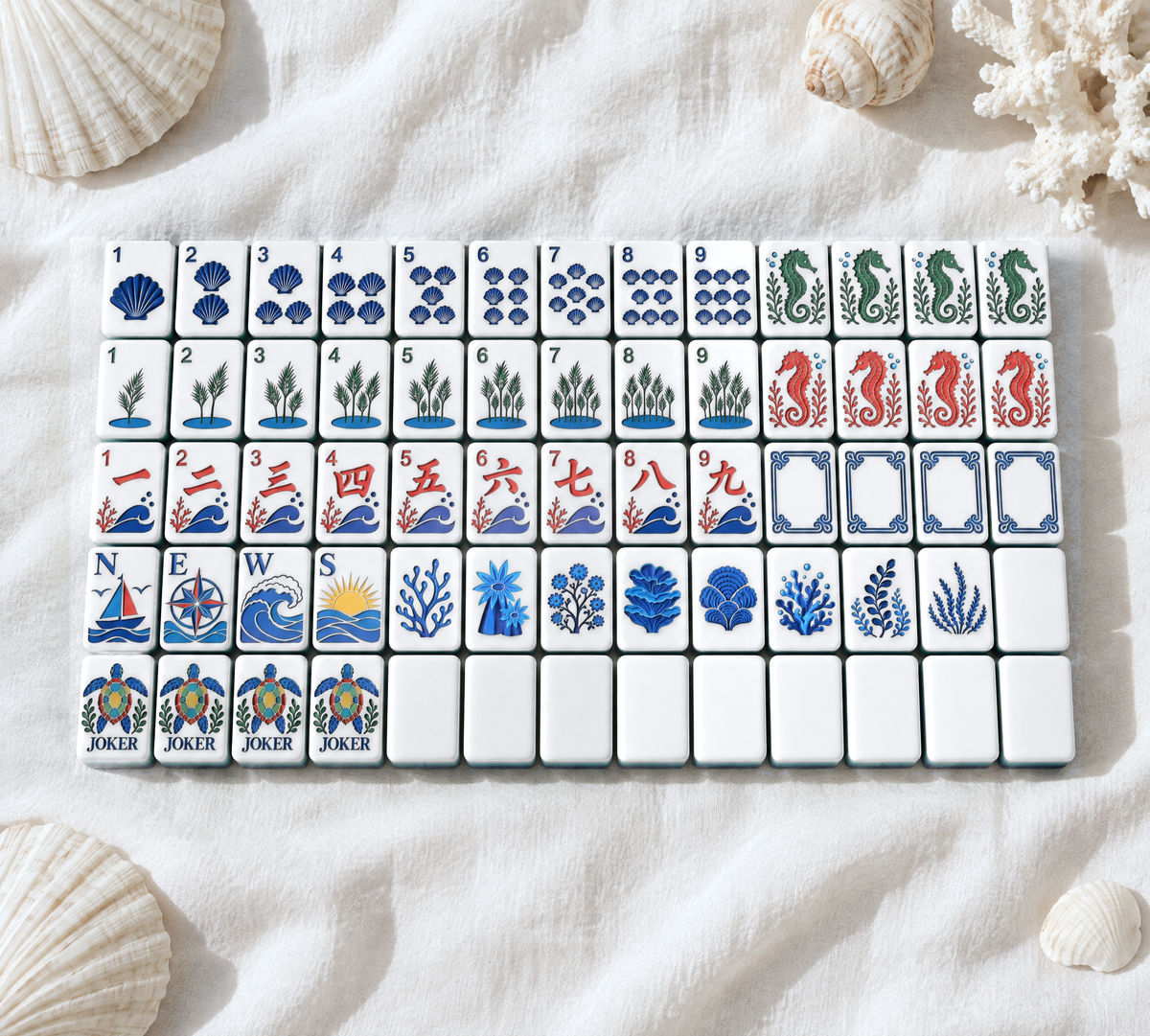
Omaha's mahjong scene lives in community centers (check the Omaha Parks and Recreation offerings), public libraries (many host open game days or maintain player bulletin boards), country clubs, and informal weekly groups advertised on community meetup boards and Facebook groups. To find an active club, call your nearest recreation center or library and ask if they host mahjong nights; check online community boards and meetup platforms for "Omaha mahjong" groups; ask at local senior centers; or contact synagogues and temples, which often run established games. Games typically run 2–4 hours on weekday evenings or weekend afternoons. Before you join, confirm they play American mahjong (the rules and hand system differ from Chinese or Hong Kong variants). You'll need an American-standard 160-tile set, the current-year National Mah Jongg League card, and a mat if you're serious about play. Mahstead offers best-selling mahjong sets designed for both casual play and competitive hosting.
Omaha's mahjong community is real, active, and more accessible than you might think. Whether you're a complete beginner or a returning player, the path to your first game starts with knowing where to look and what to bring.
Where do Omaha players actually meet?
Your best bet is your neighborhood recreation or senior center—most host weekly games or can connect you to established groups. Call ahead: staff can tell you the day, time, and entry fee. Public libraries often post game schedules and player contact information on community boards. Country clubs, synagogues, temples, and cultural organizations (especially those serving East Asian and Jewish communities) frequently run established mahjong nights with regular players. Online, search "Omaha mahjong" on meetup platforms, Facebook groups, and Nextdoor; many groups post schedules and welcome newcomers. If you're near a university area, ask at cultural student centers—many host informal games. Start with one call to your city recreation department; they often maintain a list of recurring games.

What rules do Omaha clubs play?
Nearly all Omaha clubs play American mahjong, the variant using the National Mah Jongg League card (updated every spring) to define legal hands. This is distinct from Chinese, Hong Kong, or Riichi mahjong, which use different tile sets and hand-building rules. The league card—your bible—shows which tile combinations score in a given year; you cannot play any hand not on that year's card. Before attending your first game, learn how American mahjong works, especially the Charleston (the tile-passing ritual) and how jokers function. Most clubs are patient with newcomers but expect you to know the basic flow so the game doesn't stall. Ask the group organizer whether they use house rules (betting amounts, penalties for slow play, or ways to handle disputes); these vary widely and are essential to know upfront.
What equipment do I need to bring or buy?
An American mahjong set is non-negotiable. You'll play with exactly 152 tiles plus 8 jokers; a standard 160-tile set handles this perfectly and includes spare tiles. You need that year's National Mah Jongg League card (printed or digital). A mat protects tiles during play and speeds setup—many experienced players consider it essential. If you plan to host games at home, a mat and a set of mahjong racks with pushers make holding and playing tiles much easier, especially during long games.
Item | Why you need it | Where to get it |
160-tile American set | Standard play; no substitutes | |
Current NMJL card | Defines all legal hands for the year | League website or printed at clubs |
Mat | Keeps tiles organized, speeds play | Optional for casual play; Mahstead mats if hosting |
Racks & pushers | Comfort for long games; holds 13–14 tiles | Mahstead racks for regular play |
🀄 Shop best-selling mahjong sets →
How do I find a beginner-friendly group?
Call ahead and ask directly: "Is this group open to newcomers?" or "Do you have a beginner night?" Established clubs often run a rotation where new players join, and experienced players mentor. Avoid groups that sound rushed or dismissive on the phone—good clubs want new members and will take 2–3 minutes to explain. Ask about the betting level; casual games might be dime-and-nickel or play-for-fun, while others wager more. Confirm the frequency: weekly, twice a week, or monthly. Once you attend, arrive 10 minutes early, introduce yourself, watch a hand or two before playing, and ask questions. Most players are delighted to teach; mahjong survives because we share it.

What should I check before my first game?
Read the current league card beforehand. Spend 30 minutes looking at a few hand patterns (e.g., "Like Numbers," "Consecutive Pungs"). You won't memorize it, but you'll stop feeling lost. Confirm the house betting and rules when you arrive—ask the player next to you before the first draw. Bring cash if there's a buy-in or ante. Tell the group you're new—no one expects perfection. Watch the Charleston carefully so you understand the tile-pass rhythm. Ask about the season: if it's mid-year, the group may have inside shorthand about common hands; that's normal. Bring a pen and paper to jot notes about what you learned. The first game is about rhythm and community, not winning.
🎁 See our most-loved mahjong sets & accessories →
Can I host my own group in Omaha?
Absolutely. Start by recruiting 3 players (you'll have 4 total) who want to meet weekly or monthly. Host at home, a community room rental, or a library meeting space. A well-made mat and racks with pushers make hosting far more comfortable—tiles stay organized, games flow faster, and players stay longer. Provide the set and card; ask players to bring snacks, drinks, and cash if you play for stakes. Post your game on Nextdoor or a local meetup board; Omaha's community is hungry for mahjong. One of our players started with two friends at her kitchen table; eight years later, she hosts a rotating group of twelve. Start small, stay consistent, and word spreads.
✨ Find your Mahstead set — free US shipping →
What to check before you buy a set
If you're buying your first set to join a club or start a group, choose a 160-tile American set that comes with clear markings (no squinting at tile markings across the table) and a sturdy carrying bag for trips to the club. Test weight and tile feel in person if possible—tiles should slide smoothly without sticking. Confirm the set includes all 152 playing tiles plus 8 jokers; this is standard for American play. If you plan to host regularly, add a mat and a set of racks; they're an investment in your players' comfort and the game's longevity.

FAQ
Do I need to be a member to play at an Omaha mahjong club?
Most casual clubs accept drop-in players; membership is uncommon. Call ahead to confirm and ask about any first-time visitor fee. Established competitive groups may require membership or a sponsor voucher. Always ask.
What's the best age or experience level to join?
Omaha clubs range from senior-center groups (average age 65+) to young-professional games (30s–40s) to family-friendly weekend play. Beginners of any age are welcome. Find the group that matches your schedule and vibe, not your age.
How much money do I need to bring to play?
Casual games often play for fun or penny stakes (dimes per hand); competitive groups may play for quarters or dollars. Ask the organizer when you call. Always bring at least $20 in cash as a buffer if you lose early rounds.
Can I play American mahjong if I learned Chinese mahjong first?
Yes, but expect a learning curve. American mahjong uses the league card system, no chows (sequences), and different tile groupings. Spend 30 minutes reading the rules before your first game so you're not confused during play.
Where do I get the National Mah Jongg League card for Omaha?
Buy it online from the league website, at Mahstead's site, or ask any club member—they often sell copies. The card is issued every spring; using last year's card in a new-year game is a beginner mistake to avoid.
Is it expensive to start playing mahjong in Omaha?
A good 160-tile set costs more than a board game but less than a laptop. Add a mat and racks if you host. Most Omaha clubs charge no membership fee; only the game's stakes cost money, and that's entirely optional.


View More
View More
View More
