
Mahjong Clubs in Birmingham: Where to Find Games & Join
Last updated: Nov 23, 2026
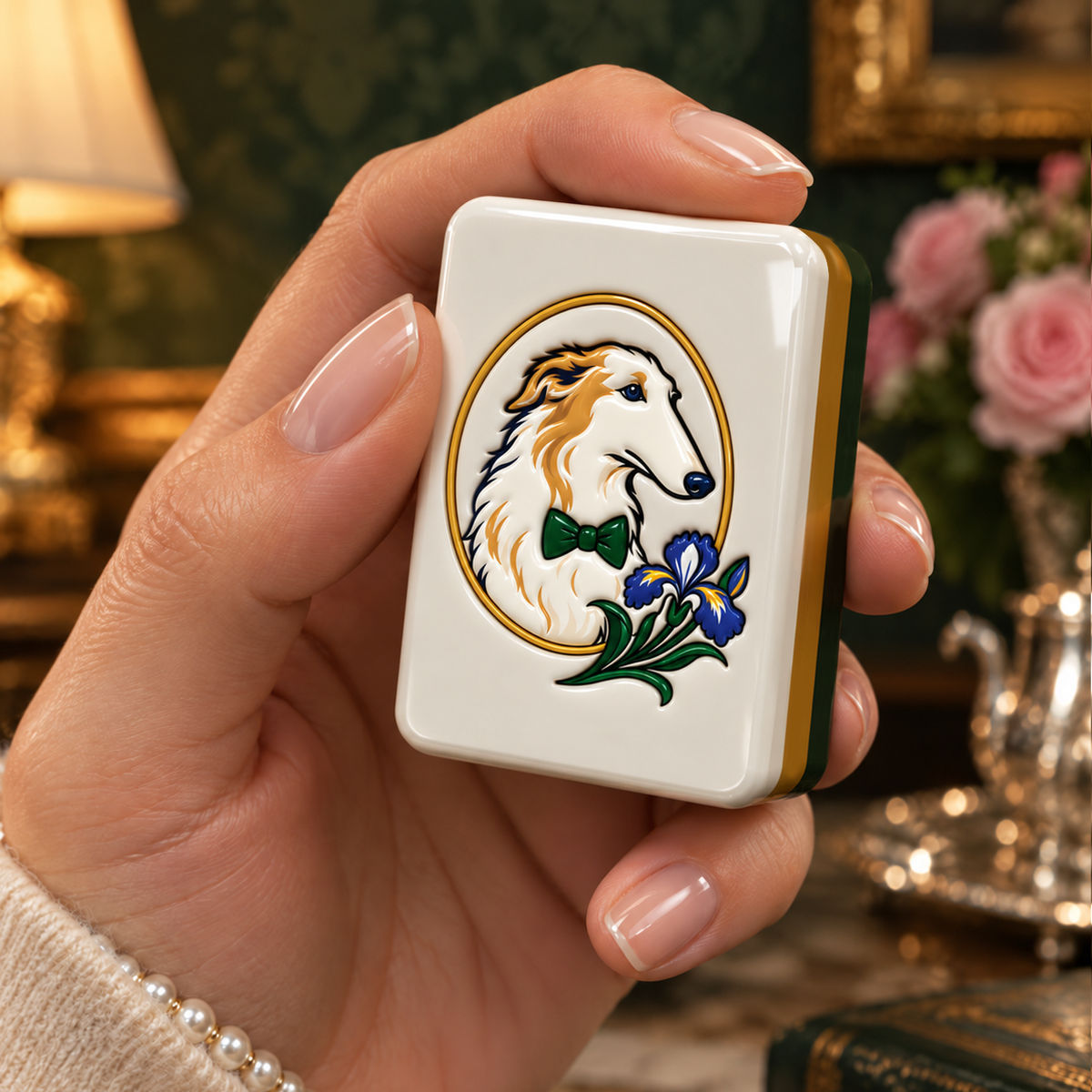
Birmingham mahjong players gather primarily through community centers, libraries, synagogues, and country clubs in and around the city—most host weekly games. Start by calling your local public library or community recreation department and asking for mahjong clubs or game groups; they keep current lists. Search Meetup.com for "mahjong Birmingham" or check Facebook group boards for "Birmingham mahjong players." Most American mahjong groups meet weekly (often Tuesday through Thursday evenings) and welcome beginners, though some intermediate-only groups exist. Games typically last 2–4 hours and cost nothing or a small per-game fee. You'll need a standard 160-tile American mahjong set, the current year's National Mah Jongg League card, and a mat if you're hosting—many clubs loan these or you can order from our best-selling mahjong sets with free US shipping.
Where do Birmingham mahjong clubs actually meet?
Public libraries and municipal recreation centers are your most reliable starting points. Call ahead: many now offer both open game hours and structured beginner lessons. Synagogues and Jewish community centers often host established groups with multi-year rosters—they welcome all faiths. Country clubs and private clubs in the Birmingham metro area sometimes have active mahjong nights, though membership may be required. Search community bulletin boards at these venues or ask staff directly for contact names. One concrete step: visit your nearest library branch in person and ask to speak with the program coordinator about mahjong offerings.

How do I know if a group is right for my skill level?
Ask the organizer three things: Do they teach absolute beginners, or is prior play expected? Do they use the current year's National Mah Jongg League card? What variant do they play—American, Hong Kong, Riichi, or another? Most Birmingham groups play American mahjong, but confirm. If you've never played, look for beginner-friendly sessions; established clubs often run intro nights monthly. Don't assume a group that lists "intermediate" won't teach—many welcome eager newcomers if you commit to learning fast and arriving on time.
What's the difference between open-play and tournament clubs?
Open-play groups meet weekly for social games, focus on fun and friendships, and rarely charge fees or ask for membership. Tournaments are structured competitions with entry fees, ranked scoring, and advance registration. Birmingham may have both: start with open-play to learn the culture and make friends, then try tournaments later if you wish. Open-play is lower pressure and better for first-timers; you'll see the same faces, learn house rules, and ask questions without time pressure.
What do you actually need to bring to a game?
The host usually provides the mahjong set and scoring chips, but bring your own National Mah Jongg League card (current year only—the card changes every spring). If a club asks you to bring a set or mat, they'll say so in advance. Many clubs have spare sets, so don't panic if you don't own one yet. If you're buying your first set, order a best-selling mahjong set with a mat and racks—they ship free across the US and set you up for hosting your own games later.
🀄 Shop best-selling mahjong sets →

How do you actually join a club without awkwardness?
Show up 10–15 minutes early, introduce yourself to the organizer, and say you're new. Ask where to sit and listen to a full hand before jumping in. Most groups have a "lesson hand" where they play slowly and explain. Bring cash if there's a small fee. Get the organizer's phone number or email so you can confirm you're coming next week—consistency matters. Don't overthink it: mahjong players expect new people and genuinely enjoy teaching.
Real vs. ideal: what actually happens when you walk in
Scenario | What to expect | What not to expect |
Brand-new player at open-play | Warm welcome, teaching hand, invited back | Quiz or gatekeeping |
Player with one game under your belt | Seated quickly, light coaching, included in chat | Assumption you know everything |
Intermediate player at open-play | Treated as peer, fewer explanations | Judgment for asking questions |
First-timer at tournament | More formal check-in, seating by skill | Dismissal or resentment |
How to find clubs: step-by-step checklist
Search your public library system – Call the main branch or visit online; ask for "mahjong" or "game groups." Many now list program schedules online.
Check Meetup.com – Search "mahjong Birmingham" and filter by active groups. Message organizers to confirm meeting times.
Visit Facebook community boards – Search "Birmingham," "mahjong," and "game" in one query. Local player groups often share links to private pages.
Call country clubs and synagogues – Staff won't always advertise mahjong, but many host quiet groups. Ask if they have a mahjong night or know of one.
Ask at game shops – Board game or hobby stores sometimes know of active clubs and post flyers.
Attend your first game – Arrive early, introduce yourself, and get contact info so you can confirm next week. Consistency builds trust fast.
🎁 See our most-loved mahjong sets & accessories →
Once you find a group and attend a few times, you'll likely want your own set—not just for the club, but for hosting friends. A standard 160-tile American mahjong set is the only legal set for league play, and you'll use it for years. Pair it with a protective bag for travel if you're moving sets between venues, and a mat if you plan to host at home. Many hosts appreciate when a player brings their own set, so you become the reliable friend. If you want to learn the rules before your first game, read our mahjong for beginners guide or dive into how to play American mahjong.
What to check before you buy your first set
Don't rush into a purchase. Visit a club first, play a borrowed set, and get a feel for tile size and weight—you'll have a preference. Confirm the group uses the current year's National Mah Jongg League card (they will, but check). Ask one experienced player what set they recommend for beginners; they often give frank feedback on durability and feel. When you're ready to buy, choose a best-selling set with good reviews from players, not just on aesthetics. We ship free across the US, so you're not limited to local stock.
✨ Find your Mahstead set — free US shipping →

FAQ
Do I need to own a mahjong set before joining a club?
No. Most clubs provide sets for open-play sessions. You'll want to buy one eventually for hosting and practice, but don't let it stop you from joining. Once you've played a few times, you'll know exactly what weight and size you prefer.
What's the National Mah Jongg League card and why does everyone keep mentioning it?
It's the official hand reference used in American mahjong—issued every spring and updated yearly. It shows all legal winning hands for that year. Without it, you can't identify a winning hand. Bring a copy (printed or on your phone) to every game.
Can I learn American mahjong from online videos instead of a club?
Videos help, but a live club is faster and more fun. You'll see hands played in real time, ask questions mid-game, and build muscle memory for tile recognition. Start with online basics, then join a club to solidify the skill.
What if the nearest club is 30 minutes away—is it worth it?
Yes, especially if it's a welcoming open-play group. Many players drive 20–45 minutes weekly because the social connection and consistent game time justify it. Once you've built friendships, the drive feels short.
How much does it cost to join a mahjong club in Birmingham?
Most open-play groups charge nothing or $2–5 per session to cover snacks or facility rental. Tournament groups may charge $10–30 per entry. Call ahead to confirm; fees are always posted upfront.
What's the difference between American and other mahjong variants I might encounter?
American mahjong uses a tile card (hand reference), no chows (sequences), 160 tiles, and the Charleston (tile-passing ritual). Chinese mahjong uses memory, sequences are allowed, and has different scoring. Most Birmingham clubs play American. Ask before attending—the variant matters because the rules are completely different.


View More
View More
View More
