
Mahjong Classes for Beginners in Palm Beach: Where to Start
Last updated: Nov 23, 2026
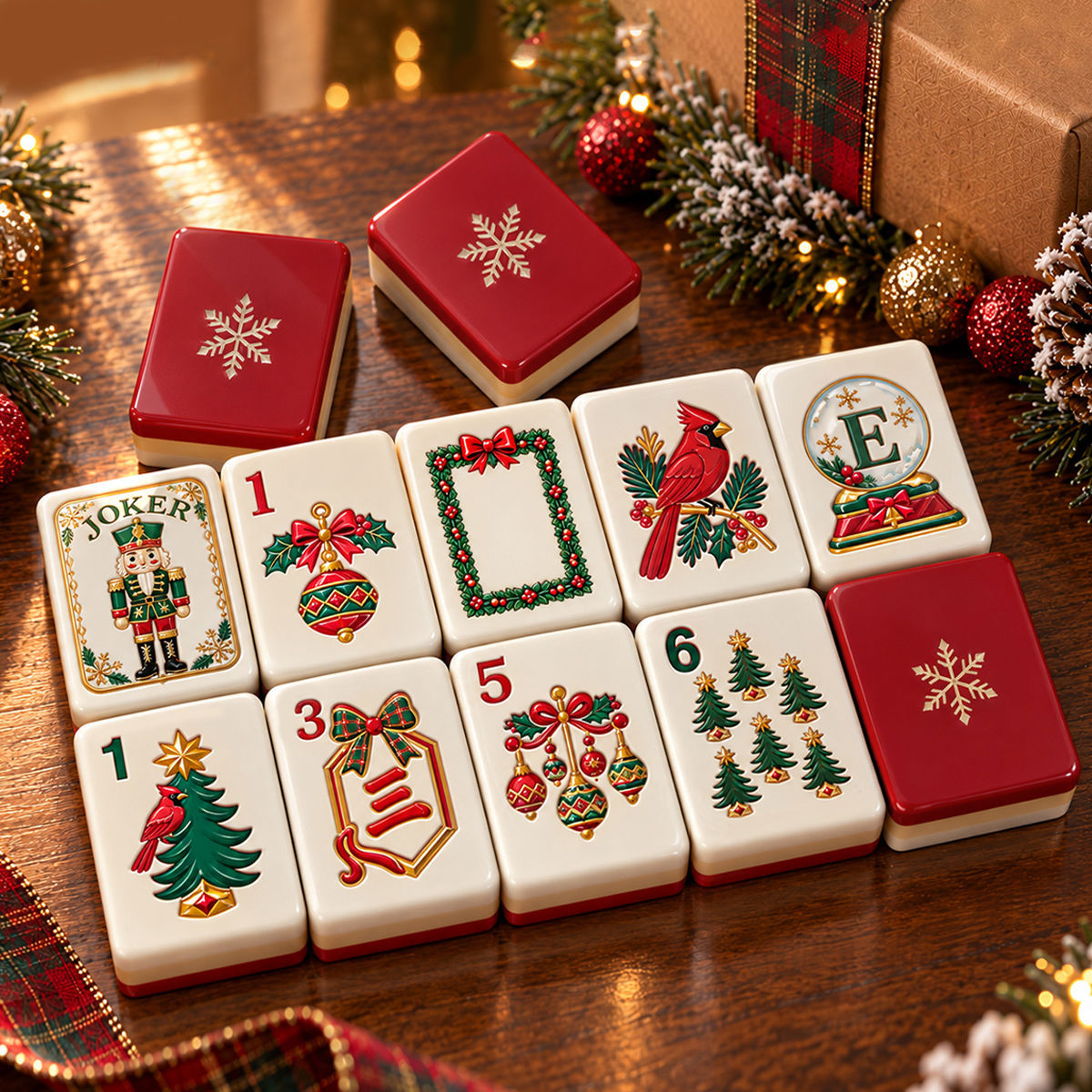
Beginner mahjong classes in Palm Beach are available through community centers, libraries, synagogues, country clubs, and private instructors—search local meetup boards and call ahead to confirm current schedules. Most classes meet weekly for 1–2 hours over 4–8 weeks, cost ranges from low-cost community programs to higher-fee private instruction, and cover tile recognition, the Charleston (the tile-passing ritual), hand reading from the National Mah Jongg League card, and basic American rules. You'll play 152 tiles with 8 jokers per game; no Chinese variants are standard in Palm Beach. Bring a notepad and willingness to ask questions—the game rewards pattern spotting, not speed. Before enrolling, confirm the class uses the current year's National Mah Jongg League card (reissued every spring), plays American rules (not Chinese or Riichi), and provides tiles and a mat or expects you to bring your own. Mahstead's best-selling sets come ready to play with all 160 tiles and are a smart investment if you plan to host games after your class. 🀄 Shop best-selling mahjong sets →
How do I find a beginner class near me in Palm Beach?
Start by contacting your local library, community center, Parks and Recreation department, or Jewish Federation—most host weekly or monthly beginner sessions. Call ahead; schedules shift seasonally and some classes fill fast. Check meetup boards, Facebook community groups, and Nextdoor for informal game groups that welcome learners. Country clubs and senior living communities often sponsor classes. Many instructors also offer private one-on-one or small-group sessions; ask your library for referrals. Don't assume online-only classes will teach American mahjong—confirm before signing up.

What should I expect in my first class?
Your instructor will teach the 152 American mahjong tiles (three numbered suits plus winds, dragons, and flowers), how to recognize them, and how the Charleston works—the ritual tile-passing that starts every game. You'll learn to read the National Mah Jongg League card, spot patterns (pungs, kongs, quints), and understand why American mahjong has no sequences or chows. Expect hands-on play: most classes have you sit at a table, physically handle tiles, and play 2–3 complete games. Bring a pen and notepad; don't worry about speed—beginners typically play at a relaxed pace. Most classes provide demo tiles and a mat for the first session.
What tiles and equipment do I need to buy?
A complete American mahjong set has 160 tiles (152 playing tiles plus spares) and 8 jokers. If your class provides tiles and a mat, you may not need to buy anything yet. Once you're ready to host games or play regularly, invest in a quality set with a matching mat—they're often sold as bundles. Many players also add racks with pushers to organize their hand and speed up play. If you plan to travel between games, a durable bag or case protects your tiles and mat. Start with a set that feels good to hold; acrylic tiles are durable and affordable compared to bone and bamboo.
🎁 See our most-loved mahjong sets & accessories →
What's the difference between American mahjong and other styles?
American mahjong is played with 152 tiles, 8 jokers, and hands drawn only from the current-year National Mah Jongg League card—a laminated sheet issued every spring with hundreds of winning patterns. You cannot create your own hands or adapt patterns from older years. Chinese mahjong uses no jokers, allows sequences (chows), and has different winning rules. Riichi and Taiwanese mahjong use similar mechanics to Chinese but with regional scoring tweaks. Hong Kong mahjong also uses sequences and has its own hand catalog. Your Palm Beach class will specify which variant it teaches; American is the standard in South Florida. If you're new, confirm your class uses American rules and the current-year card before enrolling.

How long does it take to feel comfortable playing?
Most beginners gain functional comfort—reading the card, executing the Charleston, recognizing winning patterns, and playing a full game—within 4–6 weeks of weekly 2-hour sessions. Feeling confident and playing at a social pace without hesitation takes 8–12 weeks. After 3 months of regular play, you'll spot patterns quickly and enjoy the social flow. Speed comes with repetition; don't rush it. The game rewards observation and memory far more than fast hands. Your first 2–3 games will feel glacial; that's normal. Most players find their rhythm by game 10–15.
Milestone | Timeline | What you'll do |
Tile recognition & card reading | Week 1–2 | Learn suit names (Bam, Crak, Dot); identify winds & dragons; understand card notation |
Charleston & first game | Week 3–4 | Execute tile exchanges; complete a full game without stopping play; spot first pungs |
Pattern spotting | Week 5–8 | Read the card, predict patterns, call melds (pungs, kongs); play at group pace |
Comfortable social play | Week 9–12 | Play 2+ full games in an evening; chat while playing; recall patterns from memory |
What common mistakes should I avoid as a beginner?
Don't memorize hands. The card changes every spring; instead, learn to read the card layout and spot similar patterns. Don't play too fast. Beginners who rush make more errors and miss calls. Play at a pace where you can chat. Don't assume you know the rules. American mahjong has no sequences—that surprises many learners accustomed to other tile games. Don't skip the Charleston. It's easy to rush through; do it carefully or you'll start with a weak hand. Don't ignore joker limits. Jokers cannot be used as a single tile or a pair; only in larger melds. Many new players accidentally violate this. Don't play with an outdated card. The National Mah Jongg League card is reissued every spring; using last year's card invalidates your hands. Ask your instructor to show you where to buy or download the current card.
✨ Find your Mahstead set — free US shipping →
What to check before you buy a set
If your class recommends a brand or tile type (acrylic, bone, bamboo), follow that advice—it's easier to learn with tiles that match what you play with in class. Check that any set you buy includes all 160 tiles: 152 playing tiles plus 8 jokers (plus any spare blank tiles). Confirm the tiles are engraved (not just painted) so markings won't wear off with heavy play. If you plan to play regularly or travel, choose a set with a padded case or travel bag—loose tiles in a box will crack. Read the product description to verify it's designed for American mahjong, not Chinese or other variants. Buy from a vendor that stocks current-year sets and can ship quickly; you don't want to start a new season without fresh tiles and a proper mat.
Why Mahstead for your first set?
Our best-selling mahjong sets are designed with beginners and regular players in mind. We ship all 160-tile sets ready to play—no sorting or hunting for missing tiles—and offer free US shipping. Many sets come with engraved titles so you can personalize them as gifts or mark your favorite game nights. If you're hosting after your class, a quality mat and racks with pushers turn a casual game into a smooth, professional evening. See what's in stock on our collections page and start with a set that matches your play style.

FAQ
Do I need to own a mahjong set to attend a beginner class?
No. Most classes provide tiles, a mat, and a card for the first 4–8 weeks. Once you commit to playing regularly or hosting games, buying your own set is worthwhile—you'll want familiar tiles and the ability to practice at home.
Where can I get the current National Mah Jongg League card in Palm Beach?
Order online from the official National Mah Jongg League website (updated every spring), or ask your instructor—many print copies for students. Some local game shops also stock the card; call ahead to confirm availability.
What's the cheapest way to start playing mahjong?
Attend a free or low-cost community class (usually $20–50 per session) that provides all equipment. Once you want to play outside class, a basic acrylic set is affordable and durable. Don't buy until you're sure you'll play regularly.
Can I learn mahjong online and then join an in-person class?
Yes, but in-person classes move faster if you've already learned tile names and basic rules online. Online learning is helpful for review but no substitute for handling real tiles and playing at a table with a teacher who corrects mistakes in real time.
What's the difference between a beginner and an intermediate player?
Beginners read the card slowly and play cautiously; they spot 1–2 patterns per game. Intermediate players read the card in seconds, play at a natural pace, and often spot their own hand before laying it down. This jump typically takes 3–4 months of weekly play.
Should I bring my own tiles to a beginner class?
Ask your instructor first. Many prefer students use class tiles initially so everyone is familiar with the same set. Once you're comfortable, bringing your own tiles to practice is fine—just confirm they're American-style (152 tiles, 8 jokers) and the current year's card.


View More
View More
View More
