
Mahjong Classes for Beginners in Milwaukee: Where to Start
Last updated: Nov 23, 2026
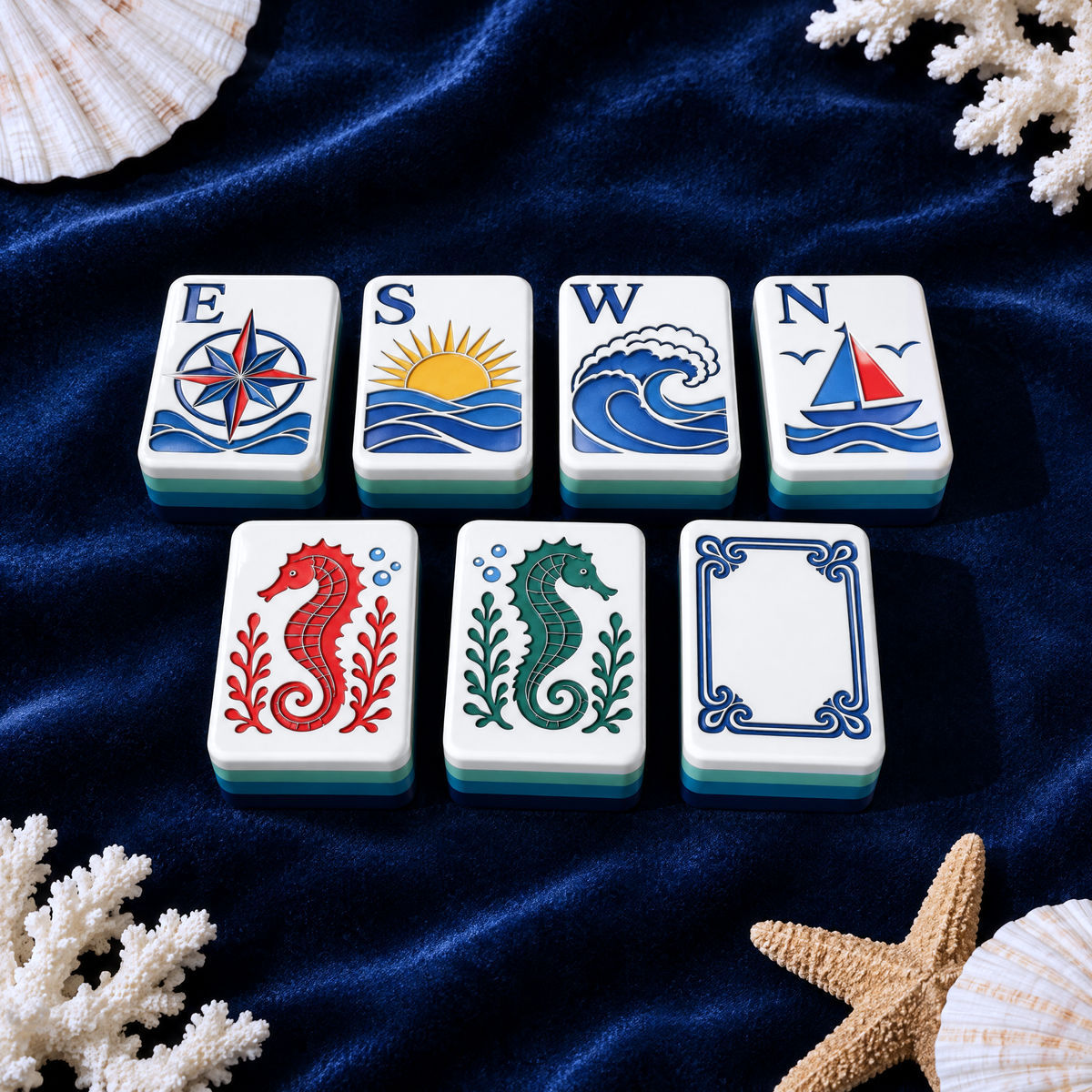
Milwaukee beginners can find mahjong instruction through community centers, libraries, synagogues, country clubs, and online meetup boards—search "[your neighborhood] + mahjong" or "Milwaukee mahjong group." Most beginner classes meet weekly for 6–12 weeks and teach American mahjong using the current year's National Mah Jongg League card; expect to learn tile recognition, the Charleston (tile-passing ritual), hand reading, and exposure rules in 2–3 hours per session. Classes typically cost between modest hourly rates or a flat session fee; always ask whether a set is included or if you need to bring one. First, confirm the variant taught (American mahjong is standard in Wisconsin); second, check the group's pace and whether they match beginners with patient veterans. We recommend starting with a best-selling acrylic American mahjong set—durable, clear tiles, and easier to read than bone or bamboo for new eyes.
Milwaukee has a thriving mahjong community for beginners. We'll show you where to find classes, what to expect in your first lesson, and how to prepare.
Where do Milwaukee beginners actually find mahjong classes?
Start by searching your library system's community board, local community centers' class calendars, and neighborhood synagogues—they often host drop-in or session-based groups. Check online meetup boards and Facebook groups for "Milwaukee mahjong" or neighborhood-specific terms like "East Side mahjong" or "Shorewood games." Country clubs and senior centers frequently run beginner sessions on weekday afternoons or weekend mornings. Call ahead: ask whether the group teaches American, Chinese, or Hong Kong mahjong, and whether you can observe before joining. Most take walk-ins; some require advance registration.

What actually happens in your first beginner session?
Your first session covers tile names (Bams, Craks, Dots, honors, dragons, flowers), how to hold and display tiles, and why the Charleston (three rounds of passing tiles to neighboring players) matters before the hand begins. Instructors show you how to read the National Mah Jongg League card—the chart of legal hands for that year—and explain pungs (three identical tiles), kongs (four), and joker rules. You'll play one or two short practice hands at half-speed so you don't panic. Expect questions to be welcomed; experienced players remember their own confusion and rarely rush. Bring a notebook; the card is dense on first read, and jotting notes helps. No prior experience needed; strategy builds naturally over weeks.
How long until I can play a real game?
Most Milwaukee groups expect beginners to join casual games after 3–4 sessions (3–4 hours of instruction). You'll still look at your card constantly and ask "Is this a legal hand?"—that's normal and respected. After 8–12 weeks, you'll recognize common patterns, pass the Charleston faster, and spot your own hands without prompting. Fluency (playing one hand per 15–20 minutes without hesitation) takes 3–6 months of weekly play. Don't expect to memorize the card; even veterans keep it visible. The real learning happens at the table, not in class. Beginner groups are forgiving of slow play and rule questions, so take your time.
What set and accessories do you need before week one?
You need one American mahjong set (152 playing tiles plus 8 jokers), which Mahstead's best-selling collection stocks in acrylic designs that are sharper and easier for new eyes than alternatives. Acrylic tiles won't scratch as easily when you're still learning how to push them without fumbling. Many Milwaukee groups have communal sets, so ask your instructor if you can share for the first few sessions. If you're buying, look for clear tile faces and readable suit symbols. A mahjong mat helps keep tiles organized during the Charleston and play, especially if your table is small; it's useful but not required for a beginner. A rack with pushers holds your 13 tiles neatly so you're not fumbling—highly worth it after week two, when you stop thinking about tile logistics and start thinking about strategy.
🀄 Shop best-selling mahjong sets →

How do Milwaukee beginner groups differ by neighborhood or format?
Some Milwaukee groups meet at libraries on weekday evenings (good for working professionals); others gather at community centers or senior centers on afternoons (more retirees, slower pace). Synagogue groups often blend social time with play and may have light snacks. Country clubs tend to have experienced but welcoming players mixed with beginners. Online meetup groups post weekly or monthly games in different Milwaukee neighborhoods, so you can test several groups before committing. Pace, cost, and social vibe vary; if one group feels too fast or unfriendly, try another—there is no single "Milwaukee mahjong." Ask about the group's rule variant: American mahjong (the standard) is what you'll find, but confirm it, because some groups play casual house rules or Chinese variants. A good beginner group explicitly teaches American rules and does not penalize questions mid-game.
Format | Who it's for | Typical timing | Pace |
Library drop-in | Working adults, flexible schedule | Weekday evening 6–9 PM | Moderate; mixed skill |
Community center class | Retirees, structured learning | Daytime 10 AM–12 PM | Slow; beginner-focused |
Synagogue group | Social players, community seekers | Weekday or weekend | Moderate; friendly |
Online meetup game | Neighborhood singles, varied times | Weekends or weekday evening | Varies by group |
Country club | Established players, game nights | Evenings or weekend afternoon | Faster; mixed beginner/advanced |
🎁 See our most-loved mahjong sets & accessories →
What mistakes do Milwaukee beginners make, and how do you avoid them?
Mistake 1: Skipping the Charleston. New players sometimes rush it or guess at the rules. Fix: ask the dealer to walk through it once before your first hand; it's a ritual, and muscle memory helps more than understanding it perfectly on day one.
Mistake 2: Memorizing the card instead of learning patterns. You won't memorize 432 hands. Fix: focus on recognizing shapes—a line of five Craks, three Bams in a row—and let the card confirm it. After 4–5 weeks, your eye will spot patterns without thought.
Mistake 3: Buying the wrong set. Bone and bamboo tiles are beautiful but slippery for beginner hands and harder to read under fluorescent library lights. Acrylic tiles from our best-selling collection are sharper, quieter (your group will thank you), and forgiving when you knock them over—and beginners always knock them over.
Mistake 4: Not asking about house rules. Milwaukee groups may have local rules about how many jokers you can use in a single tile, or whether you can pick a wild card. Fix: in your first 10 minutes, ask, "What house rules do we use?" and write them down.
Mistake 5: Feeling rushed. If your group plays too fast, speak up or find a slower one. Mahjong is meant to be enjoyable, not stressful.
What to check before you buy your first set
Tile clarity: Can you read the suit symbol (bamboo stalk, circle, line) and number from arm's length under typical home or library lighting? Acrylic handles this better than bone.
Set completeness: American mahjong requires exactly 152 playing tiles plus 8 jokers. A 160-tile set has spares (extra jokers or blanks) that never enter play—that's normal and fine.
Rack fit: If you buy racks, check that they fit the tile size—most Milwaukee groups use standard 1-inch American tiles, so verify before ordering.
Durability in play: Beginners drop tiles. Acrylic withstands table drops better than bone; cheaper plastic sets can crack or chip at edges.
Storage: A mahjong bag or case keeps your set safe if you're moving it between home and group sessions—not essential first, but handy after a few months.
✨ Find your Mahstead set — free US shipping →

FAQ
Do I need to own a mahjong set to attend a Milwaukee beginner class?
No. Most Milwaukee groups have communal sets or lend to first-timers. Ask your instructor or group organizer before week one. After 4–6 weeks, owning your own set speeds up your play because you're familiar with how your tiles feel and look.
What's the difference between American and Chinese mahjong, and which do Milwaukee groups teach?
American mahjong uses one card per year (current year's National Mah Jongg League card) and no chows (sequences); Chinese mahjong allows sequences and has standing hand lists. Milwaukee groups teach American mahjong almost exclusively. Confirm this when you call, but expect American.
How much do mahjong sets cost, and is it worth buying early?
Sets vary by material and design; see the product page for current pricing. Beginners benefit from waiting 3–4 weeks before buying—first, confirm you love the game; second, your group can advise on tile size and style once you've played.
Can I play mahjong on a regular table, or do I need a special mat?
You can play on any flat surface. A mahjong mat or card table speeds up the Charleston and keeps tiles organized, especially on small tables—useful after your first month but not required to start.
What if I feel lost in my first session?
That's universal and expected. Ask the dealer or experienced player beside you after each hand. Milwaukee groups are welcoming because everyone remembers being confused. One session doesn't need to feel perfect; three sessions will feel much clearer.


View More
View More
View More
