
Mahjong Case with Wheels: What to Choose for Your Game
Last updated: Nov 23, 2026
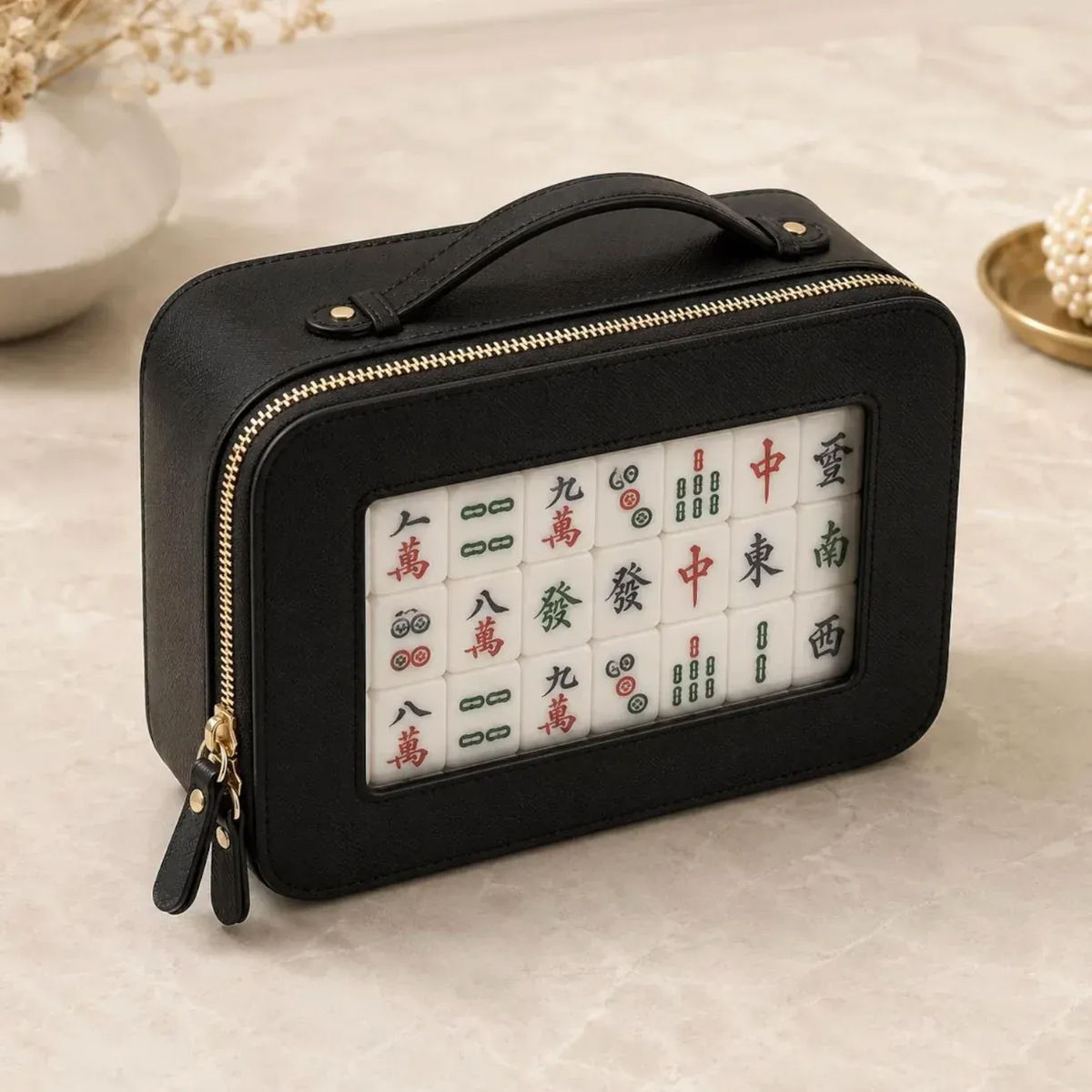
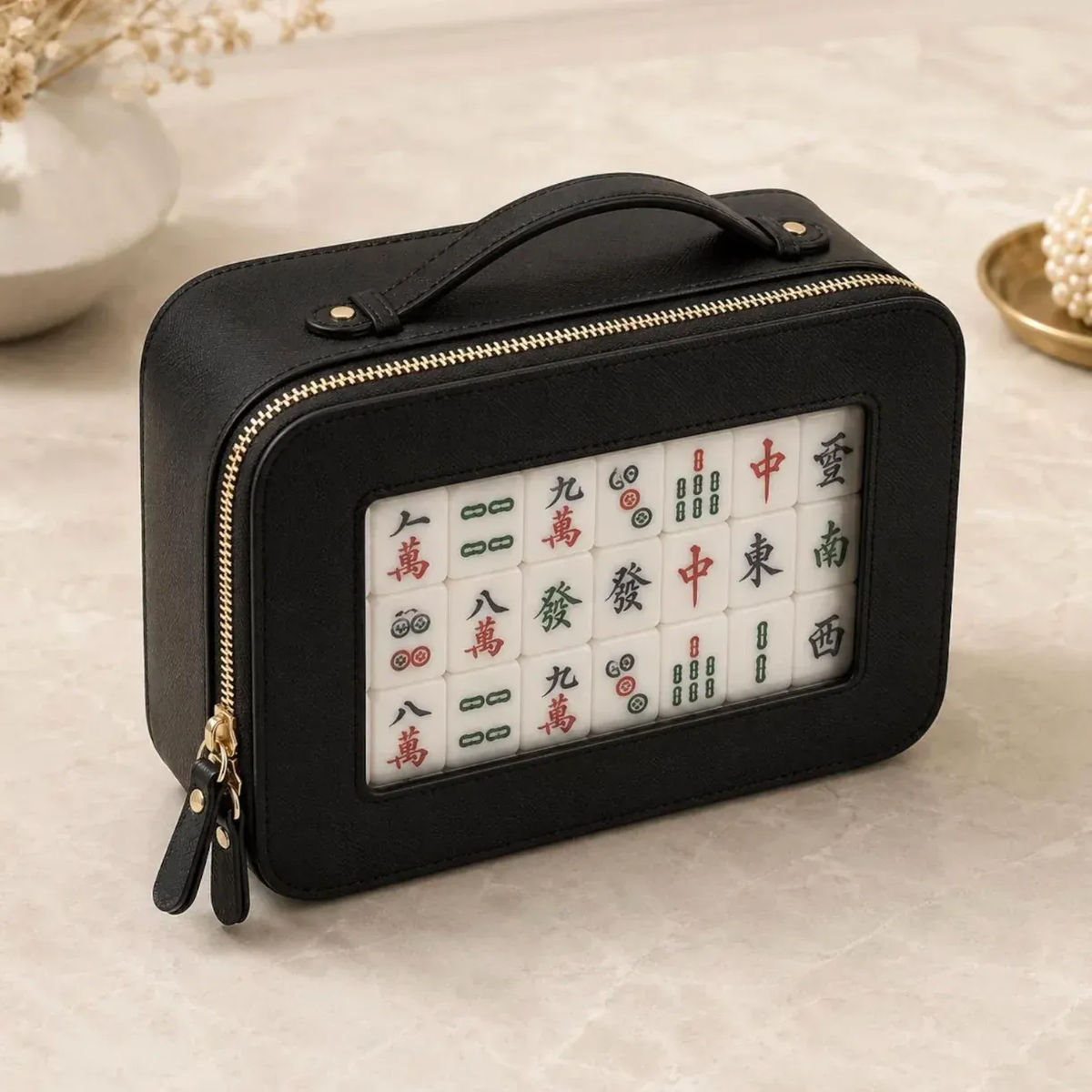
A mahjong case with wheels is a rolling storage container designed to hold a complete 160-tile set, mat, racks, and accessories securely for transport. Wheeled cases from our travel bag collection range from compact pull-handle styles to full-size rolling trunks. Most hold one or two sets plus a mat and fit standard car trunks. A quality wheeled case protects tiles from moisture, dust, and impact—critical because acrylic tiles chip easily and mats absorb stains. Storage is essential: without wheels, you'll strain your back lugging a full set to games. Mahstead cases are engineered with reinforced corners and moisture-resistant linings. Choose based on how often you travel, how many sets you own, and whether you play at home or rotate between venues. Budget and durability matter equally; the cheapest option often fails after one season. 🀄 Shop best-selling mahjong sets →
What's actually inside a wheeled mahjong case?
Most wheeled cases hold a full 160-tile acrylic set (152 playing tiles plus spares), a padded mat, four racks with pushers, two sets of dice, and scoring chips. Interior compartments keep tiles organized by suit during transport—critical because loose tiles in a moving vehicle can crack. Lining material varies: vinyl stops moisture; felt cushions tiles. Check the case's weight limit and wheel capacity before ordering; heavy cases damage over time if overpacked.
Who needs wheels versus a standard bag?
A wheeled case suits you if you host weekly games, attend tournaments, or store sets long-term. Weekly players benefit most because rolling beats carrying 8–12 pounds up stairs. Casual home players who never leave the house do better with a flat bag that stores under a cabinet. Tournament players need wheeled cases; tournaments demand rapid setup and multiple set backups. Solo travel players who play occasionally at friends' homes might prefer a lightweight hard-shell bag without wheels to fit car trunks. Consider your physical capacity: arthritis, back issues, or age make wheels non-negotiable.
How do you compare wheeled cases by capacity and design?
Case Type | Best For | Holds | Wheel Style | Why Choose It |
Compact pull-handle | Single set + mat | 1–2 sets max | 2 wheels, 24–30" tall | Fits car trunk; easier to maneuver narrow aisles |
Medium rolling | 2 sets + mats + extras | 2–3 sets | 4 wheels, 28–36" tall | Standard for weekly groups; balanced mobility |
Full-size trunk | Tournament backup, long storage | 3–4 sets + supplies | 4 heavy-duty wheels, 36"+ | Overkill for casual play; suits serious collectors |
Pull-handle cases suit apartment dwellers with compact cars. Four-wheel designs handle uneven pavement better; two-wheel pull-handles tip easily over curbs. Measure your car trunk before ordering—a 36-inch case may not fit. Material matters: hard plastic resists damage; soft vinyl compresses under weight, crushing mats inside.
🎁 See our most-loved mahjong sets & accessories →
What common mistakes happen when choosing a wheeled case?
Buyers often buy cases too small and can't fit a mat inside—mats are 27–30 inches wide when rolled. Some order without measuring wheel clearance and later find their front door narrower than the case. Another error: assuming one case holds multiple hard sets; acrylic sets don't compress, so stacking is impossible. Cheap wheels fail after 20–30 trips; replacement wheels cost almost as much as a new case. Don't buy a wheeled case to store a mat alone—that wastes space and money; use a flat bag from our travel collection instead. Interior compartments must have dividers; loose tiles roll during transport and crack. Finally, avoid cases without moisture sealing if you live in humid climates or park your car outside.

What to check before you buy
Wheel diameter & material: Plastic wheels crack on pavement; rubber or polyurethane lasts longer.
Interior height: Mats rolled up need 30–32 inches minimum; measure your mat.
Compartment design: Tiles should sit in fabric or felt-lined slots, not directly on plastic.
Handle lock & tilt mechanism: Poor handles collapse; solid handles make repeated trips safer.
Moisture barrier: Is the lining sealed or just fabric? Sealed is worth the cost.
Weight unloaded: Anything over 5 pounds empty makes repeated lifting painful.
Door width at home: Roll it through your front door, bedroom, and storage closet before committing.
How does a wheeled case fit into your overall mahjong travel setup?
A complete travel system pairs a wheeled case with a padded mat, quality racks with pushers, and a lightweight tile bag for individual sets if you rotate between venues. The case is your main transport; the bag holds a backup set in your car. Many weekly players own one wheeled case for home storage and a soft bag for emergency backup. This hybrid approach costs less than two rolling cases and covers travel, storage, and last-minute replacements. For best-selling sets, which tend to be our most compact acrylic designs, a medium 28–32 inch wheeled case is ideal.
✨ Find your Mahstead set — free US shipping →
Real-world durability: what fails first and how to prevent it?
Wheels are the first casualty. Cracks appear after 40–60 trips on rough pavement or gravel parking lots. Prevention: store the case indoors on a flat surface, never outdoors. Zippers fail next if handles are yanked hard—replace before they jam. Interior lining peels when moisture accumulates; open the case to air-dry after humid trips. Hinges crack if the case is overstuffed or forced shut; never force the lid. Most cases last 5–7 years with weekly use if stored indoors and kept dry. Professional tournament players replace cases every 2–3 years due to heavy travel. Buy from brands that stock replacement wheels and zippers—many don't, making a broken case worthless.

FAQ
Can I fit two complete mahjong sets in one wheeled case?
Only if the case is 36+ inches tall and has divided compartments. Most medium rolling cases hold one set plus a mat; two full sets require hard stacking, which risks tile chipping. Check interior dimensions (height, depth, width) against your set's box size before ordering.
What's the difference between a wheeled case and a hard suitcase?
Wheeled cases are designed specifically for mahjong: they have compartments for tiles, mats, and racks. Hard suitcases lack these dividers, causing tiles to shift and crack during transit. A standard suitcase is bulkier and wastes space.
Do wheeled cases keep tiles dry in humid climates?
Only if they have sealed linings and latches that close tightly. Fabric-only interiors absorb moisture; acrylic tiles don't corrode, but felt mats do. If you live in a humid area or travel in rainy seasons, pay extra for a case with sealed or waterproof backing.
How much does a quality wheeled case cost?
Prices vary based on size and materials; see current prices on our travel bag collection page. Entry-level cases cost less; premium models with heavy-duty wheels and sealed compartments cost more. Cheaper cases often fail within a year, making premium options a better long-term investment.
Can I use a wheeled mahjong case to store my set at home permanently?
Yes, if your space is dry and temperature-stable. Basements work if they don't flood. Attics work if not exposed to extreme heat (which warps some plastics). Garages fail in humid climates. For permanent home storage, choose a case with sealed lining and keep it off the floor.
What wheel type is best for uneven surfaces?
Larger, softer rubber or polyurethane wheels (2–3 inches in diameter) handle rough pavement, gravel, and grass better than small plastic wheels. Four-wheel designs distribute weight more evenly. Two-wheel pull-handles tip easily on uneven terrain; avoid them if you transport to outdoor events or unpaved parking lots.


View More
View More
View More
