
Mahjong Case Buying Guide: How to Choose the Right One
Last updated: Nov 23, 2026
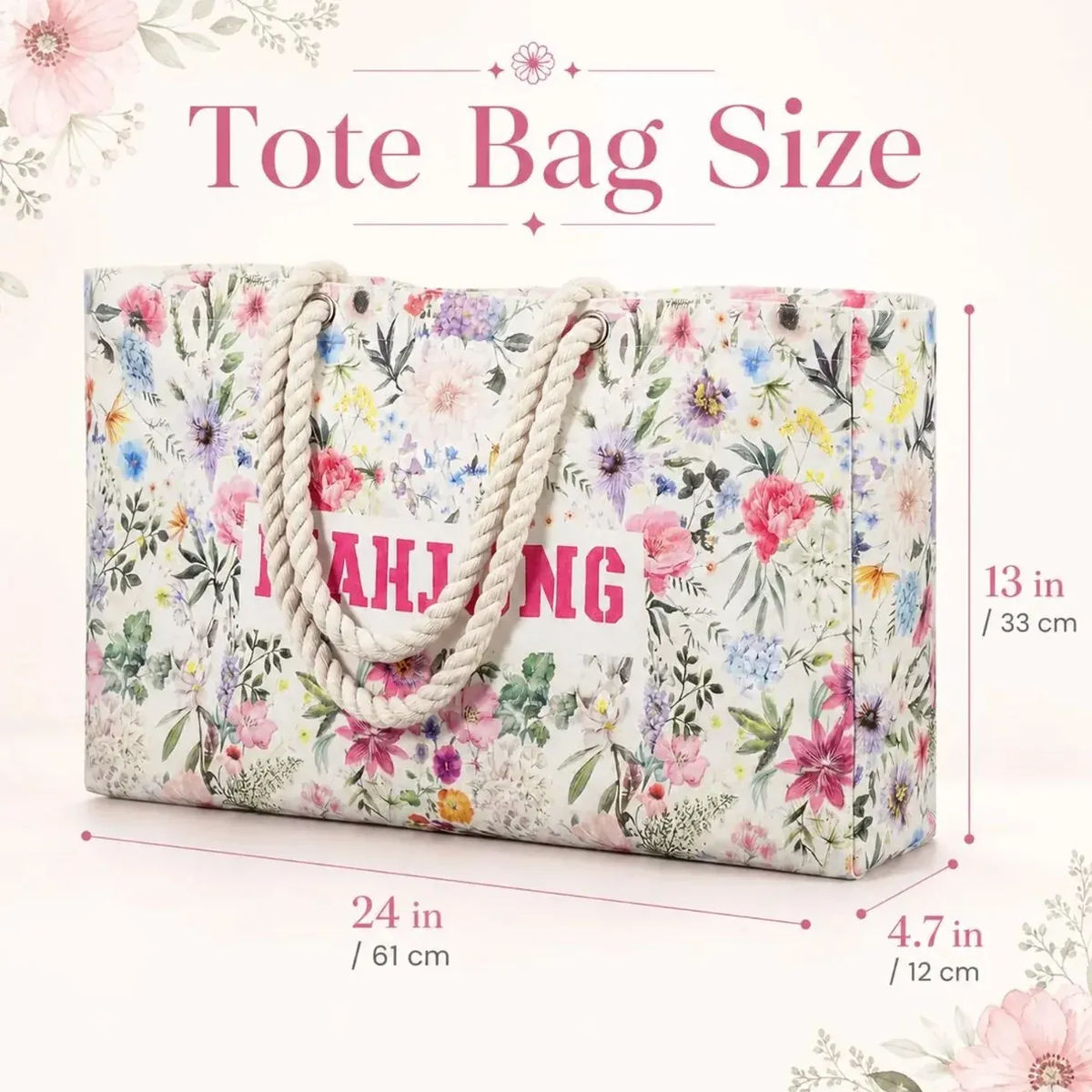
We host weekly games and know that a case isn't just protection—it's part of how you show up as a player. A mahjong case holds your 160-tile set, racks with pushers, mat, and dice safely during transport and storage. Cases come in soft-sided bags (lightweight, portable, easier to store at home), hard-sided boxes (maximum durability for frequent travel), and decorative boxes (designed for display or gifting). Soft cases fold flat; hard cases stack or stand upright. Material quality matters: reinforced fabric with padding protects tiles from corner drops, while rigid shells shield against crushing. Most American mahjong players choose based on how often they travel, how much floor space they have, and whether the case will live in a closet or on a shelf. Mahstead offers acrylic tile sets paired with matching cases designed to last; see the travel bag collection for current styles and how they pair with your chosen set design. 🀄 Shop best-selling mahjong sets →
What's the difference between a soft case and a hard case?
Soft cases use padded nylon or canvas exteriors with zippered compartments; they weigh less, fit in closets, and cost less to ship. Hard cases use rigid plastic or wood-composite shells that stack without compression. Soft cases suit casual weekly players who store at home; hard cases protect tiles during frequent road trips. Most of us prefer soft for home storage and hard if we're carrying sets between cities or to tournaments.

Who should buy a decorative display case?
Display cases sit on shelves or tables permanently, showing off engraved tiles and beautiful racks. Ideal for players who invested in mahjong titles or custom sets, want a conversation piece in the game room, or are giving a set as a milestone gift. They don't compress or wear from repeated packing. If your case will live on a bookshelf rather than in a trunk, a display case makes every game night feel special.
What size case do I actually need?
Standard American mahjong sets (160 tiles) need roughly 12–14 inches wide, 8–10 inches deep, and 3–4 inches tall to hold tiles, racks, and a rolled mat comfortably. If you're also carrying a mahjong mat, measure your mat rolled: most mats roll to about 3–4 inches in diameter and 24–27 inches long, so you'll want a case that can hold a rolled cylinder or a separate mat bag. Check internal dimensions, not external—padding takes up 0.5–1 inch on each side. Always verify compartment layout before ordering: some cases have fixed dividers (tiles must fit in those slots), others use adjustable fabric dividers or removable trays. If you have racks with pushers, confirm they fit in a dedicated slot—don't assume.
✨ Find your Mahstead set — free US shipping →

How do I match a case to my set style?
Our best-selling mahjong sets come in classic acrylic designs, and cases should echo that aesthetic. A modern minimalist set looks sharp in a sleek gray or navy soft case; a traditional jade-inspired set pairs well with a wood-look hard case or earth-tone bag. If you ordered an engraved set for a group or club, a matching case reinforces team identity and makes storage easier for the host player. Some players buy a second case specifically for travel (lightweight, washable nylon) and a display case for permanent home setup—no shame in that.
Comparison: Case Types at a Glance
Case Type | Best For | Durability | Storage | Travel Ready |
Soft zippered bag | Weekly casual players, home storage | 3–5 years moderate use | Folds flat in closet | Yes, lightweight |
Hard rigid box | Frequent travelers, tournament players | 5–10+ years heavy use | Stacks upright or under table | Yes, excellent protection |
Decorative display case | Showcase pieces, gifts, permanent shelf | 5–10+ years, no compression wear | Stays on shelf or sideboard | No, not portable |
Rolling luggage-style case | Multi-set owners, club organizers | 5–10+ years, wheels reduce wear | Stands in corner or closet | Yes, easy movement |
What should you check before you buy?
Measurements & fit:
Does the case hold your set size (160 tiles)?
Will your racks with pushers fit in a dedicated slot, or must you wrap them separately?
If you own a mat, can it roll inside, or do you need a separate mat bag?
Material & seams:
For soft cases, look for reinforced stitching at corners—stress points fail first.
For hard cases, check that latches or clasps are sturdy and that the lid closes flush without forcing.
Padding should be at least 0.5 inches thick; anything thinner leaves tiles vulnerable to edge impacts.
Compartment design:
Fixed dividers = tiles locked in one place; easier for organized players, harder if you share or mix sets.
Adjustable fabric or foam dividers = flexibility to rearrange; better if you own multiple set styles.
Removable trays = clean access for jokers and dice; check trays don't stick or jam.
Weight & portability:
Soft cases under 3 pounds empty; hard cases 4–8 pounds depending on size and material.
If you carry it to a car once a week, weight matters less; if you fly with it, every pound counts.
Zipper or latch quality:
Soft cases: twin-track zippers are stronger than single-track; test the slider smoothness before committing.
Hard cases: plastic clips hold fine for regular use; metal hinges are nicer but add cost and weight.
Drainage & ventilation:
Soft cases: check for mesh panels so tiles dry if damp; never store a wet mat in a sealed case.
Hard cases: small air vents prevent mildew if the case sits closed in humidity.
Check | Red Flag | Green Flag |
Zipper feel | Sticks or binds | Smooth, dual-track |
Padding | Thin or crumbly foam | Dense 0.5"+ felt-backed nylon |
Seams | Fraying or loose stitching | Double-stitched, reinforced corners |
Compartments | Only one large space | Labeled or divided sections |
Closure | No latch or latch is broken | Sturdy clips or magnetic closures |
Interior smell | Strong plastic or chemical odor | Neutral fabric smell |
🎁 See our most-loved mahjong sets & accessories →
Why does a case matter more than people think?
Tiles are acrylic and can crack or chip from drops; racks warp if crushed; mats mildew in damp storage. A case is insurance against the chaos of real life—car trunks, guest closets, basements, and airport baggage claims. Good players treat their case as seriously as their set because a broken tile or warped rack can bench you for a game. We've seen players who invested in beautiful engraved sets skip games because they didn't have proper storage, then watched them get damaged anyway in a plastic bag. A real case means you can grab and go, play whenever, and your tiles stay pristine for years.
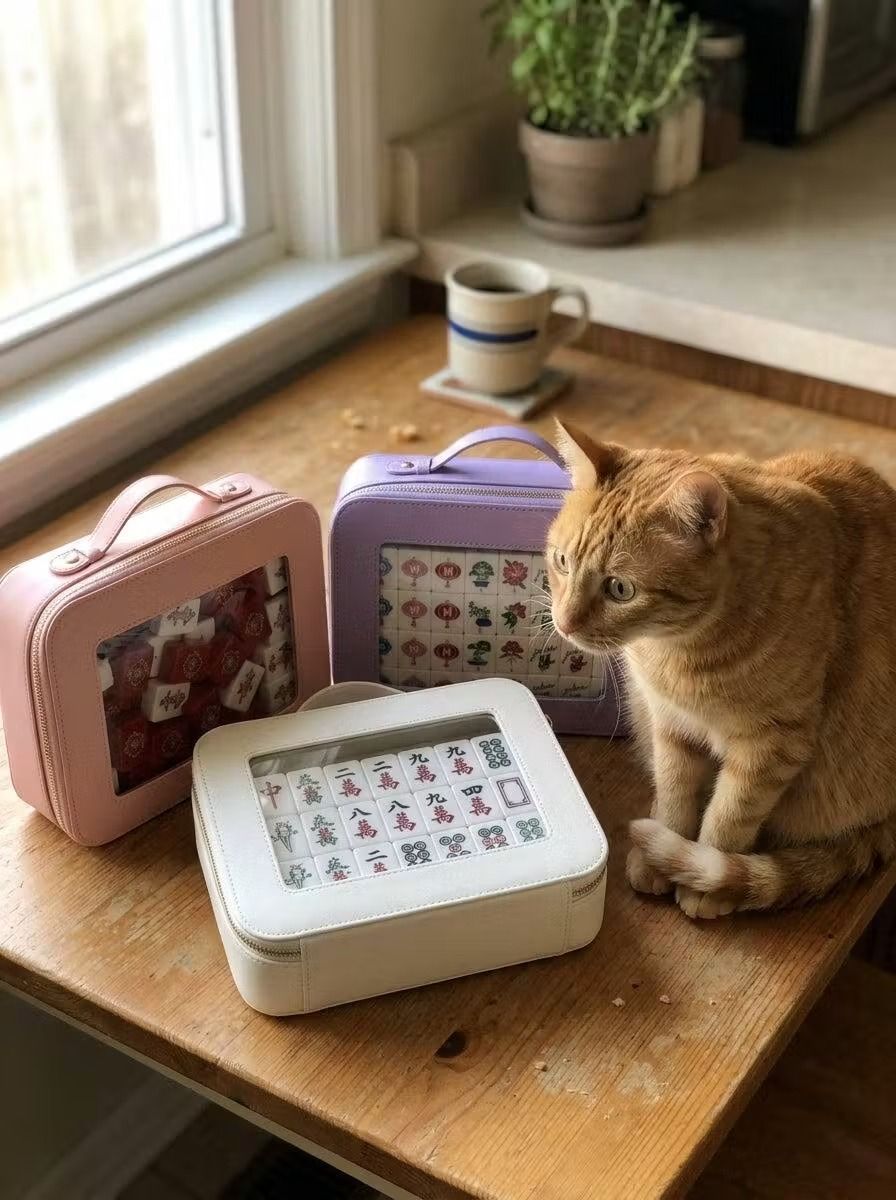
FAQ
Can I fit a rolled mat inside a standard soft mahjong case?
Most mats roll to 3–4 inches in diameter; check case depth before ordering. If your case is only 3 inches tall, the mat won't fit. Consider a separate mat bag or a larger hard case with a mat slot on the side.
How do I keep tiles from rattling inside a soft case during transport?
Use the compartments or dividers provided, or wrap the tile stack in a microfiber cloth before placing it in a padded section. Loose tiles shift and can damage corners; dividers prevent that.
Is a hard case worth the extra weight if I only play at home?
Not usually. If your case stays in a closet, a soft bag saves space and money. Hard cases shine for frequent travelers or players who move sets between multiple homes or locations.
What's the best case for a gift set?
A decorative display case or a quality soft case with clear compartments. If the recipient plays weekly, they'll want soft for convenience; if it's a showpiece, go display. Include a care card explaining how to store the set and mat separately to prevent moisture damage.
Do I need a separate bag for the mat and racks, or does one case hold everything?
Depends on the case. Larger cases hold both; smaller soft bags may only fit tiles. Before buying, verify the mat roll diameter and rack dimensions against case specs. Some players use one case for tiles and a second small drawstring bag for racks and dice—it's cleaner than cramming.
Can I store my mahjong case in a garage or basement?
Only if it's climate-controlled or well-ventilated. Humidity and temperature swings warp wood and promote mildew inside soft cases. Basements often stay damp; if yours is dry and cool year-round, it's fine. Unheated garages are risky—tiles can crack if frozen, then thaw unevenly.


View More
View More
View More
