
Lunar New Year Mahjong Party Invitations: Wording Ideas & Tips
Last updated: Nov 23, 2026
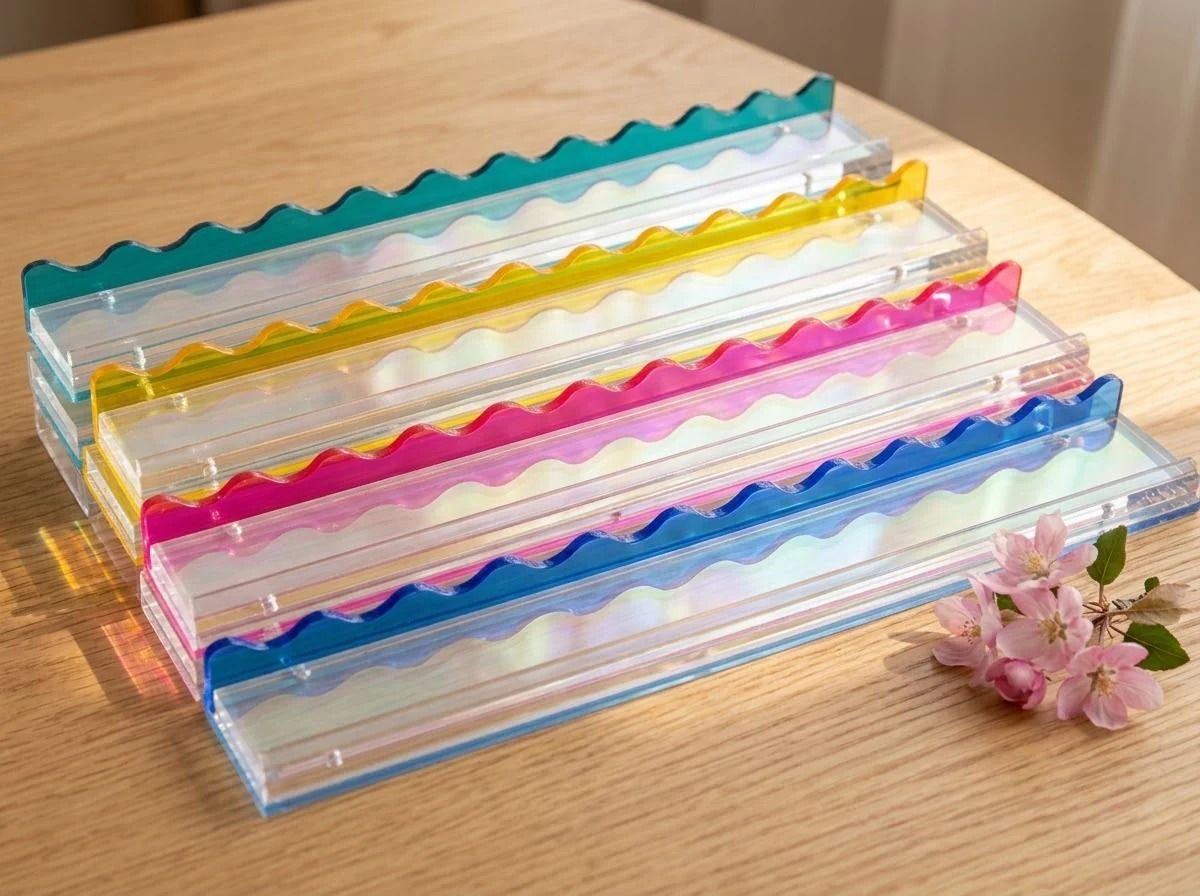
A Lunar New Year mahjong party invitation should name the date, time, location, host, and expected guest count—then signal that mahjong will happen. Mention whether players should bring tiles or if you're supplying them. Avoid mixing zodiac greetings with game rules; keep greetings separate. Formal invites suit established groups; casual texts work for regular players. Include "RSVP by [date]" so you know how many chairs and racks to set. Mahstead hosts often include a photo of their engraved set or mat in the digital invite to show what the game will look like. Whether you send print cards or email, lead with luck and togetherness, then the practical details. Allow 2–3 weeks' notice so out-of-area players can plan.
What tone should your Lunar New Year mahjong invitation use?
Tone depends on your group's formality and how long they've played together. Established weekly groups can use relaxed, inside-joke language ("Bring your luck and your A-game"). Family gatherings benefit from warmth and tradition ("Join us to celebrate the Year of the [Animal] together"). First-time mixed-skill groups need clarity: emphasize that newcomers are welcome and skill levels don't matter. Formal community events require respect for cultural significance—mention Lunar New Year by name, not "Chinese New Year" unless your group uses that term. Three-word rule: keep every sentence under fourteen words to feel genuine, not corporate.

How do you phrase the core invitation message?
Start with the reason, then logistical facts. Example: "We're gathering for Lunar New Year mahjong and good fortune on [date]. Join us at [address] from [time] to [time]. All skill levels welcome—bring snacks or your competitive spirit." Another approach: "Celebrating the Year of the [Animal] with tiles, laughter, and luck. Saturday, [date], [time]. Confirmed players tell us your name by [RSVP date]." Avoid overwhelming detail in the opening sentence. Save rules explanations, joker counts, and set descriptions for a separate info sheet or email link—unless your invitees already know the American mahjong rules. If you're supplying engraved American mahjong sets, you can add a photo: "We're using fresh Mahstead tiles this year—beautiful and ready to go."
🀄 Shop best-selling mahjong sets →
What cultural etiquette should your invitation reflect?
Lunar New Year celebration emphasizes renewal, togetherness, and good luck. Mahjong traditionally symbolizes harmony and prosperity. In your invitation, use lucky language: "fortune," "prosperity," "gathering," "togetherness." Avoid unlucky numbers or words—in Cantonese and Mandarin, the number four sounds like "death," so don't set a four-player-only game without explaining it's the standard four-seat format. If your group includes players from different Chinese regions or Taiwan, acknowledge that mahjong rules vary (American, Hong Kong, Riichi, Taiwanese). For example: "We play American mahjong—all experience levels welcome. Questions? Ask [contact]." Respect religious or cultural observances: if some guests fast or follow dietary rules during Lunar New Year, mention snacks in advance and ask about needs. Never use zodiac animals as stereotypes or jokes about player skill. Keep celebration language genuine—"We're excited to honor this tradition with you" rings truer than generic "Year of the Dragon festive fun."
Which invitation format works best for Lunar New Year mahjong?
Format | Best for | Why it works | Timing |
Printed card (mailed) | Formal family events, long-distance guests, groups over 50+ | Tangible, keeps as keepsake, signals importance | 3 weeks ahead |
Email with image | Weekly regulars, mixed experience levels, under 20 players | Easy to include set photos, mat dimensions, rules links | 10–14 days ahead |
Group text or WhatsApp | Close friends, same-skill group, casual vibe | Quick, includes replies, informal tone OK | 1–2 weeks ahead |
Digital card (Evite, Paperless Post) | Mixed-age group, professional associations, 20–50 players | Tracks RSVPs, reminds guests, shareable | 2–3 weeks ahead |
In-person verbal (at prior game) | Returning players, weekly game hosts, small trusted group | Personal, answers questions live, builds excitement | 2–3 weeks ahead |
Each format carries different expectations. Mailed cards say "This event matters; mark your calendar." Email with set photos shows you've prepared and invites questions. Text works only if your group already chats regularly. If you're new to hosting, pair your chosen format with a single clear RSVP method—one email address, one phone number, or one form link. Confusion about RSVPs leads to mismatched chair counts and racks.
🎁 See our most-loved mahjong sets & accessories →
What details must you include to avoid confusion on game day?
Every invitation needs: date (including day of week), start and end time, full address with parking notes, RSVP deadline, and a host contact number. Add: "Bring [money/cash for nibbles/nothing]," "All skill levels," and "Questions? Email [your email]." If you're supplying tiles, say so explicitly—don't assume guests know whether to bring their own mahjong sets. If tile experience varies widely, link to a rules overview or offer a 10-minute teach before play starts. Mention whether you'll use a mahjong mat (cleaner, easier for newcomers) or a bare table (faster setup, familiar to veteran players). State how many players you can seat—if you're hosting four-player standard mahjong, say "4 seats"; if you have multiple tables, say "Up to 12 players in two games." Clarify whether you play with the current year's National Mah Jongg League card or another variant (Hong Kong, Taiwanese, open rules). Finally, include what time doors open for early arrivals—nervous new players appreciate 10 minutes to settle and ask questions before tiles hit the table.

What wording mistakes do new hosts make?
Mistake 1: Vague time. "Join us Saturday evening" leaves guests guessing. Say "Saturday, 2 p.m. to 5 p.m.—arrive by 1:50 p.m."
Mistake 2: Assuming everyone knows the rules. Even experienced American mahjong players may not know your house rules or if you're playing a different variant. Say "American mahjong, 2026 NMJL card, jokers allowed" or link to a primer.
Mistake 3: Mixing luck wishes with game logistics."Wishing you prosperity and a winning hand—we use eight jokers per game" feels jarring. Lead with celebration; follow with facts.
Mistake 4: Not mentioning money or snacks. If the game involves buy-in chips, say so upfront and state the amount. If it's free or honor-system donations, clarify. For snacks, say "Please bring a dish to share" or "Light refreshments provided" so guests aren't confused.
Mistake 5: No RSVP deadline. Hosts need to know player count 5–7 days ahead to arrange chairs, mats, and tile sets. Set an RSVP date and remind people 48 hours before.
Mistake 6: Over-explaining rules in the invitation. Invitations are not rulebooks. If the game has special house rules (joker limits, scoring changes, Charleston rules), mention them briefly or provide a one-page PDF separately.
Wording Templates You Can Adapt
Formal family gathering:"We warmly invite you to celebrate Lunar New Year with family mahjong. [Date], [time], at [address]. All skill levels welcome—we'll teach anyone new to the game. Please RSVP to [name] by [date]. Wishing you luck, health, and togetherness in the Year of the [Animal]."
Casual friend group:"Lunar New Year mahjong this Saturday! [Date], [time], [address]. Bring yourself and your game face. Four seats, snacks provided, RSVP [name] by [day]."
Community or club event:"Join [community name/club name] for Lunar New Year mahjong celebration. [Date], [time], at [location]. Learn American mahjong or refresh your skills. Two tables available—16 players max. Light snacks and tea served. RSVP by [date]: [contact]. All welcome."
Corporate or professional group:"You're invited to our Lunar New Year mahjong event. [Date], [time], [address]. Whether you're a seasoned player or curious to learn, come for community and celebration. Tickets [if paid—state method]. RSVP [link or email] by [date]. Questions? Contact [name]."
What to check before you send your invitation
Date and time are clearly written (include full day and date, not just "Saturday").
Address is complete with parking, entrance, and building/suite number.
RSVP deadline is at least 5 days before the event.
You've stated how many players you can host and whether you have space for a wait-list.
You've confirmed whether guests bring tiles or you're supplying them.
Contact information is correct (email, phone, or social media handle).
You've mentioned Lunar New Year by name if cultural significance matters to your group.
Game variant is named (American, Hong Kong, etc.) if your group doesn't all play the same rules.
Money details are settled (free, cash buy-in, chip amounts, donation).
You've given a direct link to rules or a short primer if any guest is brand-new.
If you're hosting for the first time, send a draft to one trusted regular player and ask, "Does this tell you everything you need to know?" Their feedback catches what you've skipped.
✨ Find your Mahstead set — free US shipping →
Invitation Checklist
[ ] Event date, day of week, and year
[ ] Start time and end time (include buffer for setup/arrival)
[ ] Full address, parking, and building/suite number
[ ] Host name and one clear contact method
[ ] "All skill levels welcome" or skill requirement if applicable
[ ] RSVP deadline (at least 5 days before event)
[ ] Player count (4 seats, 8 seats, etc.)
[ ] Tiles: you're providing them, or guests bring their own
[ ] Game variant (American, Hong Kong, Riichi, etc.) if not obvious
[ ] Money/buy-in/donation language (if applicable)
[ ] Snacks: bring a dish, provided, or ask separately
[ ] Link to rules or offer to teach if new players expected
[ ] Warm cultural greeting (Lunar New Year by name, Year of the [Animal])
[ ] Tone matches your group (formal, casual, mixed)
Many hosts pair a short invitation text with a one-page info sheet emailed separately. The invitation sets tone and captures RSVPs; the sheet handles rules, house variations, and logistics. This split keeps the invite clean and welcoming.
#

FAQ
Should I mention the specific mahjong set or mat I'm using in the invitation?
Yes, if it's beautiful or new—a photo builds excitement. Example: "We've just set up fresh Mahstead tiles for 2026." Avoids confusion about whether you have enough sets and signals you've prepared. Veteran players also appreciate knowing if you're using engraved sets or standard tiles.
What if my guest list mixes experienced players and absolute beginners?
Address both groups in the invitation. "This is a welcoming game—experienced players and newcomers alike. We'll do a quick teach-in before the first game." Or: "Beginner? No problem—we have a 10-minute primer at [time] before tiles fly." Don't assume anyone will self-teach at the table.
How far in advance should I send Lunar New Year mahjong invitations?
2–3 weeks for formal printed cards or digital invites; 10–14 days for email with images; 5–7 days for texts to regular players. Lunar New Year dates fall between late January and mid-February, so send invites before holiday schedules fill up. Include the RSVP deadline in your invitation so people know the cutoff.
Should I mention house rules (like joker limits or scoring changes) in the invitation itself?
Only if they're unusual or if your group mixes variants. Standard American mahjong (2026 NMJL card, four-player seats) needs no explanation. If you limit jokers, change payout amounts, or play a non-standard variant, mention it briefly in the invitation or attach a one-page rules sheet. Avoid overwhelming text in the initial invite—most people skim it for time and place first.
What's the best way to collect RSVPs without hassle?
Pick one method and stick to it: email, phone call, or a free form (Google Forms, Typeform). Write in the invitation "Please RSVP to [single method]" so guests don't reply via three different channels. Confirm RSVPs 48 hours before the event: "We expect [number] players. Doors open at [time]. See you then." This reminder prevents last-minute no-shows and gives you time to adjust seating or tiles if needed.
Is it rude to ask guests to bring snacks or contribute money in the Lunar New Year invitation?
No, if you're direct and kind. "Please bring a savory or sweet dish to share" or "Casual game—$5 to play if you'd like, free if not" sets clear expectations. Avoid being vague ("Contributions welcome") because some guests won't offer and others will overspend. In traditional Lunar New Year mahjong, money play is expected; clarify your group's practice upfront so no one feels awkward at the table. #


View More
View More
View More
