
Jade vs Wooden Mahjong Tiles: Which Should You Buy?
Last updated: Nov 23, 2026
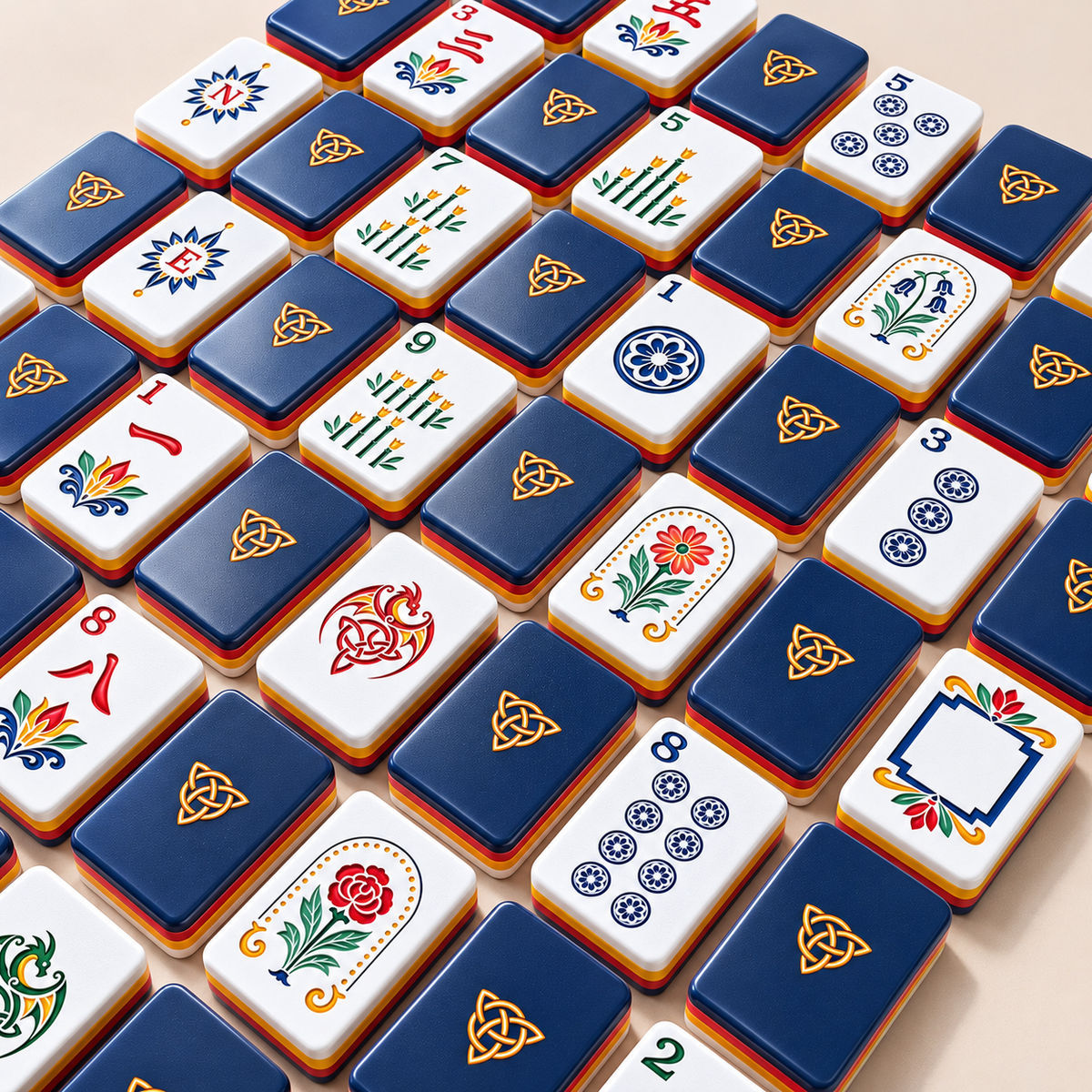
Jade tiles are heavier, smoother, and more durable than wooden ones; they click distinctly when shuffled and feel premium in hand. Wooden tiles are lighter, warmer to the touch, and more affordable—they absorb slight variations in play and appeal to traditionalists. Jade suits competitive or daily play where tiles take a beating; wood suits casual players or those who value tactile warmth and lower cost. Both are legitimate choices for American mahjong. At Mahstead, we craft engraved American mahjong sets in both materials so you can pick based on your game pace, budget, and how you want the tiles to feel when you play. Jade typically costs more upfront but lasts longer; wood requires gentler handling but offers character.
🀄 Shop best-selling mahjong sets →
How do jade tiles differ from wooden ones in daily play?
Jade tiles are denser and heavier—a full set feels substantial when you shuffle or slide tiles along the mat. The smooth, cool surface resists wear; edges stay crisp after years of weekly games. Wooden tiles, by contrast, are lighter and warmer; some players find them easier on the wrist during long sessions. Over time, wood can develop nicks, dents, and slight color changes from oils and handling. Jade's main drawback is cost; it demands careful storage to prevent chipping if dropped.
Jade is the better choice if you host frequent games or play competitively—durability justifies the investment.

Which material sounds and feels better at the table?
Jade tiles produce a sharp, satisfying clack when shuffled and a crisp clink when stacked—sounds many players associate with serious, focused play. Wooden tiles create a duller, softer sound; some describe it as warmer or more approachable. Tactile feel differs too: jade stays cool and smooth regardless of room temperature, while wood warms in your hand and can feel slightly tacky if the room is humid. Experienced players often prefer jade's auditory feedback because it signals clean draws and confident plays. Beginners sometimes find wooden tiles less intimidating.
If sound and tactile feedback matter to your game ritual, jade wins; if you value a gentler, more intimate feel, wood is worth trying.
What's the real cost difference over time?
Jade sets cost more at purchase, but the price-per-year-of-use often favors jade if you play weekly or more. A well-maintained jade set lasts 20+ years without degradation; wooden sets typically show visible wear within 3–5 years of regular play. Wood may require replacement sooner, erasing the upfront savings. However, if you play casually (monthly or less), the durability gap matters less—either material will serve you for decades with minimal handling stress. Storage also affects longevity: jade stored in a humid climate can develop mold on the tile face, while wood can warp or crack in dry heat.
Calculate your play frequency: weekly players gain value from jade; casual players save money with wood.

What should you check before ordering jade or wooden tiles?
Before committing to either material, ask yourself these questions:
How often do you play? Weekly or more → jade; monthly or less → wood is fine.
Who shuffles? Rough shufflers need jade's impact resistance; gentle handlers can use wood.
What's your climate? Humid regions favor jade (no warping); dry climates suit wood.
Do you travel? Jade is heavier; if your set moves in a bag weekly, consider weight and case protection together—check our mahjong bags and cases guide to match material with transport.
Will you engrave it? Engraving on jade is more durable; on wood, it may fade or blur over years. At Mahstead, we engrave American mahjong sets in both materials, so verify the artist's process for wood if detail matters to you.
Budget ceiling? If price is fixed, wood lets you afford a full 160-tile set; jade may push you to a tighter feature set.
Complete this checklist before you shop—it eliminates 80% of buyer regret.
How do jade and wooden tiles compare side by side?
Trait | Jade | Wooden | Winner For… |
Weight | Heavy (satisfying grip) | Light (easy shuffling) | Competitive players / casual players |
Sound | Crisp, distinct clack | Soft, muted clink | Focused play / relaxed atmosphere |
Durability | 20+ years, minimal wear | 3–5 years, visible aging | Weekly players / occasional players |
Feel | Cool, smooth, consistent | Warm, tactile, variable | Players who prefer premium touch / intimacy |
Moisture resistance | High (no warping) | Low (warp risk in humidity) | Humid climates / dry storage areas |
Upfront cost | Higher | Lower | Budget-conscious / investment-minded |
Engraving clarity | Sharp, permanent | May blur over time | Gifts / keepsakes requiring text |
Travel-friendly | Heavy (needs protection) | Lightweight (easy to pack) | Home games / traveling groups |
This table is based on player feedback from weekly games and material science standards for tile composition.
🎁 See our most-loved mahjong sets & accessories →
Which material is best for gifts and special occasions?
Jade tiles make stronger gifts because they last decades and feel like an heirloom. Engraved jade tiles hold custom text or dates permanently, making them meaningful for weddings, retirements, or milestone celebrations. Wooden tiles are warmer gifts for people starting their first game—they're less intimidating and show thoughtfulness without the premium price tag. If you're gifting to a beginner who may not play regularly, wood minimizes their buyer's remorse if interest wanes. For serious players or milestone celebrations, custom engraved mahjong sets in jade signal permanence and respect.
Jade for heirlooms and keepsakes; wood for welcoming newcomers.
What to check before you buy:
Verify tile count. Our sets include 160 tiles (152 playing tiles + spares). Confirm this matches your preferred American mahjong format.
Inspect the engraving sample. If custom text matters, ask to see how it looks on the material you've chosen before final production.
Test weight in hand if possible. Some players don't discover they dislike jade's heaviness (or wood's lightness) until they've shuffled; check return policies.
Confirm storage conditions. Jade needs a dry, cool space; wood needs low humidity. Plan your storage before ordering.
Ask about spare tiles. Our 160-tile sets include extra jokers and blanks; know what spares come with your set so you can replace worn tiles years later.
✨ Find your Mahstead set — free US shipping →

FAQ
Do jade and wooden tiles feel different when you shuffle them?
Yes. Jade tiles are heavier and denser, so they slide more smoothly and produce a crisp sound. Wooden tiles are lighter and can feel slightly sticky if humid, creating a softer shuffle sound. Most players prefer jade's tactile feedback for competitive play and wood's gentleness for relaxed games.
Will engraving fade faster on wooden tiles than jade?
Yes. Engraving on jade remains sharp indefinitely; on wood, it may blur or fade over 5–10 years due to handling oils, humidity, and natural wear. If engraving is a gift meant to last, jade is the safer choice.
How much heavier is a jade set than a wooden set?
A full jade set feels noticeably heavier in the hand—roughly 2–3 times the weight of an equivalent wooden set. For weekly shuffling, most players adapt; some with wrist issues prefer wood's lighter load.
Can I mix jade and wooden tiles in the same set?
Technically yes, but we don't recommend it. Mixed materials shuffle inconsistently—jade tiles move differently than wood—and the visual mismatch breaks the cohesion of the game. Stick to one material per set.
Which material is easier to clean and maintain?
Jade is easier. Wipe it with a soft, dry cloth; it resists staining and doesn't absorb odors. Wooden tiles require gentler care—avoid water, use a barely damp cloth, and store in low humidity to prevent warping or mold.


View More
View More
View More
