
Is Mahjong Harder Than Euchre? A Player's Honest Comparison
Last updated: Nov 23, 2026
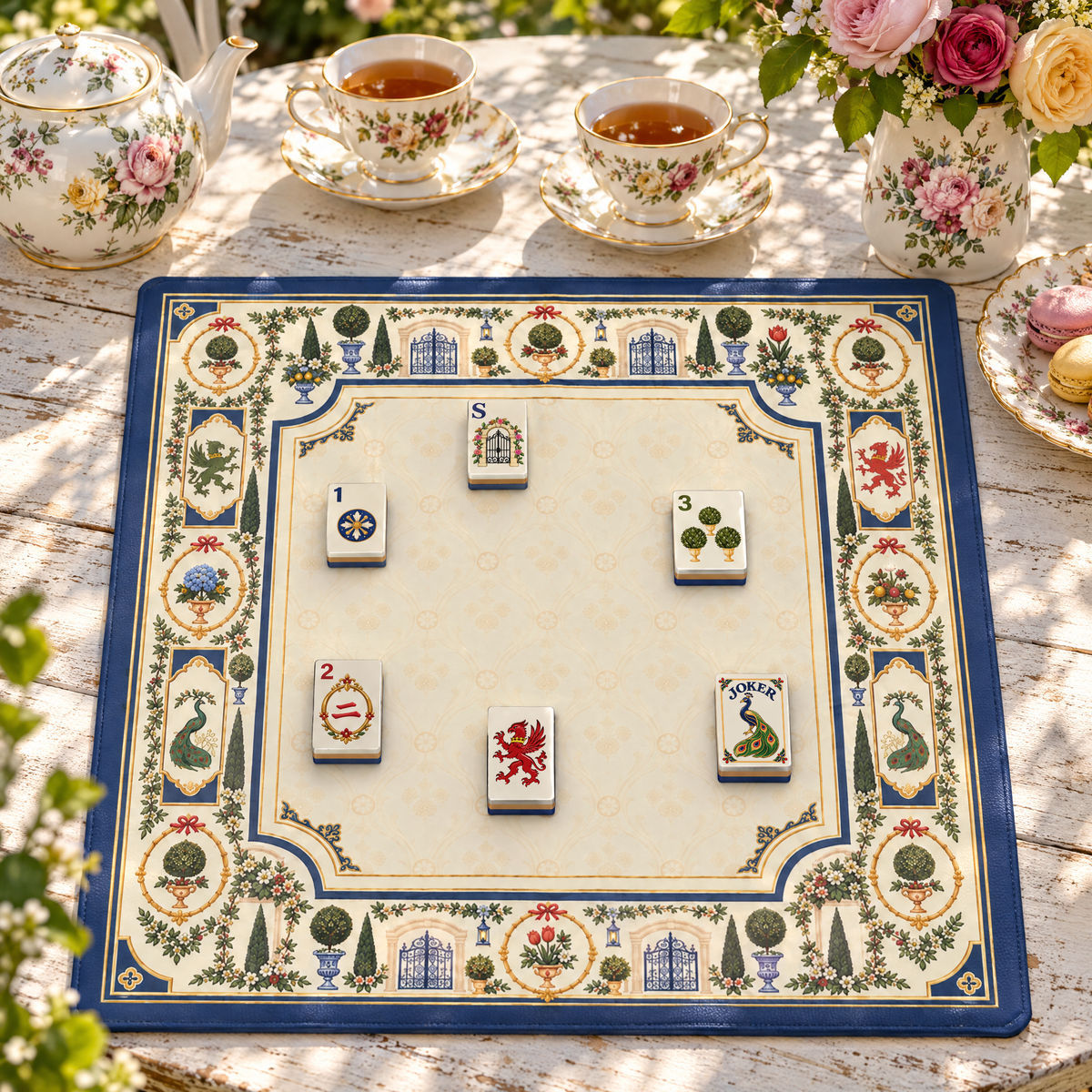
Yes, mahjong is generally harder than euchre for beginners, but for different reasons. Euchre teaches quickly: nine cards, four tricks, rank-based strategy. American mahjong demands you memorize the current year's National Mah Jongg League hand card (containing hundreds of valid winning patterns), understand four tile suits and honor tiles, master the Charleston passing ritual, and track which tiles remain in play. Euchre players typically play confidently within an hour; mahjong players spend weeks before the hand patterns feel natural. However, euchre has deeper strategic nuance once you know the rules, while mahjong is more rule-heavy upfront. Neither is objectively "harder"—they reward different skills. Difficulty depends on your memory style, comfort with simultaneous hidden information, and patience for rule-dense games. We recommend starting with mahjong for beginners resources and a clear hand-reference card beside you during early games. 🀄 Shop best-selling mahjong sets →
What exactly makes mahjong harder to learn than euchre?
Euchre works with a 24-card deck and follows rigid rank hierarchy—the player who plays the highest card wins the trick. Mahjong uses 152 tiles across four suits (Bams, Craks, Dots, Honors), requiring you to recognize not just the tile rank but also its suit context and whether it forms a valid hand combination. In euchre, you bid based on your hand strength and trump suit; in mahjong, you win only by matching one of hundreds of patterns on the current year's hand card. Euchre's rules fit on two pages; mahjong's official rulebook spans dozens. The hand card is the core barrier—beginners must either memorize patterns or keep the card in constant view, slowing gameplay. Most euchre players reach competence in three sessions; mahjong typically takes six to eight weeks of weekly play before the patterns become second nature.

Does euchre require the same memory work as mahjong?
No. Euchre relies on card counting, partner communication through bidding, and trick-taking memory—all learned through pattern recognition during play. You track which cards are gone, predict the opponent's hand, and adjust strategy accordingly. Mahjong also involves tile tracking, but before that, you must memorize what constitutes a winning hand. Euchre hands are fixed by game rules; mahjong hands change yearly and number in the hundreds. A strong euchre player needs sharp tactical memory; a mahjong player needs photographic or reference-reliant pattern recognition plus tactical memory. Think of euchre as learning ten core concepts deeply; mahjong is learning 200 patterns, then adding tactics on top.
🎁 See our most-loved mahjong sets & accessories →
How long before you're genuinely "good" at each game?
Euchre: 10–15 games to play without confusion; 30–50 games to win consistently against experienced players. Most people are "competent" in 4–6 hours of play.
Mahjong: 8–12 weeks of weekly play to feel the hand patterns intuitively; 6–12 months to win regularly and read hands quickly. Initial competence (playing without rule interruptions) takes 12–20 games plus dedicated hand-card study.
Why the gap? Euchre's rules are fixed and logical; mahjong's hand card changes annually and requires external reference. Once you've played twenty euchre hands, you've seen most strategic situations. After twenty mahjong games, you've barely covered half the hand card. That said, mahjong players report the payoff: mastery feels like solving puzzles; euchre mastery feels like math you've internalized.
What skills transfer between euchre and mahjong?
Both games reward tile/card counting, opponent observation, and bankroll discipline. If you're strong at euchre's trick prediction, you'll excel at mahjong's tile tracking. Both punish poor memory and reward pattern recognition. The key difference: euchre strategy is interactive (you bid, partner responds, opponents counter); mahjong is simultaneous and hidden (you build your hand while three others build theirs, and interaction is limited to calling wins and managing the draw). Euchre players often find mahjong's independence frustrating; they're used to partner communication. Mahjong players new to euchre often overestimate how much their hand matters—euchre is 40% luck, 60% partnership and communication, while mahjong is roughly 50/50. If you already play euchre well, you have the discipline to learn mahjong; the actual skills are only 30% overlapping.

Which game fits your personality better?
Trait | Euchre | Mahjong | Winner |
Loves memorizing patterns | Minimal | Extensive | Mahjong |
Prefers partner teamwork | Yes | Limited | Euchre |
Likes simultaneous hidden info | No | Yes | Mahjong |
Enjoys fast decision-making | Yes | Mixed | Euchre |
Drawn to puzzle-solving | Some | High | Mahjong |
Wants fast 30-min games | Yes | No (90 min typical) | Euchre |
Enjoys rule complexity | Low tolerance | High tolerance | Mahjong |
Wants to learn in one evening | Possible | No—allow weeks | Euchre |
If you're a natural at trivia, crosswords, or Sudoku, mahjong will eventually click—the pattern work aligns with your wiring. If you thrive in team sports or partnership games (bridge, contract), euchre rewards that social dynamic faster. If you love solo puzzle games, mahjong rewards deep solo strategic thinking during group play.
✨ Find your Mahstead set — free US shipping →
How to choose between learning mahjong or euchre right now
Start with why you want to play. If you're joining an existing game group (family, synagogue, country club), ask what they play—don't learn both from scratch. If you're choosing fresh, ask yourself three questions:
Do I have weeks to invest in learning? Yes → mahjong. No → euchre.
Do I value partner interaction or independent strategy? Partnership → euchre. Independence → mahjong.
Am I drawn to hand memorization or bidding-based inference? Memorization → mahjong. Inference → euchre.
If you choose mahjong, buy a quality set and hand-reference card before your first game. Beginners play better with a clear, large-print card at the table and a set where tiles are easy to read—avoid cheap plastic sets with tiny tile faces. We see players slow down by 30% when using unclear tiles. Our best-selling sets include clear tile markings and are designed for players in their first month of learning; they ship ready to play with no assembly.
If you choose euchre, you need only a standard 24-card deck (available anywhere) and a scorepad. Euchre has zero equipment requirements beyond that.
The honest difficulty verdict
Mahjong is harder to begin, easier to love once you're in. Euchre is easier to start, harder to master. Beginners often feel overwhelmed by mahjong's hand card; experienced mahjong players report that the pattern work becomes meditative and deeply satisfying. Euchre players enjoy the speed and social flow, but rarely describe the game as a personal challenge after year two.
What to check before you buy:
If you're learning mahjong, confirm your group uses the current year's National Mah Jongg League card (not other variants). Rules differ between American, Chinese, and Hong Kong mahjong—they're incompatible.
Buy a set with clear, large tile markings and at least 8 jokers. Cheap sets with tiny or poorly stamped tiles frustrate learners.
Print or laminate a hand-reference card for each player—games flow 50% faster when reference is at the table, not across the room.
For euchre, verify whether your group uses the standard no-trump variant or house rules—ask in advance.

FAQ
Can someone switch from euchre to mahjong easily?
Yes, if they accept a 4–8 week learning period. Euchre players have disciplined memory and counting skills, which transfer directly. The hand-pattern memorization is new, but the cognitive work is familiar. Most euchre players master mahjong within two to three months of weekly play.
Is mahjong's hand card the only thing that makes it harder?
No—it's the biggest hurdle, but mahjong also has more tile combinations to track, no fixed rule (the card changes annually), and slower game pace. Euchre is streamlined by design; mahjong rewards patience and observation over speed.
Do I need to memorize the entire mahjong hand card before I start?
No. Keep the card at the table during every game. After 10–15 games, most patterns become intuitive. Full memorization isn't required; reference-competence works fine for casual play.
Which game is better for building strategic thinking?
Both, differently. Euchre rewards inference, bidding psychology, and partner communication. Mahjong rewards tile prediction, risk assessment, and pattern completion under pressure. Neither is "better"—they exercise different strategic muscles.
If I learn mahjong, will euchre feel too simple?
Often yes—euchre may feel linear or fast once you know mahjong. But euchre's partnership layer adds social complexity mahjong lacks. Many players enjoy both precisely because they're so different.
What's the cost difference between starting euchre vs. mahjong?
Euchre: $0–$10 (deck only). Mahjong: A quality set and mat run more, but a starter best-selling mahjong set comes ready to play with clear tiles and free US shipping. Budget $100–$250 total if you want a set you'll enjoy for years. If you're joining an existing group, they usually provide equipment your first few times.


View More
View More
View More
