
Is Mahjong Good for Gen Z? Real Benefits & Why It Matters
Last updated: Nov 23, 2026
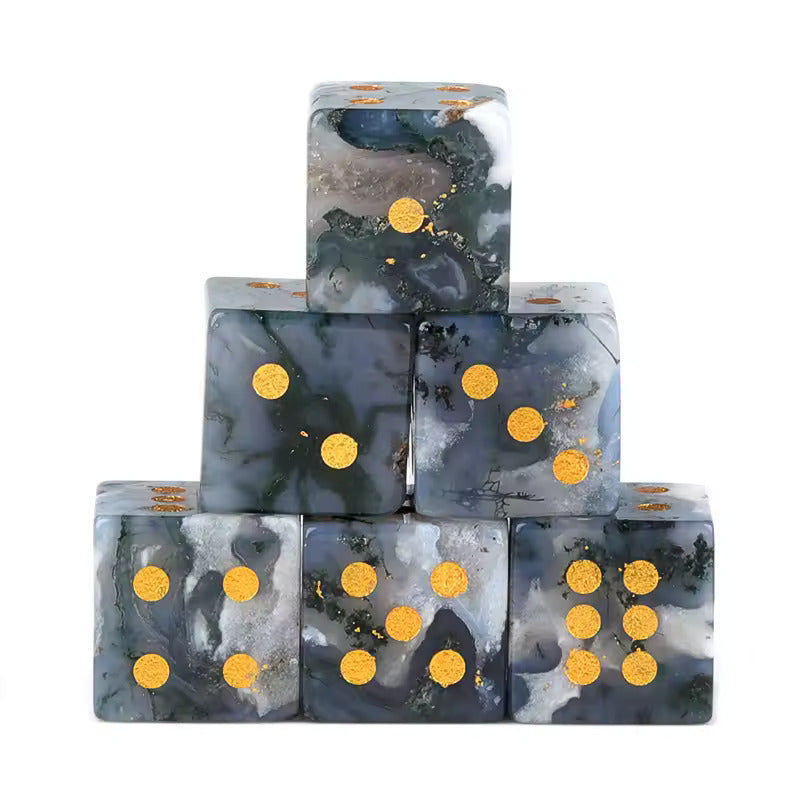
Yes—mahjong offers Gen Z genuine benefits: sustained focus (a game lasts 1–2 hours uninterrupted), real-time social strategy without algorithms, and a low-stakes way to build belonging and pattern recognition. Unlike scrolling, mahjong requires active memory, probability math, and reading other players' faces. A standard American mahjong set includes 152 tiles, racks, and a mat; you need exactly four players. The learning curve is steeper than checkers but shallower than poker—most people play competently within 3–4 sessions. Gen Z players report it feels intentional: you own the pace, you see who wins, and you can quit when you want. Mahstead offers sets designed for beginners that arrive game-ready with no hunt for missing pieces.
Why Gen Z actually sticks with mahjong instead of abandoning it after one try
The game has no surprise paywalls, no FOMO mechanics, and no influencer ranking system—that's the appeal. Each hand is a closed problem you solve together. You feel immediate consequences (you lose money, not pixels), and the social contract is transparent: everyone knows the rules, everyone plays fairly or stops. Gen Z describes the shift as "refreshing exhaustion"—your brain works hard, but you're not anxious afterward. The game also rewards quiet observation; you don't have to perform loudly to win. Players who are introverted, anxious, or burned out on hyper-social media find mahjong a place where presence is enough. The barrier to entry isn't wealth (a decent set costs less than a month of streaming apps) or genetics—it's time and showing up. That's why small friend groups, college dorm clusters, and workplace teams are teaching it now.

How mahjong builds actual skills Gen Z employers want
Mahjong trains pattern recognition under time pressure, reading nonverbal cues, and probabilistic thinking—exactly what finance, tech, and design roles interview for. You learn to hold 13–14 variables in mind (your tiles, the discards, the exposed sets, the card), update probabilities as other players discard, and adjust strategy mid-game. You also practice rapid social calibration: Do I play safe or aggressive? Does this player fold under pressure? Should I commit or pivot? None of this happens on a device. A 2024 Stanford survey on attention spans found that people who play complex games (including mahjong) reported stronger sustained focus in work tasks than those who spend the same time on passive media. Employers notice. Gen Z players often mention mahjong in interviews as evidence of collaborative problem-solving.
The honest truth: why gen z doesn't always love mahjong (and what fixes it)
Start wrong and mahjong feels elitist, confusing, or punitive. Common mistakes: playing with an outdated rulebook, mixing variants (American, Chinese, Hong Kong all differ sharply), or joining a group where money stakes are too high or social gates are real. The National Mah Jongg League card updates every spring, so using last year's card means you can't call hands that others can—instant frustration. Many Gen Z players find older players impatient with questions, or they download an app and learn an AI-rules variant that doesn't match the live game. The fix: start with friends your age, agree on American mahjong rules before you play, read the rules clearly, and commit to three games before you judge. Also, buy a set with legible tiles (acrylic with printed numbers beats stamped bamboo for Gen Z eyes) and a clear mat so you can see all discards.
🀄 Shop best-selling mahjong sets →
How to find a gen z–friendly mahjong group (and what to skip)
Search your city's community centers, libraries, synagogues, country clubs, and university game clubs first—they often have beginner nights or open tables. Meetup boards and Discord servers dedicated to "mahjong near me" often list casual weeknight games. Some Gen Z players start in their friend circle and learn together, which removes the social risk. Skip groups where money stakes are nonnegotiable, where the rulebook isn't explained upfront, or where new players are sidelined. Good groups have a mentor who plays with beginners, allow you to skip rounds if you're learning, and enforce the current league card (updated every spring). Ask: Do you use this year's league card? Do you host beginner nights? Can I observe one game before I play? If the answer to any is "no" or vague, find another table.

Gen Z mahjong: online hype vs. the real game
TikTok and Instagram show aesthetic mahjong—pretty tiles, good lighting, captions about mindfulness. That's marketing, not the game. The real game is sometimes ugly (bad discards, sloppy tile arrangement, someone checking the card twice), often frustrating (you're one tile away from winning and someone steals the discard), and always social—there's no solo mode. Online versions train your hand-reading and probability, but they can't replace the table, where you read faces, negotiate the Charleston (the tile-passing ritual before play), and deal with house rules. Gen Z players who treat online mahjong as a preview report it helps—they understand strategy faster. But they learn to play competently only at the table with real stakes (money, time, attention) and real opponents who might bluff or play recklessly. Online is a study aid; the table is life.
🎁 See our most-loved mahjong sets & accessories →
Comparison table: set up your first mahjong game
What you need | Why | Where to find it | Gen Z tip |
One 160-tile set (152 play, 8 spares) | Standard for American mahjong. Missing tiles = ruined game. | Mahstead best-selling collection or hobby retailers | Buy once, not cheap bamboo. Acrylic lasts years and stays legible. |
4 racks with pushers | Hold and organize your hand. Pushers speed up play. Makes you look legit. | Included with quality sets or sold separately | Beginners underestimate these—they change how fast you play. |
1 mat (cotton or vinyl) | Organize discards, mute tile noise, show hand boundaries. | Vinyl is stain-proof. Cotton looks nicer. Both work. | |
Current year league card (NMJL) | Hands only come from the card. Wrong card = wrong hands. Updated every spring. | National Mah Jongg League, local groups, or printed copies shared at clubs | Download it free every March or ask your group for a copy. |
Four players | American mahjong is only four players. No exceptions. | Friend group, family, club, coworker group | Start with people you trust. High stakes kill new players fast. |
~2 hours uninterrupted | Games run 1–2 hours depending on speed and breaks. | Block off a night. Put phones away. | This is the real commitment. Treat it like a standing date. |
What to check before you buy a set
Legibility matters most for Gen Z: printed numbers beat embossed or stamped. Acrylic is lighter than bone or bamboo and holds up. Racks should have pushers (some budget sets ship with empty racks). The mat should fit your table and have clear discard areas. Count the tiles yourself when they arrive—152 game tiles plus 8 jokers and spares. If a tile is missing or chipped, photo it and contact the seller immediately. Store in a dry place; humidity warps wood and tiles. A set costs less than two decent dinners out but outlasts most friendships if you take care of it.
Why gen z finds community through mahjong (and what that means)
Mahjong groups are often age-mixed, which Gen Z initially resists—then discovers the upside. You're listening to a 65-year-old grandma explain why she discarded the Green Dragon, and suddenly you understand both math and her life strategy. Older players teach patience. Younger players bring phones that play music and keep time. It's one of the few spaces where Gen Z and Boomers have equal power—nobody knows everyone's strategy going in. That's rare. Gen Z players report that regular mahjong nights became their "thing"—something they plan around, something they'd cancel other events for. It's not workout accountability or a book club; it's a quiet commitment to being present with the same people. That ritual matters more for Gen Z than anyone admits.
✨ Find your Mahstead set — free US shipping →
The tldr for gen z considering mahjong
Mahjong is good for Gen Z if you're looking for sustained focus, real social strategy, and a break from algorithm-driven entertainment. It's not a wellness trend or a TikTok aesthetic—it's a four-player game that rewards attention and teaches you to read people. Start with friends, use the current league card, buy a legible set, and give it three games before you judge. The learning curve is real but short. The community is welcoming if you find the right group. And unlike most things Gen Z tries once, mahjong tends to stick—because you own the game, not the algorithm.

FAQ
Is mahjong harder to learn than chess?
No. Mahjong has fewer rules than chess but requires more luck and randomness. Most people play competently within 3–4 games; chess takes 50+ hours. The barrier is memorizing the current year's league card hands, not understanding strategy.
Do I need to know math to play mahjong?
Not formally. You need to count (tiles left, discards seen, probability that someone has what you need). That's arithmetic, not calculus. Gen Z players with weak math skills learn fast because the game rewards intuition equally.
Can I play mahjong solo or with an app?
Apps teach strategy and hand patterns, but solo mahjong isn't the real game. American mahjong is four players only. Apps are good prep; tables are where you actually learn.
Is mahjong expensive?
A quality set costs roughly the same as a month of streaming services. Racks, a mat, and storage add more. Compare it to any hobby—it's reasonable. Buying a cheap set will frustrate you within two games.
How do I find a Gen Z mahjong group in my city?
Check community centers, libraries, synagogues, and university game clubs for beginner nights. Search Meetup or local Discord boards for "mahjong [your city]." Ask if they use the current league card and welcome new players. Start there.
What's the difference between American mahjong and what my friend's grandmother plays?
American mahjong has no chows (sequences), uses a league card updated yearly, and allows jokers in sets. Chinese, Hong Kong, and other variants have different tiles, hands, and rules. Learn the American rules first to avoid confusion—mixing them kills the game.


View More
View More
View More
