
How to Tell if Mahjong Tiles Are Catalin (vs. Bakelite)
Last updated: Nov 23, 2026
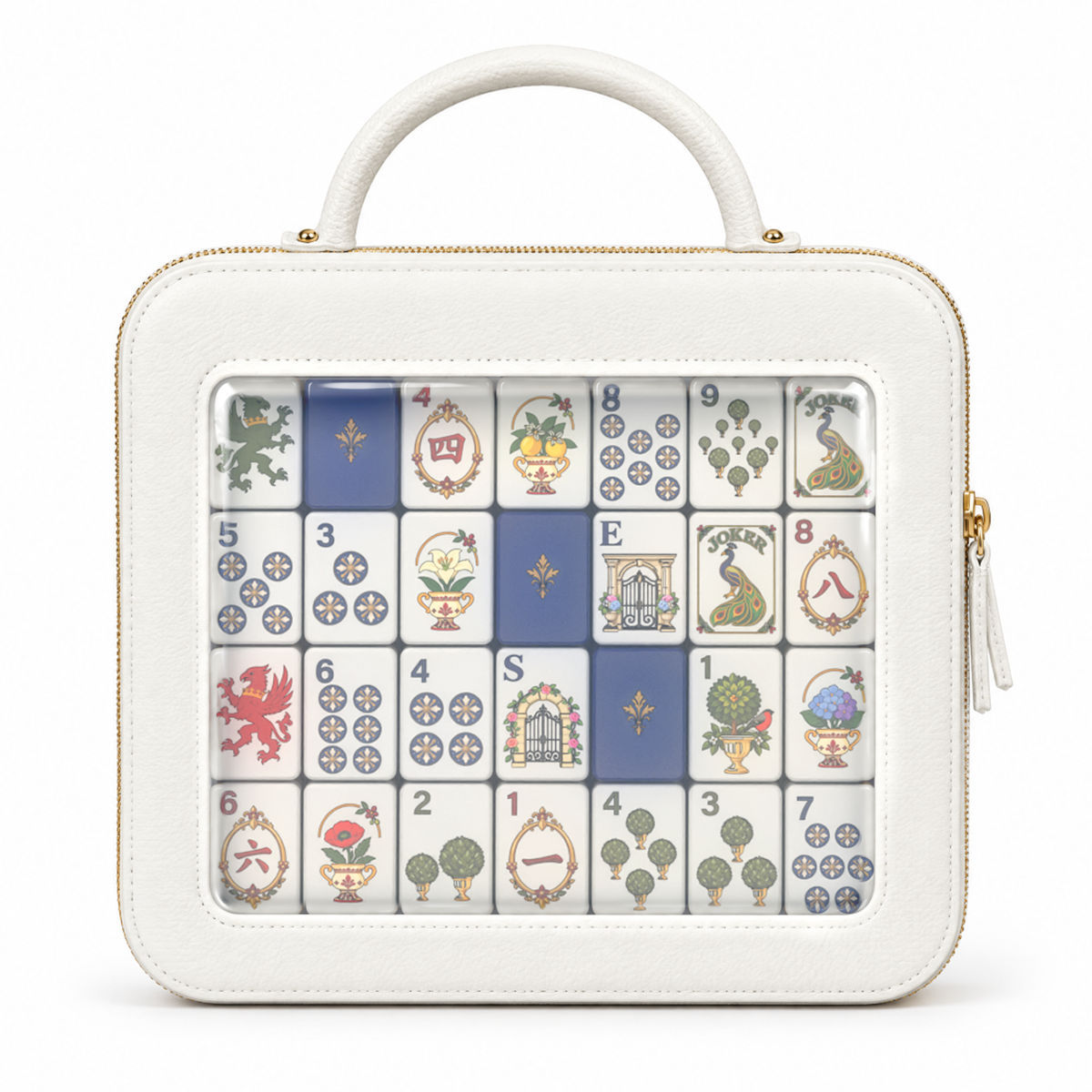
Catalin tiles are thermosetting plastic, denser and slightly heavier than bakelite, with a harder finish and warm translucent glow. Bakelite, the older material, feels lighter, brittles more easily, and yellows unevenly. To identify catalin: hold tiles under strong light—catalin glows amber or honey-toned and feels heavier; press your fingernail—catalin resists scratching better than bakelite's waxy surface. Smell the tiles when warmed; bakelite releases a faint formaldehyde odor. Catalin tiles often show even patina with less crazing (fine cracks); bakelite cracks in webs. Age matters: pre-1950s tiles are likely bakelite; 1950s–1970s often catalin. Check seams where numbers are inlaid—catalin seams are flush and tight, bakelite's are loose. For new play, acrylic sets from Mahstead's best-selling collection eliminate these wear questions and ship free across the US.
What exactly is catalin vs. bakelite?
Catalin and bakelite are both thermoset plastics, but catalin came later and was the premium choice. Bakelite (invented 1907) was cheaper and cruder; catalin (1930s onward) was denser, clearer, and cast in vibrant colors. Collectors prize catalin for its clarity and depth. Bakelite yellows and clouds over decades. Both are now vintage—new tiles are acrylic, which eliminates the guesswork.

How do you test tiles by weight and feel?
Pick up a tile from the set. Catalin tiles feel noticeably heavier in hand—the plastic is denser. Bakelite tiles feel lighter, almost hollow by comparison. Rub your thumb across the surface: catalin is smooth and hard, slightly glossy. Bakelite feels waxy, softer, and can be marked by a fingernail or ballpoint pen (don't press hard). If the tile surface yields slightly under pressure and feels slick, it's likely bakelite. Catalin resists indentation.
What does the smell test reveal?
Warm a tile under a desk lamp or hold it briefly under warm running water, then smell it immediately. Bakelite releases a distinctive faint formaldehyde odor—chemically sharp and slightly acrid. Catalin has little or no smell. If you detect the chemical odor, you're likely holding bakelite. This test works best on tiles that have been stored in sealed bags or boxes for years. Be honest: the smell is subtle and not always conclusive alone, so combine it with visual checks.
How do you spot patina and crazing patterns?
Look closely at the tile surface under strong light. Bakelite develops a web of fine cracks called crazing—random, spreading like river deltas across the glaze. The cracks often form deeper networks at edges and corners. Catalin, even aged, shows even patina: a soft clouding or slight yellowing, but without the crazing pattern. Bakelite tiles often show uneven color blotching where the dye didn't distribute evenly during casting; catalin color is more uniform. Flip the tile over: bakelite backing often looks duller, more porous, and may have white bloom (oxidized powder) in corners. Catalin backing is cleaner and more uniform in tone.
What do the tile seams tell you?
Examine where the inlaid numbers (painted or stamped) meet the tile surface. On catalin tiles, the seams are tight, flush, and clean—the inlay sits precisely in the cast groove. On bakelite tiles, seams are often loose, raised, or gapped; the number layer sits slightly proud of the surface or sunken unevenly. Run your fingernail across the seam: if it catches and feels rough, bakelite is likely. Catalin seams feel smooth and integrated. This test requires good light and a side-by-side comparison, but it's one of the most reliable field tests.
Test | Catalin | Bakelite | What to look for |
Weight | Heavy, dense feel | Lighter, hollow-ish | Catalin noticeably heavier in a full hand |
Surface texture | Hard, smooth, glossy | Waxy, soft, yields to nail | Press gently; catalin resists indentation |
Smell (warmed) | None or very faint | Faint formaldehyde odor | Chemical sharpness = bakelite |
Crazing | Absent or minimal | Web of fine random cracks | Branching cracks = bakelite aging |
Color patina | Even yellowing/clouding | Uneven blotchy color | Uniform tone = catalin |
Seam finish | Tight, flush, smooth | Loose, raised, or gapped | Run nail across; smooth = catalin |
Backing | Clean, uniform tone | Dull, porous, white bloom | Oxidized powder in corners = bakelite |
Age estimate | 1950s–1970s typical | Pre-1950s typical | Older sets more likely bakelite |

Why does it matter which plastic your tiles are?
Collectors care because catalin is rarer and commands higher prices at auction—it resists wear better, looks richer over time, and is no longer manufactured. Players care less, but bakelite tiles crack and chip during normal play; catalin lasts longer. Both are fragile compared to modern acrylic. If you host weekly games and want tiles that survive decades of shuffling, stacking, and travel, acrylic is the practical choice. Mahstead's engraved tile sets are cast acrylic—durable, colorfast, and easy to customize with names or dates.
🀄 Shop best-selling mahjong sets →
What age should your vintage tiles be?
Tiles marked with a maker's mark or patent date help narrow age. Bakelite was the standard until the late 1940s; by the 1950s, catalin began replacing it in premium sets. Tiles from 1950–1975 are most likely catalin; anything earlier is almost certainly bakelite. If a set is undated, the color and condition offer clues: true primary colors (bright red, deep green, vivid yellow) suggest catalin; muddy, faded, or unevenly toned tiles are bakelite aging. Celluloid tiles (even older, pre-bakelite) are thin, flexible, and prone to yellowing and shrinkage—check if the tile flexes slightly or feels papery.
What should you check before buying vintage tiles?
Before purchasing a supposedly catalin set, run every test above in person or ask the seller for close photos under bright light. Request photos of worn areas, the tile back, a seam detail, and ideally a weight comparison next to a coin. Ask about storage history—tiles stored in damp basements develop more crazing and mold. Check if any tiles are chipped, warped, or mismatched (a sign of repairs with inferior replacements). Open the box: does it smell musty or chemical? Count the tiles—a full American set has 152 tiles plus 8 jokers (160 total). Missing tiles make play impossible without substitutes. If the seller can't verify material or condition, walk away; fakes and misrepresented bakelite sold as catalin are common in online marketplaces.
🎁 See our most-loved mahjong sets & accessories →
Is new acrylic better than vintage plastic?
Yes, if you play regularly. Acrylic tiles won't crack, yellow, or craze—they're dishwasher-safe and survive years of rapid shuffling. They're lightweight for travel (vintage plastics are heavy). The trade-off: acrylic lacks the warmth and prestige of catalin; collectors see acrylic as disposable. But acrylic never needs restoration, the engraved designs stay crisp, and they come with matching racks, mats, and cases. If you're building a set for weekly games, not a museum display, acrylic from Mahstead's collection solves the durability problem forever—you'll invest in one set, not chase repairs.
What to check before you buy
Material claim: Ask the seller to confirm "catalin" or "bakelite" and describe testing methods they used.
Weight: Request comparison photo against a penny or ruler for scale.
Seams and edges: Close-up photos under bright light (phone flashlight) show crazing and finish quality.
Tile count: Confirm 160 tiles (152 playing + 8 jokers) or the set is incomplete.
Odor: If buying in person, warm a tile and smell—no formaldehyde odor favors catalin.
Storage history: Ask how long the tiles were stored and where—basements and attics damage plastic.
Chips or repairs: Inspect all four sides of sample tiles; if any are replaced, the set is compromised.
✨ Find your Mahstead set — free US shipping →
#

FAQ
Can you tell catalin from bakelite just by looking?
Yes, mostly. Catalin glows warm and clear under light; bakelite looks cloudy and yellowed. Bakelite crazes (fine cracks) visibly; catalin stays smooth. But light can deceive. Always combine visual inspection with weight, smell, and seam tests for certainty.
Do all old mahjong tiles feel heavy?
Both catalin and bakelite are heavier than acrylic, but catalin is noticeably denser. If tiles feel very light and flexible, they're acrylic or celluloid. Catalin feels solid and substantial in a full hand.
What does bakelite smell like when warm?
A faint chemical or formaldehyde odor—sharp, almost medicinal. It's subtle and can fade if tiles were aired out over years. Catalin has no smell or a very faint plastic scent. Don't rely on smell alone.
Are crazes on old tiles a reason not to buy them?
Minor crazing is cosmetic and normal aging; it doesn't affect play unless cracks are deep enough to trap dust. Severe web-like crazing across many tiles suggests the set is bakelite nearing end-of-life—tiles may chip during shuffling. Inspect closely before committing.
Where can I sell vintage catalin tiles?
Collectors and vintage dealers (online auction sites, antique malls, specialized vintage plastic forums). Price depends on rarity, color, condition, and whether the set is complete. Catalin fetches more than bakelite, but condition is everything—chips and crazing cut value in half.
If I just want to play, should I buy vintage or new acrylic?
New acrylic. Vintage tiles, whatever the plastic, require careful handling and storage. Acrylic from Mahstead is durable, affordable, fully playable, and comes with coordinated racks and mats—one investment, zero maintenance.


View More
View More
View More
