
How to Tell if Mahjong Tiles Are Acrylic: A Player's Guide
Last updated: Nov 23, 2026
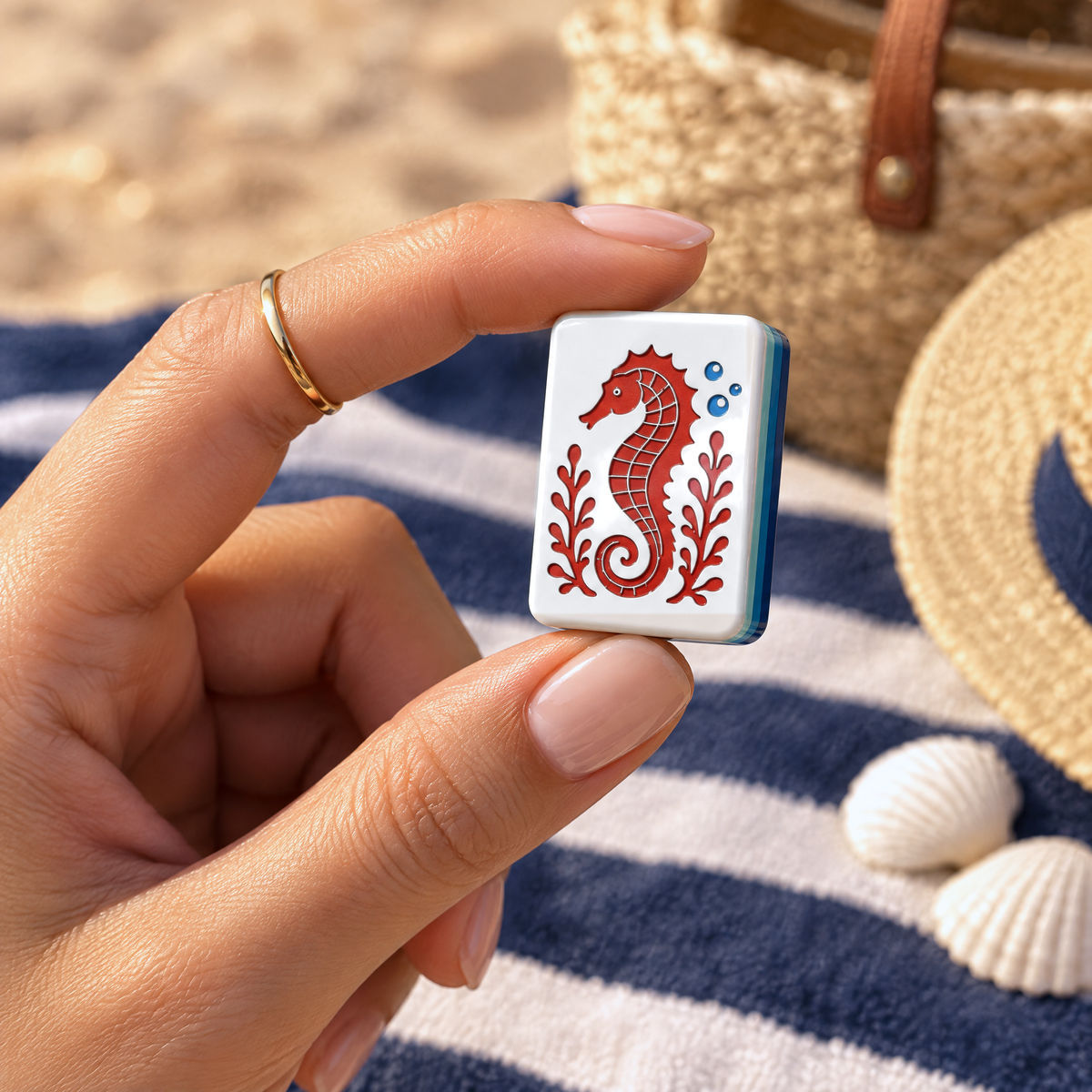
Acrylic tiles weigh roughly half what bone or bamboo tiles do—a full 160-tile set feels noticeably lighter in your hands. Strike two tiles together: acrylic produces a sharp, hollow click, while bone makes a dull thud and bamboo sounds muted. Hold a tile to light; acrylic shows translucent depth and uniform color, whereas bone reveals natural grain variation and bamboo shows fiber texture. Check the face: acrylic printing is flat and flush with the tile surface, while engraved bone or bamboo has recessed characters you can feel. Examine the edges—acrylic edges are smooth and uniform; bone and bamboo chip and wear visibly. Mahstead's engraved American mahjong sets use injection-molded acrylic, which means every tile is identical, consistent year to year, and built to last through hundreds of games.
🀄 Shop best-selling mahjong sets →
Why does acrylic sound different from bone or bamboo?
Acrylic is a hollow thermoset plastic with air pockets inside. When two acrylic tiles collide, they vibrate at a frequency that produces a sharp, almost crystalline click. Bone and bamboo are dense, solid materials; their vibrations are absorbed quickly, creating a softer, deadened sound. After a few weeks of weekly games, you'll recognize your set's signature sound without looking—acrylic players learn to trust that crisp feedback as confirmation tiles are landing cleanly.

How can you feel the difference in weight?
Hold an acrylic tile in one hand and a bone or bamboo tile in the other if you can compare them side by side. Acrylic tiles weigh around 8–9 grams each; bone or bamboo tiles weigh 15–18 grams. Pick up a full acrylic set—you can carry it one-handed comfortably. A bone set of the same size requires both hands or a sturdy bag. Weight matters for travel: if you host games at different locations each week, acrylic's lightness is a genuine convenience, and lighter sets also cause less strain during long games.
What do acrylic tiles look like under light?
Acrylic is a thermoplastic that transmits light; hold a tile to a lamp and you'll see a subtle glow through the material, especially at the edges. The color is uniform—no veins, no grain, no natural variation. Bone and bamboo are opaque; light stops at the surface, and bone shows irregular lines and natural discoloration. Acrylic's uniformity makes it easier to read numbers and symbols during play, and it photographs well if you share game photos online. One downside: acrylic's translucence can look plastic-y to players accustomed to bone's warm, earthy appearance—but that's aesthetic preference, not a durability issue.
How do you spot printing versus engraving?
Run your fingernail across a tile face. Acrylic tiles have printing applied to the surface—the design is flat, smooth, and slightly glossy. You cannot feel a ridge or depression. Bone and bamboo often use engraving, a process that cuts into the material; the characters sit in a recess you can feel with your fingernail. Engraved tiles look richer and show age differently—engravings can accumulate dirt but never fade. Acrylic printing is durable and resistant to fading, but if you do heavy wear or expose tiles to sunlight for years, the printed image can dull. For weekly indoor play, printed acrylic lasts indefinitely without visible degradation.
What edge quality reveals about tile material?
Examine the narrow sides of the tiles. Acrylic edges are smooth, uniform, and often slightly beveled—the manufacturing process creates consistent geometry. Bone and bamboo edges show natural irregularity; they chip easily and develop soft, worn borders after hundreds of shuffles. Run your thumbnail along an acrylic edge; it's smooth and safe. Do the same on bamboo and you might feel splintering. This edge durability is why acrylic sets maintain their appearance year after year, while bone and bamboo sets develop a worn, antique look—which some players love and others find frustrating.
Material | Weight (full set) | Sound | Feel | Longevity | Best for |
Acrylic | Light (~1.3 lbs) | Sharp click | Smooth, uniform | 10+ years | Weekly players, travel, consistent look |
Bone | Heavy (~2.5 lbs) | Dull thud | Warm, natural grain | 15+ years (ages well) | Collectors, aesthetics, heirloom feel |
Bamboo | Medium (~1.8 lbs) | Muted | Natural fiber texture | 5–8 years (wears visibly) | Budget-conscious, temporary use |

How to verify acrylic before you buy
Check the product description. Reputable sellers state the material clearly. If it says "acrylic," "injection-molded," or "plastic," it's acrylic. If it says "bone and bamboo" without qualification, it's not acrylic. Mahstead's best-selling mahjong sets are labeled by material and material source.
Ask for photos of the tiles close-up. A seller should provide images of individual tiles, edges, and printing. If photos are blurry or missing, that's a red flag.
Request a sample tile if possible. Some sellers offer a single tile for inspection before you commit to a full set. This is the gold standard—no guessing required.
Check return or exchange policy. If the set arrives and doesn't match the description, you should be able to return it. Mahstead ships every set with free US shipping, and all sets arrive in protective packaging designed to prevent tile damage during transit.
Trust your senses on arrival. When your set arrives, do the click test, weight test, and edge check before you play. If something feels wrong, contact the seller within their return window.
Why acrylic dominates among weekly players
We play every Thursday night, and over ten years we've owned both acrylic and bone sets. Acrylic wins on consistency: no two bone tiles are truly identical, and bamboo tiles warp in humidity. Acrylic tiles are identical—the 1 Bam in 2026 looks and feels exactly like the 1 Bam from five years ago. This matters if you keep the same set for decades. It also matters competitively; some tournaments specify acrylic-only to ensure no one has a slight advantage from worn tiles or natural variation. And acrylic doesn't absorb hand oils or require special storage—bone and bamboo can yellow, crack, or develop odors if not kept dry.
🎁 See our most-loved mahjong sets & accessories →
What to check before you buy
Before placing an order, confirm these details:
Material is labeled "acrylic." Do not assume; read the product title and description.
Set size is 160 tiles. American mahjong always uses exactly 152 playing tiles plus 8 jokers. A 160-tile set includes spares for loss or breakage—never add spares to active play.
Shipping and returns are stated. You should know the cost (or confirm it's free) and whether you can return within a reasonable window.
Packaging protects tiles during shipping. Ask if tiles are boxed individually or bagged. Individual boxing costs more but prevents chipping.
Face design is readable. Numbers, suits (Bam, Crak, Dot), and wind/dragon symbols should be clear and large enough for your eyesight.
✨ Find your Mahstead set — free US shipping →
Acrylic vs. alternatives: a honest comparison
Why not bone? Bone is beautiful and holds its value—players often collect bone sets. But bone is heavy, fragile, and inconsistent tile-to-tile. It's best for display or occasional play, not weekly games.
Why not bamboo? Bamboo is affordable and lightweight. But bamboo warps in humidity and wears noticeably after a year of regular play. If you play casually or outdoors in dry climate, bamboo works; for serious weekly play, it's a false economy.
Why acrylic? Acrylic is durable, consistent, lightweight, and affordable. It's the standard for American mahjong clubs, tournaments, and rental sets. If you're building a set for regular play, acrylic is the logical choice.
For a set you'll use weekly for years, choose acrylic and verify the material before checkout. You'll play hundreds of games on tiles that feel and sound identical every time.

FAQ
Can you always tell acrylic by the price alone?
No. Some acrylic sets are expensive because of design, engraving, or packaging; some bone sets are cheap because of quality issues. Material alone doesn't determine price—always confirm material in the product description.
Do acrylic tiles ever crack or break?
Acrylic is more brittle than bone, so a tile dropped on hard floor can crack. But acrylic is also easier to replace; you can source replacement tiles individually. Bone tiles, once broken, are nearly impossible to match and replace.
How long do acrylic tiles last if played weekly?
With normal care, acrylic tiles last 10+ years of weekly play without visible degradation. The printing may dull slightly after 20+ years of heavy outdoor sun, but indoor play preserves acrylic indefinitely.
Are acrylic tiles machine-washable?
You can wipe acrylic tiles clean with a damp cloth, but do not submerge or machine-wash. Bone and bamboo should never be washed at all. Let acrylic air-dry fully before storing.
Does "injection-molded acrylic" mean something different than plain "acrylic"?
Yes. Injection-molded acrylic is made by forcing melted plastic into a mold under pressure, creating uniform density and geometry. It's more consistent and durable than acrylic cast from sheets. Mahstead uses injection-molded acrylic exclusively.
If I buy a Mahstead set, can I exchange individual broken tiles?
Contact Mahstead directly with photos of the damage. Tile replacement availability depends on the specific design and whether spares are in stock. The initial set includes spare tiles; use those first.


View More
View More
View More
