
How to Store a Mahjong Travel Bag: Protection & Organization Tips
Last updated: Nov 23, 2026
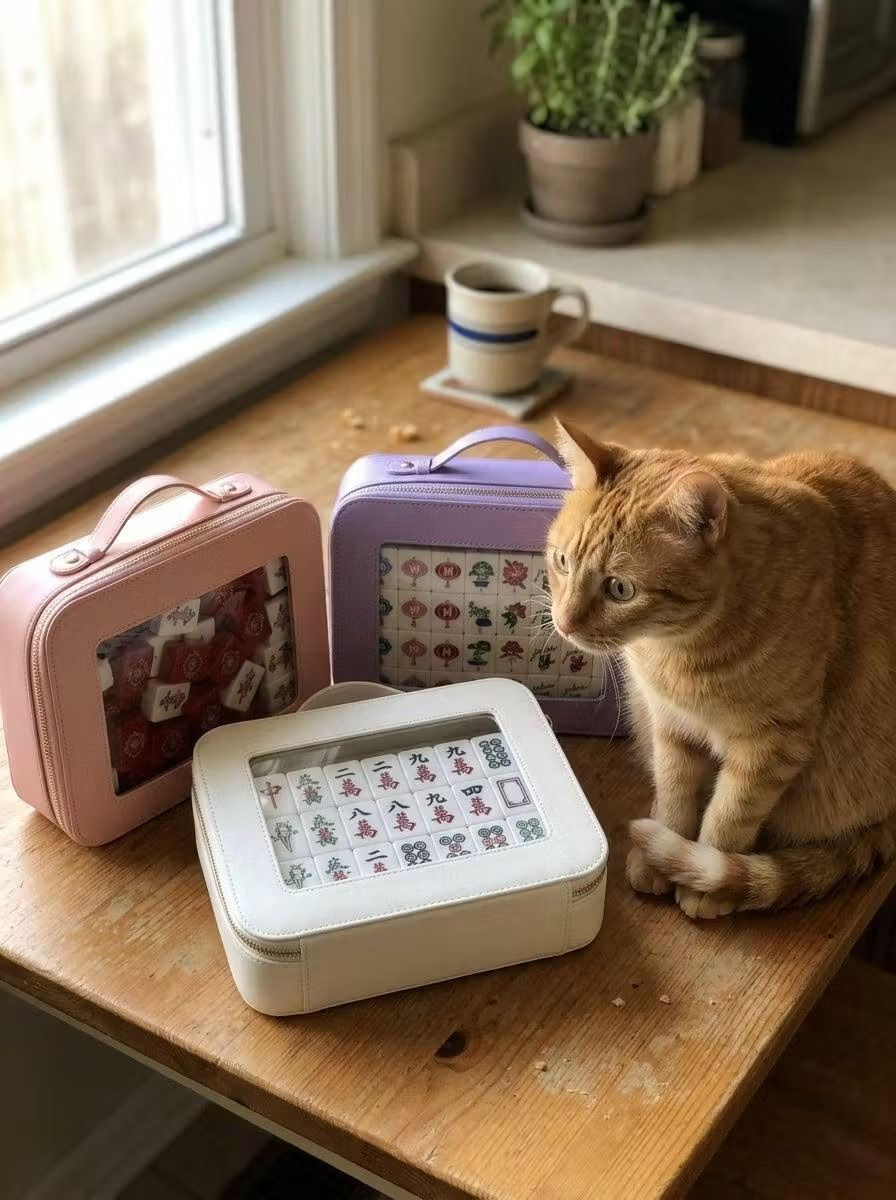
A mahjong travel bag is a padded case designed to hold a full 160-tile American mahjong set, mats, racks, dice, and pusher sticks in one portable unit. Store it in a cool, dry place away from direct sunlight, high heat, and humidity—a closet shelf, bedroom cabinet, or vehicle storage compartment works well. Most players keep bags at home between weekly games, but some travel with sets to tournaments or friends' houses. The bag's interior is typically divided into compartments: tiles go in the main padded section, mats roll separately, and racks nest in dedicated slots. Avoid leaving bags in cars overnight, attics, or basements where temperature swings and moisture can warp tiles and weaken zippers. Check the bag's lining quarterly for dust or signs of mold, and wipe down acrylic tiles if they've absorbed humidity. Mahstead travel bags are designed with reinforced stitching and water-resistant exteriors to withstand weekly transport, but they last longest when stored upright on a flat surface rather than crushed under heavier items.
Where should I store my mahjong travel bag at home?
The best storage location is a climate-controlled closet, hallway cabinet, or bedroom shelf—anywhere cool, dry, and out of direct sunlight. Avoid basements (moisture traps), attics (heat and cold swings), garages (humidity and dust), and windowsills (UV fading). If you don't have a dedicated closet, a under-bed storage container works for short-term gaps, though pulling and repacking the bag weekly wears seams faster. Keep the bag upright or laid flat on a stable shelf; never stack heavy items on top. Check your storage spot's temperature: anything above 80°F or below 50°F regularly can degrade acrylic tiles and loosen tile rivets over months of cycling.
How do I organize tiles and accessories inside the bag?
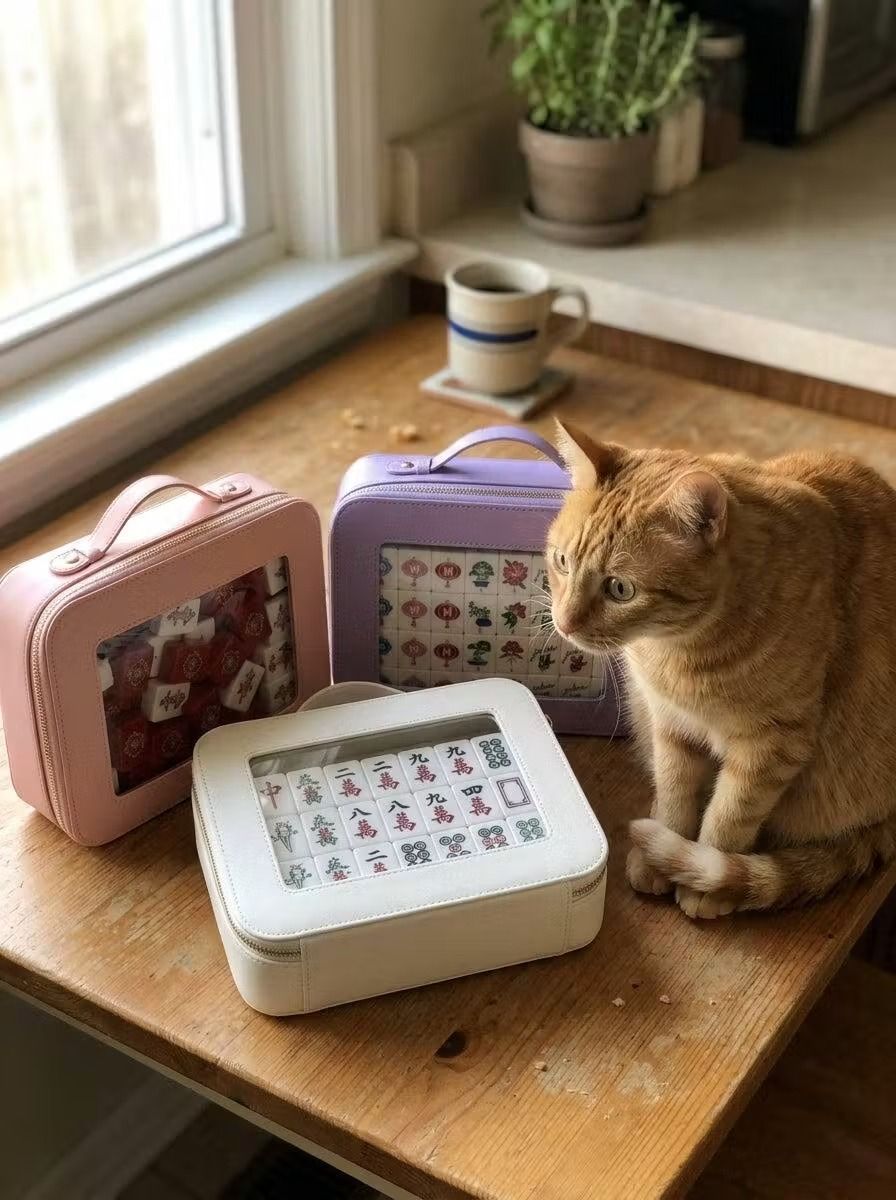
Most travel bags arrive with pre-fitted compartments: tiles nest in the padded main pocket, mats roll into side slots, racks and pushers sit in elastic holders, and dice occupy small pockets. After every game, organize as you pack: sort tiles by suit and number into the tile tray so they don't tumble loose, roll mats snugly (don't fold), and stand racks vertically in their slots to prevent bent frames. Keep the joker tiles (which players often lose) in a dedicated small pouch or the bag's zippered pocket. Label any shared accessories (mats, racks) with initials or tape so they don't get mixed up with other players' gear. Don't overstuff: a packed bag with tiles spilling from seams puts stress on zippers and compartment walls, risking splits during transport.
✨ Find your Mahstead set — free US shipping →
What damage happens from poor storage, and how do I prevent it?
Acrylic tiles crack or become brittle in extreme heat (above 85°F sustained) or humidity above 60%. Wooden racks warp or split if exposed to temperature swings or damp air. Zippers jam or separate when the bag is overstuffed or dragged across rough surfaces. Mats mildew if packed damp or stored in humid darkness for weeks. To prevent: always air-dry the mat after play before rolling it into the bag; wipe tiles with a soft, dry cloth if they feel sticky from humidity; never leave the bag in a hot car or near heating vents; and store with a small packet of silica gel or a rechargeable desiccant pad inside the main tile compartment if your climate is very humid. Check the bag monthly—peek inside, sniff for mustiness, and inspect the zippers for stuck threads or corrosion.
Should I store my travel bag with the mat rolled inside?
Mats should be stored separately or only briefly packed if you're transporting to a game that day. Acrylic or nylon mats trapped in a bag's dark, warm interior for weeks can develop mildew on the underside, especially if they retained any moisture from the previous session. Roll the mat loosely around a cardboard tube or hang it flat over a shower rod to air-dry after each game. Once fully dry, roll it into a protective cloth bag or thin plastic sleeve and store it in the same cool, dry closet—just not inside the mahjong travel bag itself unless you're playing tomorrow. This simple separation reduces mold risk by 80% and keeps mats fresher longer. If the bag has a dedicated mat pocket with ventilation holes, that's the exception: it's designed to breathe and is safe for short-term storage.

What's the difference between rigid cases and soft travel bags?
Rigid cases (hard-sided, plastic or metal) offer maximum tile and rack protection and seal tightly against dust and humidity; they're bulkier, heavier, and best for players who transport sets weekly to tournaments or between cities. Soft travel bags (padded fabric exteriors) weigh less, fit into car trunks easily, and are ideal for home storage and casual transport to a friend's house; they flex under pressure, which can loosen tiles if overpacked. See the comparison below based on typical storage scenarios and player needs:
Feature | Soft Padded Bag | Rigid Carrying Case |
Best for | Weekly home games, casual travel | Tournament play, frequent transport |
Storage footprint | Compact closet shelf | Tall cabinet or storage room |
Dust protection | Good (sealed zippers) | Excellent (sealed hinges) |
Humidity resistance | Moderate (fabric can absorb) | High (hard shell deflects) |
Weight | 3–5 lbs | 8–12 lbs |
Heat/cold impact | Moderate (air-permeable) | Minimal (insulated) |
Cost per function | Lower | Higher |
Lifespan in dry storage | 5–10 years | 10+ years |
Choose a soft bag if you play weekly at home and occasionally visit other players. Pick a rigid case if you travel monthly or more, or if your area has high humidity or temperature swings.
🀄 Shop best-selling mahjong sets →
What should I check before buying or upgrading a travel bag?
Before investing in a new travel bag, verify these features to ensure your set and mats stay protected:
Compartment fit: Measure your tile trays and mats; confirm the bag's tile pocket holds your set's case or loose tiles without forcing. A snug fit prevents shifting.
Zippers and handles: Pull each zipper smoothly; check for missing sliders, bent teeth, or weak fabric tape. Handles should be double-stitched and rated for 10+ lbs.
Interior lining: Feel for tears, mold spots, or chemical odors (new bags may off-gas; air them for 24 hours before packing your set). Waterproof or moisture-resistant linings last longer.
External durability: Choose bags with reinforced corners and water-resistant nylon or polyester if you'll store in a garage or transport in a trunk. Bare canvas absorbs humidity.
Compartment count: At least three sections—one for tiles, one for the mat (or separate mat pocket), and one for racks and dice. Dedicated pockets prevent tiles from mixing with wet mats.
Ventilation: Look for small air vents or mesh panels in the tile compartment; solid-sealed bags can trap moisture and cause mildew after weeks of storage.
New bags from our collection arrive with reinforced stitching and water-resistant exteriors. Test the bag's structure by gently pressing the tile compartment—it should feel firm but not hard. If your current bag zips with difficulty or smells musty, it's time to upgrade; a worn-out bag won't protect acrylic tiles from damage.
How often should I inspect and maintain my travel bag?
Check your bag every 4–6 weeks or before each game session. Spend two minutes on this: open the bag, sniff for mold or mustiness, run your hand along all zippers (listen for grinding or sticking), and press the tile compartment to confirm padding hasn't compressed. If you notice a musty smell, leave the bag open in sunlight for a few hours to air it out. If a zipper sticks, apply a small amount of graphite powder (pencil lead rubbed along the teeth, never oil or wax) and work the slider gently back and forth. Wipe the exterior monthly with a dry cloth to remove dust; if the bag gets wet, prop it open in a warm room to dry for 24 hours before storing. Replace the bag if zippers fail, seams split, or mildew appears inside the lining—a damaged bag won't protect your set, and repairs often cost as much as a new one.
🎁 See our most-loved mahjong sets & accessories →
What to Check Before You Buy
Before adding a new travel bag to your setup, ask yourself:
Do I play weekly or monthly? (Weekly play justifies a durable, well-sealed bag.)
Where will I store it? (Humid climates need moisture-resistant materials; dry climates benefit from ventilation.)
How much do I transport? (Casual play = soft bag; tournaments = rigid case.)
What's my current bag's condition? (Does it still zip, hold its shape, and smell fresh?)
If your answers lean toward frequent transport or high-humidity storage, upgrading to a reinforced soft bag or rigid case prevents tile damage and extends your set's lifespan by years.

FAQ
Can I store my mahjong set inside the travel bag permanently?
Yes, as long as the bag is in a cool, dry closet and you air it out once monthly. Avoid permanent storage in cars, attics, or basements; extreme heat and humidity will degrade tiles and weaken racks even inside a sealed bag.
What humidity level is safe for storing a mahjong set?
30–50% relative humidity is ideal. Above 60%, acrylic tiles become sticky and can swell slightly; wooden racks warp. Below 20%, tiles become brittle. Use a simple hygrometer (cost a few dollars at hardware stores) to monitor your closet.
Should I empty the travel bag between games?
Not necessary, but unpack the mat immediately after play and let it air-dry for a few hours before repacking. Leave tiles, racks, and dice in the bag if you play weekly; weekly cycling keeps the interior dry and organized.
How do I remove mildew smell from a travel bag?
Wipe the interior with a cloth dampened in white vinegar (1:1 with water), then leave the open bag in sunlight for 6–8 hours. If the smell persists, place crumpled newspaper, activated charcoal, or silica gel packets inside overnight. If mildew stains remain, the lining may be permanently compromised; consider replacing the bag.
Can I store my travel bag in a vehicle if it's a hard-sided case?
Avoid it. Even hard cases in cars experience temperature swings that crack acrylic tiles. Summer heat inside a closed vehicle easily exceeds 120°F, which can cause tiles to warp or lose their surface finish. Store your set indoors year-round.
What's the best way to pack a travel bag for air or car travel?
Pack the tile compartment first (heaviest items low), roll the mat separately and lay it flat on top, nest racks vertically in side pockets, and keep dice and jokers in a small zippered pouch to prevent loss. Bring the bag as a carry-on if flying to avoid baggage handlers crushing it. Never check a mahjong set as luggage.


View More
View More
View More
