
How to Store a Mahjong Set: Climate, Cases & Long-Term Care
Last updated: Nov 23, 2026
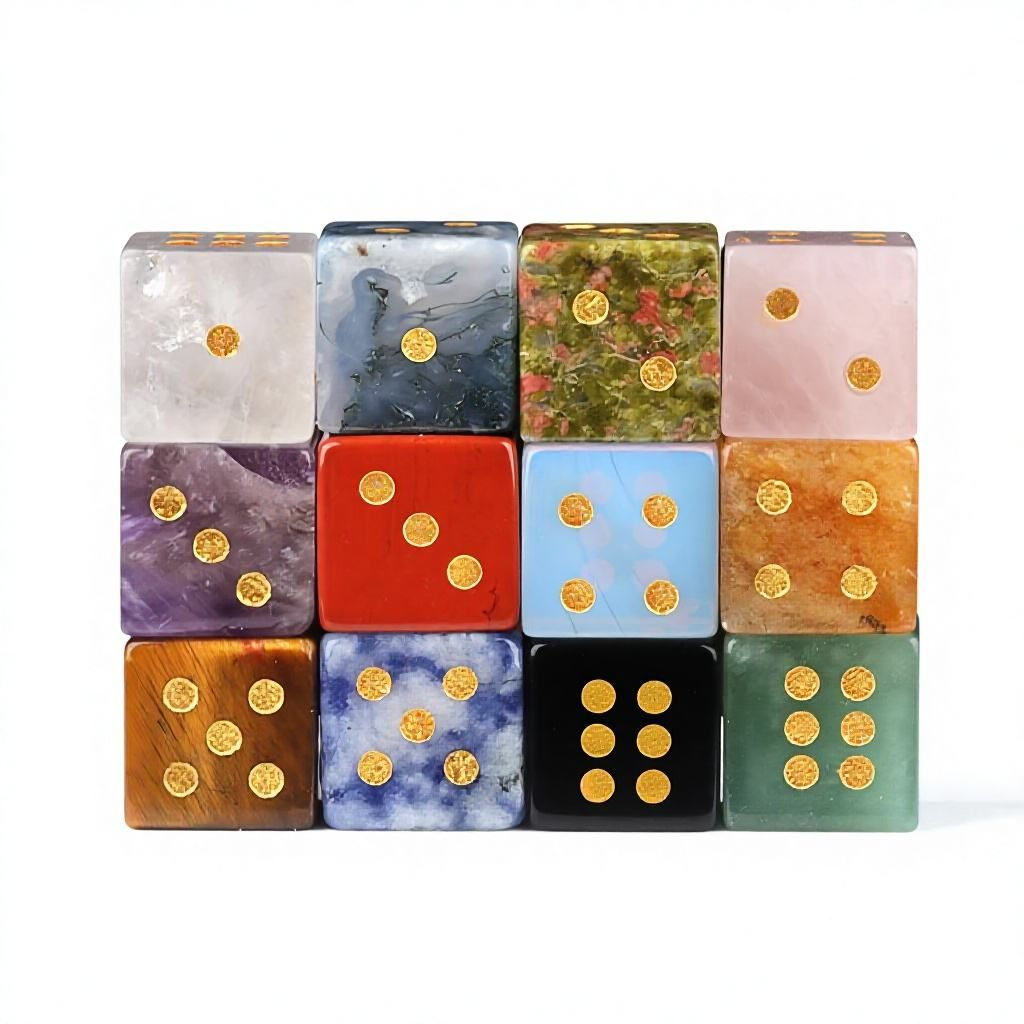
Store your American mahjong set in a cool, dry place (50–75°F, under 55% humidity) inside a rigid case or drawstring bag, away from direct sunlight. Heat and moisture warp acrylic tiles and loosen racks; extreme cold makes them brittle. Keep the set flat or upright (never tilted), in a closet, cabinet, or under-bed storage rather than near a window, radiator, or damp basement. Replace the case's silica packets annually if they've darkened. Check tiles and racks quarterly for cracks, loose connectors, or stuck jokers. A protective mat underneath absorbs spills. Best-selling Mahstead sets come with storage designed to block temperature swings and UV exposure; choose a case size matching your 160-tile set.
🀄 Shop best-selling mahjong sets →
Why does humidity and heat damage mahjong tiles?
Acrylic tiles absorb moisture and expand unevenly when exposed to high humidity (above 60%) or heat above 85°F. This causes tiles to warp, separate from their inlay, or develop micro-cracks that weaken edges. Racks swell and their pivot joints loosen, making pushers stick or fall out. Direct sunlight fades engraved designs and yellows white tiles and dragons. Store sets indoors away from windows, radiators, air-conditioning vents, and bathrooms; a bedroom closet or climate-controlled cabinet is ideal. Check your storage spot's temperature and humidity monthly using a cheap digital meter; if readings drift above 70°F or 55% humidity, move the set or add desiccant packets.

What's the best case type for long-term storage?
Rigid hard cases with foam inserts or fitted compartments protect tiles better than soft bags during storage because they resist crushing, don't allow shifting, and create a thermal buffer. Drawstring bags work for short-term transport but breathe too much for a set sitting for months. Hard cases also keep dust and insects out. Choose a case that holds your tiles flat (lying down) rather than standing upright, because tiles in stacks risk edge chipping if the case is bumped. Mahstead mahjong bags and cases are sized for 160-tile sets with space for racks, pushers, dice, and spare tiles; they ship with silica packets to absorb initial moisture during storage. Line the case bottom with a thin foam sheet or cloth to reduce vibration when moving it.
How often should you inspect a stored set?
Inspect your set every three months if it's stored year-round. Open the case, count tiles (all 152 should be present), flip racks to check for cracks or loose connectors, and move jokers to ensure they slide freely in their slots. Look for discoloration, white residue (salt from humidity), or a musty smell—all signs of moisture intrusion. If you find a cracked tile or stuck rack, remove it and place it in a dry, warm room for 48 hours; most sticky issues resolve as humidity drops. Replace silica packets if they've turned pink or wet; Mahstead's standard cases include replaceable packets. Photograph your set before long storage so you have a baseline for comparison and can document any changes.
Should you disassemble and pack tiles separately?
Never disassemble a complete American mahjong set for storage. Leaving racks disconnected, jokers loose, and tiles scattered invites lost pieces, bent jokers, and damage to rack hinges. Keep the set intact inside its case with jokers seated in their slots, racks stacked gently, and pushers grouped together. Only disassemble if you're shipping the set or replacing a damaged component. Store spare tiles (extra jokers or blanks that came with your 160-tile set) in a separate small bag or envelope labeled "spares"—never mix them with the playing tiles. This prevents confusion during setup and protects the main set from wear.

What climate storage zones work best in your home?
Storage Zone | Humidity Risk | Temperature Swings | UV & Dust Exposure | Best For |
Bedroom closet | Low (good) | Minimal | None | Year-round sets |
Living-room cabinet | Low–medium | Mild | Low if closed doors | Regular players |
Basement | High (risky) | Wide | Low if shelved high | Short-term only |
Attic | Very high (risky) | Extreme | High if roof leaks | Never use |
Under-bed box | Low–medium | Stable | None | Occasional players |
Kitchen cabinet | Medium (risky) | Variable (stove heat) | Low if closed | Not ideal |
Bedroom closets and under-bed storage in climate-controlled rooms are safest for American mahjong sets. Basements and attics have uncontrolled humidity and temperature swings that warp tiles within months. Living-room cabinets work if doors close and the room temperature stays between 65–75°F. Keep cases away from pipes, HVAC returns, and water heater closets.
What protection steps do you take before storing for winter or a long break?
Before storing a set for more than two months, clean tiles with a lint-free cloth and ensure racks are dry and free of debris. Place a fresh silica packet inside the case and seal it. Store the case in your designated cool, dry zone, then note the storage date on the case or a calendar—this helps you track how long it has been sealed. If you're packing the set with your collection of other mahjong accessories, use engraved mahjong mats and racks with pushers as buffers between cases to prevent compression. After storage, let the set acclimate to room temperature for 2 hours before opening and playing, especially if you've moved it from a cold car or storage unit.
🎁 See our most-loved mahjong sets & accessories →
Storage mistakes that damage sets—and how to avoid them
Stacking cases directly on top of each other can crush tiles in the lower case. Use a small shelf, stacking cubes, or a storage rack to give each case independent support.
Leaving moisture-absorbing packets unused. Silica gel only works if it's inside the sealed case. Replace packets annually; they turn pink or wet when saturated and stop absorbing.
Storing near heating sources. A set stored on a shelf above a radiator or near a sunny window will warp within a season. Keep cases at least 3 feet away from any heat source.
Mixing playing tiles with spare tiles in the case. You'll grab the wrong tile during play. Keep spares labeled and separate.
Opening the case in humid conditions (like just after a shower or on a rainy day). Wait until the room returns to normal humidity before opening storage; condensation inside the case damages tiles fast.
✨ Find your Mahstead set — free US shipping →
What to check before you buy a storage case
✓ Size match: Confirm the case fits your 160-tile set with racks, pushers, and dice inside—nothing should force or compress. ✓ Seal quality: The case should close with no gaps; soft zippers are less reliable than latches or magnetic closures. ✓ Padding thickness: At least ½ inch of foam protects tiles from dents if the case is dropped. ✓ Ventilation: A case with no vents retains moisture; one with mesh vents dries faster between plays but needs silica packets for long storage. ✓ Durability: Hard plastic or fabric-covered MDF resists warping better than thin vinyl or cardboard.

FAQ
Can I store a mahjong set in a garage or outdoor shed?
Not long-term. Garages and sheds lack climate control; temperature and humidity swings cause tiles to warp and rack joints to loosen within weeks. Use climate-controlled interior storage only.
How do I know if my tiles have absorbed too much moisture?
Look for white residue (salt deposits) on tile surfaces, a musty smell when you open the case, tiles that feel sticky or slightly warped, or racks that bind or feel swollen. If you see these signs, remove the set to a warm, dry room for 24–48 hours.
Should I store my mahjong set standing upright or lying flat?
Lying flat (tiles stacked horizontally inside a case with good padding) is safer. Tiles standing upright on an edge risk chipping if the case tips or shifts. Always keep racks horizontal too.
Do I need to replace silica packets every year?
Yes, if the case will be sealed for months. Silica loses effectiveness as it absorbs moisture—packets turn pink or wet and need replacement. Mahstead cases ship with replaceable packets; swap them annually for year-round storage.
Can I store a mahjong set in a humid climate like Florida or Texas?
Yes, but with extra care. Use a case with a sealed interior and replace silica packets every 6 months instead of yearly. Store in the coolest, most climate-controlled room in your home, never a garage. Check the set quarterly for moisture damage.
What's the ideal humidity level for storing a mahjong set?
Below 50% is ideal; 50–55% is acceptable; above 60% risks damage. Most indoor homes stay in the 40–55% range in heated/cooled seasons. Use a cheap digital hygrometer to monitor your storage zone.


View More
View More
View More
