
How to Host a Garden Mahjong Party
Last updated: Nov 23, 2026
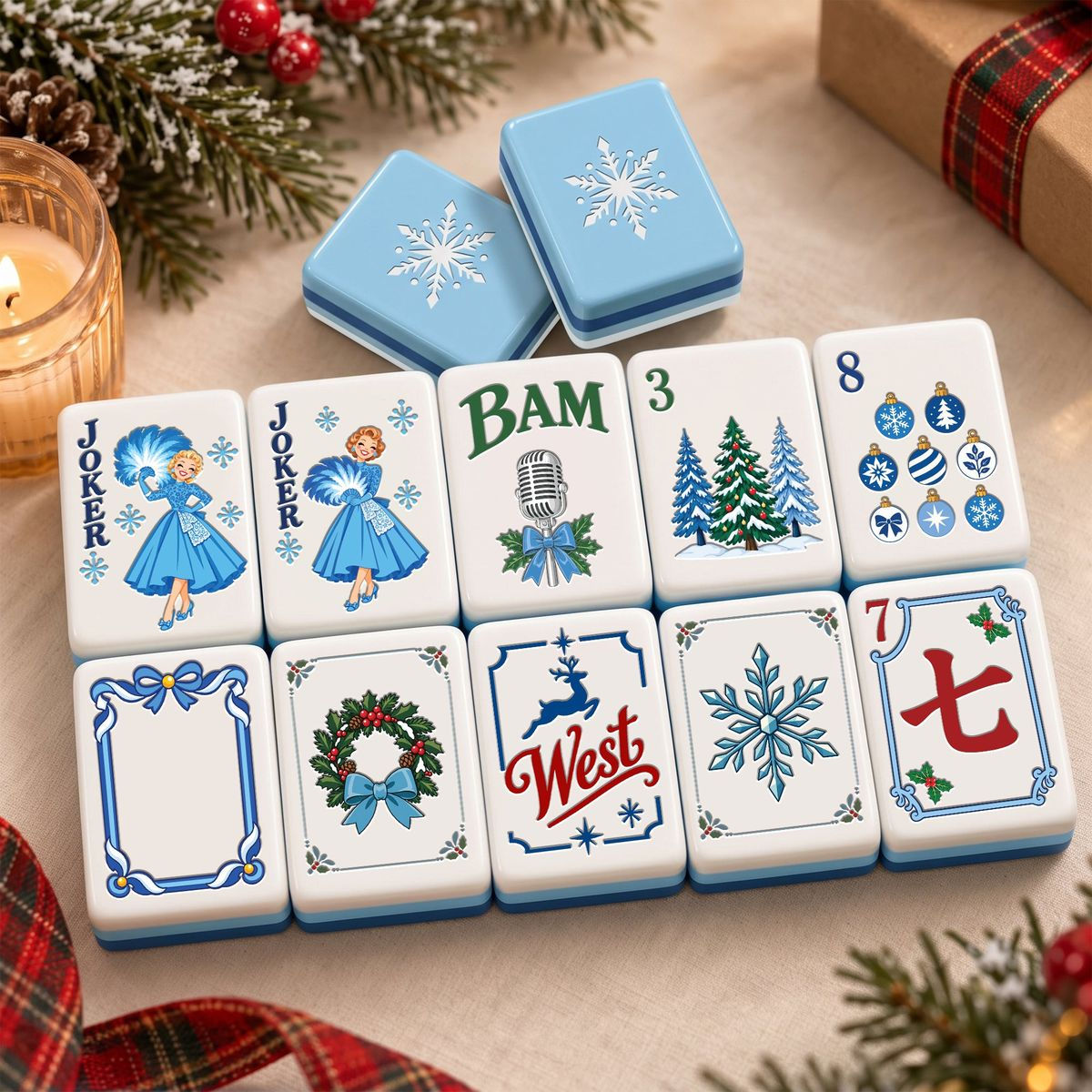
Hosting a garden mahjong party means arranging seating for four players, protecting tiles from sun and wind, and ensuring everyone can read the current year's hand card. Set up a sturdy table (ideally 34–36 inches high) with a padded mat to muffle tile clicks and protect the playing surface; position umbrella or shade to prevent glare on tiles; provide each player with a rack with pushers to organize tiles neatly and prevent fumbling; set a time limit (typically 2–3 hours for six rounds) and agree on stakes beforehand. Outdoor play requires securing the hand card with a clipboard or card stand, keeping spare tiles in a drawstring bag nearby, and choosing tiles in a colorful design that pops against natural light—acrylic sets work better than bone-and-bamboo in bright conditions because they're clearer and less affected by temperature swings. Keep bug spray, sunscreen, and drinks within arm's reach. The cost of hosting is primarily the set and mat; everything else (shade, snacks, seating) you likely already own. Avoid playing on uneven surfaces, leaving tiles unshaded between rounds, or inviting players unfamiliar with American mahjong rules without a quick refresher first.
What tile set works best outdoors?
Acrylic tiles hold up far better than bone-and-bamboo in sunlight and heat. Acrylic is lighter, won't warp or fade, and the engraved characters remain sharp and legible even in bright noon light. Bone yellows and bamboo can shift color with temperature changes, and the contrast against a natural background (grass, trees, sky) can be harder to read. Choose a set with bold, high-contrast engraving—darker characters on lighter tiles or vice versa—so no player squints.
🀄 Shop best-selling mahjong sets →

How do you shield tiles from glare and wind?
Position your table in partial shade, ideally under a patio umbrella, pergola, or tree canopy. Full sun washes out tile details and creates harsh shadows that hide tiles on the mat. Wind is your second enemy: secure the hand card (the National Mah Jongg League card for the current year) with a small clipboard, binder clip, or dedicated card stand so it doesn't blow away mid-game. Keep a drawstring bag for the extra tiles and jokers to prevent them from scattering. If you play on a deck or patio with few trees, a popup canopy (4×4 feet minimum) anchored to the table legs works reliably. Never leave the playing tiles unshaded between rounds—direct sun can bleach lighter acrylic and create uneven wear. Bring a light cloth to drape over the tile well if you're taking a long break.
What table and seating setup works for outdoor play?
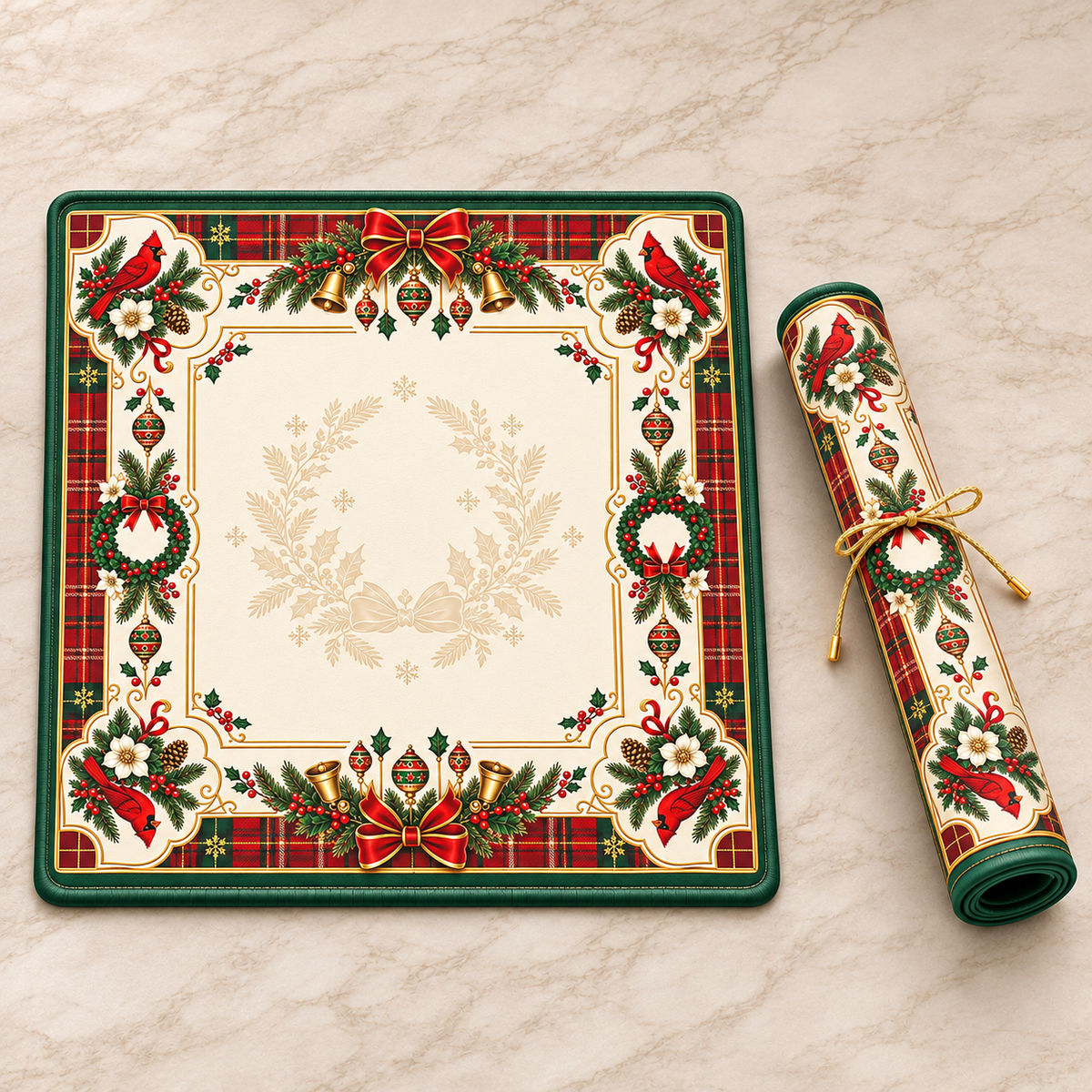
Use a sturdy table at least 34 inches high and 36 inches square—anything smaller cramps tile layout and rack placement. A padded mahjong mat cushions the tile impacts and keeps the cloth from sliding in breeze. Arrange four chairs, one on each side; ensure chairs are stable on uneven ground (place shims under legs if needed). Each player needs arm space to rest their rack with pushers—never expect players to hold tiles in their hands for hours outdoors in heat. The rack keeps tiles upright, organized, and stable even if someone bumps the table. Seat the wind (East first, then South, West, North) so sun doesn't glare directly in anyone's face. Test your setup before guests arrive: sit at each seat and confirm you can see the center mat, your own rack, and the hand card clearly.
How do you organize the Charleston and tile draw in a garden setting?
The Charleston—the pre-game tile-passing ritual unique to American mahjong—happens the same way outdoors as indoors, but with more care in windy conditions. Each player draws 13 tiles from the wall, then passes groups of tiles right, across, and left before receiving the final tile from the center. Secure the tile wall stack with a low barrier or divider (even a decorative box works) so tiles don't blow into the garden. Have a small table or tray beside the main playing table to hold the current year's hand card, a pen for notes, and a small container with scorepads. If you're hosting novices, walk through the Charleston step-by-step before actual play; many beginners fumble the left-right-across sequence outdoors because they're distracted by sun, bugs, or unfamiliar surroundings. Keep the spare jokers and blank tiles in the drawstring bag in a shaded spot—don't dump them loose on the table where wind or a stray elbow sends them flying.
What snacks and logistics prevent game delays?
Set up a snack station off the main table—water bottles, light bites (nuts, fruit, pastries), bug spray, sunscreen, and a small first-aid kit within three feet of seating. Players shouldn't have to leave the game for basic needs. Use a side table or cooler with a lid to keep refreshments organized and protected from insects. Agree on game length (usually two or three hours for four to six rounds) and announce a break every 90 minutes so players can stretch, rehydrate, and reapply sunscreen. Keep score on a notepad visible to all; some groups project a photo of the scorepad on a tablet or bring a whiteboard so no one disputes the tally later. Have the hand card protected from spills—a clipboard or laminated copy works. If playing for stakes, collect money only after the final hand so disputes don't derail the session. Expect one round to take 15–20 minutes once everyone knows the rules; outdoor distractions (birds, neighbors, wind noise) naturally slow play slightly, and that's fine.
What skill level should guests have before the party?
Invite players who understand American mahjong rules or are actively learning them. If you're hosting mixed experience levels, brief newcomers on the National Mah Jongg League card format, how to form exposures (pungs, kongs, quints, sextets with identical tiles only), and the role of jokers before you begin the Charleston. Don't expect rank beginners to enjoy a garden party on their first day; one afternoon of confusion and frustration in bright sun won't convert them. If you want to teach absolute newcomers, consider a short indoor session first so they grasp the Charleston, tile-reading, and basic hand structure. For an outdoor garden party, target intermediate players (those who've played at least five games) so the focus shifts from rule confusion to social fun and the pleasant backdrop. Assign the more experienced player as East (the position that goes first) to keep the game flowing smoothly.
Hosting Checklist: Before Your Garden Party
Checklist Item | Why It Matters | When to Check |
Table is level and ≥36" square | Uneven tiles roll; tiny tables cause crowding | Day before |
Shade covers seating area fully | Sun glare hides tile details | 1 hour before |
Each player has a rack with pushers | Outdoor wind + hand-holding = dropped tiles | Setup time |
Hand card is secured (clipboard/stand) | Breeze scatters the card mid-round | Setup time |
Spare tiles bagged and shaded | Lost tiles stop play; sun fades acrylic | Setup time |
Snacks and water within 3 feet | Delays if players leave table | 30 minutes before |
All players know basic American rules | Confusion derails outdoor focus | Invitation/reminder |
Scorepad and pen ready | Disputes end friendships | Setup time |
🎁 See our most-loved mahjong sets & accessories →
What to Check Before You Buy Equipment
Tile set clarity in bright light: Acrylic tiles must show characters clearly in full sun—hold a sample up to a window or test outdoors before committing. Bone and bamboo may yellow or fade unevenly in garden heat.
Mat durability and grip: A padded mat should stay flat on your table even with wind and player movement. Check that the rubber backing prevents sliding on uneven patio or deck surfaces.
Rack stability: Test racks with pushers; they should hold 13 tiles firmly and not tip when a player bumps the table or sets down a drink nearby.
Bag water resistance: A drawstring bag keeps spare tiles contained, but won't protect them from spilled drinks or unexpected rain—store it in a shaded spot away from the food and beverage table.
Card protection: Laminated hand cards or clipboard covers prevent spills and wind damage; a standard paper card will soften or tear outdoors.
Common Hosting Mistakes and How to Avoid Them
Underestimating shade needs: Players in direct sun squint, burn, and lose focus. Position your table so it's shaded for the entire party duration—the sun moves, so test your shadow placement two hours into your planned party time.
Cramping the table: A 30-inch table forces players to overlap racks and creates friction. Minimum 36 inches square; add an extra side table for the hand card and scorekeeping.
Forgetting the Charleston details: Outdoor distractions make the tile-passing ritual confusing for mixed groups. Assign one experienced player to call out each phase (pass right, pass across, pass left, draw final tile) so no one fumbles.
Playing without agreement on stakes: Undefined bets breed disputes, especially outdoors where focus is divided. Agree on per-hand amounts or play for play-chips only before inviting guests.
Leaving tiles exposed to sun: Between rounds, cover the playing tiles with a cloth or flip the mat face-down to prevent uneven fading or warping of acrylic.
✨ Find your Mahstead set — free US shipping →

FAQ
Can you play mahjong outdoors on a regular picnic table?
Yes, but a standard picnic table is too tall (28–30 inches) and often wobbly on grass. Bring a small, sturdy 34–36-inch table or prop up an outdoor side table on level ground. A padded mat under the tiles absorbs impact and prevents sliding.
What's the best time of day to host a garden party?
Late morning (10 a.m.–noon) or late afternoon (3–6 p.m.) avoids peak sun glare. Avoid midday (12–3 p.m.) when sun is highest and brightest. Check shadow patterns in your yard for the season and guest count beforehand.
Do acrylic tiles stay readable in full sun?
Yes, much better than bone-and-bamboo. Acrylic character engraving remains sharp and high-contrast in bright light. Bone yellows unevenly and bamboo can warp slightly with outdoor temperature swings, making reading harder over several hours.
How do you keep the hand card from blowing away?
Use a clipboard with a clip, a binder clip on two corners, a small card stand, or a laminated copy weighted with a smooth stone. Secure it within arm's reach of the scorekeeper so everyone can reference it without leaving their seat.
Should beginners play in a garden party, or should they learn indoors first?
Beginners benefit from one or two indoor sessions to learn the Charleston, tile reading, and basic hand structure before joining an outdoor social game. Outdoor distractions and glare make a first-time experience frustrating. Target intermediate players (five+ games) for the best garden-party vibe.
What happens if it's windy?
Secure the hand card and spare tiles in a drawstring bag. Anchor the table (use tent stakes or sandbags if needed). Position the tile wall with a low divider to shield it from gusts. Very windy days (above 15 mph) are not ideal; consider rescheduling or moving indoors.


View More
View More
View More
