
How to Clean Mahjong Accessories: Tiles, Mats & Racks
Last updated: Nov 23, 2026
Mahjong tiles, racks, mats and cases need gentle, regular care to stay game-ready. Acrylic tiles (the American standard) tolerate warm soapy water and soft cloths better than engraved or bamboo variants; avoid harsh solvents, abrasives and heat extremes. Wipe tiles individually or in small groups, dry immediately to prevent water spots, and store in their original bags or cases away from direct sunlight. Racks and pushers respond well to the same soap-and-water approach; felt-bottom mats need vacuuming first, then spot-cleaning with diluted detergent on a damp (not wet) cloth. Most players deep-clean their sets once or twice a year, or after high-traffic tournaments. Mahstead provides protective cases and travel bags designed to minimize dirt accumulation between sessions.
Mahjong tiles and accessories collect dust, oils and debris during weekly games. Acrylic tiles (the American standard) tolerate warm soapy water and soft cloths better than engraved or bamboo variants; avoid harsh solvents, abrasives and heat extremes. Wipe tiles individually or in small groups, dry immediately to prevent water spots, and store in their original bags or cases away from direct sunlight. Racks and pushers respond well to the same soap-and-water approach; felt-bottom mats need vacuuming first, then spot-cleaning with diluted detergent on a damp (not wet) cloth. Most players deep-clean their sets once or twice a year, or after high-traffic tournaments. Mahstead provides protective cases and travel bags designed to minimize dirt accumulation between sessions.
Should I soak my mahjong tiles in water?
No. Soaking risks water seeping into bamboo or engraved layers, swelling joints and lifting engravings. Instead, dampen a soft microfiber cloth, wipe each tile briskly, and dry it immediately with a lint-free towel. For stubborn fingerprints or game residue, add one drop of mild dish soap to your water—never bleach, acetone or rubbing alcohol. Work tile by tile to control moisture; a bucket rinse is acceptable only for modern all-acrylic tiles with no porous materials, and only if you dry them within seconds. Most players skip soaking entirely and stick to the damp-cloth method, which takes 10–15 minutes for a full set and carries zero risk of warping or discoloration.
How do I clean engraved or personalized tile designs?
Engraved text and custom designs sit in shallow grooves that trap dust and oils. Use a soft, dry brush or old toothbrush (soft bristles only) to gently sweep debris from the grooves before any water contact. Once brushed, follow the standard damp-cloth wipe—no circular scrubbing motions, which can blur fine lines. Avoid toothpicks or metal tools that scratch acrylic. If designs have fading or discoloration after years of play, a very light pass with a microfiber cloth barely dampened in plain water often restores clarity without spreading grime into the grooves. Engraved sets from our mahjong titles collection are designed to tolerate gentle washing; the acrylic formulation resists most household soaps, but drying speed matters more than pressure.
What's the best way to clean felt-bottom mats?
Felt traps lint, pet hair and floor dust; water alone won't reach it. Vacuum the playing surface first using a handheld or upright vacuum on low suction to avoid snagging fibers. Once the top is clear, use a lint roller or soft brush across the felt in one direction. For stains or sticky spots (spilled drinks, residue from tape), dampen a cloth in a mixture of one part mild dish soap to four parts water, apply it to the spot, blot (don't rub), and air-dry flat. Never machine-wash a mahjong mat, and avoid steam cleaners—heat can warp the backing or foam. A properly cared-for mahjong mat lasts years and actually improves grip and tile glide as the felt softens slightly from gentle use.
Accessory | Cleaning Method | Drying | How Often |
Acrylic tiles | Damp microfiber cloth, one tile at a time | Lint-free towel, immediately | After 8–10 games or monthly |
Engraved tiles | Soft brush first, then damp cloth | Lint-free, immediate | Monthly or after heavy play |
Wooden racks | Soap and warm water on cloth | Pat dry within 1 minute | Every 6–8 weeks |
Pushers | Same as racks | Same as racks | Every 6–8 weeks |
Felt mat | Vacuum, then damp-cloth spot-clean | Air-dry flat, 2–4 hours | Vacuum monthly, deep clean 2× yearly |
Nylon travel case | Wipe interior with dry cloth, exterior with damp cloth | Air dry, leave open 30 min | After each trip |
How do I care for wooden racks and pushers between games?
Wood absorbs moisture and can warp or split if soaked. Wipe racks and pushers with a cloth barely dampened in warm soapy water, then dry them completely within one minute. For sticky residue (dried beverage, dust), use the same damp-cloth approach but work in the direction of the wood grain. Never apply furniture polish or varnish—these can make pushers too slippery on tiles or leave oily residue. Store racks in a dry room away from heating vents and direct sunlight, which can fade wood and loosen joints. If your racks with pushers show minor cracks or separation at joints after years of play, that's normal wear; avoid attempting glue repairs yourself—contact a woodworker or the maker for proper restoration. Most players find regular light cleaning keeps racks performing smoothly for decades.
What's the fastest weekly maintenance routine?
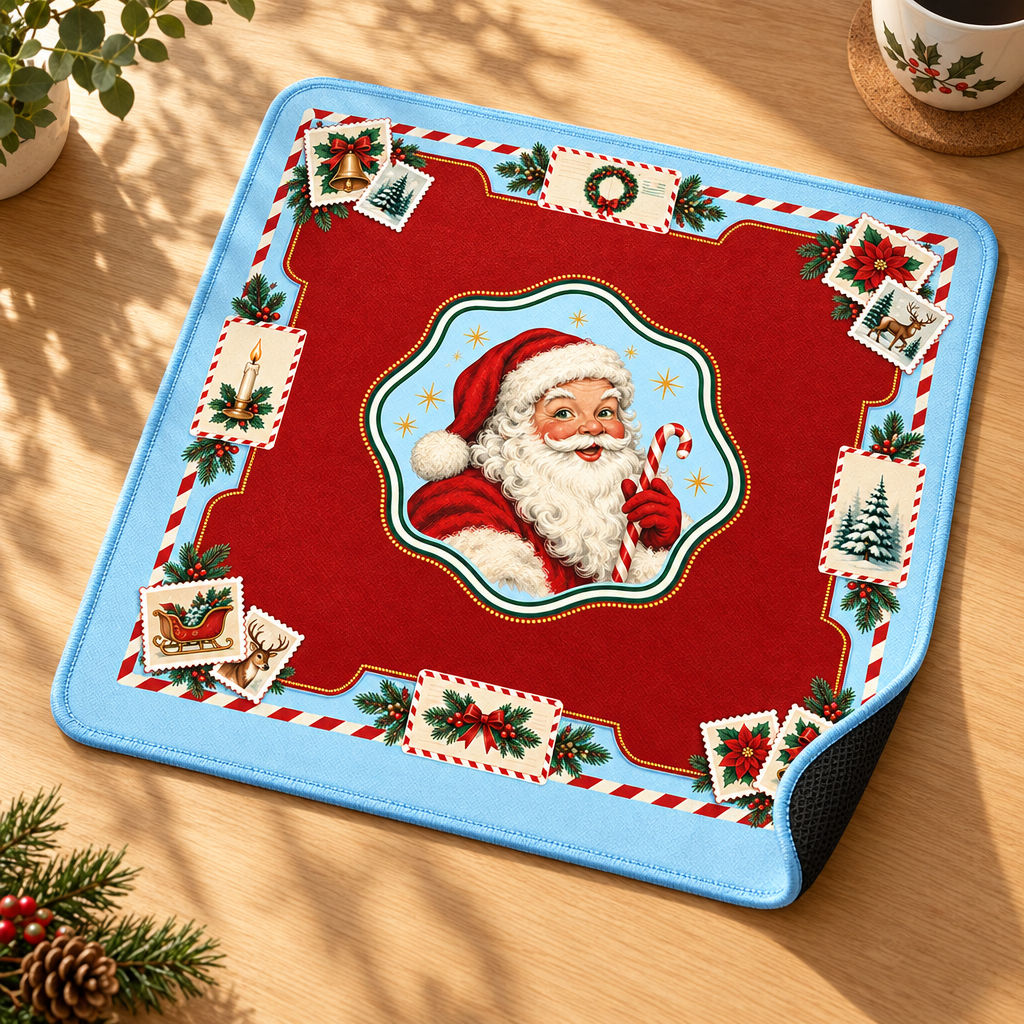
After each game, spend five minutes on prevention rather than an hour on restoration later. Empty the mat of all tiles, crumbs and dust using a vacuum or handheld broom. Wipe the playing surface with a dry microfiber cloth to catch oils from hands and food residue. Quickly inspect tiles for obvious debris; if you spot it, brush it off with a soft brush. Return tiles to their storage bag or case immediately—don't leave them exposed on the table overnight, which invites dust and humidity changes. Once monthly, do a deeper pass: vacuum the mat thoroughly, wipe each tile or a representative sample with a barely damp cloth, and wipe down racks and pushers. Store everything in a travel bag or protective case in a cool, dry closet. This rhythm prevents discoloration, keeps engraving clear and maintains tile grip so the game plays smoothly week after week.
🀄 Shop best-selling mahjong sets →
What should I avoid when cleaning mahjong gear?
Never use:
Bleach, hydrogen peroxide or acetone (dissolve acrylic and fade engravings)
Wire brushes, steel wool or abrasive sponges (scratch tile faces and engraving)
Machine washers or dryers on any component
Heat guns, hair dryers or ovens (warp acrylic and wood, lift engravings)
Furniture polish, varnish or floor wax (leave slippery residue)
Cloth softeners or fabric conditioner on microfiber cloths (transfer oils to tiles)
Do use:
Soft microfiber cloths or old cotton t-shirts
Mild dish soap and lukewarm water only
Soft-bristled brushes (old toothbrushes work perfectly)
Lint rollers for felt surfaces
Immediate drying after any water contact
Acrylic is forgiving compared to bamboo or bone, but speed and gentleness trump aggressive scrubbing every time. One player in our weekly group once used a dishwasher on a set—the tiles survived, but the engravings were permanently clouded and the wood racks warped. Another tried bleach on water stains and created permanent white marks. The best sets rarely need more than the damp-cloth method.
What to check before you buy a new set or accessories
Storage and cleaning ease should influence your purchase. Acrylic tiles from our best-selling collection are far more forgiving than bone or bamboo variants. Look for sets that come with a hard case or padded bag—these dramatically reduce dust and grime buildup between games, so you'll clean less often. If you host weekly games, a mat with a removable, washable cover is easier to maintain than a fixed felt surface. Consider the weight and packaging: lighter sets (acrylic) are easier to transport and expose to less environmental stress en route. Read the care guide if one is provided; Mahstead sets include guidance tailored to acrylic, which is key since methods safe for wood or bone are not always safe for plastic.
🎁 See our most-loved mahjong sets & accessories →
How long does a well-maintained set last?
Properly cleaned and stored mahjong sets last 10+ years and often outlast the players who own them. Tiles show minimal wear if wiped monthly and dried immediately; engravings stay crisp if brushed gently before water contact; racks and pushers remain functional if stored in a dry room; mats retain their grip and color if vacuumed regularly and stain-treated promptly. The most common failure we see is not from cleaning mistakes but from exposure—sets left on game tables between sessions, stored in humid basements or near heating vents, or packed damp into bags. A simple habit—clean, dry, store in a protective case away from sunlight and humidity—is the difference between a set that looks like-new after 10 years and one that's yellowed and sticky after 2. The investment in mahjong bags and cases pays dividends over time.
✨ Find your Mahstead set — free US shipping →
FAQ
Can I use hand sanitizer or disinfectant on my tiles?
No. Alcohol-based sanitizers degrade acrylic over time and can fog engravings. Stick to mild soap and water. After a tournament with shared tiles, a damp cloth pass followed by air-drying is sufficient; tiles naturally shed bacteria quickly in dry air. If you're concerned about hygiene, wipe the felt mat and racks too—those trap more oils and dust than tile surfaces.
Why do my tiles have a sticky or cloudy film after cleaning?
Sticky residue usually means soap wasn't fully rinsed away or the cloth was too wet. Use plain water for a final rinse on your cloth, then dry completely. Cloudy film often comes from mineral deposits in tap water or detergent buildup. Try wiping with a cloth barely dampened in distilled water instead, then dry immediately. If cloudiness persists, it may be from years of use—a soft microfiber cloth sometimes restores clarity without any water.
How should I store my tiles if I'm not playing for weeks or months?
Return them to their original bag or a padded case in a cool, dry room (not a basement, attic or garage). Close the case to keep dust out. Avoid sealed plastic bags in hot weather, which trap humidity and cause stickiness. Keep tiles away from direct sunlight, which fades engravings and discolors acrylic. Before you play again, do a quick visual check and a gentle brush to clear any dust from storage.
Is it safe to clean tiles with a dishwasher or ultrasonic cleaner?
No. Dishwashers expose tiles to heat, high-pressure spray and detergent residue that damage acrylic and lift engravings. Ultrasonic cleaners can loosen glued wood joints in racks and cause acrylic to micro-fracture. The damp-cloth method is the only safe approach for home use.
My felt mat has a permanent stain—can I replace just the mat?
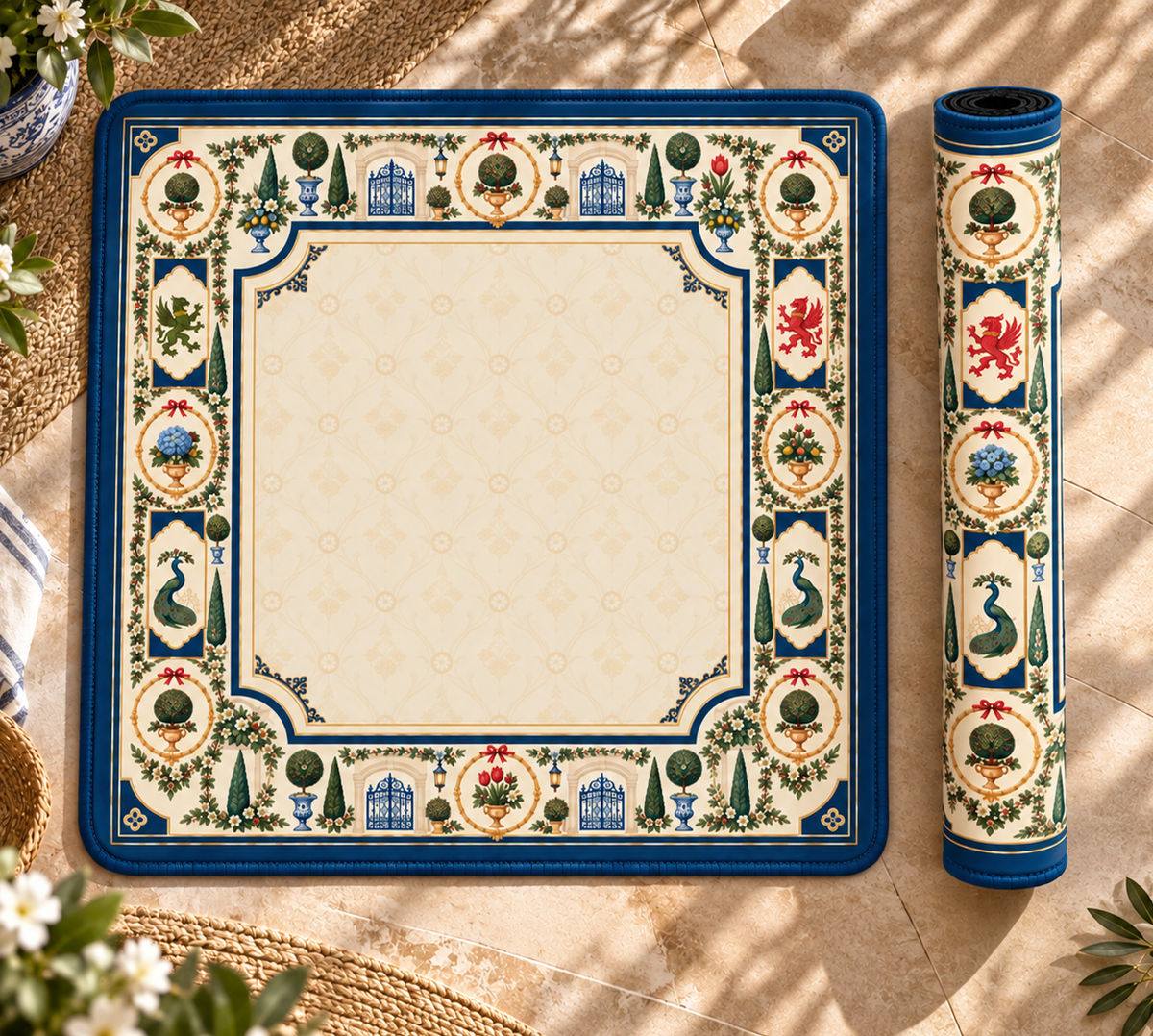
Most mats come as one unit, but some cases allow you to order a replacement mat separately. Check the Mahstead mahjong mats collection or contact the maker for compatibility. If a stain won't come out with damp-cloth spot-cleaning, a professional upholstery cleaner may help, but always test on a hidden corner first. Prevention—wiping spills immediately—beats cure every time.
Do acrylic tiles yellow or discolor over time even with good care?
Acrylic can yellow slightly after years of exposure to sunlight or heat, but proper storage (cool, dark, dry location) dramatically slows this. Quality acrylic formulations resist discoloration better than cheaper plastics. If you notice yellowing, check that your case isn't stored near a sunny window or heat source. Minor discoloration is cosmetic and doesn't affect play; it's a sign of a well-loved, well-used set.


View More
View More
View More
