
How to Clean Jade Mahjong Tiles: Gentle Care & Protection
Last updated: Nov 23, 2026
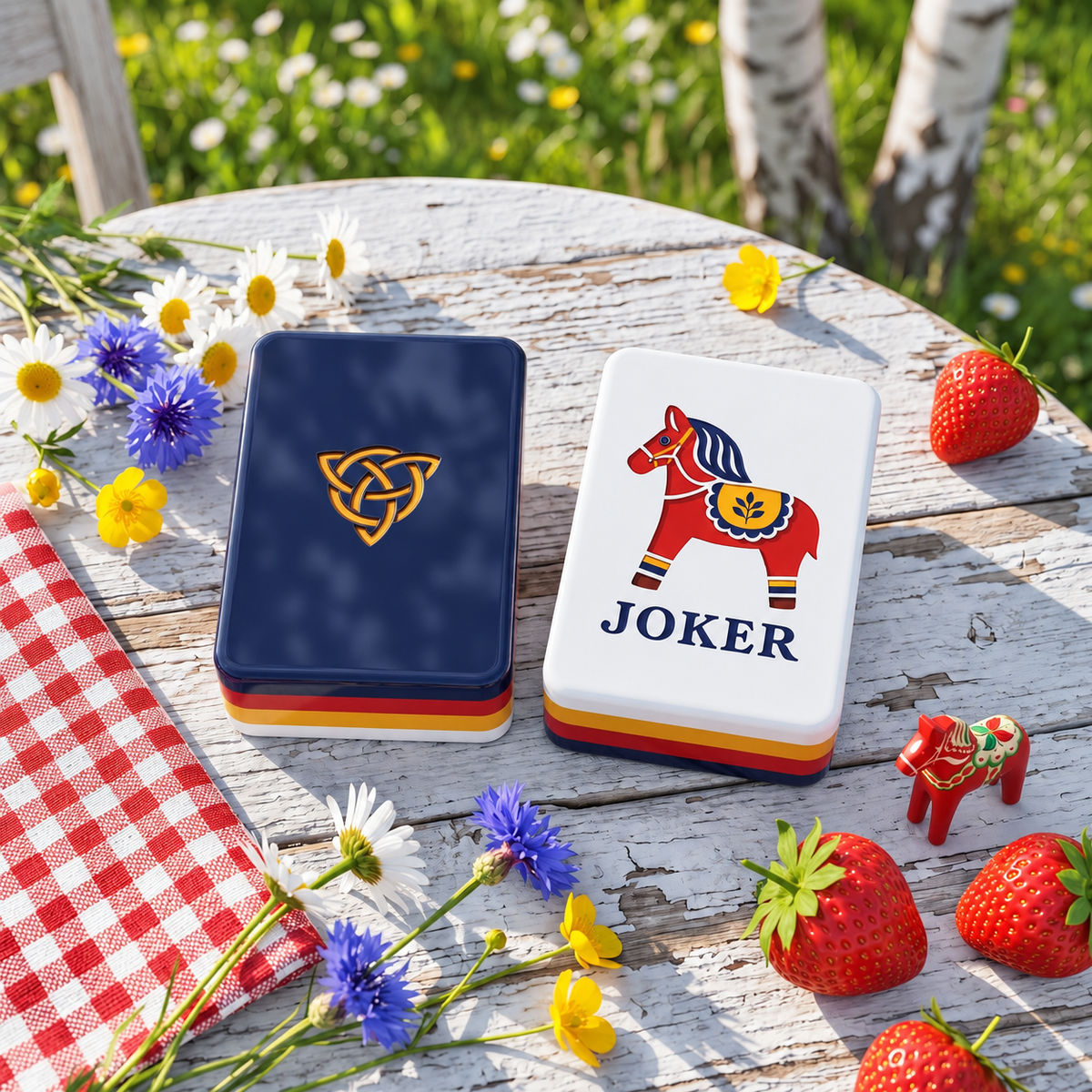
Jade tiles clean best with a soft, barely-damp microfiber cloth and cool water—never hot, abrasive pads, or harsh chemicals. Wipe each tile gently in one direction, then dry immediately with a second clean cloth. For stubborn grime, add a single drop of mild dish soap to water, wipe, and rinse thoroughly. Store jade tiles in a fabric-lined case or pouch away from direct sunlight and humidity swings, which can cause cracking. If tiles feel tacky from hand oils, a quarterly light cleaning keeps them luminous. Never soak jade, use a dishwasher, or expose it to extreme temperature changes. Our best-selling mahjong sets include protective storage guidance specific to your tile material.
Jade mahjong tiles develop a beautiful patina with use, but dust, oils, and grime need gentle removal. Wipe each tile gently in one direction with a soft, barely-damp microfiber cloth and cool water—never hot, abrasive pads, or harsh chemicals. For stubborn grime, add a single drop of mild dish soap to water, wipe, and rinse thoroughly. Store jade tiles in a fabric-lined case or pouch away from direct sunlight and humidity swings, which can cause cracking. If tiles feel tacky from hand oils, a quarterly light cleaning keeps them luminous. Never soak jade, use a dishwasher, or expose it to extreme temperature changes.
Why Does Jade Need Special Cleaning?
Jade is softer than glass or ceramic—typically 6–7 on the Mohs hardness scale—so aggressive scrubbing, scouring powders, or rough brushes scratch the surface and dull the finish. Hand oils, dust, and humidity create a sticky film that accumulates during weekly games; this buildup traps moisture against the tile and can weaken the material over time. Unlike acrylic or bone tiles, jade cannot tolerate rapid temperature shifts or prolonged immersion in water. A gentle approach preserves the stone's translucency and luster for decades.

What's the Step-by-Step Cleaning Process?
Step 1: Gather supplies—microfiber cloth, distilled water (softer than tap), and one clean, lint-free towel.
Step 2: Pour cool distilled water into a shallow bowl; do not use hot water, which can cause internal cracking in jade.
Step 3: Dampen (not soak) the microfiber cloth; it should feel barely wet, not dripping.
Step 4: Wipe each tile in one direction only—avoid circular motions, which can trap debris and scratch.
Step 5: For oily buildup, add one drop of unscented dish soap to the water, wipe again, then rinse with a fresh damp cloth.
Step 6: Dry every tile immediately with the second clean towel; standing water breeds mold and mineral deposits.
Step 7: Return tiles to storage within 30 minutes of cleaning; do not leave them exposed.
If your tiles show stubborn staining, repeat steps 4–6 once more rather than increase soap concentration. Patience beats force with jade.
🀄 Shop best-selling mahjong sets →
What Should You Never Do to Jade Tiles?
Action | Why It Damages | What Happens | Alternative |
Use hot water | Thermal shock cracks the stone internally | Tiles split weeks or months later | Cool distilled water only |
Scrub with sponges, brushes, or steel wool | Scratches the polished surface | Permanent dull spots; loss of translucency | Microfiber cloth, one direction |
Soak tiles overnight or run through dishwasher | Prolonged water contact + pressure weaken the jade | Tiles become brittle; internal fractures appear | Damp cloth wipe only; 2–3 minutes max |
Use vinegar, bleach, or ammonia cleaners | These etch and discolor jade | Pitting, cloudiness, or white spots | Mild soap + water only |
Expose to direct sunlight for extended periods | UV fades the color and weakens the surface | Uneven discoloration; texture becomes chalky | Store in closed opaque case between games |
Leave wet tiles in a sealed bag | Mold and mineral deposits form in high humidity | Black spots, white bloom, odor | Dry completely before storage; store in breathable linen or cloth bag |
Never assume that "what works for dishes works for jade." Jade is a natural stone, not engineered ceramic. When in doubt, use water alone.
🎁 See our most-loved mahjong sets & accessories →
How Often Should You Clean Jade Mahjong Tiles?
Light dusting after every four to six games prevents oil and dust from setting. If you play weekly, a full gentle wash every three months keeps tiles bright without over-handling them. In humid climates or after extended storage, inspect tiles for dust before your next game and wipe as needed. Tiles used in a dry climate may need less frequent cleaning. The goal is removing grime before it hardens, not maintaining a "showroom" shine—jade develops a subtle patina with use, and that's normal and beautiful. Trust your tactile sense: if the tiles feel slick or sticky, they need cleaning.

What Storage Protects Jade Between Games?
Store jade tiles in a fabric-lined case, cloth pouch, or soft cotton drawstring bag—never sealed plastic, which traps humidity. Keep them in a climate-controlled room, away from windowsills, heating vents, and bathrooms. Avoid stacking loose tiles in a box without padding; jade-to-jade friction over time causes micro-fractures and surface wear. If your set came with a protective case, use it; many of our engraved American mahjong sets ship with fabric-lined storage. For long-term storage beyond six months, add a small unscented cedar block or silica gel packet to the bag to absorb ambient moisture, but do not let it touch the tiles directly. Check tiles every few months—if you see white crystalline bloom or a musty smell, open the bag, wipe tiles, and allow them to air-dry in a warm room for 24 hours before resealing.
When Should You Replace or Repair Jade Tiles?
Hairline cracks, small chips, or permanent discoloration do not affect gameplay but signal the tile's structural integrity is weakening. If you play multiple times per week, chipped tiles become unplayable within months as the damage spreads. Small scratches that don't catch your fingernail are cosmetic and don't need repair. Major cracks, large chips, or tiles that are noticeably lighter or darker than the set indicate delamination or internal damage; replace them rather than continue play, which accelerates further breakage. Replacement jade tiles are difficult to source individually because each set is manufactured as a batch; check with the original maker or consider refreshing with a new best-selling mahjong set if more than 10% of your tiles show damage.
✨ Find your Mahstead set — free US shipping →
What to Check Before You Buy Jade Mahjong Tiles
Material origin: Jade sourced from different regions has varying porosity and durability; Chinese jade (often called "spinach jade") is denser than Burmese varieties and resists wear better, but both require the same gentle care.
Tile thickness: Thicker tiles (⅜ inch or more) withstand repeated shuffling and stacking; thin tiles chip more easily during storage or play.
Polish quality: High-gloss tiles show fingerprints and dust more visibly, so you'll clean them more often; matte or satin finishes hide grime but may feel slightly less smooth during play.
Joker tile inclusion: Ensure your set includes all 8 jokers and spare tiles as described; check against the product specifications before opening.
Case condition: Open your set immediately upon arrival; if tiles rattle or shift inside the case, fabric padding may be loose, which risks damage during play and storage.

FAQ
Can I use Windex or glass cleaner on jade mahjong tiles?
No. Alcohol-based cleaners etch jade and leave a hazy residue. Stick to water and one drop of mild dish soap only.
My jade tiles smell musty after storage. Are they safe to play?
Musty odor signals mold or mildew in the bag, not the tiles themselves. Wipe each tile with a barely-damp cloth, dry completely, and store in a breathable cloth bag with a fresh silica gel packet in a dry room. If mold visibly coats the tiles, soak in cool water for 5 minutes, dry thoroughly, and repeat the smell test.
Should I use a jade polishing oil or conditioner to keep them shiny?
No. Oils trap dust and create a sticky film that's harder to clean than the original grime. Water and microfiber cloth are sufficient and preserve the stone's natural finish.
How do I tell if my jade tiles are cracking internally?
Hairline cracks appear as faint white lines on the tile surface; internal cracks may not be visible until a tile suddenly splits during a game. If tiles feel hollow or sound dull when tapped against the table, they likely have internal fracturing and should be replaced.
Can extreme cold or heat damage jade tiles?
Yes. Never store tiles in a car trunk, attic, or basement where temperature swings are large. Thermal shock causes internal cracking. Keep them at room temperature (65–75°F) with 40–60% humidity.
Is a humidifier or dehumidifier better for jade tile storage?
Neither alone. Stable humidity (40–60%) matters more than adding or removing moisture. Use both devices to level swings, or store in a climate-controlled closet rather than relying on mechanical controls.
My jade tiles are slippery during play. Will cleaning make them less slippery?
No. Slipperiness comes from polish and inherent jade smoothness, not grime. If you prefer grip, add a felt underlay to your mat or consider acrylic or bone tiles from our best-selling collection, which offer more texture.


View More
View More
View More
