
How to Clean Catalin Mahjong Tiles: Methods That Preserve Color
Last updated: Nov 23, 2026
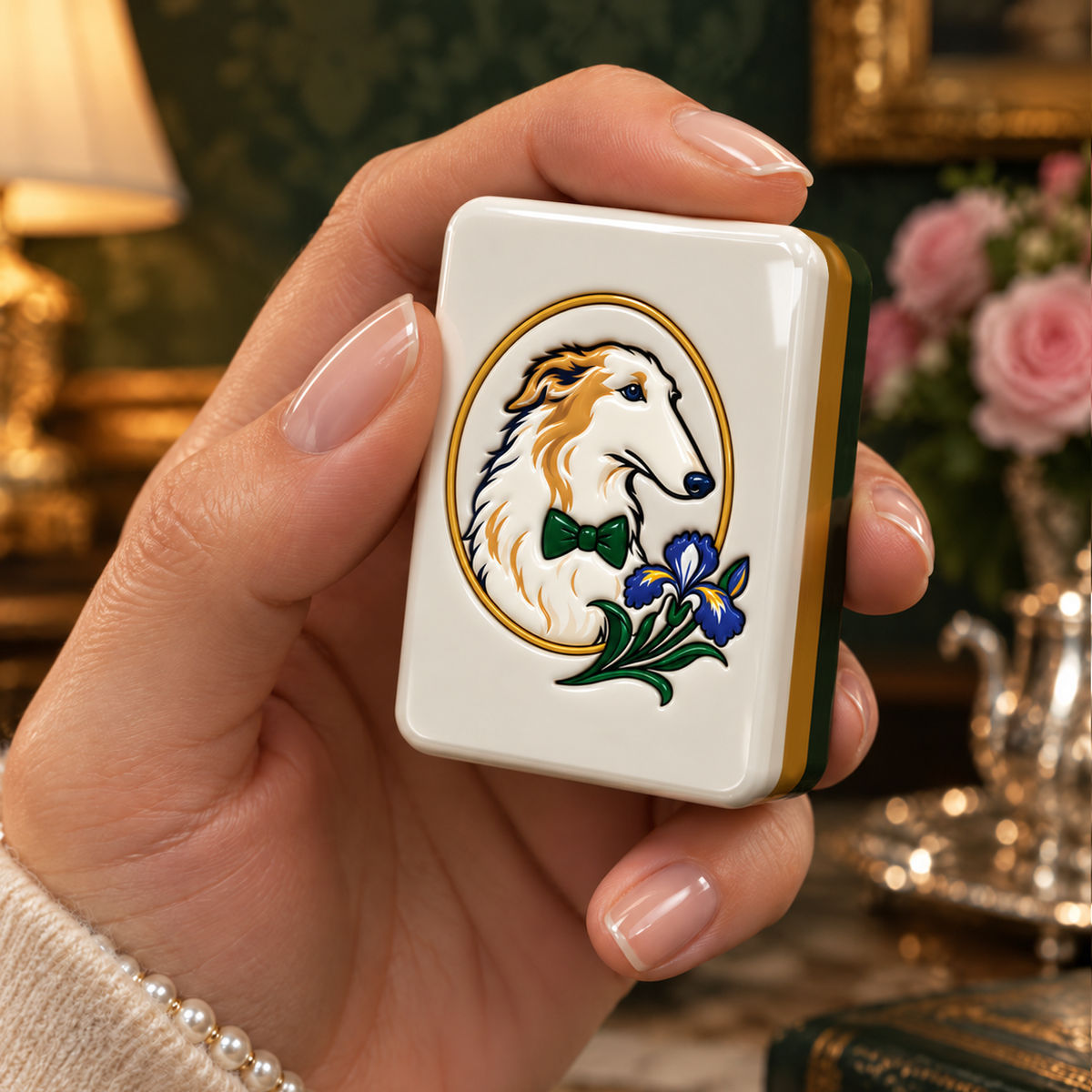
Catalin mahjong tiles—translucent or opaque resin pieces made mid-20th century—clean best with soft, damp cloth and warm water only; never use harsh chemicals, abrasive pads, or soaking, which dissolve the resin binder or cause discoloration. Wipe gently, dry immediately by hand, and store flat in a dry place away from direct sunlight. Dried-on debris lifts with a soft toothbrush and water; stubborn stains (tea, ink) may require 2–3 passes. If tiles show crazing (fine cracks), fading, or deep discoloration, they've likely absorbed moisture or heat damage—professional restoration is the only safe option. Modern engraved American mahjong sets in acrylic or ceramic don't require this level of care and resist staining far better than vintage Catalin.
Catalin tiles are beautiful, tactile pieces of game history—but they're also fragile. Unlike bone or bamboo, the resin composite absorbs moisture, reacts to heat, and can warp or discolor if handled carelessly. We've hosted thousands of games with vintage sets, and we've learned which cleaning methods preserve them and which cause permanent damage. Here's what really works.
Why is Catalin so tricky to clean compared to bone or bamboo?
Catalin is a thermosetting plastic resin (phenolic formaldehyde or urea formaldehyde), porous and absorptive by nature. Bone and bamboo are dense solids that shed water; Catalin drinks it in. Prolonged moisture softens the binder, causing swelling, warping, or clouding. Heat accelerates chemical breakdown. Solvents (acetone, rubbing alcohol) dissolve the resin directly, leaving pits or bleaching. That's why your grandmother's vintage set demands respect—it's literally not designed for modern cleaning shortcuts.

What's the safest step-by-step cleaning method?
Step 1: Assess the tiles. Look for visible grime, tea or coffee rings, ink marks, or dust. Check the edges and face for crazing (fine cracks or a dull, frosted appearance). Crazing means the tile has absorbed moisture—stop here and don't soak.
Step 2: Remove loose debris. Brush each tile gently with a soft, dry brush (or soft toothbrush) to lift dust. Work in one direction; don't scrub.
Step 3: Prepare warm water (lukewarm, not hot). Fill a shallow bowl. Add one drop of mild, unscented dish soap. Never use bleach, vinegar, or alcohol-based cleaners.
Step 4: Damp-wipe, don't soak. Dip a soft microfiber cloth in soapy water, wring it almost dry, and wipe one tile at a time. Work quickly. If you see the tile surface darken or look wet, you've used too much water.
Step 5: Rinse and dry immediately. Wipe with a second cloth dampened in plain water only. Then dry every tile by hand with a lint-free cloth within 30 seconds. Do not air-dry or leave wet.
Step 6: Store flat. Lay tiles flat on a clean, dry cloth in a closed box away from sunlight, radiators, or humidity.
The whole process takes 15–20 minutes for a full set. Repeat every 1–2 years if the tiles are in regular use; less often if they're stored.
How do you remove stains like tea, ink, or coffee?
Dried stains on Catalin are stubborn but not permanent if caught early. Here's the distinction:
Light surface stains (tea, weak coffee): Repeat the damp-wipe method 2–3 times. The stain often fades with gentle friction and moisture exposure over multiple passes—but do not scrub hard or use abrasive pads.
Deep or dark stains (ink, marker, old spills): One option is to make a paste of baking soda and water (no oil, no vinegar). Apply a small amount to the stain only, let sit for 60 seconds, then gently wipe with a soft cloth and rinse immediately. Test on a non-visible tile first. Many players skip this and accept minor stains as part of vintage patina.
Discoloration or cloudiness that won't come off: This is likely dye migration or moisture absorption inside the resin. Cleaning won't help—the tile has changed at the molecular level. Leave it alone or consult a conservator if the set is rare or valuable.
Never use bleach, hydrogen peroxide, or commercial tile cleaner. Never soak a Catalin tile for more than 5 seconds, even if it looks like it "just needs to soak."
When should you get professional restoration instead?
If your set shows any of these signs, DIY cleaning will make it worse:
Crazing or frosted appearance: Fine surface cracks mean moisture has penetrated deep. Cleaning will deepen the damage.
Warping or bowing tiles: The resin has permanently softened, likely from heat or humidity. Restoration requires resin re-hardening or replacement, not washing.
Deep discoloration that affects the whole tile: This is internal staining (moisture, dye, or heat damage). Surface cleaning won't reach it.
Soft or tacky texture: The binder is breaking down. Professional conservators may be able to stabilize it, but consumer methods cannot.
Cracks, chips, or broken corners: These require professional repair or replacement tiles.
If the set is a rare color (Catalin came in butterscotch, red, marbled, or ivory), valuable, or historically significant, find a game collectibles conservator or antiques restorer in your region. A quick search for "resin tile restoration" or "vintage game piece restoration" in your area may find someone. Expect a significant fee but preservation of a genuine piece.
For most weekend players, the decision is simple: if it plays well and looks acceptable, accept minor stains as authentic aging. If it's deteriorating visibly (tiles sticking, colors running, tiles becoming opaque), retire it to a display case and acquire a modern set for regular play.

Modern tiles versus vintage Catalin: a cleaning and care comparison
Tile Type | Stain Resistance | Safe Cleaners | Time to Clean | Storage | Best For |
Catalin (vintage) | Low; absorbs easily | Water + mild soap only | 20 min/set | Dry, cool, flat | Collectors; display play |
Acrylic (modern) | Very high | Water, soap, alcohol wipes | 5 min/set | Any dry location | Active weekly games |
Ceramic | High | Water, soap, gentle brush | 10 min/set | Dry location | Regular players |
Bone/bamboo | Medium | Water, soap, soft brush | 10 min/set | Dry location | Traditional feel |
The takeaway: if you're playing every week, modern tiles (acrylic or ceramic) save time and stress. If you're a collector with a vintage Catalin set, gentle water-only cleaning and careful storage are non-negotiable.
🀄 Shop best-selling mahjong sets →
What should you know before you buy a Catalin set?
Before acquiring a vintage Catalin set, ask the seller or check in person:
Are tiles uniform in color or translucent? Uneven color suggests past moisture exposure or internal damage.
Do they feel tacky or sticky? A sign the resin is degrading.
Are there visible cracks, even hairline ones? Crazing will worsen; replacement tiles are rare and costly.
Can you lift each tile cleanly, or do some stick? Humidity warping or residue buildup indicates storage problems.
What's the condition of the box and bag? Packaging tells you how the set was stored; poor storage means potential internal damage.
If you're shopping for a set to play regularly, skip vintage Catalin and choose from our best-selling mahjong sets, which are acrylic or ceramic and designed for weekly use without worry.
Why we recommend acrylic tiles for active players
At Mahstead, we design 160-tile acrylic sets because they're tough, vibrant, and genuinely easy to maintain. Acrylic tiles resist staining, tolerate water and soap, and won't warp if stored in a normal closet or drawer. You can wipe them down in 5 minutes after a game without anxiety. If you're playing mahjong once or twice a week with friends, acrylic is the practical choice—it lets you focus on strategy and fun, not tile care.
Catalin is for players who love game history and don't mind the maintenance ritual. Bone is for those who want traditional feel and are willing to hand-clean and store carefully. Most of us fall somewhere in between: we want beauty, durability, and something we don't have to baby between games.
🎁 See our most-loved mahjong sets & accessories →

FAQ
Can I put Catalin tiles in the dishwasher?
Absolutely not. Dishwasher heat and prolonged water exposure will warp, crack, and permanently discolor Catalin tiles. Always hand-wash with lukewarm water and dry immediately.
Will vinegar help remove stubborn stains?
No. Vinegar is acidic and can etch or dissolve Catalin resin. Stick to water, mild soap, or a baking soda paste tested on a hidden tile first.
How do I know if my tiles are actually Catalin or modern acrylic?
Catalin tiles are warm to the touch, may have a slight tang or vanilla scent, and often show signs of age (cloudiness, crazing, or uneven color). Acrylic feels cooler, has no odor, and colors are uniform. If unsure, ask the seller or a game collectibles expert.
My Catalin tiles have a musty smell. Can I air them out?
Yes, but carefully. Lay them flat in a cool, shaded room with gentle air circulation for 2–3 days. Do not leave in direct sunlight—UV light fades Catalin. Once they smell fresh, store in a breathable cloth bag inside a closed box with a small silica packet to absorb future moisture.
Should I use furniture polish or mineral oil to make Catalin tiles shine?
No. Oil soaks into Catalin and attracts dust, discoloring the tiles. Never use oils, waxes, or polishes. The natural patina of older tiles is part of their charm—embrace it.
What's the difference between cleaning a full set versus individual tiles?
Individual tiles take 30 seconds each; a full 152-tile set takes 15–20 minutes if you work through them systematically. Batch cleaning (all tiles at once) is faster and ensures uniform moisture exposure, so the entire set stays balanced. ✨ Find your Mahstead set — free US shipping →


View More
View More
View More
