
How to Clean a Mahjong Rack Bag: Step-by-Step Care Guide
Last updated: Nov 23, 2026
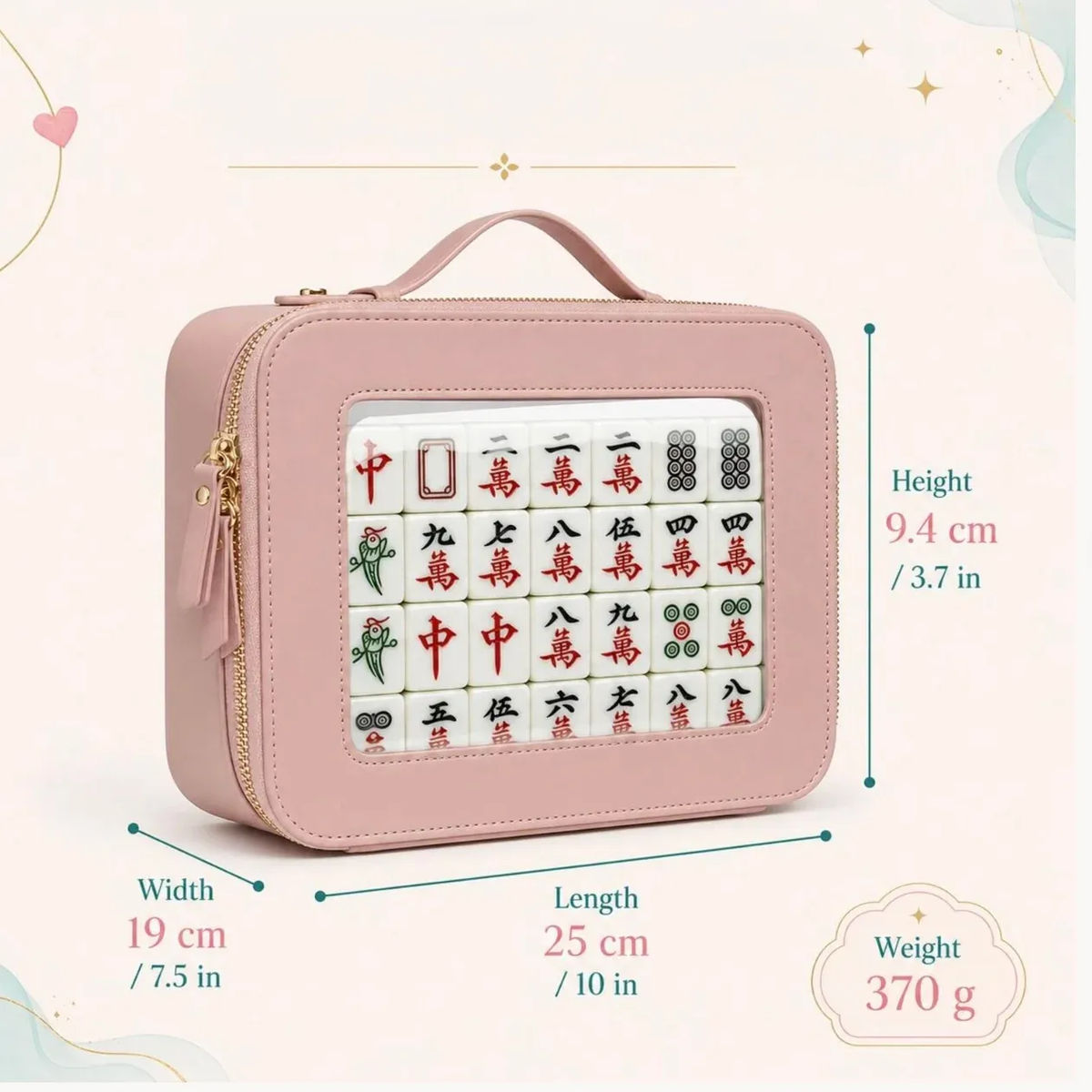
Most mahjong rack bags are made from nylon, canvas, or polyester with fabric or mesh interiors; gentle spot-cleaning with cool water and mild soap removes dust, tile residue, and food stains without damage. Vacuum the interior first, then wipe exterior seams and corners with a damp cloth. For stubborn spots, use a soft brush and let air-dry completely away from direct heat—never machine wash or dry-clean unless the maker specifies it. Check any zipper tracks for grit and wipe them dry. Mahstead bags ship with care guidance for your specific material; follow it to avoid shrinking or weakening seams. Store in a cool, dry place and keep food and drinks off the playing surface to minimize future cleaning.
A mahjong rack bag is a working tool. Every week it travels to the game, holds sixteen tile racks plus pushers, absorbs dust from tile shuffles, and sometimes endures spilled coffee or snack crumbs. Unlike a decorative pouch, a proper bag needs regular maintenance—not deep cleaning, but consistent gentle care—to keep zippers sliding, fabric intact, and straps comfortable.
We've hosted hundreds of games and seen bags that lasted five years and ones that frayed after one season. The difference? Knowing what to clean, what not to, and when.
What's actually dirty inside a mahjong bag?
After a game night, your bag collects tile dust (acrylic shavings from pushing racks together), lint, and tiny fragments of the mat. Players often toss snack wrappers or set down damp hands on the exterior. Zippers accumulate grit in their teeth. None of this damages the bag immediately, but it builds up—zippers get sticky, fabric loses its grip, and you start hunting for a zipper lubricant instead of just wiping it down.
The interior mesh often traps more dust than the main chamber. If your bag has separate pockets for dice, pushers, or a score sheet, each one can harbor crumbs. Most of this is harmless surface dirt, not mold or mildew (unless the bag sat damp for weeks). Regular light cleaning prevents it from bonding to the fabric.

How do you vacuum without damaging the fabric?
Use a handheld vacuum with a low suction setting or a brush attachment—never a high-power shop vac. Tilt the bag and let gravity help; don't press hard against seams or mesh panels. Work zipper areas gently; a stray thread can catch and snag. For mesh pockets, you can place a small fine-mesh screen or coffee filter over the opening first, then vacuum through it, so the filter catches flying bits and protects the mesh from the suction head.
If you don't have a vacuum, a soft-bristled clothes brush or old toothbrush works fine. Tap the bag over a trash can and brush downward into the corners. Takes longer, but it's gentler. Do this before any wet cleaning—dry debris is easier to remove than damp clumps.
What's the safest wet-cleaning method?
Fill a bowl with cool water (not hot, which can set stains) and add one teaspoon of mild dish soap or wool-safe detergent. Dip a soft cloth (microfiber, cotton, or old t-shirt fabric) into the soapy water, wring it out hard so it's damp, not wet, and wipe the exterior seams, handles, and zipper tracks. Don't soak the bag or pour water into it. For interior stains, use the same damp cloth on the inside surfaces, working in small circles. If a spot resists, let the damp cloth sit on it for two minutes, then gently rub again—patience beats scrubbing.
Rinse the cloth in plain cool water, wring it out, and wipe the bag one more time to remove soap residue. Soap left behind attracts dirt faster, so this step matters. Dry with a clean towel, then leave the bag open and upright in a room-temperature, well-ventilated spot—not in direct sunlight (which fades fabric) and not near a heater or radiator (which shrinks synthetics). Air-dry for at least six hours, or overnight to be safe.
How do you clean zippers without breaking them?
Zippers are the first thing to fail on a travel bag, so treat them carefully. Once you've vacuumed the bag, use a dry soft-bristled brush (old toothbrush again) and brush the zipper teeth both sides, from top to bottom, with light pressure. Rotate the brush as you move so bristles fall between the teeth and push out trapped lint and dust.
If the zipper is sticky after brushing, don't force it; that's a sign grit is still there. Brush again, then—and only then—test the pull. If it's still stuck, dampen your cloth with plain water (no soap), wipe the teeth gently, and let dry fully. Never apply silicone spray, graphite, or oil to a mahjong bag zipper; those products attract more dirt and can stain fabric.
Test the zipper a few inches at a time as it dries. If it moves, great. If not, don't yank it—stop, dry it fully, and try once more. A broken slider on a travel bag means the whole bag becomes risky for tile protection mid-journey.
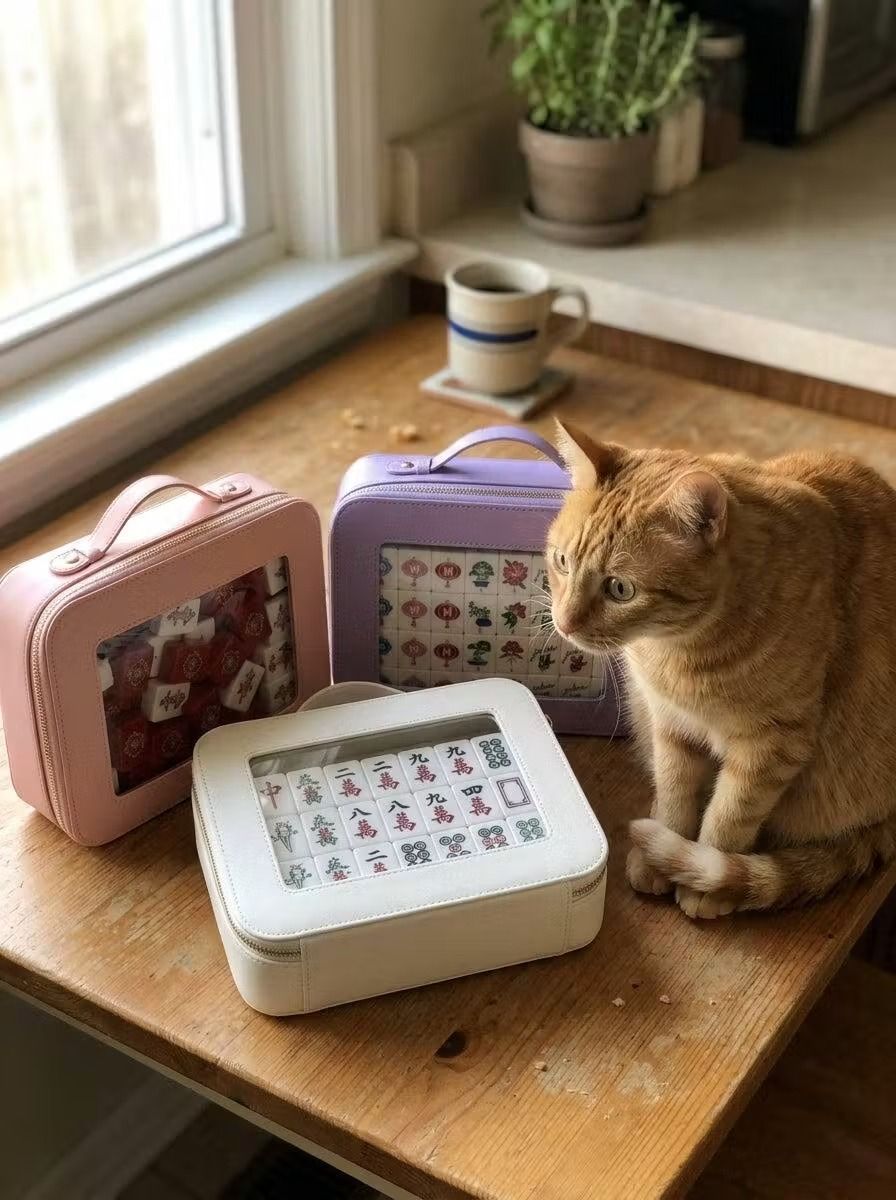
How often should you clean, and what storage rules help?
After every game night, spend two minutes brushing out the interior with your soft brush—this prevents grit from compacting. Once a month (or every 4–6 games), do a full vacuum and zipper check. Do a wet-wipe deep clean twice a year or after any spill, food incident, or humid storage period.
Store the bag in a cool, dry closet or cabinet, not a damp basement or hot garage. If you live in a humid climate, keep a small silica gel packet or activated charcoal inside (not touching tiles) to absorb moisture. Close zippers gently when packing away; never force them while the bag is stuffed, because pressure on a partially-closed slider can bend or jam it. Keep the bag away from pets, direct sunlight, and heaters.
Comparison: Fabric Types and Their Care Needs
Fabric | Cleaning Method | Dry Time | Risk | Best For |
Nylon | Damp cloth, mild soap, brush zippers | 6 hours | Soap residue, heat shrink | Most travel bags |
Canvas | Damp cloth, soft brush, air-dry flat | 8+ hours | Water staining if not dried fully | Heavy-duty game bags |
Polyester mesh | Vacuum first, then damp cloth on seams | 4–6 hours | Snags if brushed too hard | Interior linings, pockets |
Faux leather | Dry cloth only, never soak | 2 hours | Cracking if overwet | Luxury exterior panels |
Choose a bag designed for your play style—a daily game bag has different durability needs than a once-a-month vacation set.
🎁 See our most-loved mahjong sets & accessories →
What to check before you buy a new bag
If your current bag is beyond repair, look for one with reinforced seams, a full-length zipper divider (so tiles don't shift), and pockets sized for pushers and dice. Check that handles are stitched, not glued, to the fabric—stitching lasts years longer. Mesh or ventilation panels should be fine-weave, not loose-knit, so dust doesn't pile up as easily. If you carry an American mahjong set with 160 tiles plus all your racks and a scoring sheet, measure your bag's interior depth; it needs at least five inches to close without crushing racks.
A well-made bag also comes with guidance on fabric care and zipper maintenance. Mahstead bags are packed with that information, and customer care can answer fabric-specific questions if you're unsure what type you have. Don't guess—ask before you clean.
✨ Find your Mahstead set — free US shipping →
Real mistakes we see players make
Tossing a damp bag into storage. One player cleaned her bag with too much water, packed it before it was fully dry, and mold spotted the interior in three weeks. Always dry completely, even if it means overnight.
Using hot water. Heat sets protein stains (food, blood) permanently and can shrink synthetic fabrics. Cool water only.
Ignoring zipper maintenance. A player ignored a sticky zipper, forced it open anyway, and snapped the slider off entirely. Now the bag is open on top and unusable for travel. Regular gentle brushing takes 30 seconds and prevents this.
Storing with tiles still inside. If a bag sits closed with dirty tiles inside for weeks, moisture can trap odors and dust. Empty it, clean it if needed, and store it empty and unzipped.
Machine washing. Don't do it. Even a delicate cycle can twist seams, warp the shape, and jam zippers. Hand-clean only.
🀄 Shop best-selling mahjong sets →

FAQ
Can I machine wash a mahjong bag if I use a delicate cycle?
No. Machine washing risks twisting seams, jamming zippers, and warping the bag's shape. Hand cleaning with a damp cloth and mild soap is always safer and takes five minutes.
What if my bag has a weird smell?
Leave it open in fresh air for 24–48 hours. If odor persists, place a bowl of white vinegar or activated charcoal inside overnight (not touching fabric directly), then air out again. Vinegar smell will fade as it dries.
Is it okay to dry a bag in the sun?
Avoid direct sun; it fades fabric and can weaken synthetic fibers over time. A shaded, well-ventilated spot is ideal. Sunlight drying works in a pinch, but don't make it routine.
How do I get tile dust out of the zipper track?
Vacuum the track with a brush attachment, or use a dry old toothbrush to sweep bristles along the teeth from top to bottom. Once dry, work the zipper back and forth slowly to dislodge remaining grit. Never use oil or graphite.
Can I use fabric protectant spray on my mahjong bag?
Fabric protectants can work on canvas or nylon, but test on a hidden seam first. Never spray zippers or interior mesh; the spray will attract more dust and gunk up moving parts. If you use it, apply lightly to exterior seams only and let dry fully before packing.
What's the difference between cleaning and conditioning a bag?
Cleaning removes dirt and stains. Conditioning (for leather or faux-leather trim) uses a light conditioner to keep material supple. Most fabric mahjong bags don't need conditioning—just regular gentle cleaning keeps them fresh.


View More
View More
View More
