
How to Clean a Mahjong Case: Step-by-Step Guide
Last updated: Nov 23, 2026
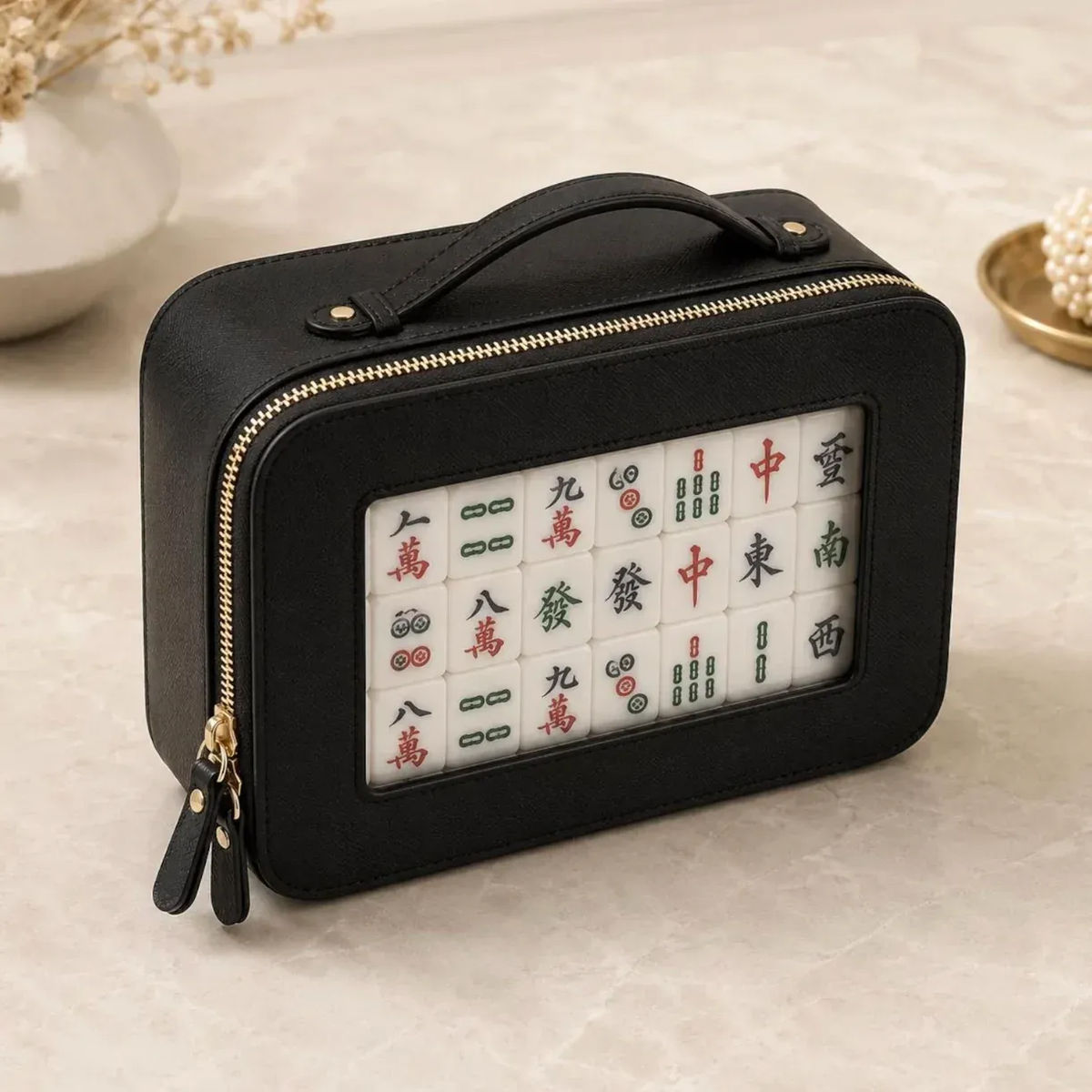
A mahjong case—whether acrylic, fabric, or leather—accumulates dust, tile residue, and humidity marks over time. Clean the exterior with a soft, lint-free cloth dampened with distilled water; for stubborn marks on acrylic, use a microfiber cloth and mild soap solution, then dry immediately. Inside, vacuum gently with a brush attachment to remove tile dust and debris, then wipe compartments with a barely damp cloth. Never use abrasive cleaners, solvents, or high heat. For fabric cases, spot-clean with cool water and mild detergent; for leather, use leather-specific conditioner monthly. Mahstead cases are designed for durability, but proper cleaning extends their lifespan significantly and keeps your set ready for game night. --- 🀄 Shop best-selling mahjong sets →
Why does a mahjong case need regular cleaning?
Your case holds not just tiles—it holds memories of Thursday nights, family tournaments, and years of games. Tile dust, humidity from indoor air, and residue from shuffling accumulate inside and stick to acrylic, fabric, or leather surfaces. Over time, this buildup can discolor your case exterior, make compartments sticky, and transfer grime back onto your tiles before each game. Regular cleaning prevents permanent staining, keeps hinges and clasps smooth, and maintains the visual appeal of your set so that when you open it at the table, everything looks sharp.
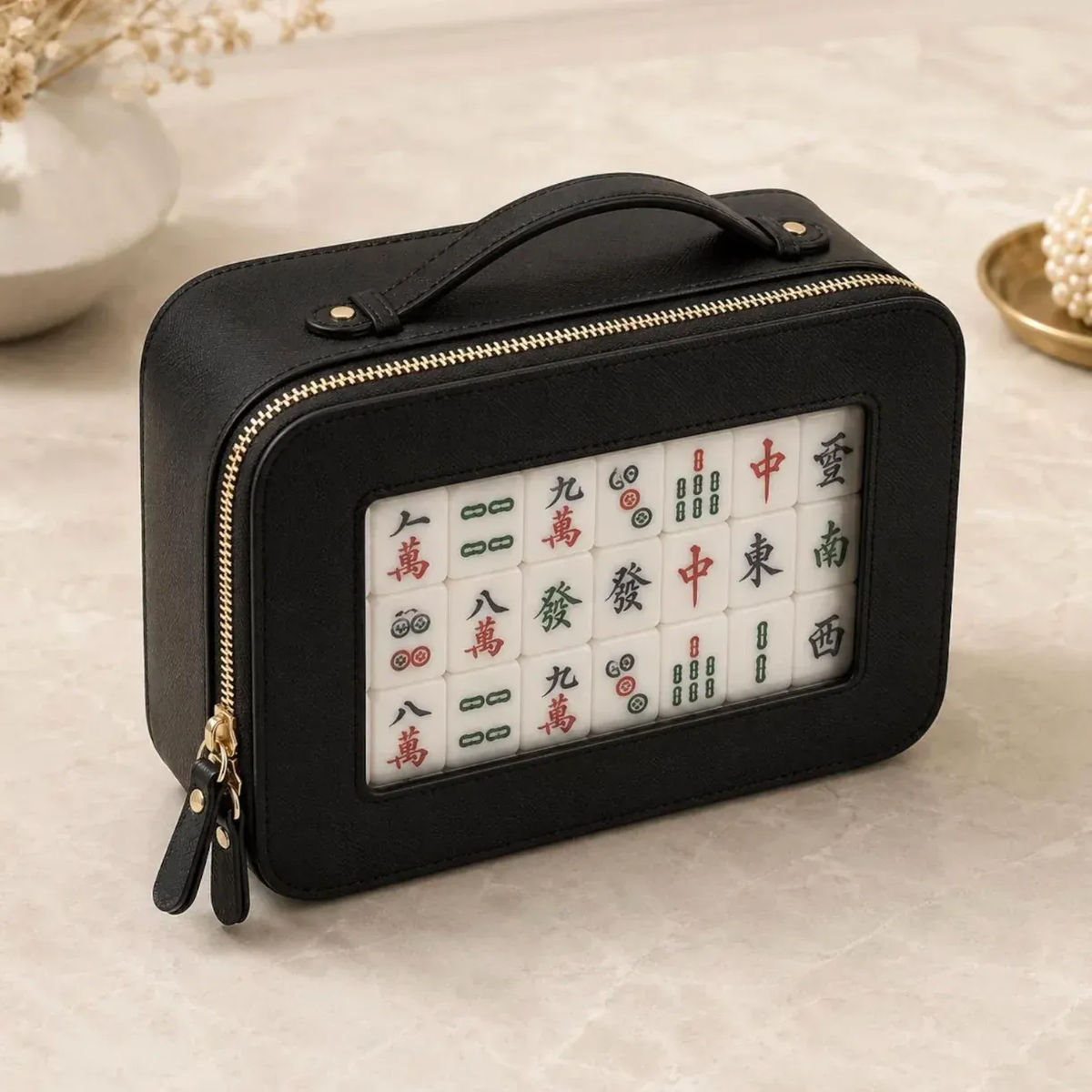
What's the safest way to clean the case exterior?
Start with a dry microfiber cloth—this removes dust without scratching acrylic or scuffing leather. For acrylic cases, which are common in our best-selling collection, lightly dampen the cloth with distilled water (tap water leaves mineral spots) and wipe in circular motions. Never spray cleaner directly onto the case; apply it to the cloth first. If marks persist, add one tiny drop of pH-neutral dish soap to the cloth, wipe gently, then immediately dry with a clean, dry section. For engraved cases, take extra care around lettering—soap and water won't harm the engraving, but aggressive scrubbing can dull it. Leather cases should never touch water; instead, use a dry cloth and condition monthly with leather cream to prevent cracking.
How do you clean the inside without damaging tiles?
Remove your tiles and set them aside on a clean surface. Vacuum the interior gently with a handheld vacuum's brush attachment, or use a small soft-bristled brush to dislodge dust from corners and compartments. Never use compressed air, which can scatter fine dust and push particles deeper into seams. After vacuuming, wipe the interior with a cloth barely damp with distilled water—"barely" means squeeze out excess water until the cloth is just slightly moist. Wipe compartments, dividers, and the base, then leave the case open to air-dry for at least 30 minutes before returning tiles. This prevents moisture from being trapped and keeps the case smelling fresh. If your case has fabric lining, avoid soaking it; a damp cloth on the surface is enough.
What cleaning mistakes should you avoid?
Never use paper towels on acrylic—they're abrasive and leave lint. Never apply cleaner directly to the case; always apply to cloth first. Never use window cleaners, furniture polish, acetone, or alcohol-based products on acrylic; they can cloud the plastic or damage the finish. Don't let water sit on leather or fabric; it causes staining and mold. Avoid storing your case in direct sunlight or heat, as UV light fades acrylic and drying heat cracks leather and warps fabric. Never stack heavy objects on top of the case; acrylic can warp under pressure. Most importantly, don't mix cleaning methods—pick one approach and stick with it consistently so the case maintains a uniform appearance.
🎁 See our most-loved mahjong sets & accessories →

How often should you clean your mahjong case?
Light cleaning—dry microfiber cloth wipe-down—should happen once a month or after every four to six games, depending on how often you play and the environment. Monthly conditioning for leather keeps it supple. Deep cleaning—vacuuming the interior and wiping compartments—happens twice yearly or whenever you notice dust or humidity marks. If you play in a smoky room or dusty climate, increase frequency. If your case sits in a climate-controlled home and you play once a week, monthly exterior maintenance and quarterly interior cleaning is enough. The key is consistency; a few minutes of gentle care every month prevents the need for aggressive scrubbing later.
What supplies do you actually need?
Supply | Purpose | Why it works | Avoid instead ---|---|---|--- Microfiber cloth (2–3) | Dry dust removal; polishing | Soft, lint-free; won't scratch acrylic | Paper towels, tissues Distilled water | Safe exterior wiping | No mineral deposits like tap water | Tap water, rain water Mild dish soap (pH-neutral) | Stubborn marks on acrylic | Gentle, effective, rinses clean | Bleach, window cleaner Soft-bristled brush | Interior dust removal before vacuuming | Reaches corners without scattering dust | Wire brush, hard bristles Handheld vacuum (brush head) | Interior dust collection | Gentle suction without blowing dust around | Compressed air, regular broom Leather conditioner (if leather case) | Monthly conditioning | Prevents cracks and maintains suppleness | Water, oil, furniture wax Cotton swabs | Fine detail work (hinges, clasps) | Precise cleaning in tight spots | Paper towels in corners
Most of these items already live in your home. For cases from our travel bag collection, this approach keeps any material—acrylic, nylon, or leather—looking new for years.
✨ Find your Mahstead set — free US shipping →
What to check before you buy a new case
If your current case is damaged beyond cleaning, consider these points when choosing a replacement from our bags and cases guide:
Material durability: Acrylic resists staining but shows fingerprints; fabric hides dust but holds odors; leather looks elegant but needs conditioning.
Interior compartments: Divided interiors keep tiles organized and reduce dust mixing; open interiors are easier to clean but less protective.
Seal quality: Cases with tight-fitting lids and clasps keep humidity and dust out better than loose-fitting designs.
Ventilation: Cases with small air gaps prevent moisture buildup better than hermetically sealed designs.
Size and weight: A case that fits easily into a car or bag gets used more; one that's awkward sits home.
Cases designed by players—like those in Mahstead's collection—balance these factors so cleaning becomes less frequent and less necessary.
Real-world example: Three cases, three cleaning routines
Acrylic hardshell case: Wipe exterior weekly with dry microfiber cloth; monthly wipe with barely damp cloth; vacuum interior quarterly. Takes 10 minutes total. Stays visibly clean and dust-free.
Fabric nylon case: Brush exterior monthly with soft cloth; spot-clean stains with cool water and mild soap on a cloth; wipe interior with barely damp cloth quarterly. Takes 15 minutes. Resists permanent staining if addressed quickly.
Leather case: Wipe exterior with dry cloth after each use; condition with leather cream monthly; never wipe interior with water, only dry brush and vacuum. Takes 5 minutes per use, 10 minutes monthly. Leather actually improves with age if cared for.
What you'll need
Cleaning supplies are minimal, but a good case makes maintenance easier. If you're building or upgrading your setup, explore our travel bag collection for cases designed with easy-to-clean interiors and durable finishes.
For complete tile protection and game-day readiness, pair your case with mahjong mats that reduce dust transfer and racks with pushers that keep tiles organized and separate from case edges during storage.

FAQ
Can I use Lysol or disinfectant spray on my mahjong case?
No. Lysol and bleach-based sprays can cloud acrylic, stain fabric, and damage leather finish. Stick to mild dish soap and distilled water. For sanitizing during illness, wipe tiles individually with a cloth barely damp in diluted soap, never the case itself.
Why do acrylic cases sometimes get cloudy after cleaning?
Cloudiness usually comes from mineral deposits in tap water or residue from harsh cleaners. Always use distilled water and pH-neutral soap. If cloudiness has already set in, wipe with distilled water on a microfiber cloth; if it persists, it's permanent etching and won't affect function.
Is it okay to store the case open to air-dry for days?
Yes, overnight or even a few days of air-drying is fine and actually prevents odor and mold. However, don't leave it open in direct sunlight for extended periods; UV light can fade acrylic and weaken fabric over time. A few hours in indirect light is ideal.
What causes that sticky feeling inside the case after years of use?
Humidity mixed with tile dust creates a film that builds up over time. Vacuum thoroughly, wipe with a barely damp cloth, and ensure the case is stored in a dry place. If stickiness persists after cleaning, the case lining may be deteriorating; consider replacing it.
Can I use a damp cloth on the hinge and clasp, or will it rust?
Most modern cases use stainless steel or plastic hinges that resist rust. A barely damp cloth is fine, but dry immediately. If you see rust forming, wipe dry and avoid water contact in future; apply light machine oil to keep hinges moving smoothly.
Should I ever use furniture polish or car wax on acrylic?
No. These leave buildup, attract dust, and can cloud acrylic. Stick to water-based microfiber polishing. For leather, use only leather-specific conditioner; wax and furniture polish will damage the leather grain. ---


View More
View More
View More
