
How to Clean a Mahjong Bag: Step-by-Step Care Guide
Last updated: Nov 23, 2026
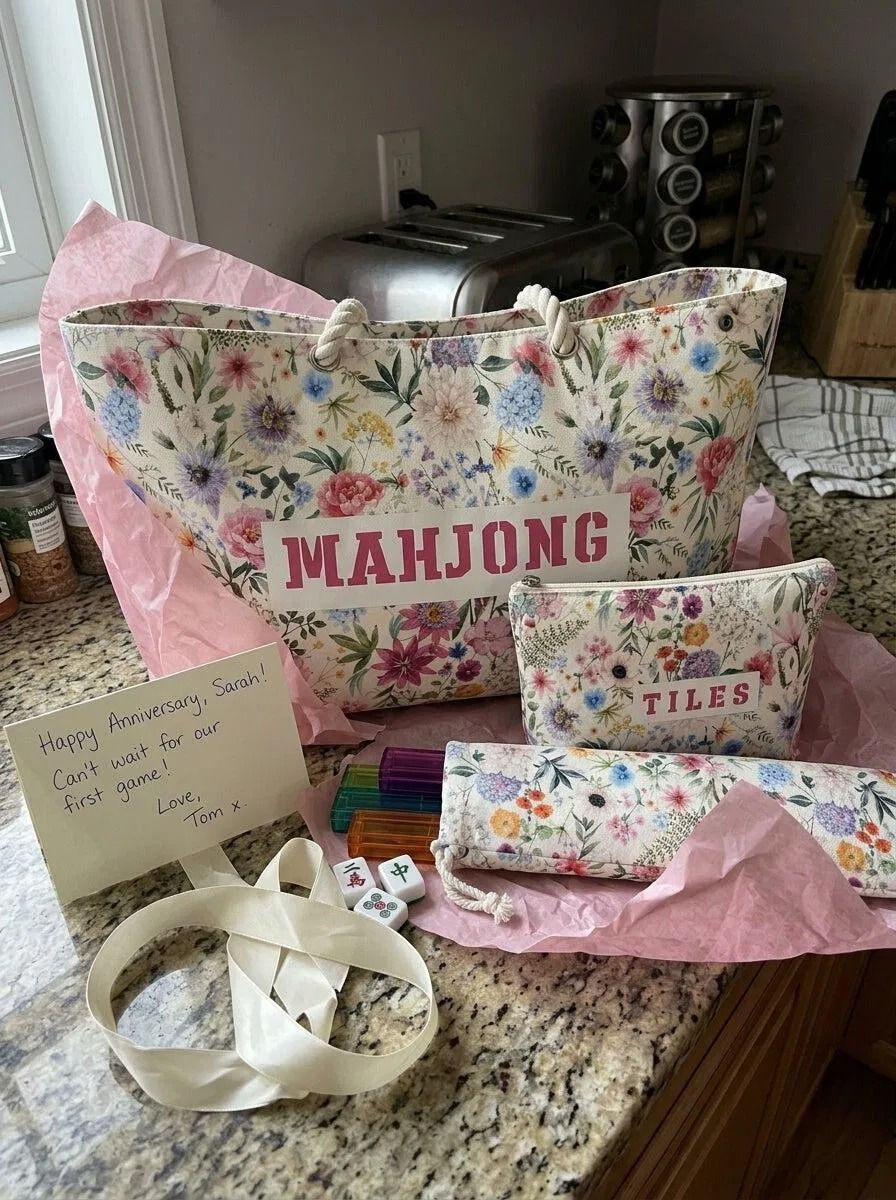
Most mahjong bags are made from durable cotton, polyester, or nylon with acrylic-lined compartments. Spot-clean surface stains with a damp cloth and mild dish soap, then air-dry completely—never machine wash or tumble dry. For stubborn marks or odors (common after weekly games), wipe the interior compartments with a slightly damp microfiber cloth, let air circulate for 24 hours, and inspect seams and zippers for debris. If your bag has developed persistent stains, worn fabric, or broken hardware, consider replacing it with a fresh travel bag from our collection designed to survive the real rigors of hosting and transport.
Hosting weekly games means your mahjong bag takes a real beating—tile dust settles in corners, spilled drinks drip on fabric, and zippers get yanked by tired hands at midnight. Unlike a closet accessory, a mahjong bag carries 160 tiles, mats, racks, dice, and scorecards in and out of homes, cars, and game rooms every single week. Cleaning it properly keeps your tiles safe and your bag functional for years.
Why does a mahjong bag need regular cleaning?
A mahjong bag sits on tables where people eat, drink, and shuffle tiles for hours. Dust, salt residue from snacks, and moisture accumulate inside, especially in compartments where tile dust settles. Over time, this grit can scratch tile surfaces, corrode zippers, and create musty odors that transfer to your tiles. Regular cleaning prevents damage to both the bag and its contents, and it's quick—most cleanings take under 15 minutes. A clean bag also shows respect when you're hosting at someone else's home or bringing it to a community center.

What's the safest way to clean the fabric exterior?
Start by emptying everything out completely. Use a soft-bristled brush or an old toothbrush to gently sweep away surface dust and debris from seams and corners—tile dust gets trapped here most. For stains, mix a few drops of mild dish soap (like what you'd use to wash dishes by hand) with cool water in a small bowl. Dip a clean microfiber cloth into the solution, wring it almost dry, and wipe the stained area in circular motions. Never soak the bag, spray it with a hose, or scrub aggressively—these can weaken seams and push water into interior compartments. Let the exterior air-dry completely (2–4 hours) before refilling. Avoid harsh detergents, bleach, and fabric softener; they break down protective coatings and fade colors.
How do you clean the interior compartments without damaging tiles?
Interior compartments—where your tile racks sit, where loose jokers hide, and where dust settles—need gentle attention. Use a dry brush first to dislodge any tile dust or crumbs. Then, dampen a microfiber cloth slightly with cool water (the cloth should feel barely damp, not wet), and wipe down the interior lining, focusing on corners and seams. If the lining has stubborn marks, a single drop of mild dish soap on the damp cloth is enough; rinse by wiping with a fresh, water-dampened cloth afterward. Never spray water directly into compartments, and never use the hose or run water over the interior. Let the bag sit open for 24 hours in a well-ventilated space to dry completely. If your tiles are acrylic or bone, they're durable, but trapped moisture inside a sealed bag will create mold and mildew—air circulation is your best tool here.
What should you do about zippers, handles, and hardware?
Zippers trap tile dust and debris, which then prevents them from gliding smoothly. Open and close the zippers several times, then use a dry toothbrush to gently brush along the slider tracks from top to bottom, working out grit. If a zipper is still stiff, apply a tiny amount of silicone-based zipper lubricant (not oil) to the slider, then zip it open and closed a few times. Wipe away excess. For handles and reinforced corners, wipe with the same barely-damp microfiber cloth used on the interior. If leather trim is present, use a dedicated leather cloth or a cloth dampened with distilled water only—never soap on leather. Check that handles are secure and that any metal rivets or grommets aren't loose; if hardware is corroded or broken, replacement bags are often more cost-effective than repairs.
When should you replace your bag instead of cleaning it?
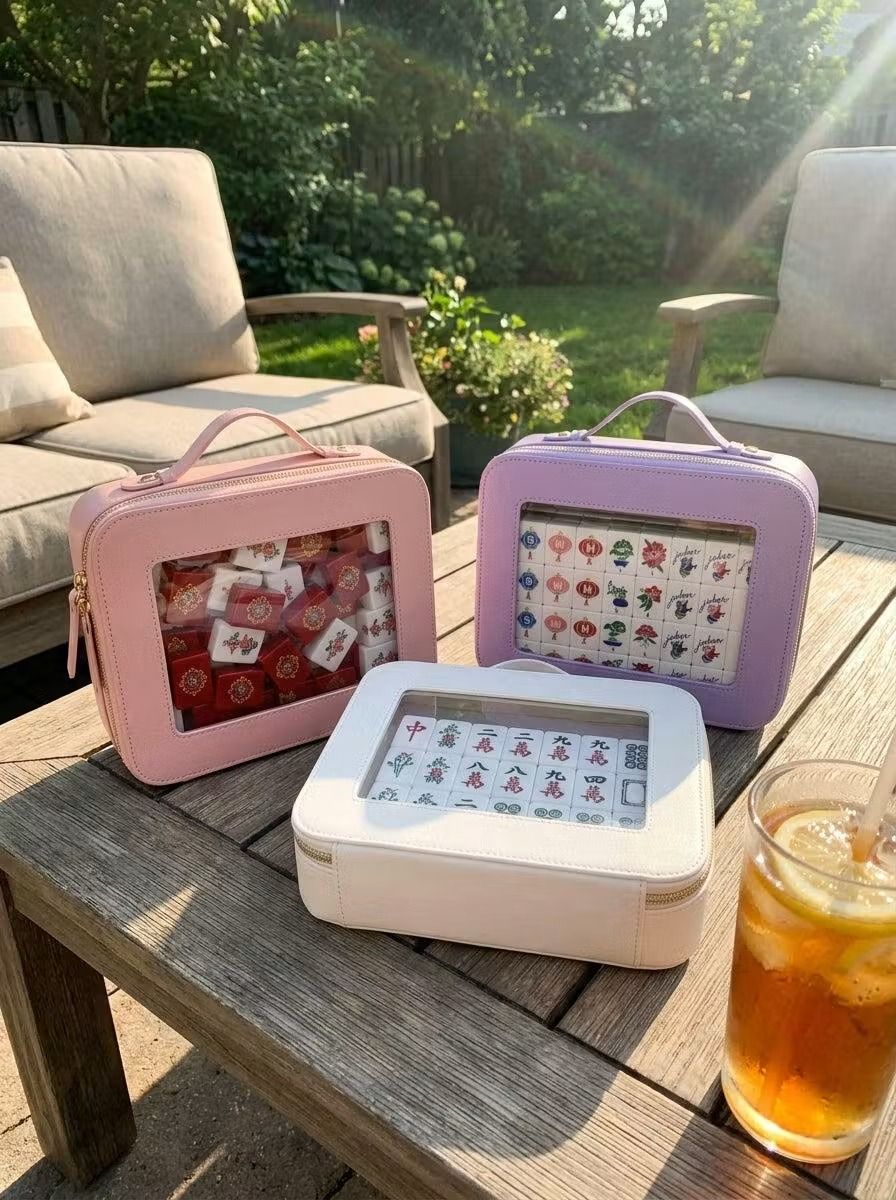
If your bag has torn seams that are separating, a zipper that won't close or is broken, fabric that's faded or thinned to the point of tearing, or persistent odors that won't disappear after airing out for days, it's time to retire it. Worn bags let moisture and dust reach your tiles, and a broken zipper can spill your entire set during transport—a real risk when you're carrying to a friend's house or to weekly games at a community space. Our travel bag collection offers designs built for real weekly players who need durability and compartments that protect tiles, mats, and accessories through years of use. A fresh bag also gives you a chance to choose one that fits your current setup better—some hold mats, others prioritize tile protection, and many include pouches for scorecards and dice.
Quick comparison: cleaning vs. replacing
Situation | Action | Timeline | Why it works |
Surface stains, dust | Damp cloth, mild soap, air dry | 15 min + 2 hr dry | Restores appearance, extends life |
Musty smell, no visible damage | Air out 24–48 hours, dry brush interior | 2–3 days | Moisture and mildew are the culprit |
Stiff zipper, grit buildup | Dry brush tracks, silicone lubricant | 10 min | Restores function without replacement |
Torn seam, broken zipper, persistent odor | Replace with new bag | Immediate | Prevents tile damage and transport accidents |
🎁 See our most-loved mahjong sets & accessories →
What to check before you buy a replacement bag
If you decide your old bag is done, measure what you're actually carrying: the length and width of your mat (if you store it in the bag), the height of your tile rack and pushers, and whether you need space for dice, scorecards, and a second set of tiles. Some bags are designed for tile sets only, while others have reinforced compartments for mats and accessories. Check that zippers move smoothly in the store or read descriptions carefully online. Look for double-stitched seams and padded corners—these are worth the investment if you're hosting weekly. Materials like nylon or heavy cotton with acrylic liners tend to outlast thinner fabrics. If you're buying a new set at the same time, bundling a matching bag ensures everything fits together; many of our best-selling sets pair well with compact protective bags.
✨ Find your Mahstead set — free US shipping →
The long-term strategy: clean monthly, replace every 3–5 years
We recommend a quick clean every 4–6 weeks if you're hosting weekly or biweekly games. A five-minute surface wipe and dust-brush after every game night keeps dust from compacting and smells from developing. Once a season (every 3 months), do a deeper interior clean with the barely-damp cloth method. Most durable bags will last 3–5 years of real weekly use with this routine. When wear shows—fraying seams, corner softening, or a zipper that won't track—start shopping for a replacement. Treating your bag as a consumable (not a permanent heirloom) removes guilt about replacing it and ensures your tiles always travel safely.
🀄 Shop best-selling mahjong sets →

FAQ
Can I machine wash a mahjong bag?
No. Machine washing weakens seams, forces water into interior compartments, and damages zippers. Stick to spot-cleaning with a damp cloth and air-drying.
How do I remove odors from a mahjong bag?
Empty the bag completely and air it open in a well-ventilated space for 24–48 hours. Place an open box of baking soda inside overnight if needed. Never seal it until it's completely dry.
What's the best cloth for cleaning the interior?
A microfiber cloth works best—it traps dust and won't shed fibers that stick to tiles. Dampen it slightly with cool water only; wring it nearly dry before wiping.
Should I clean my bag after every game night?
A quick five-minute dust-brush and exterior wipe keeps dirt from packing in. A full deep clean every 4–6 weeks is sufficient for weekly players.
How do I know when a zipper needs replacement?
If it won't close smoothly, skips along the track, or separates partway, start by cleaning the tracks and applying silicone lubricant. If it still fails, the bag isn't worth repairing—replace it.


View More
View More
View More
