
How to Choose Mahjong Chips and Coins: A Buyer's Guide
Last updated: Nov 23, 2026
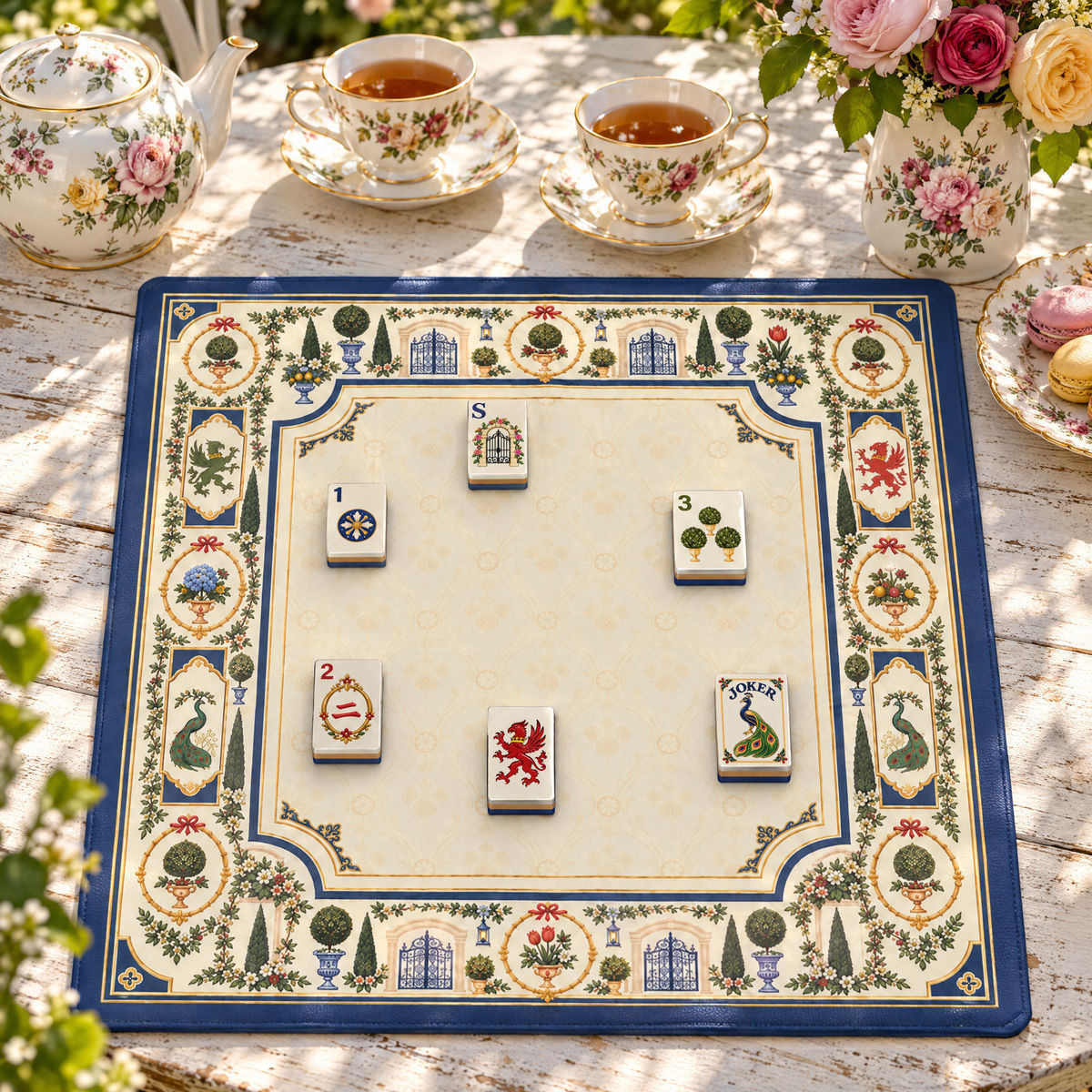
Mahjong chips and coins are the scoring tokens players exchange to track points and handle payment during play. In American mahjong, a standard chip set typically includes numbered denominations (often 1, 5, 10, 25, 100) to represent units of payment between players; some groups also use dedicated "chip racks" or trays to organize them. Chinese and Hong Kong variants often use heavier, thicker brass or clay chips with embossed numerals. Chip cost depends on material (plastic versus composite versus clay) and thickness; the quality and durability directly affect whether they'll last through years of weekly games. What matters most: choose a denominator that matches your group's stakes, buy enough chips to avoid re-paying mid-game, and pick a weight and feel that encourages careful play—cheap, lightweight tokens invite careless throws.
What denominations do different groups actually use?
American mahjong players rarely use chips for high-stakes betting; most groups track payment with chips valued at 1, 5, 10, 25, and sometimes 100 points per unit. Some casual weekly games skip chips entirely and settle in cash post-game. Chinese variants, especially in competitive clubs, use chips as gambling tokens with fixed dollar or point values—your group's house rules set the denomination. Hong Kong players often use metal or bone chips in 1, 5, 10 denominations. The key: align your chip set to your group's actual settlement method before buying, or you'll have the wrong denominations sitting unused.
🀄 Shop best-selling mahjong sets →

How much do different chip materials cost and how long do they last?
Plastic chips are the budget entry point and ideal for casual home games; they're lightweight, colorful, and won't break the bank if a set gets lost. Composite resin chips (heavier, often with embossed designs) cost more but feel professional and last years of weekly play without cracking—we prefer these for groups that meet regularly. Clay or ceramic chips carry the highest price tag and mimic casino-grade tokens; they're heavy, satisfying to handle, and practically indestructible, but overkill for most home groups. Brass or metal chips, common in Chinese games, offer durability and tradition but require careful storage to prevent tarnish. Budget roughly 2–3× more for composite over plastic, and 3–5× more for clay; longevity and tactile satisfaction often justify the leap if your group plays weekly.
How many chips should you buy for a four-player game?
A four-player American mahjong game requires enough chips to cover the maximum payout: typically 150–300 chips total, depending on hand values and scoring. Distribute them equally at the start—if you're playing with 1, 5, 10, 25 denomination, each player might start with thirty chips (roughly 30 units). Chinese or Hong Kong games often use 200–400 chips per set to allow for larger betting rounds and re-buys. The mistake we see most: buying a "standard" 100-chip set and running out mid-game, forcing players to invent IOUs or pause to count. Measure your group's average payout (ask your regular players what they typically settle) and buy at least 50% more than that number—extra chips cost little and prevent the awkward chip shortage mid-game.
Chip Style | Best For | Material | Durability | Feel |
Plastic (solid color) | Casual/new groups | Polycarbonate | 2–3 years | Light, bright |
Composite resin | Weekly home players | Resin + inlay | 5+ years | Professional, weighty |
Clay/ceramic | Serious/competitive | Clay composite | 10+ years | Casino-grade, satisfying |
Metal/brass | Traditional Chinese | Brass or aluminum | 10+ years | Heirloom, tarnish risk |
What size and thickness work best for easy handling at the table?
Standard chips are 39–40 mm diameter and 3–4 mm thick; thicker chips (4–5 mm) resist warping and feel sturdier in your hand, especially during the Charleston or when stacking payments. Smaller chips (32–35 mm) save table space but become slippery and harder for players with arthritis or vision issues to manage. Width matters too: chips too thin (under 2.5 mm) feel flimsy and bend; chips over 5 mm become difficult to stack neatly in racks. We recommend 39–40 mm diameter and 3.5–4 mm thickness as the comfort zone—easy to grip, stack, and count without dominating your mahjong mat or racks. If your group includes older players or anyone with hand mobility concerns, go thicker and slightly larger; your fingers will thank you after two hours of active play.
🎁 See our most-loved mahjong sets & accessories →
How do you organize chips during play without slowing down the game?
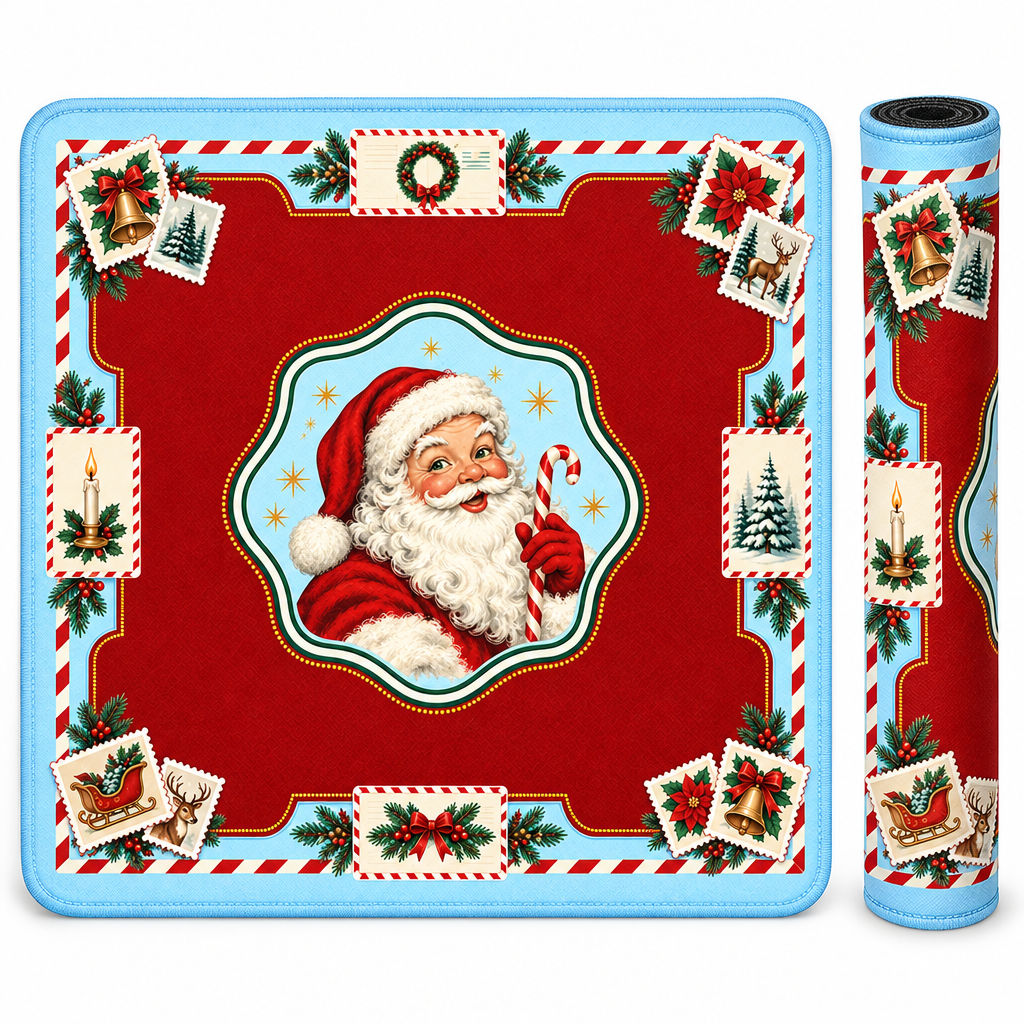
Most groups use small trays, shallow bowls, or dedicated chip racks—divided compartments for each denomination prevent fumbling and speed up payment. Some players organize chips in piles by value and hand them across the table as losers pay; this works for casual games but breaks down at speed. Competitive players often use vertical stacking trays where chips slot into labeled rows by denomination, letting you count and verify totals at a glance. Stack chips neatly in front of you (not loose in a pile) so the player receiving payment can see exactly what they're getting—no disputes, no recounts. The rule: organize chips before the first hand, and keep the system consistent every game. If you're using a mahjong mat, position your chip tray in a corner where it won't interfere with tile movement or player reach.
What to check before you buy
Count: How many chips total, and in what denominations? Verify the set includes enough for your group size and typical payout.
Material & thickness: Will they survive your group's play style? (Casual plastic or weekly-game composite?)
Diameter and height: Can your players grip and stack them comfortably? Test one if possible.
Color contrast: Are denominations clearly labeled or color-coded? Misreading a chip mid-payout wastes time.
Condition on arrival: Check for cracks, warping, or printing defects before opening the seal.
Should you buy chips separately or as part of a complete set?
Most retailers sell chips as standalone purchases (useful if you already have tiles and racks) or bundled into starter kits. We recommend buying best-selling mahjong sets that include matched chips, a mat, racks, and a case—they're designed to work together, the math is already correct, and you avoid the scramble to find compatible denomination and size. If you already own tiles and just need chips, buying separately makes sense; just verify the denomination aligns with your group's house rules first. Bundled sets save money and ensure everything fits in your bag or storage case.
✨ Find your Mahstead set — free US shipping →
FAQ
Do I need chips for American mahjong, or can I just settle in cash at the end?
You can settle entirely in cash post-game, but chips speed up play and reduce argument about who owes what mid-hand. Chips also let players see live score dynamics, which makes the game more engaging. Most American groups use chips; it's optional but highly recommended for weekly play.
What's the difference between chips for American mahjong and chips for Chinese mahjong?
American chips often come in 1, 5, 10, 25, 100 denominations tuned to American hand payouts. Chinese chips typically use 1, 5, 10 and may include larger "betting" chips (50, 100+) because Chinese games involve higher stakes. Verify your group's standard before buying so the set matches your scoring variant.
Can I use casino poker chips for mahjong?
Yes, poker chips work—they're the right size, durable, and usually well-labeled by denomination. The downside: they're not custom-engraved for mahjong, so you lose the thematic appeal, and you'll need to verify they include the denominations your group uses.
How do I know if a chip set is counterfeit or low-quality?
Watch for: uneven edges, faded or smudged print, inconsistent thickness across the set, flimsy plastic that bends easily, or missing denominations. Buy from reputable sellers, inspect photos before ordering, and don't hesitate to request sample images or return items that feel cheap or broken upon arrival.
Should I buy extra chips as backup?
Yes. Extra chips prevent mid-game shortages and account for loss (chips get dropped, lost between sessions, or accidentally left at the table). Buy at least 25% above your calculated need; spares cost little and save frustration.


View More
View More
View More
