
How to Choose an Automatic Mahjong Table
Last updated: Nov 23, 2026
An automatic mahjong table is an electric device that shuffles and deals tiles mechanically, eliminating hand-shuffling and manual stacking. Tables range from compact desktop units to full tournament-size furniture. Most are built for Chinese mahjong (144 tiles) or regional variants; American mahjong (152 tiles) compatibility is less common, so verify tile count before buying. Cost varies widely based on size, material, and automation features. Automatic tables work best for clubs or frequent players who value speed over tradition and have dedicated space. Most require 110–240V power, take 2–4 weeks to ship internationally, and need occasional maintenance (cleaning dealers, checking motor alignment). American mahjong players often prefer manual play with quality mats and racks because the Charleston and hand-shuffling ritual are core to the game's culture and speed isn't the priority.
Are automatic tables right for American mahjong players?
Not typically. American mahjong includes the Charleston—a tile-passing ritual integral to gameplay—and players value the tactile shuffle and the skill of reading hand speed. Automatic tables are designed for Chinese regional variants (144 tiles, rapid rounds, no passing ritual). Most American clubs and home games stick with manual play using engraved sets and felt mats because the tradition and pace suit the game's social rhythm. If you do want automation, verify the table accepts 152 tiles (American count) and ask the maker how it handles jokers and blanks. For American players, automation isn't a practical upgrade—it's a different game experience.
What size and space do you actually need?
Automatic tables range from 48" to 60" wide. Compact units fit living rooms; full-size tournament tables need a dedicated room. Check your ceiling clearance: dealer arms can be 3–4 feet tall when stacking. Power outlet location matters—tables draw consistent current and may trip breakers if shared with other appliances. Most sit 28–32" high, matching standard dining tables. Before ordering, measure your room, confirm your circuit breaker capacity with an electrician if unsure, and account for seating room around all four sides (allow 24–36" per seat). Delivery teams usually place the table but don't always install it fully. Ask the seller whether assembly, leveling, and a test run are included in their service.
🀄 Shop best-selling mahjong sets →
What are the real differences between table types?
Feature | Budget Desktop Units | Mid-Range Home Tables | Tournament Tables |
Tile Count | 108–126 (Chinese only) | 144 (Chinese variants) | 144–160 (mixed, rare for 152-American) |
Deal Speed | 3–5 minutes | 2–3 minutes | 90–120 seconds |
Dealer Arm Style | Fixed or slow-moving | Rotating, adjustable height | High-speed motorized rotation |
Footprint | 36–48" × 36–48" | 48–54" square | 54–60" square |
Estimated Price Basis* | Entry level | Hobby/club use | Professional/tournament |
Tile Compatibility | 144 only; no jokers | 144; limited joker support | Varies widely; ask maker |
Durability | 2–3 years casual use | 5–8 years moderate use | 10+ years heavy use |
Maintenance Burden | Low; fewer parts | Moderate; dealer arm checks | High; motor, electrical, alignment |
Best For | Solo learning, novelty | Home club (weekly games) | Multi-table venues, tournaments |
*Price varies by region, maker, and materials; verify current pricing from the seller before deciding.
The key trade-off: cheaper tables wear dealer arms faster and may jam with non-standard tiles. Mid-range tables suit home groups who play 2–4 times monthly. Tournament models cost 2–3× more but are built for 4+ daily games and commercial repair support.
What maintenance and reliability issues should you expect?
Automatic tables have motorized parts that wear: dealer arms, shuffle mechanisms, tile guides, and electrical connectors are common failure points. Dust and tile debris accumulate in the dealer mechanism; cleaning every 2–4 weeks prevents jams. Tile surfaces may warp in very humid climates, causing misfeeds. Motor brushes degrade after 3–5 years of heavy use; replacement can cost 15–30% of the table's purchase price. Electrical surges and power fluctuations can damage control boards; use a surge protector on the outlet. Verify the maker offers replacement parts (motor, arms, circuit boards) and whether a technician is available in your region. Budget 10–15% of the purchase price annually for maintenance if you play 2+ times weekly. Many buyers underestimate this cost and regret buying without a local service network nearby.
When should you buy a manual mat setup instead?
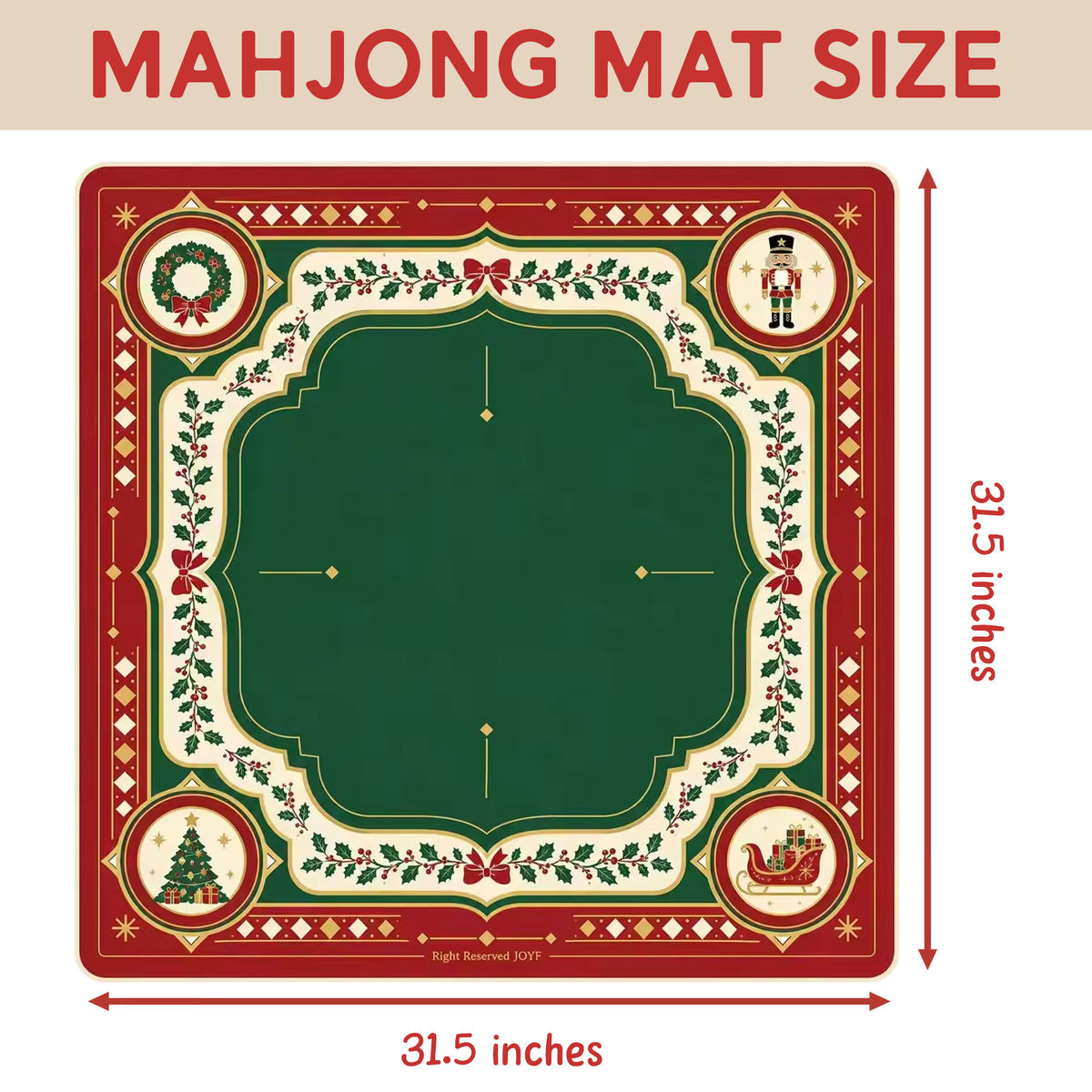
If you play American mahjong, host weekly home games, or value portability and tradition, a manual setup with felt mats and racks with pushers is the better choice. Here's why: American sets come in 160-tile versions that fit perfectly on a mat; shuffling by hand takes 2–3 minutes and is part of the game's rhythm; mats roll up or fold for storage; racks with pushers organize tiles and speed up hand-reading without electricity; and the total cost is 1/5 to 1/10 the price of an automatic table. Manual setups also work anywhere—living room, kitchen, outdoor table—without power constraints. The Charleston (tile passing before play) doesn't work on automatic tables at all. If you're buying for an American group, skip automation and invest in durable engraved sets and quality mats instead.
What should you check before ordering?
Pre-purchase checklist:
Tile count: Confirm it's 144 (Chinese standard) or 152 (rare; American mahjong). Ask the maker if they've tested American sets with jokers and blanks.
Variant compatibility: Does it support your preferred game (Cantonese, Sichuan, Hong Kong, Taiwanese, etc.)? Chinese games differ in hand types and tile function.
Delivery & placement: Who delivers? Do they unbox, assemble, and level it? What's the lead time from order to arrival?
Power & space: Measure your room. Confirm 110V or 240V availability. Ask about noise level (some dealer motors are loud).
Warranty & service: What does it cover (parts, labor, wear items)? Is there a local technician? How long is the coverage?
Trial period: Can you return it if it doesn't work after 30 days? Automatic tables are big, heavy purchases; some sellers allow short-term trials.
Test run: Before signing, ask to watch a video of the table dealing a full round on your tile type, if possible.
Spare parts availability: Check if replacement dealer arms, motors, and control boards are in stock and reasonably priced.
🎁 See our most-loved mahjong sets & accessories →
Most problems stem from buyers skipping these steps: ordering a 144-tile-only table, finding no service nearby, or not measuring space properly. Start by asking yourself: Do I need speed, or do I value tradition and portability? If the latter, a manual setup with a quality mat solves the problem for less money and more flexibility.
✨ Find your Mahstead set — free US shipping →
FAQ
Can an automatic mahjong table work with American mahjong sets?
Most automatic tables are built for 144-tile Chinese mahjong and don't reliably handle 152-tile American sets or jokers reliably. Before buying, ask the maker for a direct answer—don't assume compatibility. If automation appeals, confirm 152-tile support and test it with your specific set first.
How long does an automatic mahjong table last?
Mid-range home tables typically last 5–8 years with 2–4 weekly games if maintained regularly. Tournament-grade models last 10+ years under heavy use. Budget for motor and dealer-arm replacement around year 4–5. Regular cleaning and surge protection extend lifespan.
Is an automatic table quieter than hand-shuffling?
No—most automatic tables produce 60–80 decibels during shuffle and deal (comparable to a dishwasher). Some players find the noise disruptive during conversation. If a quiet game is important, test a demo unit's noise level before committing.
What's the real cost difference: automatic table vs. manual mat setup?
A manual American mahjong setup (set, mat, racks, bag) runs under $200 total. Automatic tables start around $800–1200 for entry models and go up significantly for tournament-grade units. Manual setups also avoid electricity, maintenance, and repair costs. For home play, the manual approach costs 1/5 to 1/10 as much.
Do automatic tables work for all four players equally, or does one dealer advantage matter?
Automatic tables deal all tiles mechanically, so no player gains an edge from shuffling skill—but the time saved is identical for all players. The real advantage is consistency and speed, not fairness. In American mahjong, the Charleston ritual and hand-speed reading matter more than deal consistency, which is why most American clubs don't use them.


View More
View More
View More
