
How to Choose a Mahjong Table: Mats, Covers & Setup
Last updated: Nov 23, 2026
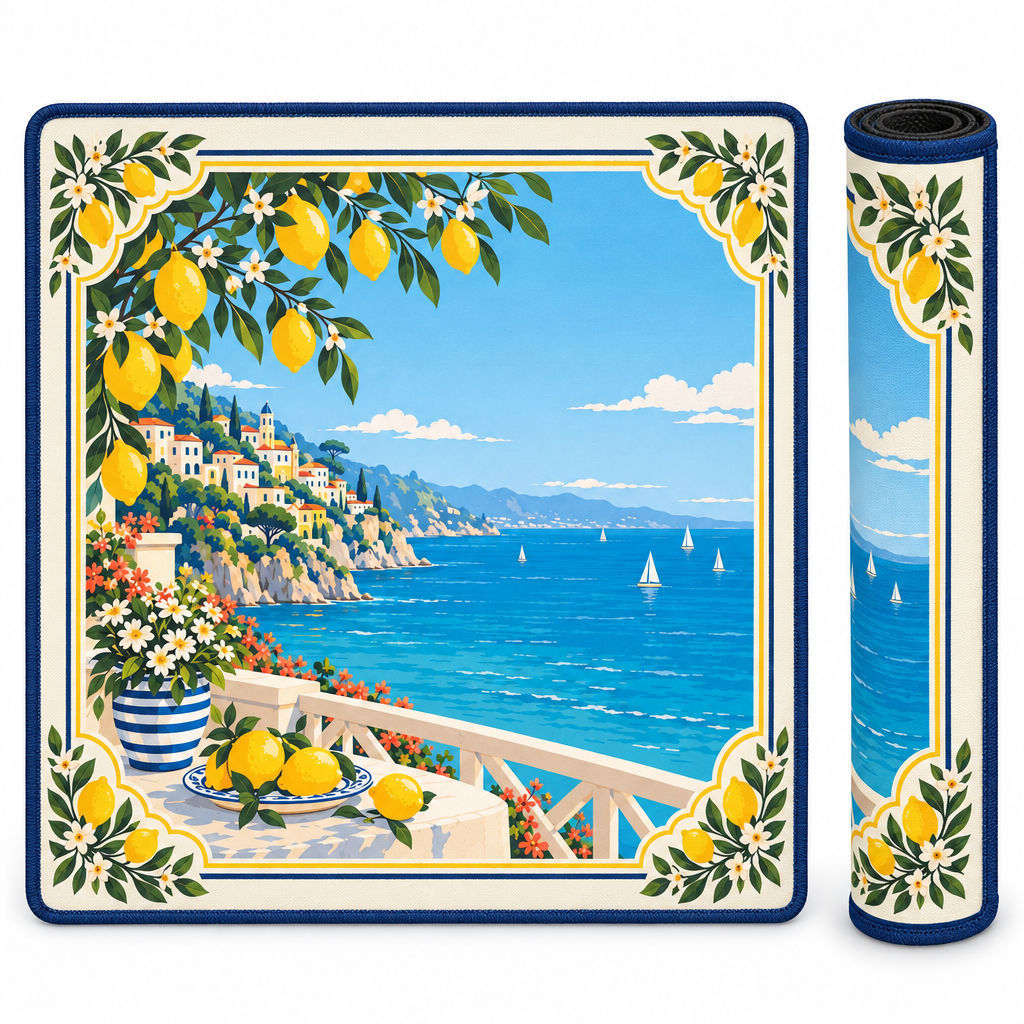
A mahjong table is either a permanent furniture piece (wood, tile, or felt surface), a portable mat that rolls or folds, or a cover that transforms an existing table. American mahjong players typically use a dedicated mat or cover because it protects tiles from sliding, keeps the game contained, and travels easily if you host in different homes. Mats range from basic neoprene or fabric rolls to precision-cut versions with player zones, cup holders, and pushers built in. Most players spend between casual and serious investment levels depending on whether they play weekly socially, host regular games, or travel to tournaments. We see three main mistakes: buying a mat too small for four players and their racks, choosing slippery material that makes tile management hard, and selecting a rigid table when portability matters. Check surface grip, dimensions (ideally 36"×36" for comfortable four-player reach), reversibility, and whether it packs flat before ordering.
🎁 See our most-loved mahjong sets & accessories →
What size mat do I actually need?
Most four-player American mahjong games work best on a mat or table at least 36" × 36", though 40" × 40" gives breathing room for racks, discards, and the dead wall. Measure from your play area's center to each player's forearm position while sitting; if you can't rest a 14-tile rack with pushers comfortably without crowding, the mat is too small. A mat that's too cramped forces players to lean over, makes it hard to manage mahjong racks with pushers, and leads to accidental knocks. Many portable mats compress into a roll, so check both the playing size and the packed dimensions: some 36" mats fold down to about 15" diameter, others stay bulky. If you're playing at tables where space is limited (small apartments, narrow dining tables), a 28"–32" mat works for casual games, but expect some edge-of-seat play. Permanent tables should never be smaller than 36"×36" because players will fatigue faster and misread the board. Measure your actual space before deciding.
Portable mat or permanent table—which fits your life?
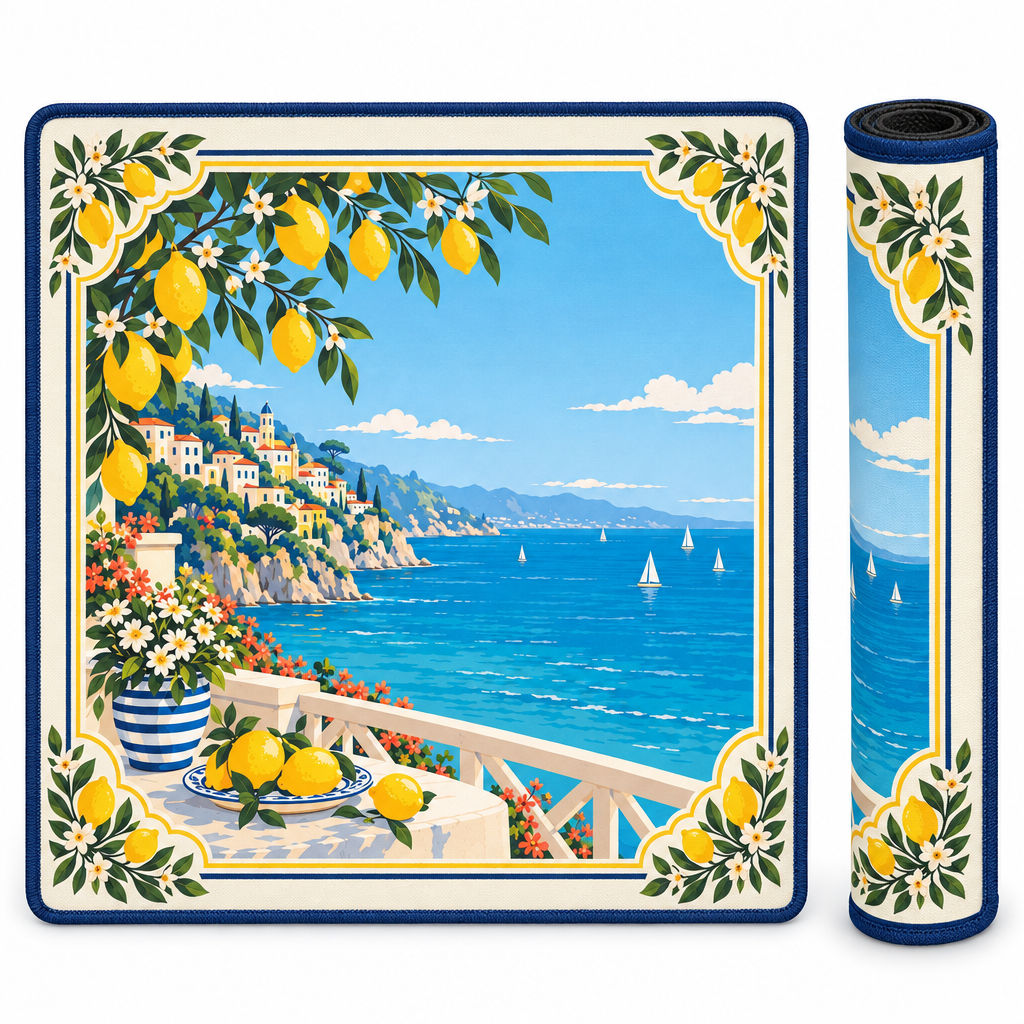
Portable mats win for players who move between homes weekly, travel to tournaments, or host rotating game nights at different venues. They roll or fold into a bag, ship easily, and transform any flat surface into a mahjong-ready play area. Permanent tables suit players with dedicated game rooms, a stable weekly group, and the budget for furniture. Felt-top or tile-inlay tables create an elegant aesthetic and eliminate the need to store equipment, but they're heavy, require a dedicated space, and cost significantly more upfront. If you play the same night every week at one location, a permanent table reduces setup time and creates ritual. If your group varies locations or you travel, a portable mat in a travel bag is essential. A hybrid approach: use a mat at home and keep a compact mat in your car for backup games or teaching new players. Think about whether you'd rather own furniture or carry a roll; that answer determines your best choice.
🀄 Shop best-selling mahjong sets →
What surface material keeps tiles from sliding?
Tile grip depends entirely on surface texture. Neoprene and rubberized fabrics grip well and are affordable; they're durable, compress easily, and feel cushioned under tiles. Felt (traditional wood-table surface) grips tiles moderately and creates a "soft" feel but stains easily and wears with heavy use. Vinyl or plastic surfaces are slippery—avoid them unless you plan to use them only as protective covers under a different mat. Suede-finish mats are premium: they grip tiles firmly without being sticky, feel luxurious, and resist staining better than felt. Test grip by sliding a tile across the mat: it should move smoothly with a push but not skate freely. Many players layer a thin neoprene mat over a permanent table for both aesthetics and grip control. If you play with engraved American mahjong sets or have acrylic tiles with engraved characters, a grippy surface reduces accidental slides that can damage engravings or confuse tile placement during complex hands. Reversible mats let you switch between two surfaces—typically felt on one side and neoprene on the other—giving flexibility for different play styles or seasons.
Surface Type | Grip Quality | Durability | Cost Basis | Best For |
Neoprene/rubber | Excellent | High | Budget-friendly | Weekly casual play, travel |
Felt | Moderate | Medium | Mid-range | Permanent setups, tournaments |
Suede-finish | Excellent | Very high | Mid to premium | Regular serious games, aesthetics |
Vinyl/plastic | Poor | Medium | Budget | Temporary protection only |
Combination (reversible) | Excellent both sides | High | Mid-premium | Players who want flexibility |
Do I need a mat with built-in zones and pushers?
Mats with built-in markings for player positions, dealer zone, and discard areas speed up setup and help new players understand table layout instantly. Pushers—the small sticks used to manage your 14 tiles—come as separate tools or sometimes attach to mat edges. If you host frequently or teach beginners, a zoned mat saves explanation time and reduces setup errors. Experienced players often prefer a plain mat and carry separate mahjong racks with pushers because they like flexibility: you can adjust player positions, rotate tables, or use racks from our best-selling collection to match your set's aesthetic. Built-in cup holders or tile stops are genuine conveniences if your group moves tiles frequently or plays in environments where stability matters (uneven surfaces, enthusiastic gestures). A zoned mat also prevents disputes about where the dead wall goes or which corner holds the dealer's discard. For casual home games, a plain mat with separate racks is simpler and cheaper; for tournament-style or teaching setups, a marked mat prevents chaos. Decide based on how often you host newcomers: if that's regular, the zoning investment pays off in time and clarity.
What should I check before ordering?
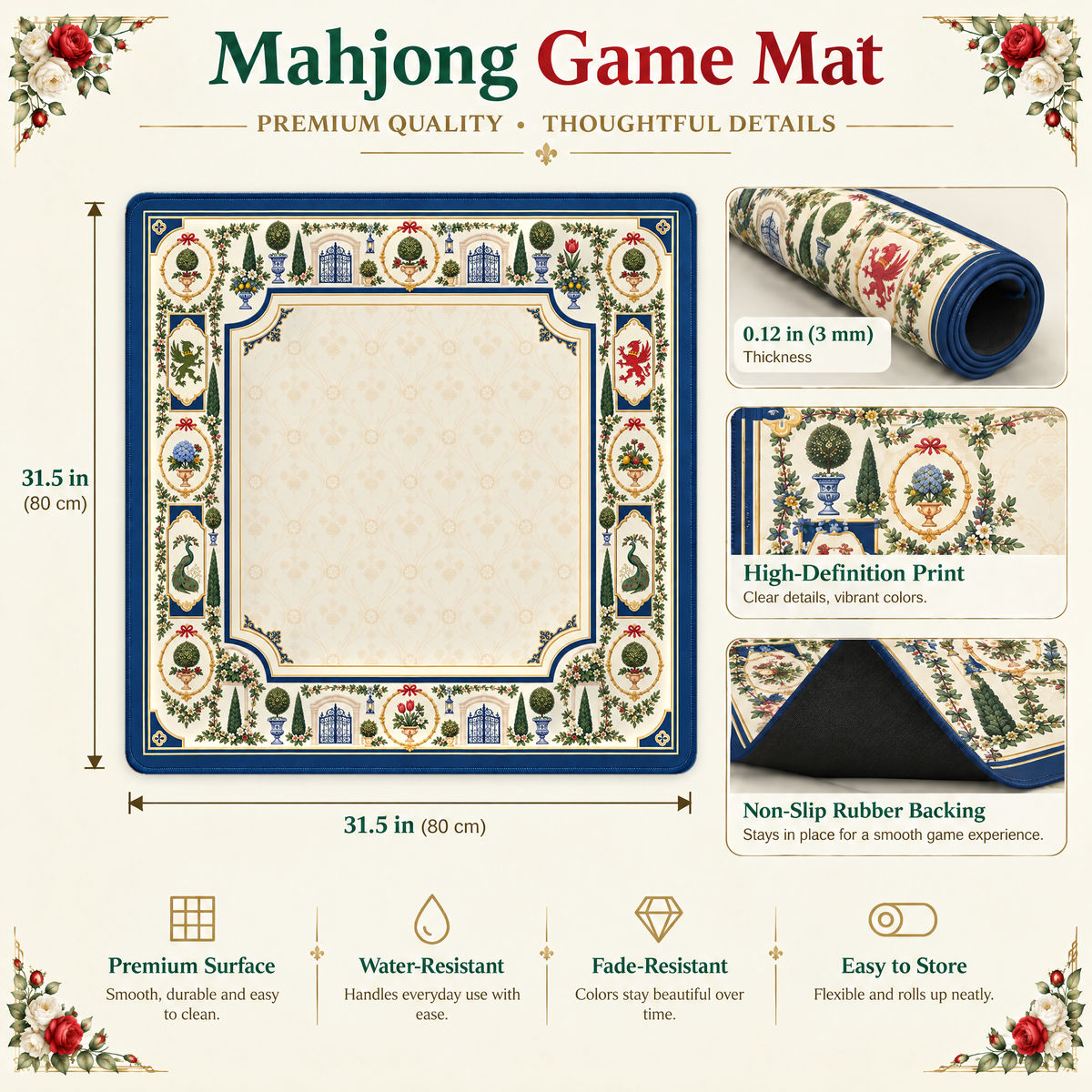
Before you buy, confirm: (1) Folded/rolled size—does it fit your storage space or car? (2) Weight—mats under 5 lbs travel easily; heavier ones suit permanent setups. (3) Reversibility—can you flip it to extend its life or use a different surface? (4) Seams and edges—are they reinforced to prevent peeling after repeated folding? (5) Cleaning—is the surface stain-resistant and machine-washable? (6) Compatibility—does it work with standard 152-tile sets and typical rack sizes? (7) Warranty or return policy—can you test it with your actual setup? Many players order a mat, play one game, and realize it's too stiff, too slippery, or the wrong color to match their best-selling sets. Ask your game group if anyone has a similar mat; borrow it for a test session before committing. Check whether the mat ships flat or rolled; flat-shipped mats may arrive creased and need time to relax, while rolled mats unroll immediately. If you're buying as a gift, include a note: portable mats often surprise players with how much they improve the game once they've used one.
✨ Find your Mahstead set — free US shipping →
Permanent vs. pop-up: a real player's decision tree
Ask yourself: Do I have a dedicated game room? If yes, a permanent table is worth considering. Do four people come to the same house every week? If yes, permanent makes sense. Do I travel or host in multiple venues? If yes, portable always wins. What's my budget? Permanent tables require significant upfront cost; portable mats range from affordable to mid-premium. How often do I play? Daily or tournament players benefit from a permanent setup; casual weekly groups rarely need one. Do I also want to use the table for other activities? A permanent mahjong-only table is an investment; a mat over a dining table serves double duty.
One honest truth: most American mahjong players we know own a portable mat. It forces nothing, enables spontaneity, and works in almost any space. A permanent table is lovely for serious devotees but not essential even for tournament-level play. If you're starting out, invest in a good portable mat and match it with mahjong racks with pushers; you'll outgrow cheaper gear quickly, but a quality mat lasts years.
What to check before you buy
Dimensions: Measure your play space; 36"×36" minimum for comfort.
Grip: Slide a sample tile; it should move smoothly but not skate.
Portability: Does it fold flat? Does it fit your car or storage?
Reversibility: Two surfaces extend its life and flexibility.
Seam strength: Reinforced edges prevent unraveling after folds.
Cleaning: Can you wipe or wash it without damage?
Compatibility: Does it accommodate four players, racks, and a 152-tile set?
FAQ
Can I use a regular tablecloth instead of a mahjong mat?
A tablecloth alone doesn't grip tiles well enough; they'll slide during play and damage engravings or disturb careful placements. A mat underneath a tablecloth works, or use a dedicated mat for reliable gameplay.
What's the difference between a mat and a table cover?
A mat is designed for play and grips tiles; a cover protects a permanent table's surface. Many players use both—a mat on top of a protective cover over furniture.
Do I need to buy a mat if I already have a dining table?
No, but a mat vastly improves play. Tiles slide on bare wood or glass, and players get frustrated. A mat transforms any table into a functional mahjong surface.
How do I clean a mahjong mat without damaging it?
Most neoprene and fabric mats wipe clean with a damp cloth and mild soap. Check the product details before washing; avoid submerging if seams aren't sealed.
Can I roll a mat too tightly and damage it?
Quality mats withstand repeated rolling, but extremely tight rolling (smaller than 6" diameter) can crease fabric. Roll to fist-size or use a bag; avoid garage storage under heavy items.
What mat size works for 2 or 3 players?
A 32"×32" mat works for three players seated around one side. For two, any standard mat functions, but American mahjong is designed for four; two-player variants use different rules and require fewer tiles.
Should I buy a mat with my set or separately?
Buy them together if you're new to the game—a cohesive setup (set, mat, racks) feels complete. Experienced players often upgrade mats independently to match changing aesthetics or portability needs.
Are expensive mats significantly better than budget options?
Premium mats offer better grip, durability, and aesthetics, but mid-range neoprene mats serve casual players well. Invest in premium if you play weekly or host; otherwise, a solid budget mat suffices.


View More
View More
View More
