
How Much Does a Mahjong Set Weigh?
Last updated: Nov 23, 2026
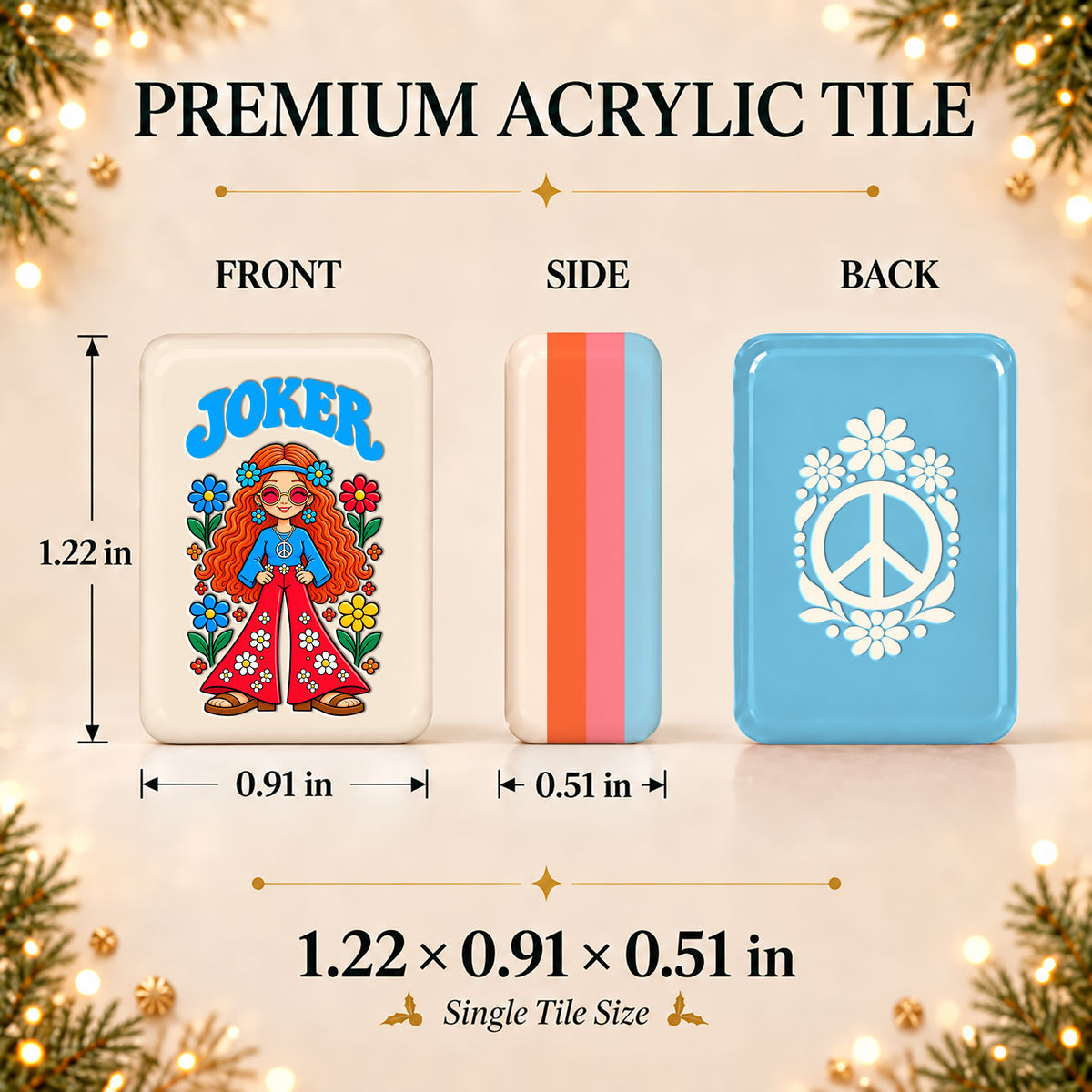
An American mahjong set (160 tiles: 152 playing pieces plus spares) in acrylic weighs roughly 3–4 lbs without a mat or case. Add a padded travel bag and you'll reach 4–5 lbs. Heavier sets use solid resin or bone-and-bamboo tiles; lighter sets use thin acrylic or plastic. The mat alone (usually neoprene or felt-backed canvas) adds 1–2 lbs. Racks with pushers add a few ounces. For home play, weight rarely matters; for travel or hosting at different venues, knowing your set's weight helps you pack and transport it without strain. Mahstead's acrylic sets are engineered for durability and reasonable weight, making them popular for weekly game groups across the US.
An American mahjong set—152 tiles plus 8 jokers—in acrylic weighs roughly 3–4 lbs without a mat or case. Add a padded travel bag and you'll reach 4–5 lbs. Heavier sets use solid resin or bone-and-bamboo tiles; lighter sets use thin acrylic or plastic. The mat alone (usually neoprene or felt-backed canvas) adds 1–2 lbs. Racks with pushers add a few ounces. For home play, weight rarely matters; for travel or hosting at different venues, knowing your set's weight helps you pack and transport it without strain. Mahstead's acrylic sets are engineered for durability and reasonable weight, making them popular for weekly game groups across the US.
What's actually in the weight?
The 160 tiles themselves—acrylic or resin, in solid or segmented design—account for most of the heft. Each tile weighs roughly 0.2–0.3 ounces depending on thickness and material. Two racks (each holding 8–9 tiles standing upright) add 4–8 ounces combined. Two pushers (wooden or acrylic rods used to nudge tiles along the rack) are negligible. The tile case or pouch can add 0.5–1.5 lbs if padded. A mat (neoprene or felt) runs 1–2 lbs on its own. If you buy a deluxe set bundled with dice, wind paddles, and a case, expect closer to 5–6 lbs total.

Does material type really change the weight that much?
Yes. Acrylic (solid or segmented) is the lightest and most affordable mainstream choice—3–4 lbs for a complete set. Resin (cast or injected) feels denser and heavier, often 4–5 lbs for the tiles alone. Bone-and-bamboo or wood-and-bamboo sets are premium and can reach 5–7 lbs because bone is denser than acrylic and bamboo racks are solid. Plastic (usually lightweight polyresin) might be 2–3 lbs but wears faster under regular play. For our weekly games, acrylic strikes the best balance: light enough to carry, durable enough to last years, and affordable enough to replace if needed.
🀄 Shop best-selling mahjong sets →
Why does weight matter for travel and hosting?
If you host games at home, weight is academic—set it down once, play for hours. If you shuttle between players' homes, a venue, or a tournament, weight affects your back and car space. A 5 lb set fits an overhead airline bin; a 7 lb set with a mat and case might not. Some players with arthritis or mobility concerns prefer lighter sets to avoid fatigue when handling tiles during shuffling or play. For groups rotating venues weekly, choosing a travel bag or case designed to distribute weight evenly (with shoulder straps or hand grips) makes a difference over a season.

How do you measure a set's weight before buying?
Reputable sellers list weight per component: tiles, racks, pushers, mat, case, separately or combined. Check the product description or contact the seller directly. If they don't specify, ask—it's a fair question. Acrylic sets from makers focused on the American game typically publish weights because weight correlates with durability and player experience. If you're ordering online, factor shipping weight into your decision; a heavier set costs slightly more to ship, though Mahstead offers free US shipping, so the cost difference is nil for you. Weigh your existing set on a kitchen scale (tiles in case, no mat) as a reference point if you're upgrading or gifting.
What's the real-world takeaway for your game group?
Pick a weight that matches your use case: if you play at home every Friday, weight is irrelevant—focus on tile feel and racks with pushers that suit your hand size and tile count. If you travel monthly, aim for 3–4 lbs (tiles + racks) plus a lightweight padded case. If you're a tournament player, choose a set you've held and shuffled in person—comfort beats specs. For gift-giving, heavier often signals "premium" to the recipient, but lighter sets appeal to older players or those with hand fatigue. Test your group's preferences by asking: "Would you rather carry this set 10 blocks, or play with it once a week in one room?" The answer steers you toward the right choice.
What to check before you buy
Tiles + racks weight: Does the listing separate this from the mat and case?
Material: Acrylic, resin, or bamboo? Each has different density and durability.
Included extras: Do dice, wind paddles, or a mat come bundled? They add weight.
Case type: Soft padded bag (lighter, compresses) or rigid box (heavier, protects better)?
Your carrying scenario: Home-only, weekly travel, or tournament play? Choose accordingly.
🎁 See our most-loved mahjong sets & accessories →
Quick comparison: weight by set type
Set Type | Estimated Weight (tiles only) | Best For | Why |
Acrylic, segmented | 3–4 lbs | Weekly home games, travel | Light, durable, affordable |
Acrylic, solid | 3–4 lbs | Players who like solid feel | Premium acrylic is sturdy |
Resin, cast | 4–5 lbs | Tournament or serious players | Dense, quieter shuffle |
Bone-and-bamboo | 5–7 lbs | Collectors, indoor play | Beautiful but heavy |
Plastic/lightweight polyresin | 2–3 lbs | Beginners, causal play | Wears faster; not for heavy rotation |
Add ~1.5 lbs for a neoprene mat and 0.5–1 lb for a soft case if you're calculating total carrying weight.
For beginners new to American mahjong, weight often feels like a minor detail until you've hosted three games in a row or carried your set up three flights of stairs. We recommend you spend 10 minutes holding and shuffling a set in person—or ask another player what their set feels like—before ordering. Most acrylic sets from Mahstead's best-selling collection land in the sweet spot: light enough for weekly portability, durable enough for decades of play, and priced reasonably so you're not stressing over durability.
✨ Find your Mahstead set — free US shipping →

FAQ
Does a heavier mahjong set mean better quality?
Not always. Acrylic and resin sets of equal quality differ in weight because of material density. Heavier ≠ better; it means denser tile material. Choose based on feel, durability, and your transport needs, not weight alone.
Can I weigh my set at home to compare before upgrading?
Yes. Place tiles and racks in their case on a kitchen scale. Write down the number. This becomes your reference when comparing other sets online or in person.
Do lighter sets break more easily?
Thin acrylic or plastic can crack if dropped; solid acrylic or resin are tougher regardless of weight. Material quality (not weight) determines breakage risk. Mahstead acrylic sets are engineered to withstand regular shuffling and play.
Is a 5 lb set too heavy to shuffle comfortably?
For most players, no—5 lbs is manageable for one hand. If you have arthritis or shoulder pain, test before buying. Lighter sets (3–4 lbs) are easier if you shuffle multiple times an hour or have mobility concerns.
Why do some sellers not list weight?
Oversight or lack of testing. Always ask the seller directly. Reputable makers provide this spec because players need it for travel and storage decisions.
Do mats and cases add enough weight to matter for shipping?
Mats add 1–2 lbs; cases add 0.5–1.5 lbs. Mahstead offers free US shipping, so weight cost doesn't apply to you—but it affects portability and storage space, which matter for your game group's logistics.


View More
View More
View More
