
How Many Tiles in Tianjin Mahjong: Rules & Setup
Last updated: Nov 23, 2026
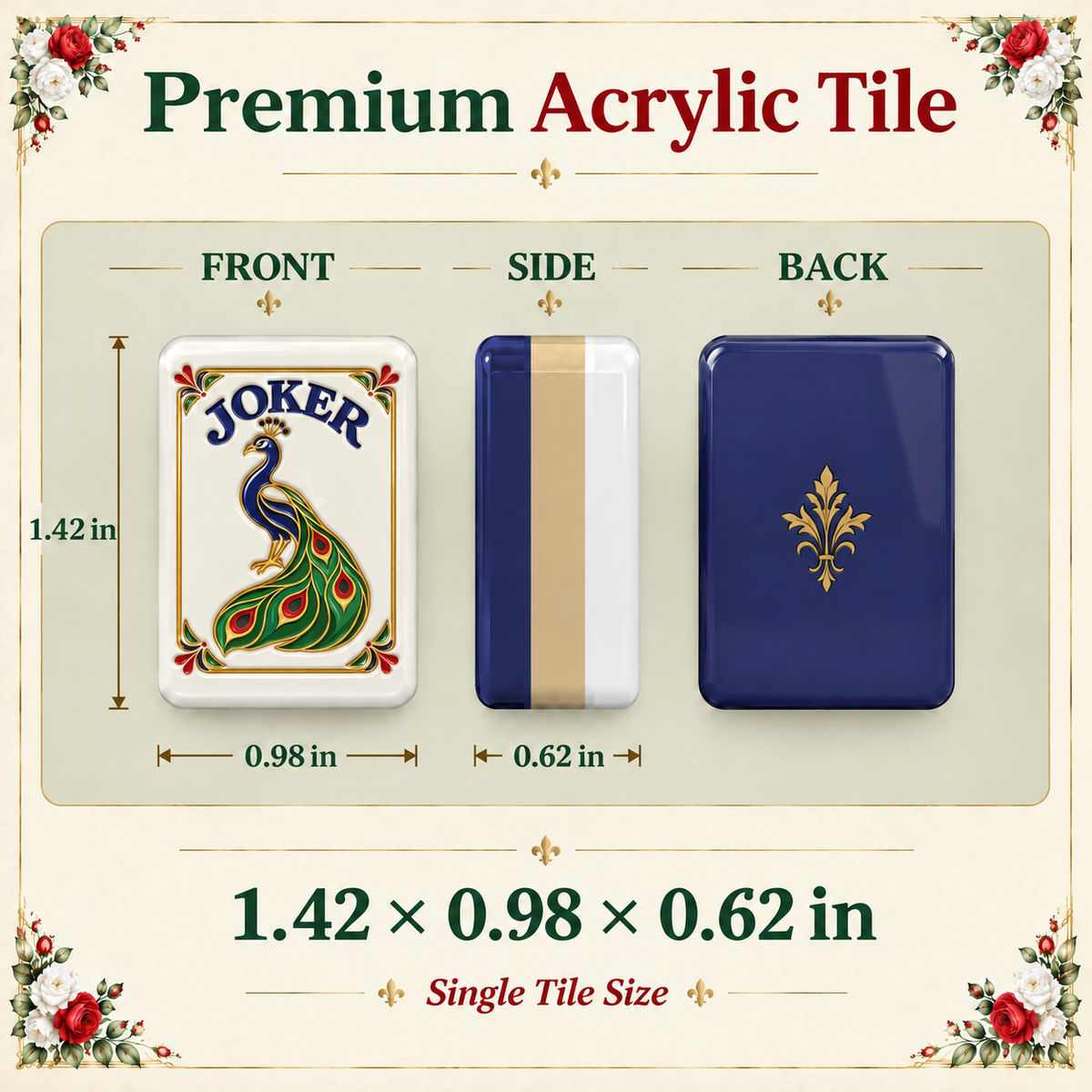
Tianjin mahjong uses 108 base tiles: one suit (Bams) in numbers 1–9, four copies each. Adding 16 winds (N, E, W, S) and 12 dragons (Red, Green, White) brings the standard to 136 tiles; some variants add flowers or honor tiles, reaching 144. Unlike American mahjong's 152-tile format with three suits and jokers, Tianjin strips to essentials: speed and luck dominate. Hands form from melds (pungs, kongs, sequences) and a pair, and the game flows across four players in rounds. Scoring is simpler than American systems. If you play American mahjong regularly, Tianjin feels lighter and faster—ideal for casual play or learning tile recognition under pressure. For accurate local rules, check with your Tianjin club, as regional tweaks vary.
Tianjin mahjong distills the game to its core: one numerical suit, honor tiles, and swift decision-making. If you've played American mahjong with its three suits, dedicated card, and hand lists, Tianjin will feel almost bare-bones at first. But that simplicity is the point—it's been popular in Tianjin for decades precisely because it plays faster and relies less on memorizing a yearly card. Let's unpack the tile count, setup, and how it stacks against American variants you might know.
What is the exact tile breakdown in Tianjin mahjong?
Tianjin mahjong starts with 108 tiles: one suit (Bams, numbered 1–9) repeated four times each, yielding 36 tiles. You then add 16 winds—four each of North, East, West, and South—and 12 dragons: four Red, four Green, four White. That standard core is 136 tiles. Some regions add eight flowers or supplementary honor tiles, pushing counts to 144; local custom and house rules determine whether those extras are used. The game is always played with exactly the tiles in play for that round—no spares sitting out, no jokers substituting for missing tiles.

How does Tianjin's tile set differ from American mahjong?
American mahjong uses 152 playing tiles plus 8 jokers: three suits (Bams, Craks, Dots) with numbers 1–9 each, repeated four times, plus winds, dragons, and flowers. Tianjin uses one suit only and no jokers; tiles are always fixed, and there's no Charleston (the tile-passing ritual that begins an American round). American mahjong hands come only from the current year's National Mah Jongg League card; Tianjin hands are determined by melds and scoring patterns held in memory or a simple reference chart, not a detailed annual card. American play relies on detecting and exposing sets; Tianjin moves faster and rewards quick meld recognition. For players migrating between variants, Tianjin feels stripped down but surprisingly engaging once you've internalized the hand patterns.
🀄 Shop best-selling mahjong sets →
Why does Tianjin use fewer tiles than American or Chinese regional variants?
Speed and accessibility drive Tianjin's lean design. Fewer tile types mean faster identification and quicker rounds—ideal for casual play in a busy city or social settings where turnover matters. With one suit and honor tiles only, new players memorize hand patterns in hours rather than weeks. Chinese regional variants (like Shanghai or Cantonese styles) often add more complexity: bonus tiles, special melds, or quirky scoring rules that reward expertise but slow play. Tianjin stays competitive and welcoming by cutting those extras. American mahjong, by contrast, uses a detailed card specifically to level play and prevent house-rule chaos; it's more formal, league-backed, and standard across clubs. Tianjin thrives on local variation—that's part of its charm and flexibility.
Variant | Base Tiles | Suits | Jokers | Hand Source | Play Speed |
Tianjin | 136–144 | 1 (Bams) | None | Memory/chart | Fast |
American | 152 | 3 (Bam/Crak/Dot) | 8 | Annual League card | Medium |
Chinese regional | 108–144 | Varies | Rare | Local rules | Medium–slow |
Hong Kong | 136 | 1 | Optional | Memory | Medium |

What mistakes do Tianjin beginners commonly make with tile counts and setup?
Confusion between honor tiles and numbered tiles tops the list. New players sometimes treat winds and dragons as interchangeable or forget to include all four copies of each wind; miscounting winds leads to incorrect starting hands and disputes. A second common slip: assuming Tianjin follows American rules about jokers and sets. Tianjin has no jokers and allows sequences (chows: 1–2–3, for example), whereas American mahjong forbids sequences and uses jokers as wildcards. Third, local rule variants trip up visitors: some Tianjin clubs include flowers; others add bonus tiles or special melds. Before your first game, ask explicitly how many tiles are in play and whether flowers or extras are used. Finally, don't assume the hand chart you saw last time applies everywhere—Tianjin scoring patterns shift by region and table. Write down the pattern list before play, or ask a regular to confirm.
How do you set up and distribute tiles in a Tianjin game?
Start with 136 tiles (or 144, if your table uses flowers) shuffled face-down into a wall, much like American mahjong. Four players sit around the table, and the dealer is chosen by rolling dice or house preference. Tiles are drawn in walls of 34 or 36 tiles per side (depending on total count and distribution method). Each player draws 13 tiles (the dealer draws 14 in the first draw). Unlike American mahjong's elaborate Charleston passing phase, Tianjin typically begins play immediately after tile distribution, or follows a simpler exchange ritual if the house custom allows. From there, players draw and discard, forming melds (pungs, kongs, sequences) face-up until someone completes a winning hand: four melds and a pair. Winning triggers scoring based on the type of melds and any bonus conditions your table recognizes.
🎁 See our most-loved mahjong sets & accessories →
What should you check before buying a mahjong set to play Tianjin?
If you're buying a set to play Tianjin, confirm it has only one suit (Bams) and the standard honor tiles—wind and dragon sets are critical. Many Western sellers market "universal" sets with three suits and jokers, which are designed for American mahjong and will confuse Tianjin players. Look for a 136- or 144-tile set from a vendor aware of Chinese regional variants; if you find only American 152-tile or 160-tile sets in your area, you can still play Tianjin by simply setting aside the extra tiles (Craks, Dots, and jokers), but that's clumsy. Tile size and weight matter too: acrylic sets are durable and lightweight, ideal for casual weekly games; bamboo and bone are traditional and heavier, prized by serious players. Ensure tiles are engraved or painted clearly enough to read at arm's length under typical indoor light—worn or faded tiles slow play and invite errors. Our best-selling mahjong sets include American 160-tile options; for Tianjin, you'll want a variant-specific vendor or a regional supplier.
What to check before you buy:
Confirm tile suit count and honor tiles match Tianjin requirements (one numerical suit + winds/dragons).
Verify tile engraving or painting is legible and durable (acrylic holds up well to weekly use).
Check whether local variants in your area use flowers or bonus tiles, and buy accordingly.
Ensure the set includes spare or replacement tiles in case of loss or damage.
Ask the seller if they've shipped to Tianjin players before—regional expertise saves headaches.
✨ Find your Mahstead set — free US shipping →

FAQ
Can I use an American mahjong set to play Tianjin?
Technically, yes—you have enough tiles—but you'll need to remove the extra suit (Craks or Dots) and all jokers, leaving only Bams, winds, and dragons. This is awkward in practice. It's far better to buy or borrow a set designed for the variant you're playing, as tile arrangement and clarity matter for speed and accuracy.
Does Tianjin mahjong use chows (sequences like 1–2–3)?
Yes—Tianjin does allow sequences, unlike American mahjong, which forbids them entirely. Sequences are a core winning meld in Tianjin, alongside pungs (three identical tiles) and kongs (four identical tiles). Learning to spot sequences quickly is essential for Tianjin play.
How many spare tiles should a Tianjin set include?
A well-made Tianjin set typically includes 2–4 extra copies of commonly lost tiles (high-value dragons, especially). Ask your supplier; some vendors don't list spares separately. Having spares prevents mid-game disputes and delays when a tile cracks or goes missing.
What's the fastest way to learn Tianjin hand patterns if I've only played American mahjong?
Start by learning the five or six most common winning hands (typically one sequence, two or three pungs, and a pair). Write them down, drill them during your first three games, and ask table veterans to call out patterns as tiles are played. Tianjin hand memory is faster to build than American card literacy because there are fewer variations.
Are Tianjin tile weights important, or can I play with lightweight plastic sets?
Lightweight acrylic or plastic sets work fine for casual play and are much cheaper and more portable. However, if you're playing in a regular club or tournament, heavier bamboo and bone tiles are standard—they feel better, last longer, and command respect at serious tables. Budget and commitment determine your choice.
How often do local Tianjin rules change, and where do I find current rules for my area?
Local rules rarely change year-to-year, but they do vary by neighborhood and club. Always ask house regulars before your first game, or consult the club's written rulebook if one exists. Regional Tianjin mahjong associations sometimes publish guides; check community centers, libraries, or local meetup boards for contact info.


View More
View More
View More
