
How Long Do Printed Mahjong Tiles Last?
Last updated: Nov 23, 2026
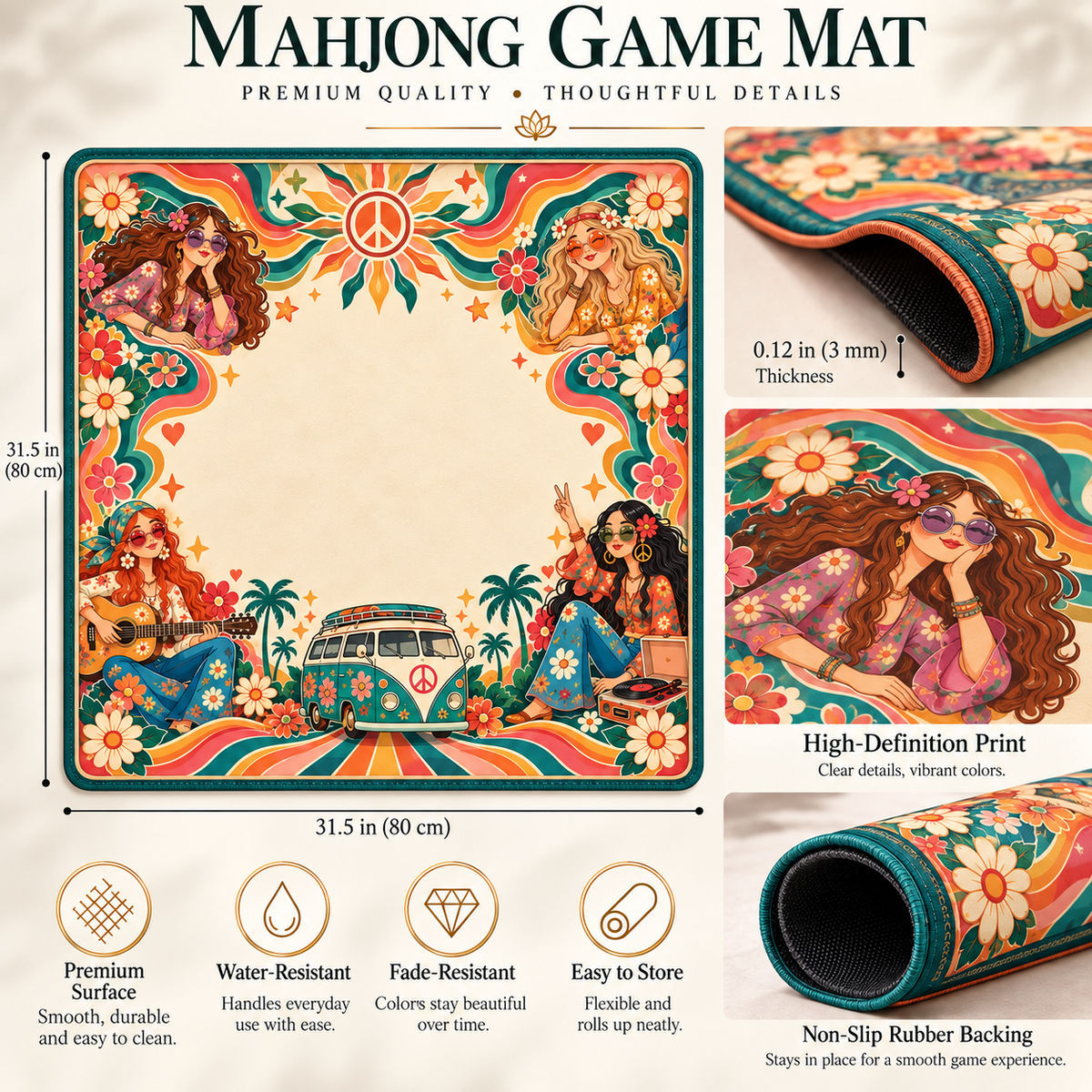
Printed mahjong tiles endure 3–7 years of weekly play before noticeable fading, though heavy daily use shortens this to 2–3 years. The lifespan depends on three factors: ink formulation (UV-resistant inks last longest), tile material (acrylic outperforms resin or plastic), and storage conditions (humidity and sunlight accelerate wear). Our engraved American mahjong sets use UV-resistant ink applied directly to acrylic, which resists fading better than surface printing—and engraving avoids ink loss entirely because the design is cut into the tile. Cost factors in: premium sets with thicker acrylic and higher-grade inks retain clarity longer than budget alternatives. To maximize life, store sets in a cool, dry place, avoid direct sunlight, and use a protective mat during play to reduce tile-to-table friction.
Printed mahjong tiles typically last 3–7 years with regular play, depending on ink type, tile material, and care. The lifespan depends on three factors: ink formulation (UV-resistant inks last longest), tile material (acrylic outperforms resin or plastic), and storage conditions (humidity and sunlight accelerate wear). Our engraved American mahjong sets use UV-resistant ink applied directly to acrylic, which resists fading better than surface printing—and engraving avoids ink loss entirely because the design is cut into the tile. Cost factors in: premium sets with thicker acrylic and higher-grade inks retain clarity longer than budget alternatives. To maximize life, store sets in a cool, dry place, avoid direct sunlight, and use a protective mat during play to reduce tile-to-tile and tile-to-table friction.
What causes printed tiles to fade fastest?
Sunlight and humidity are the biggest culprits. UV rays break down ink polymers over months; tiles stored near a window lose vibrancy far faster than those in a drawer. Humidity causes acrylic to expand and contract slightly, which stresses surface ink and can cause flaking. Heat in a car trunk or uninsulated garage accelerates both. Friction during shuffling and play also wears surface print—tiles rubbed together for hundreds of games show visible wear on corners and edges before deep designs do.

Does acrylic last longer than resin or plastic?
Yes, acrylic is more durable. Resin tiles can yellow over 2–3 years and absorb moisture, causing ink to blur. Plastic gets scratched easily, exposing unprinted layers beneath. Acrylic resists discoloration, doesn't absorb water, and holds a glossy finish for years. When you buy engraved American mahjong sets, you're buying acrylic with UV-resistant ink, not cheap resin or ABS plastic—a meaningful difference for a set you'll use for a decade.
What's the real difference between printing and engraving?
Printed tiles have ink sitting on the surface; engraved tiles have the design cut into the material. Printed designs fade and scratch. Engraved designs never fade because they're part of the tile itself—the contrast between engraved line and acrylic base is permanent. Engraving costs more to produce but pays back in longevity; an engraved set looks sharp after ten years of weekly play. Printed tiles with UV-resistant ink last 3–5 years; engraved tiles last a lifetime.
How does storage affect tile lifespan?
A cool, dark, dry storage space (60–70°F, 30–50% humidity) keeps tiles looking new. Store your set in a bag or case, away from windows and radiators. Avoid basements (moisture), attics (heat and temperature swings), and damp bathrooms. Use mahjong bags and cases designed to protect your set; they shield tiles from dust, spills, and UV exposure between games. A cloth case is lighter for weekly transport; a hard case protects against crushing if stored on a shelf with other items.

When should you replace tiles or the whole set?
Replace when corners are chipped, engravings become hard to read, or printed designs fade to illegibility. If one suit loses color but others remain sharp, the set has spent time in the sun—the damage is permanent. A replacement tile costs less than a new set if you can source matching acrylic and ink, but matching old acrylic to new stock is often impossible due to slight shade shifts between production runs. Many players replace the entire set every 7–10 years, especially if they host weekly games where presentation matters. Our best-selling mahjong sets offer engraved durability, so your investment stays crisp.
🀄 Shop best-selling mahjong sets →
Comparison: durability and cost basis
Tile Type | Material | Print Method | Typical Lifespan | Best For |
Budget printed | Resin or ABS | Surface ink | 2–3 years | Occasional casual play |
Mid-range printed | Acrylic | UV ink on surface | 3–5 years | Weekly home games |
Premium printed | Thick acrylic | High-grade UV ink | 5–7 years | Competitive, frequent play |
Engraved | Acrylic | Design cut into tile | 10+ years | Any frequency; lasts indefinitely |
The cost difference between mid-range printed and engraved sets is modest per tile, but compounds over time: a set that lasts 7 years instead of 3 cuts your cost-per-game by half. For a group hosting weekly games, engraved tiles deliver better value.
What to check before you buy
Material: Confirm acrylic, not resin. Ask if tiles are thick (3mm is standard; thinner feels cheap and chips easier).
Ink/design: Look for "UV-resistant" on printed sets. If engraved, verify the design is recessed (cut into the surface) not embossed (raised).
Tile count: Standard American mahjong uses 152 tiles; sets sold as 160-tile include spare jokers and blank tiles for replacement. Don't pay extra for spares you won't use.
Set-to-table fit: Test corners for sharpness; smooth tiles feel cheap. Engraved edges should feel slightly textured (the carved line), not smooth all over.
Case quality: A set lives in a bag or case. Flimsy cases wear out before the tiles do. Check stitching and closure zips.
✨ Find your Mahstead set — free US shipping →
Real-world wear timeline
Printed tiles with UV-resistant ink, acrylic, weekly play (4 hours/week):
Months 1–12: No visible wear. Colors sharp, tiles glossy.
Year 1–2: Corners may show light scratches from shuffling. Printed designs stay vibrant if stored indoors.
Year 3–4: Edges begin to dull. Printed colors may fade slightly if any games happen near windows. Engraved designs still look perfect.
Year 5–7: Printed tiles show fading on edges and worn corners. Engraved sets remain crisp. Time to consider replacement if printed.
Year 7+: Printed sets look tired. Engraved sets look nearly new.
A protective mat under your set during play reduces corner wear by 30–40% because tiles never touch the hard table surface. How to choose a mahjong mat covers this in detail.
🎁 See our most-loved mahjong sets & accessories →

FAQ
Can you restore faded printed tiles?
No. Faded ink cannot be restored without stripping and reprinting, which costs more than buying new tiles. Prevention (storage, mats, cases) is cheaper than cure.
Do engraved tiles ever wear smooth?
Extremely rarely. Thousands of shuffles over a decade might round the sharpest engraved edges slightly, but the recessed design stays visible and distinct.
How does humidity damage tiles specifically?
Acrylic expands when wet and contracts when dry. Surface ink can crack or flake during these cycles. Sealed storage (bags, cases) prevents humidity swings.
Is thicker acrylic really worth the cost?
Yes, if you play weekly. Thicker tiles (3mm vs. 2.5mm) resist warping, chip less easily, and feel substantial during shuffling—they last longer and play better.
If I store tiles in a basement, how long until they degrade?
Moisture-prone basements cause visible yellowing and ink blur within 12–18 months. Move tiles to a dry location immediately if stored there now.
Do jokers and flower tiles fade faster than number tiles?
No, all tiles fade at the same rate if the ink formulation is consistent. If you notice jokers fading before Dots, your set was stored unevenly or exposed to partial sunlight.


View More
View More
View More
