
How Long Do Acrylic Mahjong Tiles Last? Durability & Care Guide
Last updated: Nov 23, 2026
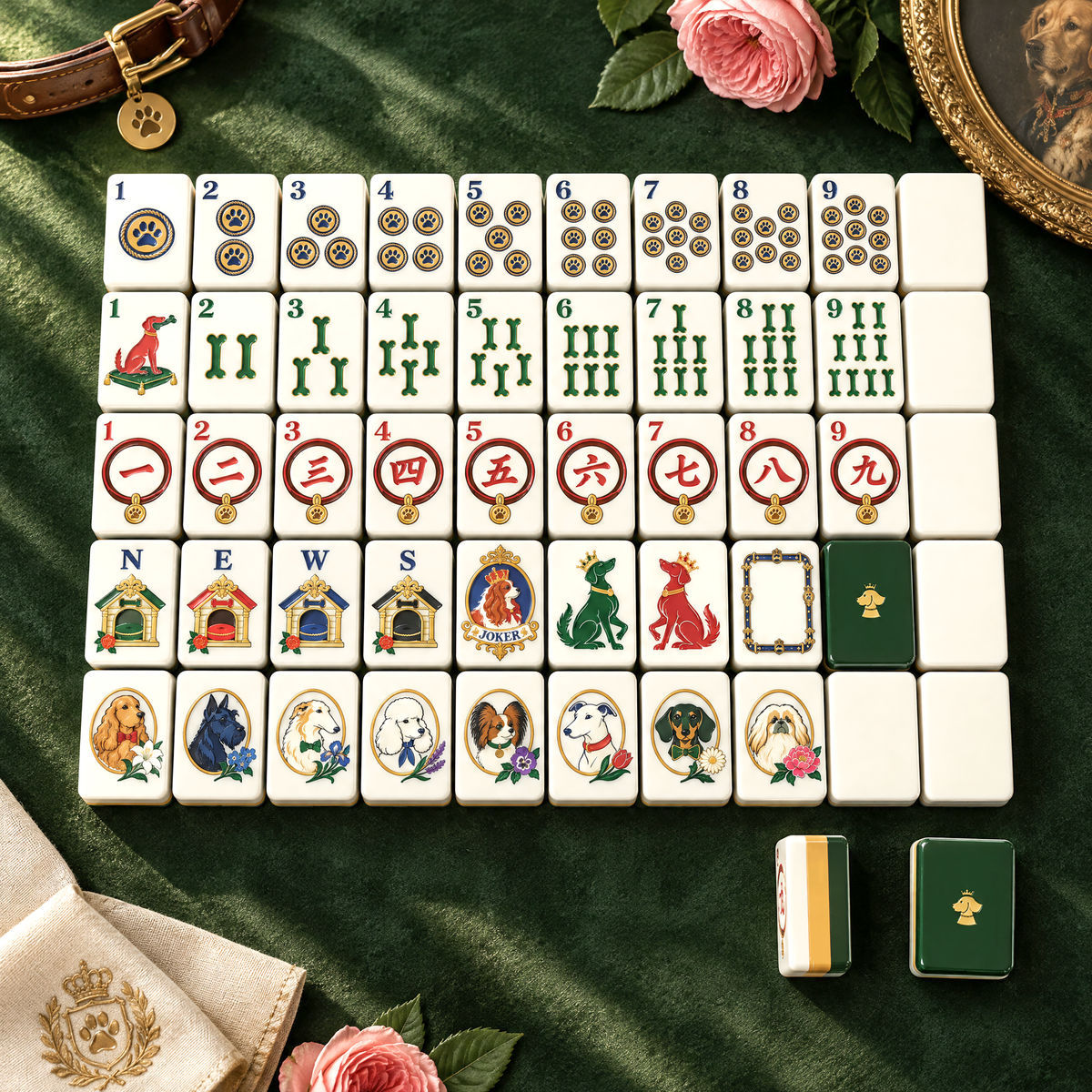
Quality acrylic mahjong tiles typically last 10 to 20 years of regular weekly play, sometimes longer. Lifespan hinges on storage (dry, cool, away from direct sunlight), handling (avoid dropping or stacking under weight), and play environment (smooth mat, not rough wood). Acrylic resists cracking better than bone or bamboo but can yellow, develop micro-scratches, or lose engraving clarity over decades. At Mahstead, our 160-tile sets ship in protective cases; tiles remain playable far longer if kept in those cases between games. Most players replace individual worn tiles or upgrade to a fresh set every 15–25 years, not due to failure but preference for sharper engraving and vibrant color. Cost-per-year is lowest for sets used 1–2 times weekly; heavy daily play or poor storage cuts lifespan by half.
🀄 Shop best-selling mahjong sets →
What makes acrylic tiles different from other materials?
Acrylic is a synthetic thermoplastic that resists moisture and temperature swings better than bone or bamboo. Unlike ceramic or resin, acrylic doesn't crack under normal pressure or humidity shifts. It's lighter, affordable, and easily engraved with custom art or player names. The trade-off: acrylic can yellow under UV light and accumulates fine scratches from years of shuffling. It's also softer than bone, so tiles can chip if dropped on hard floors—though this is rare with gentle play.

How does play frequency affect tile lifespan?
A set played once weekly experiences 50–100 shuffles per year and moderate handling stress. Over 15 years, that's roughly 800–1,500 shuffles total—well within acrylic's tolerance. Daily play or tournament use (500+ shuffles per week) accelerates surface wear and can reduce effective lifespan to 5–10 years, though tiles remain functional. Storage between games is the larger factor: tiles left in open air or dusty bags degrade faster than those kept in closed cases. Light use plus good storage easily extends life to 20+ years.
What's the real cost of replacing worn tiles?
Most players don't replace individual tiles; they upgrade to a fresh set when their original tiles yellow, develop surface haziness, or engraving becomes hard to read. A new engraved American mahjong set costs less per year than most hobbies. If you play weekly for 20 years, annual cost is minimal. Buying replacements piecemeal is technically possible but rarely worth it—you'd spend more time sourcing matches than on a fresh set. Most of us retire old tiles to a backup set for teaching or casual play.
How should you store tiles to maximize lifespan?
Storage checklist:
Keep tiles in a sealed case or bag between games (prevents dust, moisture absorption, and UV exposure)
Store in a cool, dry room (avoid basements, garages, or windowsills)
Never leave tiles in a car, attic, or outdoor shed (temperature and humidity swings cause stress)
Don't stack heavy objects on top of the case
Keep away from direct sunlight (fades engraving and causes yellowing over 5+ years)
If you use a mat, roll it loosely or fold flat and store flat in a bag; don't compress it tightly
Tiles stored in a protective mahjong bag or case stay vibrant and scratch-free for twice as long as those left in cardboard boxes.
Storage Method | Estimated Life | Best For |
Sealed case, cool room | 15–20+ years | Regular weekly players |
Open air or bag, room-temp | 8–12 years | Casual monthly use |
Car, attic, or uncontrolled temp | 3–7 years | Neglected or weather-exposed |
Closed drawer, indoors | 12–15 years | Occasional players |
🎁 See our most-loved mahjong sets & accessories →

What are the first signs of aging in acrylic tiles?
Visible wear indicators:
Yellowing or color shift — tiles turn slightly amber or gray; engraving remains legible but less crisp. Appears after 10–15 years of regular use or shorter with UV exposure.
Micro-scratches — a dull haze on tile surfaces from shuffling; doesn't affect play but looks aged. Normal after 5–10 years.
Engraving clarity loss — symbols or custom text become harder to read; caused by scratches or fading. Typically 12+ years in.
Rare: edge chips — tiny flakes on tile corners from drops; doesn't spread but signals rough handling history.
Tile sticking or warping — acrylic won't warp in normal conditions, but extreme heat (120°F+) or pressure can cause subtle deformation over months.
None of these issues stop a game. Players notice aging before tiles fail. Replacing a set is a lifestyle choice, not a necessity.
How do mat and rack choices affect tile longevity?
Playing on a smooth, padded mahjong mat reduces tile-on-tile friction and micro-scratches by 40–60% compared to bare wood or felt. A rough surface like burlap or unfinished wood accelerates scratching. Using quality racks with pushers during play protects tiles: you're handling a rack handle, not individual tiles, so friction drops and accidental drops become less likely. Players who use racks and mats report tiles looking fresher after 15 years than those played on kitchen tables without protection. The mat and racks are as much investment in longevity as the tiles themselves.
Should you buy extra tiles or a backup set?
Spare tiles come with every 160-tile set (Mahstead includes extra jokers and blanks beyond the 152 active tiles). These spares replace any damaged piece during normal play. A full backup set makes sense if you play twice weekly or host tournaments—you avoid downtime if your primary set needs a deep clean or minor repairs. For casual weekly play, one set is sufficient; spares handle rare accidents. Buying a backup "just in case" often means the backup sits unused for 20 years, taking up storage space. A better move: invest in a quality mahjong bag or case to protect your one set.
✨ Find your Mahstead set — free US shipping →
What to check before you buy
Tile thickness: Thicker acrylic (3–4mm vs. 2mm) resists chips and scratches longer. Check product specs.
Engraving depth: Shallow engraving fades faster. Look for crisp, raised designs.
Case quality: A padded case extends lifespan by years. Cardboard is temporary.
Joker count: Sets with extra jokers absorb tile loss gracefully.
Warranty coverage: Know if manufacturer replaces cracked tiles (most don't; acrylic failure is rare).

FAQ
Can acrylic tiles crack if frozen or heated?
Extreme temperature shifts (freezing then thawing) can stress acrylic and cause microscopic cracks after multiple cycles. Avoid leaving tiles in cars or unheated spaces. Normal room-temperature storage is safe.
Do custom-engraved tiles last as long as plain ones?
Yes. Engraving doesn't weaken acrylic; it's a surface treatment. Custom tiles wear at the same rate as plain acrylic, though deep engraving may appear slightly more pronounced as surface scratches accumulate.
How often should you clean acrylic tiles to extend life?
Clean tiles monthly with a soft, dry cloth or microfiber cloth. Wipe gently to remove dust and oils. Avoid water or solvents unless tiles are visibly sticky; moisture can seep into storage bags and cause mold. Dry immediately if wet.
Is it worth buying a premium acrylic set for longer life?
Premium acrylic (higher-quality resins, thicker tiles, better engraving) lasts slightly longer and looks fresher at year 10. If you play weekly for 20+ years, the small extra cost per year is justified. Casual players won't notice the difference.
What's the difference between a 160-tile set and a 152-tile set for durability?
A 160-tile set includes 8 spare tiles (extra jokers or blanks) beyond the 152 active tiles used in play. Spares don't affect the active tiles' lifespan, but they give you replacements if one tile cracks. Both last equally long if stored identically.
Can you restore yellowed tiles to their original color?
Mild yellowing is cosmetic and can't be reversed without professional resin treatment (not recommended for gameplay tiles). Preventing yellowing is easier: store tiles away from sunlight and UV sources. Replacement remains the most practical option after 15+ years.


View More
View More
View More
