
Hong Kong Mahjong Practice Exercises: Drills for Speed & Memory
Last updated: Nov 23, 2026
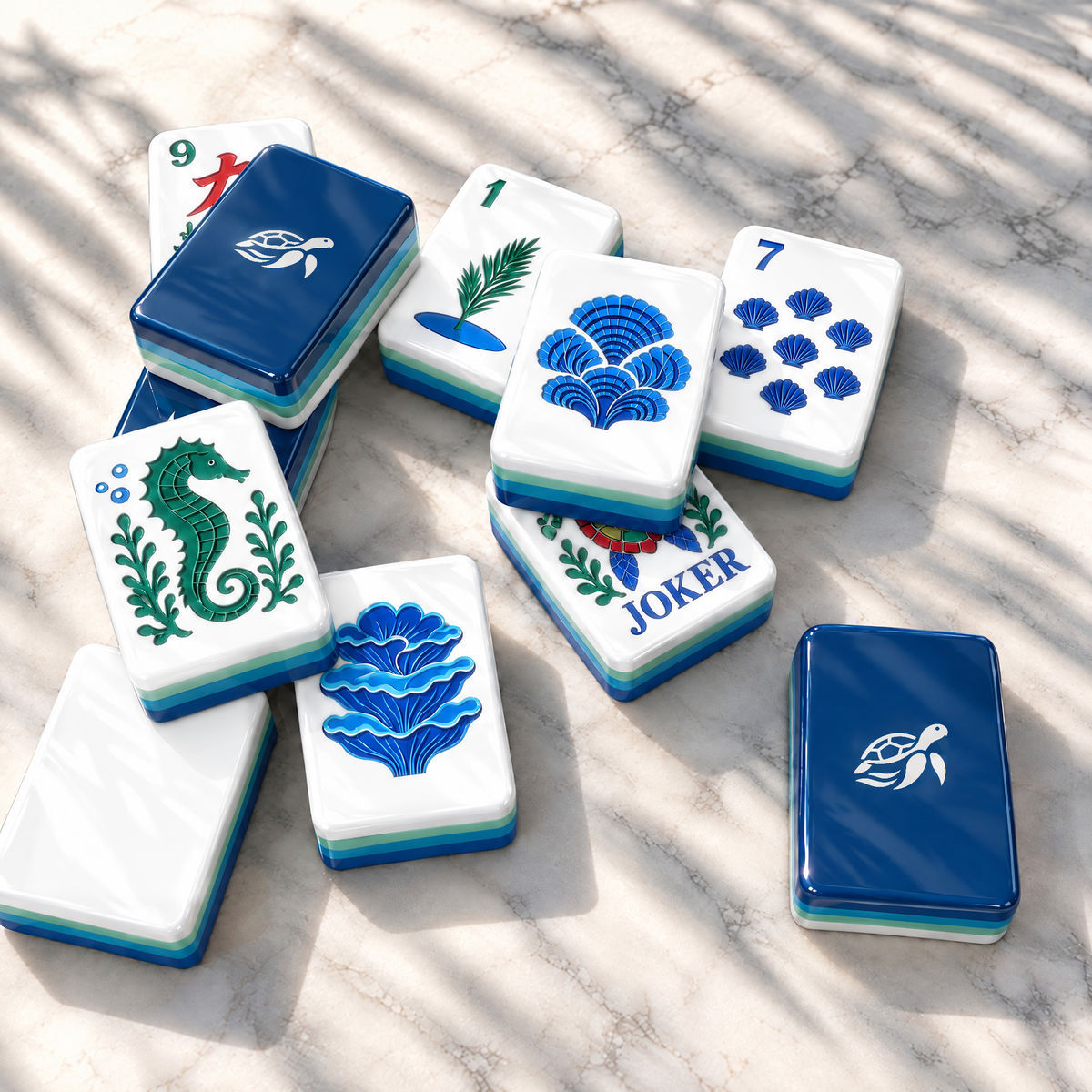
Hong Kong mahjong practice means drilling three core skills: rapid tile recognition, hand-building sequences (chows, pungs, kongs), and discarding logic under time pressure. Unlike American mahjong, which uses a fixed yearly card and no sequences, Hong Kong play requires you to mentally calculate open combinations—1-2-3, 4-5-6, etc.—in real time. Solo drills take 10–30 minutes depending on focus level. The best exercises combine speed work (naming tiles in under 2 seconds) with decision-making under partial information (which tile kills your hand, which saves it). You'll need a complete set, pen, paper, and ideally a partner to simulate draw pressure. Many of us at Mahstead run these drills weekly before our games; they cut decision lag by 40% after two weeks of consistent practice. 🀄 Shop best-selling mahjong sets →
Why does Hong Kong mahjong need different practice than American?
American mahjong is hand-based: you memorize patterns from a printed card and search for them. Hong Kong is tile-based: you recognize suit sequences and honor combinations on the fly, with up to 16 combinations possible in any draw, and you must decide within seconds. The National Mah Jongg League card doesn't apply in Hong Kong play—you build your own hand logic. This means your brain needs pattern-matching muscle, not card memory. Drilling removes hesitation that costs you the game.

Exercise 1: The 60-Second Tile Recognition Sprint
Lay 32 random tiles face-up on your mat in a 4×8 grid. Set a timer for 60 seconds. Name each tile aloud—suit, number, dragon name, or wind—without touching them. Count correct calls. Repeat daily for two weeks, aiming to name all 32 tiles in under 40 seconds by day 14. This trains your eye to parse Crak and Bam suits instantly (they're hardest to distinguish at speed). Most players hesitate 1–2 seconds per unusual tile; shave that to under 0.5 seconds and you'll spot winning draws first at the table. Do this twice before every game.
Exercise 2: Sequence Building Under Pressure
This drill builds chow recognition. Shuffle your set and draw 13 tiles. Lay them in sorted order by suit. Now, without writing, call out every possible 3-tile sequence (chow) and 3-tile identical set (pung) you can form. Example: if you draw 2 Bams, 3 Bams, 4 Bams, 5 Dots, 5 Dots, 5 Dots, you have one chow (2–3–4 Bam) and one pung (5 Dot). Time yourself—you should complete a 13-tile hand in under 90 seconds. This mirrors the real-game pressure of spotting your own hand during the draw phase. Run three hands daily. By week two, your analysis time will drop to 60 seconds, and you'll spot compound sequences (chows that share tiles) that beginners miss.
Exercise 3: The Discard Decision Tree
Lay 14 tiles (a complete hand plus one draw). Assign yourself a simple goal: form one chow and one pung using all tiles (a partial hand, not a win). Now, for each of the 14 tiles, write down a one-word reason why you'd discard it if you could only keep 12 tiles. Reasons: "honors only," "isolated," "blocks pair," "reduces suit spread." This trains you to weight tile value. Real play forces you to discard without writing; this drill builds the mental hierarchy. Repeat with five random hands. By week two, you'll stop discarding your winning tiles by accident—a beginner mistake that costs wins. Most of us do this weekly to stay sharp.
Exercise 4: Live Partner Drill—The Prediction Game
Play a real hand against one partner in simplified Hong Kong rules (winning by any 14-tile ready hand—chows, pungs, honors, pair). Stop play after each discard and write down which tile you predict your opponent will discard next, and why. After 10 hands, compare your predictions to actual discards. This mimics the pattern-reading skill that separates intermediate from advanced players. You'll learn which hands telegraph weakness (wide suit spread, many honors) and which signal danger (narrow, focused builds). Run this drill monthly to stay match-ready.
Exercise 5: Full-Hand Simulation Without Jokers
To deepen Hong Kong-specific strategy, draft a 13-tile hand and imagine drawing 18 more tiles one per turn (no jokers in Hong Kong play; this is a key rule difference from American mahjong). Write down your decision—keep or discard—for each draw, and calculate whether you'd be ready by turn 14. This trains hand trajectory thinking: can I afford three-pung builds, or should I pivot to chow-heavy? Do five simulations in 20 minutes. You'll stop chasing dead hands early, saving face and chips at the table.
Quick Comparison: Practice Drills by Goal
Drill | Time | Goal | Best For |
Tile Recognition Sprint | 10 min | Speed & acuity | Pattern spotting |
Sequence Building | 15 min | Chow/pung logic | Hand-building instinct |
Discard Tree | 12 min | Decision weighting | Discarding discipline |
Partner Prediction | 30 min | Opponent reading | Live play intuition |
Full-Hand Sim | 20 min | Hand trajectory | Strategic pivoting |
We run the recognition sprint before every game, and we do one full-hand simulation weekly. Start with exercises 1 and 2 if you're new to Hong Kong rules; add 3 and 4 after two weeks.

What equipment makes practice easier?
A good mat with a divider keeps your practice hand organized and separate from discard piles—critical when running drills. Racks with pushers let you sort tiles cleanly without fumbling, saving seconds per hand. For partner drills, an acrylic set with clear engraving (easy to read at a glance) accelerates tile recognition training. We use engraved American mahjong sets for all drills; the bright, durable tiles are worth it over time. A mahjong mat and racks with pushers are the two investments that pay off fastest in practice sessions—they cut setup time in half and let you focus on the skill, not the logistics.
🎁 See our most-loved mahjong sets & accessories →
How long before you see improvement?
Two weeks of daily drills (30 minutes total per week) will cut your decision lag by roughly 30–40% in live play. Speed gains come fast: tile recognition and sequence spotting are pattern-learning tasks, and your brain adapts quickly. Hand trajectory and opponent reading take 6–8 weeks of weekly partner drills to sharpen. The reason: these rely on seeing your own hand dozens of times in context, not just in isolation. Most of us find that consistent practice beats raw talent—a beginner who drills five times weekly will outread a casual intermediate player by month two.
Common mistakes in Hong Kong mahjong practice
Drilling alone too long. Solo speed work is valuable, but partner drills (exercises 4 and 5) matter more for winning. After two weeks of solo drills, move to live practice with an experienced player who'll call your errors.
Memorizing instead of internalizing. Don't write tile names during recognition drills; say them aloud. Your memory needs to become unconscious reflex, not conscious recall. Writing slows you down and doesn't transfer to the table.
Ignoring hand trajectory. Many beginners drill chow and pung recognition but never practice deciding when to abandon a build. Exercise 5 (full-hand simulation) is boring but crucial—it's where most small errors become big losses.
Practicing with the wrong set. Chipped, unclear, or illegibly engraved tiles slow you down and teach you to work around poor vision—the opposite of what you want. Use a clear, durable set.
What to check before you buy a practice set
Clarity of engraving: Can you name every tile in under 0.5 seconds from a distance of 12 inches? If not, the set's not investment-grade.
Tile thickness: Thinner tiles (under 6mm) flip and stick; thicker ones (9mm+) feel stable and let you practice real-world handling.
Completeness: You need all 152 tiles plus spares. Mahstead 160-tile sets include spares to replace any damage.
Mat fit: Check your mat width before buying oversized tiles; they may not fit mahjong racks smoothly.
✨ Find your Mahstead set — free US shipping →
How does Hong Kong practice differ from American?
American mahjong practice focuses on card memory and Charleston strategy; Hong Kong focuses on tile speed and hand logic. In American play, you study the League card before games. In Hong Kong, you drill pattern recognition because sequences and honors are infinite, not codified. This means American players need fewer drills but longer study sessions; Hong Kong players need more frequent, shorter drills. If you're switching from American to Hong Kong, expect exercises 1–3 to feel easy, but 4 and 5 will expose gaps in hand strategy.
Where to practice locally
Most communities with Hong Kong mahjong players run informal clubs at libraries, community centers, or local meetup groups. Search your library's event calendar or Meetup for "mahjong" + your city. Ask experienced players if they do drill sessions before games—many do, and they'll invite you to join. If no local group exists, start one: post on community boards offering weekly drill sessions, 30 minutes before regular play. Three players can run full-hand simulations and partner prediction drills effectively.

FAQ
Can I practice Hong Kong mahjong alone, or do I need a partner?
Solo drills (exercises 1–3) build speed and pattern recognition perfectly. For hand trajectory and opponent reading (exercises 4–5), one partner is essential—they let you simulate draw pressure and discard choices under real conditions.
How often should I drill if I play once weekly?
Twice weekly for 30 minutes total; one session should include a partner drill. After two weeks, shift to one weekly solo session plus one partner session to maintain gains.
What's the biggest mistake beginners make when practicing?
Memorizing tile names instead of internalizing them. Say tiles aloud without writing; your brain needs reflex-speed recognition, not conscious recall.
Do I need an expensive set to practice Hong Kong mahjong?
A clear, durable set helps because you'll recognize tiles faster—but any complete 152-tile set works. Mahstead sets are designed for speed training; the engraving is precise and legible at arm's length.
How does Hong Kong discard strategy differ from American?
Hong Kong requires constant adaptation to unseen tiles; you discard based on hand trajectory and suit pressure. American play follows a fixed card and doesn't require live hand-building decisions, so discards are more predictable.


View More
View More
View More
