
Hangzhou Mahjong Strategy: Tile Discipline and Flower Mechanics
Last updated: Nov 23, 2026
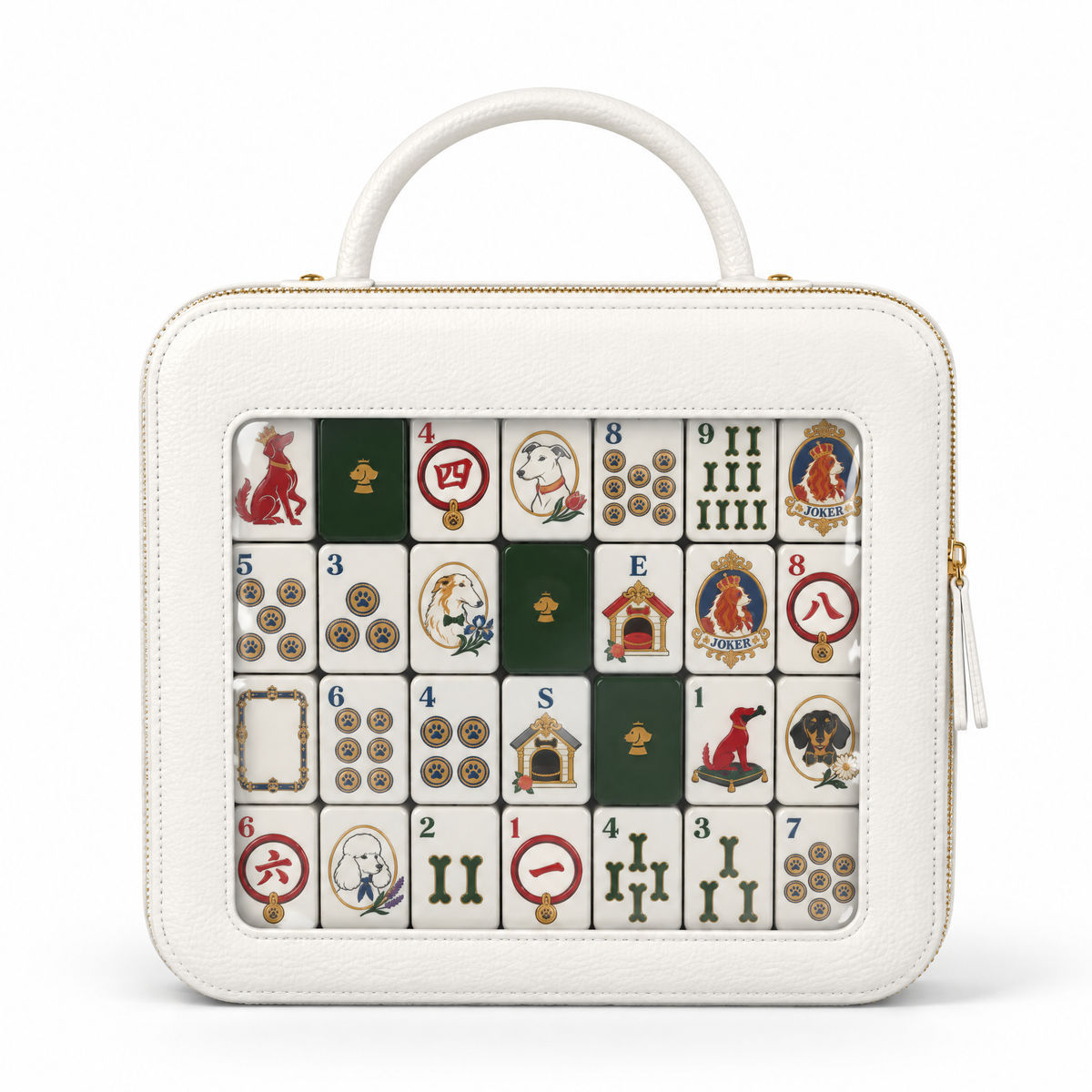
Hangzhou mahjong is a competitive two-hand variant played throughout eastern China where eight flower tiles (plus two joker variants) are drawn separately and scored independently, and winning hands form open melds (pairs, pungs, kongs) from exposed sequences—not drawn into concealed hand. The standard 152-tile set (Bams, Craks, Dots 1–9 with winds and dragons) plays the same base, but Hangzhou strategy revolves around reading which flowers your opponent calls, recognizing when tile flow favors one player, and discarding in defensible chains rather than pure randomness. Winners typically complete hands within 12–16 draws because exposure pressure accelerates melds. Unlike American mahjong (which uses an annual card and strict legal hand list), Hangzhou allows flexible hand structures but punishes slow players—your opponents will block your suits aggressively. A session runs 2–3 hours across 4–8 games; scoring is tracked cumulatively. The core skill is balancing flower timing with discard sequencing: draw flowers early and you telegraph which wind you favor; delay too long and opponents choke your suit progression.
What is Hangzhou mahjong and how does it differ from American rules?
Hangzhou mahjong is a regional Chinese variant native to Zhejiang province that shares the core 152-tile structure with American mahjong but operates under entirely different winning logic and exposure rules. In American mahjong, you build a closed hand in your rack and call only when you match a legal hand from the current year's card; in Hangzhou, tiles are melded face-up on the mat as soon as they form valid groups (pung, kong, or sequences). Flowers are drawn separately at the start and scored individually—not part of your winning hand. The game moves faster, relies on open information, and punishes passive play. Hangzhou players study opponents' flower calls and discard patterns within the first 4 draws; American players follow a fixed card. Both variants use the same 160-tile set structure, but the strategic rhythm is radically different.
🀄 Shop best-selling mahjong sets →

How do flowers work in Hangzhou mahjong and what's their scoring impact?
In Hangzhou, the eight flower tiles (typically two each of Spring, Summer, Autumn, Winter, plus joker variants depending on house rules) are drawn and exposed during the deal phase—before regular play begins. Each player draws one flower tile in turn; if you draw a flower, you immediately draw a replacement from the wall. Flowers typically score fixed points and are tallied separately at hand completion, not as part of your winning tile combination. Some Hangzhou house rules assign flowers to specific winds (e.g., Spring to East), so drawing a flower that matches your seat wind or your opponent's early discard can signal a strategic advantage. Flowers do not change your hand structure—they're pure bonus scoring—but they do influence tempo: if you draw a high-value flower early, opponents know you're confident and may shift their defense. Tracking which flowers are out and which players haven't drawn yet is a core tell-reading skill. Flower timing also pressurizes the discarding player: if three flowers are called by opponents in the first six draws, the wall tightens and tile pressure accelerates dramatically.
What discard sequencing strategy prevents your opponents from winning?
Hangzhou defensive discard strategy centers on the isolation principle: discard tiles from your weakest (or already-blocked) suits first, never tiles that support three or more potential winning combinations. The classic mistake is discarding "safe" honors (Winds and Dragons) too early; in Hangzhou, opponents track which suits you're protecting, so if you discard North and White Dragon, they correctly infer you're building Bams or Craks. Instead, establish a discard sequence within one suit to signal commitment to another: discard low Dots (1–3) across your first three turns to make Dots look dangerous, then pivot to Bams. This creates false pressure. A second tactic is the tempo pause: if the wall has 20 tiles left and your right-hand opponent is one draw away from hand, discard a tile you know they cannot use (e.g., a Dragon from a suit they've already melded). This stalls their draw without sacrificing your own tile safety. Finally, observe the flower-signal rule: players who draw high-value flowers often discard passively in their weakest suit next—discard into their weakness to accelerate pressure, forcing them to call or fold. Advanced players use this to read whether opponents are hot (running multiple concealed hands) or cold (committed to one safe path).
Discard Phase | Weak-Suit Priority | Suit-Signal Tactic | Tempo Control |
Turns 1–4 (flower phase) | Sacrifice lowest Dots or Craks to expose your fake weakness | Commit visual discard sequence to one suit while protecting two others | Draw replacement tile slowly; observe flower calls |
Turns 5–10 (mid-game) | Pivot to honor tiles if no call yet; read opponent's melds | Discard Winds that match opponents' likely seats; force decision | Block opponent's fourth tile in their strongest suit |
Turns 11–16 (end-game) | Isolate one concealed combination; discard entire other suits | Establish discard rhythm opponent can't interrupt; stack same-number tiles | Final 8 tiles: force defensive play by limiting draws |
How do you read the wall pressure and adjust hand tempo accordingly?
Wall pressure—the ratio of remaining tiles to open melds on the table—is the hidden timer in Hangzhou mahjong. A full 152-tile wall with four players and zero melds exposed is neutral; if players have called eight melds (24 tiles visible) with 100 tiles remaining, pressure is moderate and suited for patient play. If only 40 tiles remain and three players are one draw from hand, pressure is extreme and forces faster decisions. Advanced Hangzhou players count exposed melds every turn and adjust their meld threshold accordingly: in low-pressure situations (>80 tiles left), delay calling a pung and stay concealed longer to preserve options; in high-pressure situations (<50 tiles left), call every valid meld immediately to lock in scoring and reduce opponent access. Pressure also dictates which suits to abandon: in the final 12 draws, if two Bam suits are already blocked by opponents' melds, stop protecting Bams entirely and funnel all discards into Dots or honors. The wall count also reveals whether a player is chasing a specific pattern: if Player 1 has called three pungs and the wall is at 35 tiles, they're likely 1–2 draws from hand and require aggressive defense from everyone else. Counting the wall is not cheating in Hangzhou—it's expected.

What's the role of seat wind and how does it affect your strategy?
Seat wind (East, South, West, North) in Hangzhou mahjong is not merely a scoring multiplier as in American variants; it is a strategic declaration that governs flower expectations, discard safety, and alliance timing. East typically leads and is attacked first; players sitting South and West are expected to form a temporary defensive bloc against East until mid-game. Your seat wind also interacts with your actual drawn wind tiles: if you are seated East and draw three East wind tiles, this is a powerful signal to opponents that you're hand-building toward a wind-rich pattern, which may trigger aggressive discards into your suits. Conversely, if you sit West and avoid discarding West tiles altogether, opponents infer you're either bluffing or have locked a West wind in a pung. The psychological dimension is real: many Hangzhou players gamify seat wind by reversing expectations—sitting East and aggressively protecting Craks (instead of the expected Bams), or sitting North and calling a flower-allied suit early to confuse opponents about your wind preference. The safest strategy for newer players is to honor seat wind assignments: East calls first, defends last; South responds to East's pressure; West supports South; North closes the cycle. This reduces cognitive load and lets you focus on tile reading rather than mind games.
🎁 See our most-loved mahjong sets & accessories →
When should you switch from defensive to aggressive play mid-game?
The pivot from defense to offense typically occurs when you've called two consecutive melds without disruption and the wall has dropped below 50% capacity. At this threshold, other players assume you're no longer bluffing—you're chasing a genuine hand. This is the moment to shift discard strategy: instead of isolating weak suits, now discard only tiles that cannot benefit your strongest two suits. If you have called a 7 Bam pung and a White Dragon pung, you're signaling you're 2–4 draws from a win. Aggressive opponents will block Bams immediately and stop discarding White Drags; passive opponents will continue slow discards, giving you a window. The signal to switch back to defense is when you draw a replacement tile that contradicts your melds—e.g., you've called two Craks melds and draw an isolated 1 Crak honors tile. This suggests your hand is fragile or you've misread the wall. Immediate response: revert to isolation discard mode and throw off opponents' tracking. Another trigger is the rival hand detection: if an opponent calls a meld that mirrors your own (e.g., you've called 5 Bam pung and they call 5 Dot pung), they're likely building a parallel fast-hand structure and will beat you to completion—switch to full defense immediately, discard everything remotely connected to your melds, and force them into uncertainty. Hangzhou rewards flexibility; rigid adherence to one strategy loses games.
What equipment helps you master Hangzhou mahjong practice and hosting?
For practice and hosting, you'll want a quality 160-tile set with clear visibility (acrylic or bone-and-bamboo preferred) and engraved mahjong mats sized for four players with discard zones clearly marked. A mat prevents tiles from shifting during the fast discard pace Hangzhou demands. Many Hangzhou clubs use mahjong racks with pushers to organize melds and keep hand tiles concealed; pushers are essential for preventing accidental reveals that confuse hand-reading. A quality travel bag or case matters if you're rotating between clubs or hosting rotating games. Finally, dice should be weighted fairly and easy to read under lamplight—Hangzhou sessions often run into late hours. Ergonomic setups reduce player fatigue and improve decision quality over 6+ hours of play. If you're hosting multiple games weekly, invest in a non-slippery mat with high-contrast tile markings; this reduces disputes over tile identification and speeds play. Our best-selling collection includes complete sets pre-matched for durability and visibility.
What to check before you buy a mahjong set for Hangzhou play
Tile contrast: Can you identify suits and numbers instantly across a lit table? Avoid sets with faint printing or glossy finishes that glare.
Tile weight: Do tiles feel stable when stacked, or do they slide? Hangzhou requires rapid discard; light or slippery tiles cause mis-deals.
Set completeness: Confirm the set includes all eight flowers and eight jokers (160-tile configuration). Some older sets omit flowers entirely.
Rack fit: If you buy racks separately, verify they accommodate all melds plus hand tiles without overflow.
Durability: Test tile durability by checking for cracks after one full session of heavy play. Acrylic and bone-bamboo sets last 5+ years under weekly use.
✨ Find your Mahstead set — free US shipping →

FAQ
Is Hangzhou mahjong played for money?
Most casual Hangzhou clubs play for nominal stakes or score-tracking only. Some tournaments and private clubs do use betting, but house rules vary; always clarify stakes before joining.
Can I use an American mahjong set to play Hangzhou rules?
Yes. Both use 152 tiles, winds, dragons, and flowers. The card used differs, but the physical set is compatible. American sets often include extra jokers; use only eight standard jokers per Hangzhou house rules.
How long does a single Hangzhou hand typically take?
10–25 minutes depending on player skill and wall pressure. Beginner games run 20–30 minutes per hand; advanced clubs finish in 8–15 minutes.
What's the biggest strategic mistake newer Hangzhou players make?
Discarding the same suit every turn. Opponents spot this pattern and block aggressively. Alternate suits even if one is weak; this unpredictability keeps defenders guessing.
Does seat position change during a session in Hangzhou?
Typically no. Unlike American mahjong (which rotates East seat each hand), most Hangzhou clubs keep seats fixed for an entire session or match. Confirm house rules before play.
How is scoring calculated in Hangzhou mahjong?
Scoring varies by regional house rules and flower tile values. Common systems award base points for hand completion plus multipliers for flowers, honors, and melds. Ask the host club for their specific card before joining.


View More
View More
View More
