
Hand Painted Mahjong Tiles: Weight, Feel & How to Choose
Last updated: Nov 23, 2026
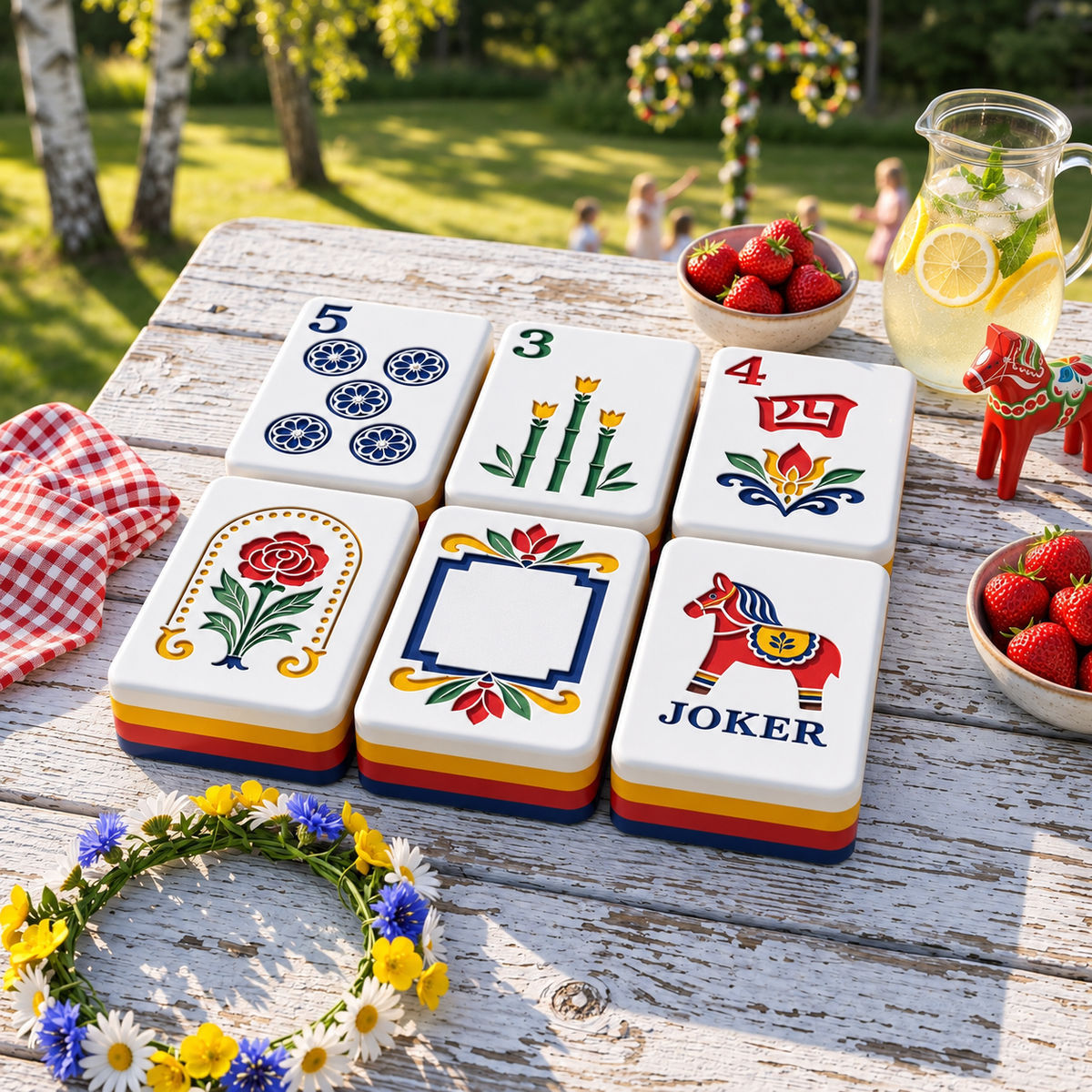
Hand-painted acrylic mahjong tiles typically weigh between 7 and 9 grams each—heavy enough to feel substantial shuffling and drawing, light enough to handle comfortably for hours. The paint layer adds minimal weight but deepens the tile's visual depth and creates a slightly textured surface that grips fingertips better than glossy plastic. At Mahstead, our engraved and hand-painted sets use acrylic with precision artisan finish; the 160-tile set (152 playing tiles plus spares) fits standard American gameplay. Hand-painted tiles cost more than screen-printed alternatives because each design requires individual brushwork, but players report they feel more like authentic bone-and-bamboo tiles and shuffle with a satisfying click. Choose hand-painted if you host regular games and value durability and tactile feedback; machine-printed works fine for casual play. Weight and finish also affect tile life—acrylic resists chips better than resin, and painted surfaces hold color longer than printed decals.
Hand-painted mahjong tiles balance durability with authentic heft. Learn what weight means for your game, how paint affects feel, and which sets suit your table.
Why does tile weight matter in a mahjong game?
Heavier tiles shuffle more smoothly and sit more stably in racks, reducing accidental tips and dropped draws. During the wall shuffle at game start, lighter tiles feel cheap and scatter unpredictably; heavier ones move as one block and feel intentional under your hands. Players with arthritis or limited grip strength often prefer mid-weight tiles (7–8g each) because they require less force to pick and place. The weight also gives psychological reassurance—you feel like you're handling something real, not plastic tokens. If you're buying for a weekly hosting group or teaching new players, weight signals respect for the game itself.

How does hand-painting change the tile's feel compared to printing?
Hand-painted tiles have a micro-textured surface where pigment sits slightly proud of the acrylic base, creating gentle friction between fingertip and tile. Printed tiles are flat and glossy—they slide around racks and feel slippery during draws. The texture of hand-paint also means the design doesn't fade or flake after thousands of shuffles; printed decals peel at corners after a season or two of weekly play. Paint also allows for dimensional detail—flowers, brushstrokes, or calligraphy—that printing can't capture. When you pick up a hand-painted tile, you feel the artist's intention; with printed tiles, you feel the manufacturer's cost-cutting. For players who shuffle several times weekly, hand-painted lasts visibly longer and looks richer at the table.
What's the weight range for acrylic tiles, and how does it compare to other materials?
Standard acrylic American mahjong tiles range from 6.5 to 9 grams each, depending on density and paint load. Resin tiles run 8–12 grams but crack more easily and yellow over time. Bakelite (vintage, rare) hits 10–14 grams but is brittle and no longer made. Bamboo-and-bone tiles (Chinese classical sets) weigh 8–10 grams but cost 3–5× more and are fragile. For American gameplay, acrylic in the 7–9g range hits the sweet spot: substantial enough to feel premium, light enough to shuffle without fatigue, and durable enough for decades of play. Heavier isn't always better—tiles over 10g tire hands during long sessions and bang loudly against racks, which some players love and others find exhausting.
Which hand-painted sets work best for beginners versus experienced players?
Group | Paint Style | Tile Weight | Why It Works ---|---|---|--- Beginners (monthly or fewer) | Bright, clear symbols; minimal detail | 7–8g | Easy to read, light enough to not intimidate new hands, forgiving if dropped Regular hosts (weekly+) | Detailed artisan designs; layered color | 8–9g | Rewards skilled shuffling; texture aids grip; shows commitment to the game Tournament or serious study | High-contrast, minimal ornamentation; museum-quality finish | 8g flat | Reduces visual distraction, weight is predictable, professional feel Casual/social only | Hand-painted but whimsical (modern art, custom names, seasonal themes) | 7–8g | Fun and memorable; lighter weight suits shorter sessions
Beginners often don't realize weight and texture matter until they've held a quality tile next to a cheap one. If you're introducing someone to mahjong, let them feel both; the difference usually convinces them to invest in better gear. Experienced players notice texture instantly—they shuffle by sound and feel, and a textured hand-painted tile responds differently than a glossy printed one.
🀄 Shop best-selling mahjong sets →

How does acrylic thickness affect weight and durability?
Thicker acrylic (typically 4–6 mm for mahjong tiles) holds its weight without feeling hollow. Thin acrylic (2–3 mm) feels light and cheap, and corners chip faster. The thickness also determines how paint adheres: on thin tiles, paint can peel at edges because the substrate flexes; on thick acrylic, the rigid base lets paint cure evenly and stay intact through shuffles. Hand-painted tiles on quality acrylic will show micro-wear (tiny scuffs) after years of play, but the design stays legible and the surface doesn't flake. On thin material, paint failure often starts at corners and spreads. When you inspect a set before buying, hold a tile up to light and look at the edge—if you can see through thin plastic, the paint will outlast the tile itself. Our engraved American mahjong sets are cut from solid acrylic and painted with pigments that bond to the material rather than sitting on top of it.
What's the real difference between "engraved" and "hand-painted"?
Engraving cuts the design into the tile surface, then fills the groove with paint or dye. Hand-painting applies pigment directly to the flat tile face. Engraved tiles feel tactile—you can run your fingernail across the sunken symbol—and the design is virtually impossible to damage because it's carved into the material. Paint sits on top and can theoretically chip, though quality pigment on thick acrylic rarely does. Engraved tiles also look sharper under table light because shadows fall into the grooves, making symbols pop. Hand-painted tiles allow more artistic freedom and softer detail (watercolor-like blending, gradients), while engraved tiles favor bold, clean lines. Both methods weigh about the same; the choice is visual and tactile preference. For best-selling mahjong sets that stand up to weekly play, engraved designs outperform painted by durability alone, though many players prefer the artistic feel of hand-painted styles.
What should you check before buying hand-painted tiles?
Weight in grams. Ask the seller; if they can't tell you, the set is probably light and hollow.
Acrylic thickness. Tiles should feel substantial and not flex when pinched gently.
Edge quality. Run your thumb along a tile edge. Rough or splintered edges mean sloppy cutting and early chipping.
Paint adhesion. Rub the surface firmly with a dry cloth. If paint flakes or smudges, don't buy.
Joker and blank count. American mahjong plays with exactly 152 tiles (including 8 jokers) plus spares. Confirm the set includes all required tiles.
Racks and pushers. Hand-painted tiles deserve quality racks. Cheap wooden racks warp and stick; mahjong racks with pushers in acrylic or finished wood hold tiles securely without friction.
Storage. Hand-painted tiles are an investment. Confirm you have a travel bag or case rated for the tile set size and weight. Tiles in a flimsy bag get dinged and paint scuffs.
🎁 See our most-loved mahjong sets & accessories →
How does feel change over a season of weekly play?
New hand-painted tiles feel smooth and precise for the first month. By week 8–12, the surface develops a subtle patina—minor scuffs and micro-wear that actually improve grip and make shuffling easier. The paint doesn't fade noticeably if applied correctly; the tile simply looks less "shiny" and more lived-in. Some players love this aging effect; others clean tiles weekly with a soft cloth to keep them pristine. Acrylic also absorbs minimal moisture from hands and air, so tiles don't swell or warp like bamboo can. After a year of weekly play, quality hand-painted acrylic tiles look noticeably better than machine-printed tiles from the same period—printed designs show wear and fading, while paint holds color and definition. This durability difference is why experienced groups invest upfront; the set pays for itself in longevity.
✨ Find your Mahstead set — free US shipping →

FAQ
Do hand-painted tiles feel different from engraved tiles?
Hand-painted tiles feel slightly textured but flat to the touch; engraved tiles have tactile grooves. Both weigh the same. Hand-painted allows more artistic detail; engraved feels sharper and more durable long-term. Choose hand-painted for beauty, engraved for durability and defined symbols.
Is 8 grams heavy enough for a mahjong tile?
Yes. 8 grams is ideal—substantial enough to shuffle smoothly and feel premium, light enough to handle comfortably for hours. Tiles under 6 grams feel cheap; over 10 grams tire hands and create loud noise at the rack.
Will hand-painted tiles fade if I play weekly?
Not significantly if the paint is applied correctly to quality acrylic. Expect minor surface wear and a slight patina after a year; the design stays legible and vibrant. Screen-printed tiles fade noticeably in the same timeframe.
How do I know if a set's paint quality is good?
Rub the tile firmly with a dry cloth. Quality paint doesn't flake or smudge. Check the edges for rough spots or paint lifting. Ask the maker for tile weight and acrylic thickness; sellers confident in their product answer these without hesitation.
Can I use hand-painted tiles with any mahjong mat or rack?
Yes, but pair them thoughtfully. Hand-painted tiles deserve quality mats and racks with pushers that won't warp or scratch. Cheap wooden racks can stick and damage tiles over time; acrylic or finished wood racks protect your investment.
Are hand-painted tiles more expensive than machine-printed?
Yes, typically 30–50% more, because each tile involves individual artisan work. The cost buys durability, aesthetic depth, and tactile satisfaction. For weekly players, the extra cost amortizes quickly over years of play.
What's the best way to store hand-painted tiles?
Use a padded travel bag or case designed for mahjong sets. Store in a cool, dry place away from direct sunlight. Tiles in cloth bags or loose boxes get dinged and scuffed. Proper storage keeps paint pristine and tiles square.


View More
View More
View More
