
Glitter Acrylic Mahjong Tiles: Weight, Feel & How to Choose
Last updated: Nov 23, 2026
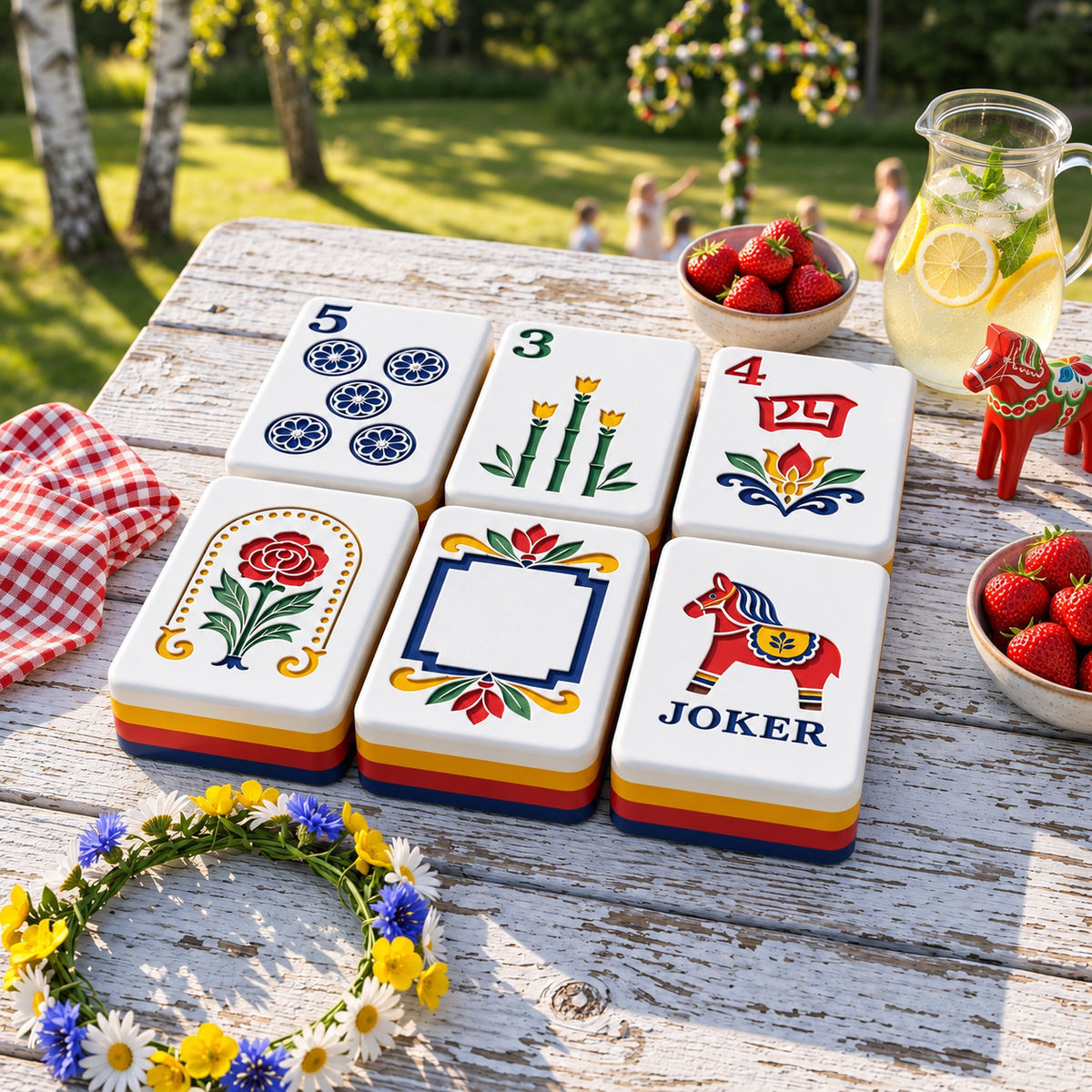
Glitter acrylic tiles are cast polycarbonate or acrylic with embedded metallic flakes or surface lacquer that catch light. They weigh slightly more than plain acrylic—typically 5–15% heavier per tile—because the glitter layer adds density or the resin formulation is modified to hold sparkle without clouding. The added weight changes how tiles stack, shuffle, and feel in your hand: some players love the premium heft; others find it tiring over a four-hour game. The glitter surface can be smoother or slightly textured depending on the finish, affecting tile-on-tile friction during a draw. Mahstead's engraved American mahjong sets include glitter options across multiple design themes, and we ship all sets across the US with spares included. Before buying, test weight tolerance at a friend's table or ask the seller if you can feel a sample—tactile preference is entirely personal and no amount of reading substitutes for handling.
What makes glitter tiles heavier than plain acrylic?
Plain acrylic tiles are cast in a single uniform resin; glitter versions either embed metallic particles throughout the resin or apply a glitter-filled top coat during manufacturing. Either method increases the tile's overall mass. A plain acrylic tile typically weighs around 8–10 grams; glitter-enhanced versions often land at 9–12 grams depending on finish type. That 1–2 gram difference per tile across 152 playing tiles means your entire hand—normally 13–14 tiles plus wall tiles—feels noticeably heavier, especially during a full evening of draws and discards. Some players interpret that weight as "premium quality"; others experience fatigue in their wrist or fingers. There is no objective "best" weight—only your preference.

How does tile weight affect shuffling and stacking?
Heavier tiles require slightly more force to shuffle smoothly in the shuffling zone before play. If you use a mahjong mat, the extra weight can embed tiles more firmly into the mat's wells, making draws feel "stickier"—some enjoy this tactile resistance; others prefer a quicker glide. Stacking is more forgiving with heavier tiles because they're less prone to wobble or tip during wall-building, though the height of a 14-tile wall won't change. Riichi or other variants that use tile stacks sideways may show the difference more clearly. American mahjong doesn't require tall stacks, so weight matters less for structure and more for the feel of play. If you shuffle frequently or have wrist strain, lighter tiles may suit you better; if you like the weight of casino-grade dominoes, glitter acrylic might feel just right.
Does glitter finish affect how tiles slide during a draw?
Yes, but the effect depends on whether the glitter is embedded or lacquered. Embedded glitter—particles locked inside the acrylic resin—creates a slightly rougher surface than smooth polished acrylic, which can increase friction when tiles slide across a mat or tabletop. Lacquered glitter finishes are sealed with a top coat and can feel either smoother (if highly polished) or slightly matte (if the lacquer sits proud of the tile edge). The friction change is subtle but noticeable during rapid draws or if you use a mat with a smooth vinyl surface. If you draw tiles slowly and deliberately, you'll barely notice; if you're quick and rely on tile momentum, test the finish first. Mahstead tiles are cast and finished to minimize drag, but individual preference for "glide" versus "grip" varies widely among players.
How do you know if glitter weight will bother you?
The best test is hands-on. Before committing to a glitter set, hold tiles from both plain and glitter options—squeeze them, stack a mini-wall, and shuffle a handful. Pay attention to your forearm and hand after five minutes of handling. If your wrist tires easily or you have arthritis, test longer. Watch yourself during a full game at a friend's table using their tiles; fatigue accumulates over hours, not minutes. Consider your other equipment: lighter glitter tiles might feel heavy in lightweight mahjong racks with pushers, while heavier tiles can feel grounding in hand if you prefer stability. Age, hand strength, and how long you typically play (casual one-hour games versus marathon eight-hour sessions) all factor in. There's no substitute for feel; if you can't test before buying, order from a seller with a return policy or start with a plain set and upgrade later.
🎁 See our most-loved mahjong sets & accessories →

Glitter vs. plain: a player's comparison
Aspect | Glitter Acrylic | Plain Acrylic |
Visual appeal | Sparkles in light; catches eye | Matte or satin; clean look |
Tile weight per piece | 9–12g (approx.) | 8–10g (approx.) |
Hand fatigue (4-hour game) | Possible if unaccustomed | Minimal for most |
Surface friction | Slightly higher; grippier | Smooth glide |
Cleaning | Wipe, avoid prolonged moisture | Wipe, very durable |
Cost basis | Higher (glitter add-on) | Lower starting point |
Best for | Players who want luxury feel & don't mind weight | Speed players, long sessions, light-touch preference |
Both are durable acrylic. The difference is tactile and visual, not functional. Choose based on how the tiles feel in your hand and whether the sparkle matches your table aesthetic.
What to check before you buy glitter tiles
Feel the tile in person (or ask the seller for sample photos showing glitter detail and finish).
Confirm the weight range from the product description; compare to your current set if you have one.
Test on your existing mat or table if possible—a glitter tile on a vinyl mat will behave differently than on felt.
Ask about the glitter finish type—embedded versus lacquered—so you know what "grip" to expect.
Check that all 152 tiles are included (152 playing tiles plus spares in a full 160-tile set).
Verify the tile size matches your racks and existing bags; glitter won't change dimensions, but confirm the seller's specs.
The best-selling mahjong sets at Mahstead span both glitter and plain finishes, so you can compare options side by side.
🀄 Shop best-selling mahjong sets →
When glitter tiles are the right choice
You'll enjoy glitter acrylic if you love the visual prestige of a high-polish set, host games where the table centerpiece matters, or simply like the weight and premium feel of a heavier tile. Many players gravitate to glitter for special occasions or gift sets—the sparkle signals care and celebration. If your friends already use glitter tiles, matching aesthetic helps create a unified table. And if you're a collector or someone who plays once or twice a month rather than weekly, the marginal weight isn't a concern. Mahstead's engraved designs with glitter finishes let you personalize with names or themes while keeping that luxe tactile experience.
When plain acrylic is smarter: if you play four or more hours weekly, have hand or wrist sensitivity, prioritize speed and smooth draws, or are budget-conscious without sacrificing durability. Plain acrylic is reliable, elegant, and lets your skill (not your equipment's weight) set the pace.
✨ Find your Mahstead set — free US shipping →

FAQ
Will glitter tiles scratch or peel during normal play?
No. Glitter is either cast into the acrylic resin or sealed with a cured lacquer finish. Embedded glitter won't flake; lacquered glitter stays bonded if tiles are not submerged or exposed to extreme heat. Normal shuffling, stacking, and hand-holding won't damage either finish.
Do glitter tiles feel slippery or sticky compared to plain acrylic?
Glitter tiles typically have slightly more friction (grip) than smooth plain acrylic because the surface texture is rougher. You'll notice this during rapid draws, especially on a vinyl mat. Most players adapt within one game; the difference is not dramatic.
Is glitter weight a problem for people with arthritis or hand fatigue?
It can be. The extra 1–2 grams per tile, multiplied across 14 tiles in hand, creates noticeable cumulative load. If you have arthritis, test a glitter set for 10–15 minutes before committing. Many arthritis-prone players prefer lightweight plain acrylic or composite alternatives.
Can I mix glitter and plain acrylic tiles in the same game?
Technically yes, but it's visually inconsistent and creates two tile weights at the same table. Players will notice the weight difference during draws and may feel the mixed set is "off." Best practice is to use a single finish for all 152 playing tiles.
How do I clean glitter acrylic tiles without damaging the finish?
Wipe with a soft, slightly damp cloth (cotton or microfiber). Avoid submerging, prolonged moisture, or harsh cleaners. Dry immediately. Both glitter and plain acrylic are acrylic-based and stable; water won't harm them if you don't leave tiles wet for hours. Never use abrasive sponges or solvents.
Why are some glitter tiles more sparkly than others?
The density of glitter particles embedded or lacquered onto the tile determines sparkle intensity. Higher particle concentration = more shine. Some designs use subtle glitter for elegance; others use heavy glitter for dramatic effect. Check product photos to see the sparkle level you want.


View More
View More
View More
