
Fujian Mahjong Lessons Online: Rules, Variants & How to Start
Last updated: Nov 23, 2026
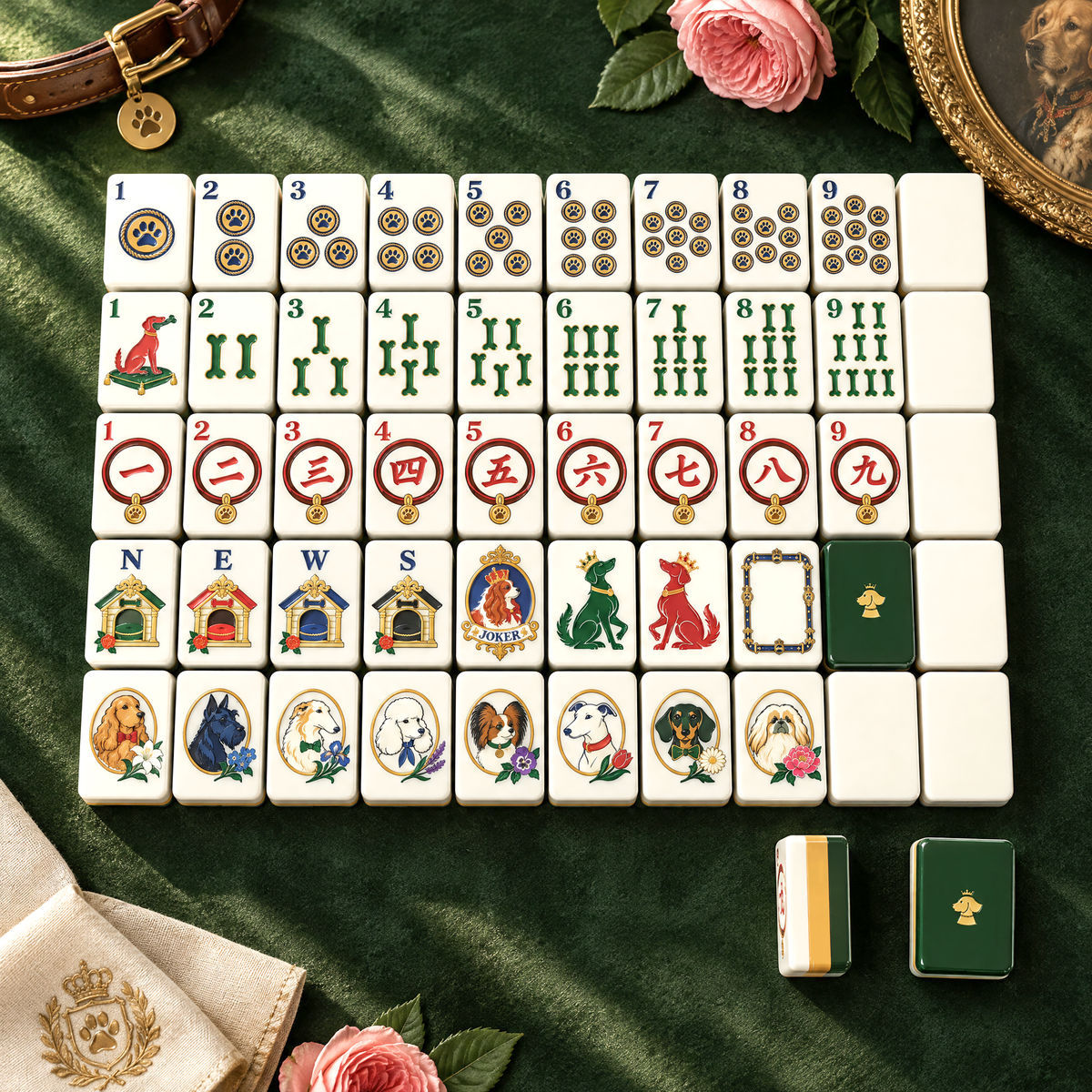
Fujian mahjong is a traditional Chinese variant originating from Fujian province, played with 108 tiles (one copy of 1–9 in Bams, Craks, Dots; no honors, flowers, or jokers). Lessons are offered live by instructors on platforms like WeChat, Zoom, and regional apps; many charge per hour or per session. A typical lesson runs 60–90 minutes and covers hand-reading, tile discard strategy, and the local scoring system. Unlike American mahjong—which uses 152 tiles, an annual card, and eight jokers—Fujian play emphasizes quick pattern recognition and rapid tile combinations. Before enrolling, confirm the instructor teaches your preferred city variant (Fuzhou, Xiamen, and Quanzhou each have distinct rules), and ask whether lessons are in Mandarin, Hokkien, or English. We recommend starting with the best-selling mahjong sets so you can practice alongside your lessons without dialect barriers.
Where do I find Fujian mahjong instructors online?
Live Fujian mahjong teachers operate on WeChat Groups (search "福建麻将" or your city name), regional Tencent Video channels, private Zoom setups, and specialty sites like 91.com and Mahjong Learn. Many instructors are based in Xiamen, Fuzhou, or Quanzhou and teach in real time. Check teaching language, student reviews, and whether the instructor covers your preferred local variant before booking. Most offer a trial lesson at reduced cost.

What's the difference between Fujian and American mahjong?
American mahjong uses 152 tiles (including 16 winds, 12 dragons, 8 flowers, and 8 jokers), hands come from an annual published card, and you may expose pungs, kongs, quints, and sextets but never sequences. Fujian mahjong uses 108 tiles (36 Bams, 36 Craks, 36 Dots, one copy each), no jokers or honors, and requires you to recognize hand patterns based on speed and discards. American play rewards memory of the printed card; Fujian rewards rapid mental math and reading opponents' intentions. American games take 45 minutes to 2 hours; Fujian rounds are often 10–20 minutes per hand. If you've learned American mahjong first, expect Fujian to feel looser and more intuitive but faster-paced.
How long does it take to learn Fujian mahjong basics?
Most students grasp tile recognition and basic hand patterns in 2–4 lessons (6–12 hours). Intermediate play—reading opponent discard sequences and adjusting strategy—takes another 8–12 hours. Expert-level speed and pattern prediction require 30+ hours of study and live play. Online lessons move faster than in-person play because instructors pause to explain; once you join a live table, the pace will feel much quicker. Set a goal (e.g., "pass beginner play in 6 weeks") and schedule lessons weekly to reinforce muscle memory and tile recognition.
What equipment do I need to practice Fujian mahjong online and offline?
For online lessons, you'll need a clear table surface, good lighting, and a camera angled to show your hand and the tile discard pile. For offline play with friends after learning, invest in a quality mahjong set with tiles large enough to read quickly (plastic acrylic tiles are durable and easy to clean). A mahjong mat keeps tiles in place during rapid play. Racks with pushers help you organize your hand without showing all tiles at once—essential for casual play. You don't need the American mahjong card or jokers; focus on equipment that keeps play smooth and tiles visible from across the table.
Equipment | Purpose | Why it matters for Fujian play |
Plastic acrylic tiles (108-piece set) | Tile play foundation | Lightweight, fast to shuffle, no sound delay on video calls |
Mahjong mat | Play surface | Keeps tiles organized during rapid discards; muffles sound |
Racks with pushers | Hand organization | Lets you hold 14 tiles cleanly without exposing your strategy |
Good lighting | Video lesson clarity | Instructor can see your tile reads; you see teacher's patterns |
Smartphone or laptop | Live lessons | Steadied tablet + camera at 45° shows hand, discard pile, faces |
Are there video tutorials or recorded lessons for Fujian mahjong?
Many instructors publish recorded sessions on Bilibili (the Chinese YouTube equivalent), WeChat video archives, and YouTube channels dedicated to regional variants. These are most useful after you've taken 1–2 live lessons, because recorded play moves fast and assumes you know tile names and basic sequences. Live instructors can pause, rewind, and answer questions in real time. Search "福州麻将教学" (Fuzhou), "厦门麻将" (Xiamen), or "泉州麻将" (Quanzhou) plus the words "online lesson" or "how to play" to find both recorded and live options. Many videos are free; premium channels offer deeper strategy. Start with one live instructor to build confidence, then use recorded content to reinforce patterns.
🀄 Shop best-selling mahjong sets →

How do I connect lessons to real-table play?
After 3–4 online lessons, request a low-stakes practice table from your instructor or join an open community game (search local WhatsApp groups or Mahjong forums for your city). Bring your mahjong set and a notepad. Play one session, then debrief with your instructor on 1–2 hands you fumbled. Most learners need 10–15 live tables to feel comfortable; instructors often host beginner-friendly games where speed is slower and players narrate their thinking. Never jump from lessons to a fast money table—you'll lose money and confidence. Ask your teacher to recommend a beginner cohort or practice group.
What language barriers should I expect?
If your instructor teaches in Mandarin, Hokkien (Fujian dialect), or Cantonese, expect some initial confusion with tile names and scoring terms. Ask for a one-page cheat sheet with tile names in your preferred language before Lesson 1. Many global instructors offer bilingual lessons; specify English when booking. If playing live with native speakers, memorize the Hokkien or Mandarin names for 1–9 of each suit (e.g., "tsiok pat" = 8 Craks in Hokkien) so you can follow discards and chatter. Language is a minor hurdle compared to pattern speed; prioritize learning tiles first.
🎁 See our most-loved mahjong sets & accessories →
What common mistakes do Fujian learners make?
Rushing into play before mastering tile names. Spend Lessons 1–2 drilling recognition until you can name all 108 tiles in order. Assuming American mahjong skills transfer directly. Fujian hand patterns are different; don't rely on American card logic. Joining fast money tables too early. Play free games first. Neglecting to ask about your city's specific variant rules. Fuzhou, Xiamen, and Quanzhou have different winning combinations and point multipliers; confirm your instructor teaches your target variant. Not recording yourself playing. After lessons 4–6, video yourself during low-stakes games and review with your instructor to spot habit mistakes.
What to check before you buy or book lessons
Instructor credentials: Ask how long they've played, what region they learned, and whether they teach beginners in English or your preferred language.
Lesson format: Confirm whether you'll learn by watching the instructor play, playing with the instructor, or studying recorded hands.
Trial session: Most offer a first lesson at discount; take it before committing to a course.
Equipment requirement: Check whether the instructor provides tiles or expects you to have a set ready (our best-selling collections are ready to ship within the US).
Community access: Ask whether enrollment includes a group chat or low-stakes game table—solo lessons are less fun than peer play.
Cancellation policy: Confirm refund terms in case scheduling doesn't work out.
✨ Find your Mahstead set — free US shipping →

FAQ
Can I learn Fujian mahjong if I already play American mahjong?
Yes, but expect a mental reset. American mahjong relies on the annual card and longer hand-building; Fujian is tile-speed and instinct. Most American players transition in 4–6 lessons because tile recognition transfers, but discard logic and hand patterns are different.
Do I need to own a mahjong set to take online lessons?
For instructor-led lessons, borrowing a set or using on-screen tile simulations is fine. Before joining live community games, buy a physical set so you can practice off-camera and develop speed in tile handling.
How much does a typical Fujian mahjong online lesson cost?
Pricing varies by instructor and region; ask directly during booking. Trial lessons are often discounted; multi-week courses sometimes offer bundled rates. Free recorded videos exist, but live instruction is worth the investment for speed and feedback.
Which Fujian city variant should I learn—Fuzhou, Xiamen, or Quanzhou?
If you have family or friends in one city, learn that variant first. If you're starting fresh, Xiamen is widely played and has the most English-language resources online. Confirm your instructor teaches your target city before enrolling.
Can I practice Fujian mahjong on my phone while learning?
Yes—Tencent Mahjong and Mahjong Soul have Fujian modes. Use the app after lessons 2–3 to drill tile names and basic hands. Live play on a physical table is essential for speed and social learning, so don't rely on the phone app alone.
What's the best time commitment for learning Fujian mahjong as an adult beginner?
Plan 10–15 hours of lessons plus 20–30 hours of community play over 6–8 weeks. Weekly 90-minute lessons plus one casual game session per week is sustainable. Most learners reach intermediate comfort in that timeframe.


View More
View More
View More
