
Filipino Mahjong vs Wright-Patterson Mahjong: Rules & Differences
Last updated: Nov 23, 2026
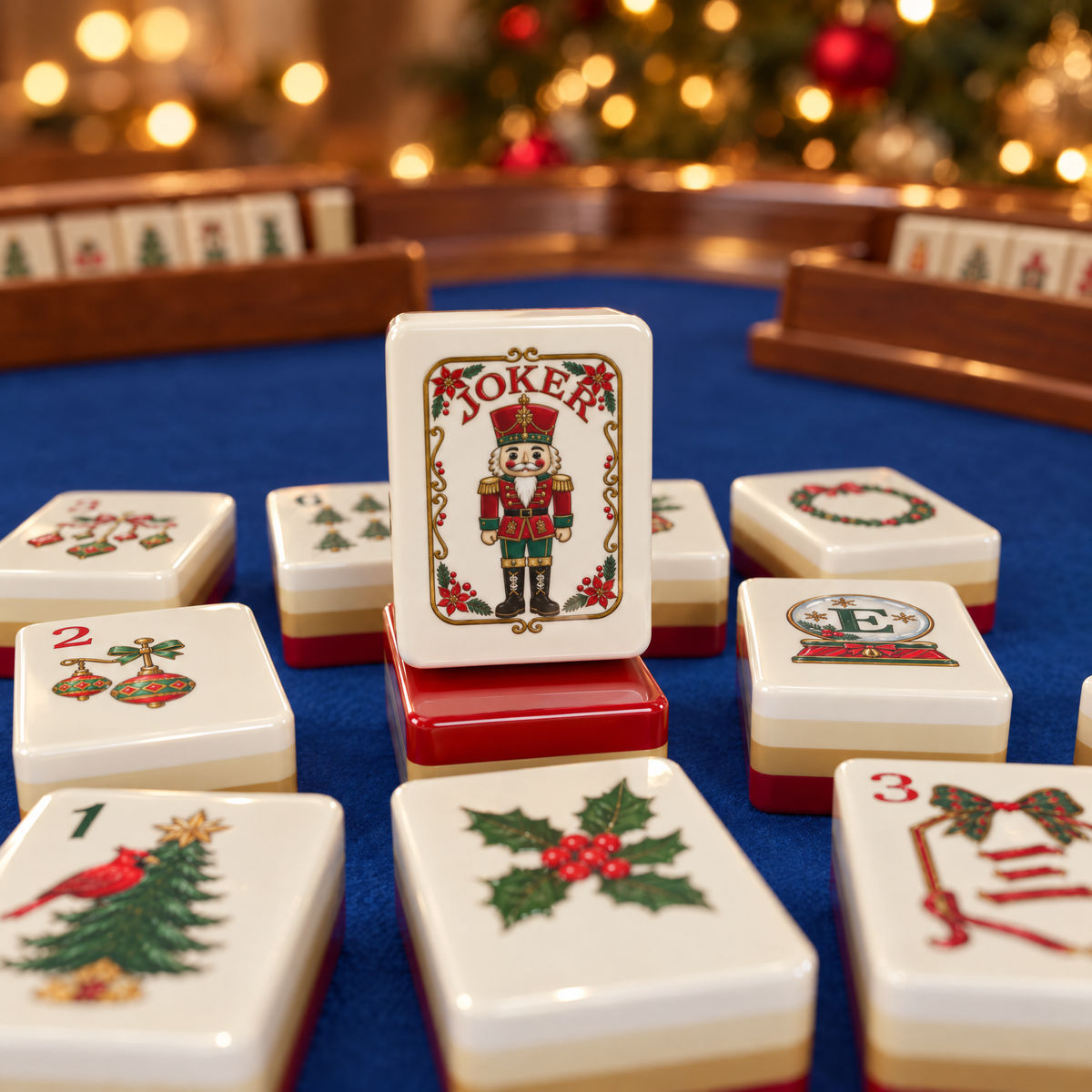
Filipino mahjong (also called Filipino solitaire or mahjong solitaire) is typically a card-matching game or simplified two-player variant using a smaller tile set, often played with fewer than 144 tiles. Wright-Patterson mahjong, developed near Wright-Patterson Air Force Base in Ohio, uses a modified American mahjong tile set with altered hand patterns and scoring that differs from the National Mah Jongg League standard. Neither is played competitively outside regional circles, so rules vary by group—some use house adaptations passed down for decades. Standard American mahjong remains the most widely taught variant in clubs nationwide. If you're hosting either at home, you'll want a full best-selling mahjong set that includes all suit tiles, winds, dragons, and jokers, then adapt the hand list to your group's preferred rules.
What is Filipino mahjong, and how does it differ from American mahjong?
Filipino mahjong encompasses several regional variants—some are solitaire tile-matching games, while others are social games played with a stripped-down tile set (often 108 or 120 tiles instead of 152). The most common social version uses no winds or dragons, only numbered suits and flowers. Hands are simpler, with shorter rounds and less emphasis on memorizing a formal card. American mahjong, by contrast, requires the current year's National Mah Jongg League card, all four winds, honor tiles, and exactly 152 tiles in play. American hands are fixed patterns you must match precisely; Filipino games often allow more flexible, player-declared combinations. This difference matters: if your group is learning Filipino rules, a full American set is overkill—but if you ever want to switch to American standards, you'll need one.

How does Wright-Patterson mahjong work?
Wright-Patterson mahjong emerged in Ohio as a casual, house-rule variant of American mahjong. It keeps the 152-tile American set structure but uses a modified hand list (not the National Mah Jongg League card) with different scoring and payout rules. Some hands may allow sequences (chows) that American mahjong forbids; others may have unique bonus combinations. Exact rules are decided by local players, so no two Wright-Patterson circles play identically. This flexibility is both a strength (anyone can host without buying the annual league card) and a weakness (newcomers find no published rulebook). If you're joining a Wright-Patterson game, ask the host for a written hand list and scoring sheet before your first game—traditions vary widely, and assuming American rules will cost you credibility.
What tiles do you actually need for each variant?
American mahjong: exactly 152 tiles (three suits × 1–9 × four copies = 108, plus 16 winds, 12 dragons, 8 flowers, 8 jokers). This is the standard.
Filipino mahjong (social version): 108–120 tiles (often just three suits and flowers, no winds or honor tiles). Some groups add a few jokers.
Wright-Patterson mahjong: 152 tiles, same as American—the difference is in which hands are legal, not the tile set itself.
If you're unsure which variant your group actually plays, ask someone who learned it locally—rules are almost always oral tradition. A full best-selling mahjong set covers you for any 152-tile variant; if your group uses fewer tiles, you'll have spares, which is harmless.
🀄 Shop best-selling mahjong sets →
Can you play Filipino or Wright-Patterson mahjong with the same set?
Yes, if both variants use the same tile count in your circles. If Filipino is truly 108-tile and Wright-Patterson is 152-tile, you cannot share a set between them—you'd need two.
The key question: does your Filipino group actually use 108 tiles or has it evolved to use all suits and winds? Many Filipino groups that moved to the U.S. have adopted fuller tile sets over time. Ask your host how many tiles are in play, not just the game's name.
A single best-selling mahjong set (152 tiles) works for both Wright-Patterson and American mahjong without issue. For truly stripped-down Filipino solitaire, a smaller set makes sense—but if you're playing socially with four people, you'll likely need the full 152-tile complement.

How do you score Filipino vs Wright-Patterson hands?
Variant | Scoring Basis | Payout | Joker Use | Hand Card |
American | Fixed National League card patterns; points per hand type | Settlement per player (varies by group) | Jokers substitute for any tile; cannot form pair or single | Annual League card (required) |
Wright-Patterson | Modified local hand list; bonus multipliers for sequences or honors | House rules (ask host) | Varies; some allow joker pairs | Printed house sheet (or none) |
Filipino (social) | Simpler combos; often player-announced melds | Minimal or none; often friendly game | May not use jokers at all | None; oral tradition |
The biggest scoring difference: American play is standardized nationwide, so a hand worth 30 points in Dallas also scores 30 in New York. Wright-Patterson and Filipino scores are completely local—always confirm with your host before playing for money.
What should you check before buying or hosting either game?
Before your first game or before buying a set:
Ask the host which tiles are in play. Is it 108, 120, 144, or 152? This determines your set choice.
Request a written hand list or scorecard. If none exists, ask for the top ten most common winning hands so you recognize them.
Clarify joker rules. Can they be called? Can they form a pair? Do they have suit restrictions?
Check the payout structure. Friendly game (no money) or points settlement? What's the scoring multiplier per hand?
Learn the Charleston (tile-passing ritual) in advance. Even stripped-down Filipino games often use it—the Charleston explained here.
Bring or ask for a mat. A mahjong mat keeps tiles organized and mutes noise, whether you're hosting American, Wright-Patterson, or Filipino games.
✨ Find your Mahstead set — free US shipping →
Why do regional variants matter when learning mahjong?
If you're teaching a friend or hosting your first game, knowing which variant you're playing prevents confusion and frustration. A newcomer taught American mahjong expects the League card; thrown into Filipino rules, they'll misunderstand hand validity. Worse, if you buy a set designed for one variant and your group actually plays another, you've wasted money.
The solution: always confirm the variant before you buy. Ask where the player or host learned the game. If it's a work group or military community, Wright-Patterson is likely. If it's a multi-generational family tradition, Filipino is common. If it's a club or synagogue, American mahjong dominates. Once you know, a best-selling mahjong set (152 tiles) covers Wright-Patterson and American play seamlessly. For truly non-standard Filipino play, consult your host about exact tile needs before ordering.
🎁 See our most-loved mahjong sets & accessories →
What you'll need
Whether you're hosting Filipino, Wright-Patterson, or American mahjong, start with a reliable best-selling mahjong set that includes all suits, winds, dragons, flowers, and jokers. If you host regularly, add a mahjong mat to keep tiles organized and quiet, and mahjong racks with pushers so players can see their hands clearly without accidental discards. A mahjong bag protects your set between games—especially if you're traveling to someone else's house for Wright-Patterson or Filipino play.

FAQ
Is Filipino mahjong the same as mahjong solitaire?
No. Mahjong solitaire is a single-player card-matching computer game. Filipino mahjong (social version) is played with four people using tiles, similar to American mahjong but with simpler hand patterns and no League card. Both use the name, but they are completely different games.
Can I play Wright-Patterson mahjong with American League tiles?
Yes. Wright-Patterson uses the same 152-tile set as American mahjong. The only difference is which hands are legal—you use a house hand list instead of the National Mah Jongg League card. Ask your Wright-Patterson host for their hand sheet before your first game.
What's the easiest regional variant for beginners?
American mahjong is the most standardized—one annual card nationwide means new players can learn rules that won't change. Filipino and Wright-Patterson vary by group, so beginners often struggle with house rules. If you're new, ask the host which variant they play and whether they have written rules to share.
Do you need the National Mah Jongg League card to play Wright-Patterson mahjong?
No. Wright-Patterson uses a local house-rule hand list, not the League card. This flexibility is why it became popular in military and casual circles—no annual card purchase required. But confirm your group's exact hand list before your first game.
Can Filipino, Wright-Patterson, and American mahjong use the same set?
If Filipino is the full-tile social version (152 tiles), yes. Wright-Patterson always uses 152 tiles. All three can share a single best-selling set. If your Filipino variant uses only 108 tiles, you'd need a different set—ask your host.
How do you know which variant your family plays?
Ask an older player who learned it first. Regional variants are passed down by tradition, not written rules. Ask: Where did you first learn this game? How many tiles? Do you use winds and dragons? Is there a hand card, or do you memorize patterns? These answers reveal which variant—and which set you'll need.


View More
View More
View More
