
Filipino Mahjong Etiquette: Rules & Table Customs
Last updated: Nov 23, 2026
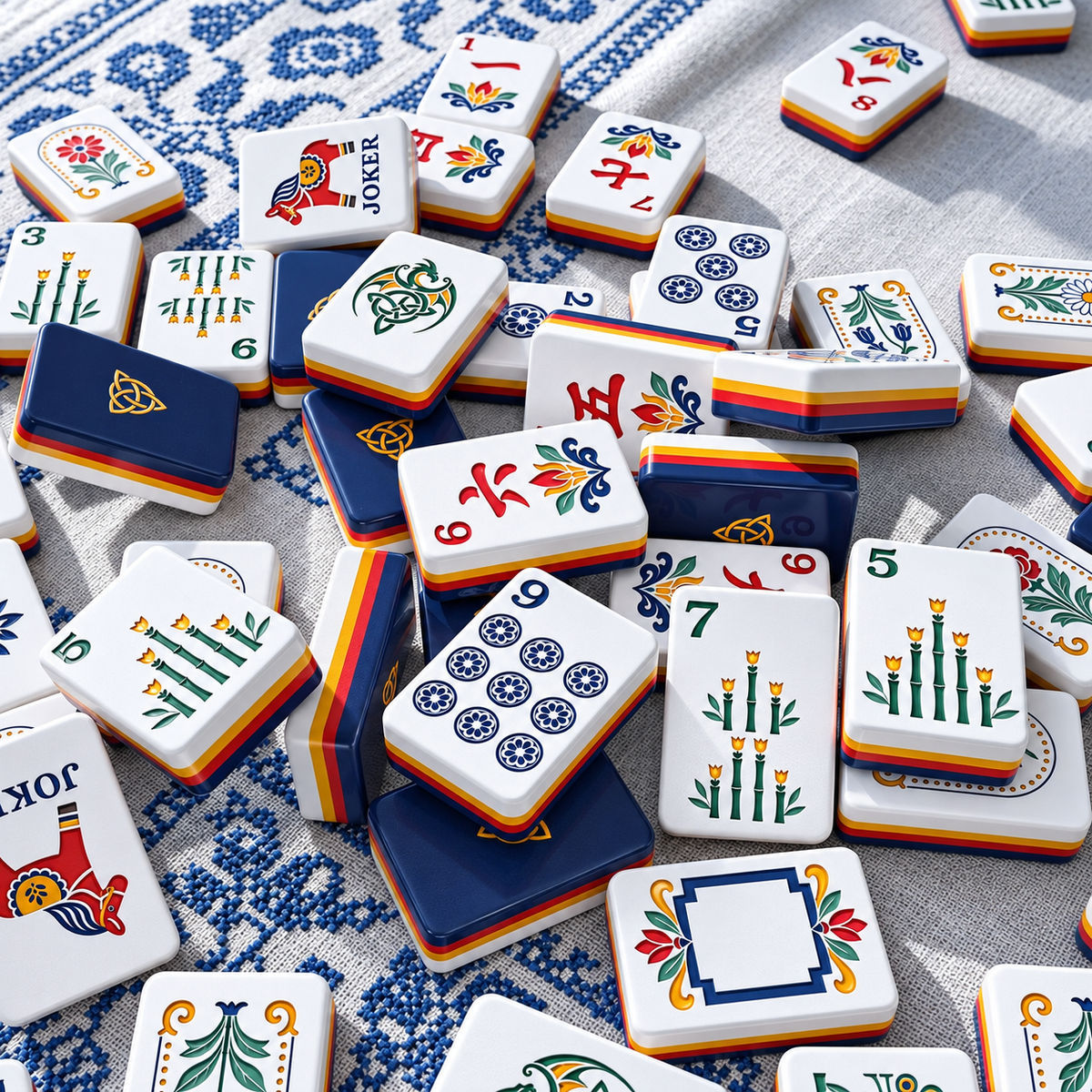
Filipino mahjong etiquette centers on respect, fair play, and protecting the integrity of the game. Players must handle tiles silently, never expose their hand, keep a clear play order, and manage money stakes honestly. Core rules include no collusion between players, clear verbal calls, prompt tile discarding, and respecting the East player's authority. In family or casual settings, house rules often override standard play—these must be agreed before dealing begins. Money games require neutral scorekeeping and immediate settlement. Violations range from gentle reminders for beginners to forfeit or exclusion from future games. Unlike American mahjong's rigid National League card system, Filipino play often allows flexibility in hand patterns, making table agreement on scoring and hand validity even more critical. Most Filipino players host weekly games in homes or community centers using standard American or imported Chinese tile sets; best-selling mahjong sets work well whether you're playing casual family rounds or money games.
Why does tile handling matter in Filipino mahjong?
Silent, deliberate tile handling protects game integrity and prevents accidental signals. Players must draw tiles from the wall slowly, face-down, without tilting them toward neighbors or the discard pile. Never peek at tiles before your turn; never shuffle the wall during play. Holding tiles too loosely invites accusations of "flooding" (accidentally exposing your hand). Stacking discards neatly in the middle keeps the board honest—no hidden reads of the tile sequence. A single sloppy draw, whispered to a neighbor, can earn a stern correction or cost you the hand.

What is the East player's role and authority?
The East player (起家, "starter") sits in the primary seat and resolves disputes before they escalate. East announces hand validity, rules on whether a call is legal, and settles money when the game ends. Respect for East is cultural; players defer to their judgment without arguing across the table. If East is unsure, a vote by all four players decides—but East breaks ties. Never challenge East's call in front of the group; discuss privately after the hand ends. In home games, East may rotate each round, or one strong player holds the role all night.
How do money stakes and settlement work?
Players agree on per-point value before dealing the first hand—typically small amounts per win to keep games friendly. When someone wins, that player collects from all three losers based on points scored. Immediate payment keeps trust intact; never defer settlement to the next week. If a dispute arises (disqualified hand, unclear scoring), the money stays on the table until resolved by East or group consensus. In no-money games, honor codes still apply—players track scores mentally and accept results without recount. Money games demand clearer house rules; casual games tolerate more flexibility.
What are the most common Filipino house rules?
Most Filipino home games allow mixed hand patterns (American card patterns, Chinese classical hands, or hybrid patterns), agreed before play starts. Jokers may or may not reset the tile draw sequence—settle this first. Some groups ban certain calls early in the hand (no winning on the first discard, for example). Redemption hands (a losing player gets one bonus hand for free) are common in family games. "Eating" (picking tiles meant for your neighbor's hand in error) may result in a restart or a penalty. Always ask the host for house rules before sitting down; never assume American mahjong rules apply.
How do players handle disputes without breaking the table?
Disagreements must stop play immediately; calling out "Wait!" halts the hand. All four players then review the tiles, the exposed melds, and the claimed hand against group-agreed patterns. If consensus fails, East decides—no appeals. If a player breaks a rule (exposed hand, premature call, incorrect discard), the penalty ranges from a warning to forfeiting the hand's points. Serious violations (collusion, tile marking, deliberate miscounting) end the game and ban that player from future nights. Never raise your voice; never accuse without evidence. A calm, unified table is the goal.
Scenario | Etiquette | Outcome |
Tile accidentally exposed | Report to East immediately | Hand paused; tile returned; play resumes |
Wrong discard order | Caller stops play before pickup | Discard reversed; correct player discards |
Unclear winning call | East asks caller to restate tiles | Tiles verified; hand confirmed or denied |
Money dispute | East records points; settle on spot | Losers pay winner before next hand |
Player misses turn | Next player announces "skip" loudly | Skipped player forfeits that turn |
🀄 Shop best-selling mahjong sets →
How do you teach newcomers without slowing the game?
Designate one strong player as the newcomer's coach for that night. The coach watches the new player's tiles, whispers corrections before illegal moves, and explains calls quietly. Never pause the entire hand to explain; save detailed lessons for between-hand breaks. If a newcomer commits a minor rule error (discards out of turn, forgets to discard), treat it as accidental and correct gently. Praise correct play—many beginners lose confidence in mixed-skill games. After a few nights, most newcomers master the rhythm; be patient early. Filipino table culture values teaching as much as winning.

What does respectful language sound like at the table?
Calls must be clear and loud: "Pung!" (three identical tiles), "Kong!" (four identical tiles), "Mahjong!" (winning hand). Avoid vague mumbles or side conversations that confuse the table. Use only agreed-upon signals (tapping the rack means ready, touching a tile means intent to draw). Never comment on another player's hand strategy mid-game—it's seen as unsportsmanlike. After the hand, light banter is fine; during play, focus only on your tiles and the discard pile. Apologize quickly if you make an error; humility earns respect faster than defensiveness.
What should you avoid at a Filipino mahjong table?
Never discuss another player's hand in front of that player. Never touch another player's tiles or racks. Never suggest a winning move to a losing player during their hand. Never accuse someone of cheating without speaking to them privately first. Never leave money unsettled; never play for stakes you can't afford to lose. Never arrive late, leave early without notice, or bring a phone to the table. Never comment negatively on someone's bad luck—Filipino tables are superstitious, and words carry weight. Etiquette is as much about what you don't do as what you do.
What to check before you buy a set for hosting Filipino games
If you're hosting weekly rounds, invest in a set designed for long play: durable acrylic tiles that survive hundreds of shuffles, clear suit markings that read in low light, and racks with pushers that keep hands organized and hidden from neighbors. A quality mahjong mat protects your table and defines the play area cleanly—essential when money is on the line. For travel to a weekly game at someone else's home, a durable bag or case keeps your set safe and signals that you take the game seriously. Make sure your set includes enough jokers and replacement tiles; Filipino play is intense, and worn tiles or missing jokers will derail an evening.
✨ Find your Mahstead set — free US shipping →
How does Filipino mahjong differ from American mahjong etiquette?
American mahjong is governed by the National Mah Jongg League card and rigid rules; any hand off the card is invalid. Filipino mahjong is more fluid—players often agree to accept hands that aren't on any official card if the group votes to allow them. American play is faster, with less emphasis on social negotiation between hands. Filipino play mixes strategy with relationship-building; the game is as much about friendship as winning. American tables are often gender-separated or club-based; Filipino home games mix ages and genders. Both demand respect for tile handling and honest play, but Filipino etiquette places more weight on the host's authority and group consensus than formal rules.
How do superstitions shape table etiquette?
Many Filipino players avoid certain words during play (never say "bad luck" or "I almost won"). Some players won't start a hand if they're wearing certain colors or if someone has recently left the table. Whistling, humming, or jinxing another player's hand is considered aggressive and may get you asked to leave. Tipping the rack toward you is believed to invite better tiles; tilting it away brings bad luck. A player on a losing streak might sit out a hand to "reset their luck." These aren't rules—they're customs. Respect them even if you don't believe; dismissing superstitions as foolish will mark you as an outsider.
🎁 See our most-loved mahjong sets & accessories →

FAQ
What's the difference between a pung and a kong in Filipino mahjong?
A pung is three identical tiles; a kong is four. Both are called sets. In Filipino play, you expose both immediately when you claim them. The caller announces "Pung!" or "Kong!" loudly so all players hear it and the East player can verify the tiles are legal.
Can you play Filipino mahjong for money without house rules?
No. Money games require agreed stakes (per-point value), clear settlement (pay immediately), and someone to track scores or disputes. Without house rules, disagreements about payment will end friendships. Settle everything before the first hand is dealt.
Who decides if a hand is valid in Filipino mahjong?
The East player decides, after consulting the group if needed. If the hand matches agreed-upon patterns (American card patterns, Chinese classical hands, or house variants), it's valid. If it's ambiguous, a vote by all four players settles it—East breaks ties.
What happens if someone exposes their hand accidentally?
Report it to East immediately. The hand is typically paused; the exposed tiles are noted but remain in play. The player is warned but usually allowed to continue—it's accidental. Deliberate exposure of another player's hand is a serious violation.
Is collusion (two players signaling to each other) ever tolerated?
No. Collusion is the most serious violation and will result in immediate exclusion from that game and future games. No exceptions, no second chances. Protect table integrity by reporting suspected collusion to East without making accusations at the table.
How do beginners avoid breaking etiquette?
Watch the table before sitting in. Ask the host for house rules. Handle tiles slowly and deliberately. Call out your moves clearly. Pay attention to your turn. Admit mistakes quickly. Never touch another player's tiles. Ask questions between hands, not during play.


View More
View More
View More
