
Clear Mahjong Racks with Pushers: Choose the Right Fit
Last updated: Nov 23, 2026
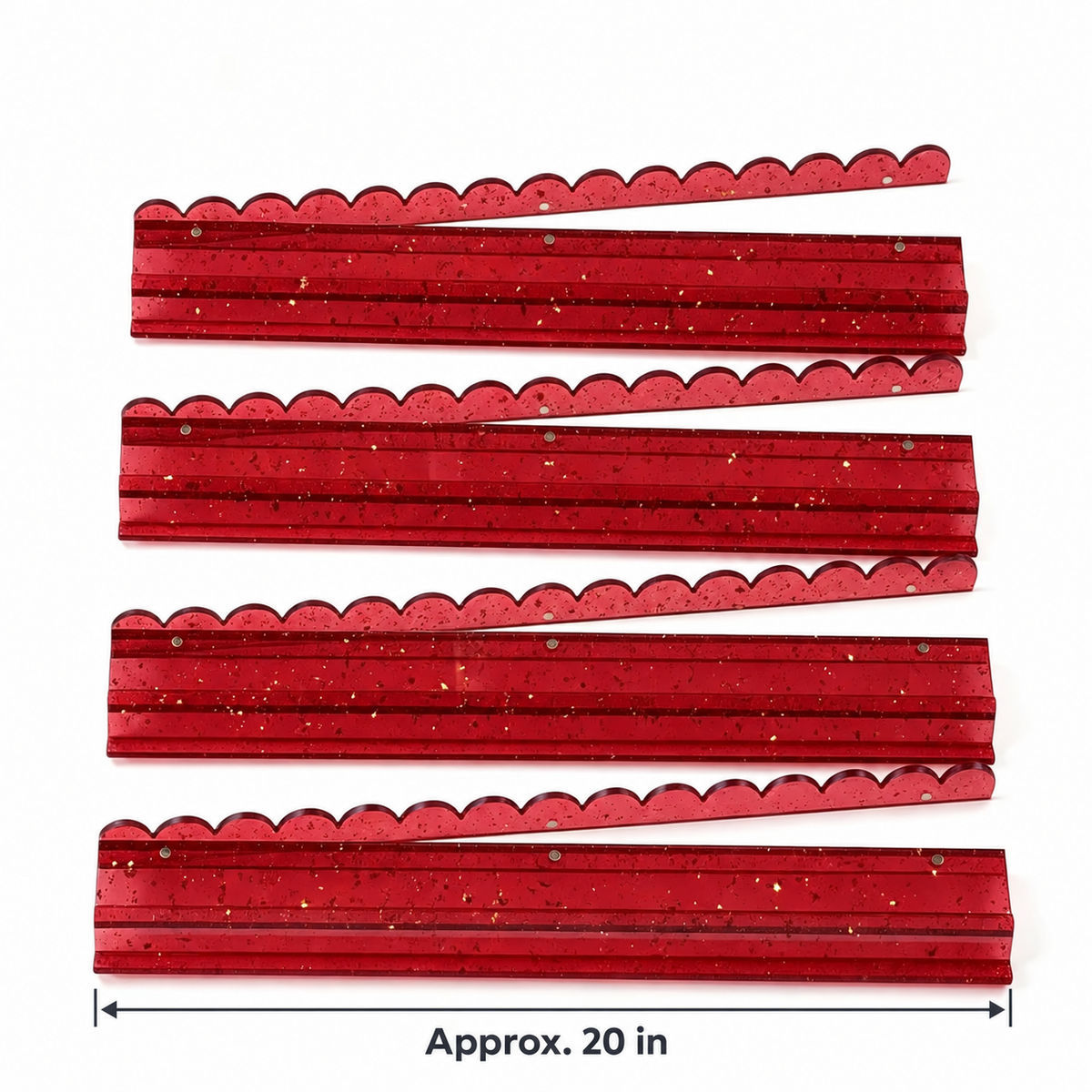
A clear mahjong rack with pushers is an acrylic holder that displays your 13 tiles in a single row, with a mechanical pusher mechanism that lets you slide tiles forward to conceal what you hold from other players. We use them weekly to keep hands organized, prevent accidental tile reveals, and reduce table clutter. Racks come in two main styles: standard height (designed for traditional tile sizes) and taller versions (for bigger tiles or better sight lines). Most racks accommodate tiles from a full American 160-tile set and attach a pushable bar at the base so you can adjust which tiles face opponents. Quality varies by material thickness, pusher smoothness, and whether the acrylic edges are beveled or polished. Cost, based on Mahstead's offering, ranges across our mahjong racks collection—check the product page for current pricing. The most common mistake: buying a rack designed for a different tile thickness, which causes tiles to stick or fall loose during play. 🀄 Shop best-selling mahjong sets →
Why do experienced players prefer racks with pushers?
Hidden hands protect you from accidental tile reveals—the pusher bar covers tiles below the top row so no one at the table can count your hand size or guess your strategy. Pushers also reduce fumbling; instead of juggling tiles, you push forward the ones you need to discard or read. We've found that racks eliminate the common problem of tiles tumbling onto the table mid-game, especially once the tile count drops and hands get lighter. A quality rack means faster play, fewer disputes about what was exposed, and a more professional table feel, whether you're hosting casuals or hosting seriously competitive rounds.
What size rack do I need for my tiles?
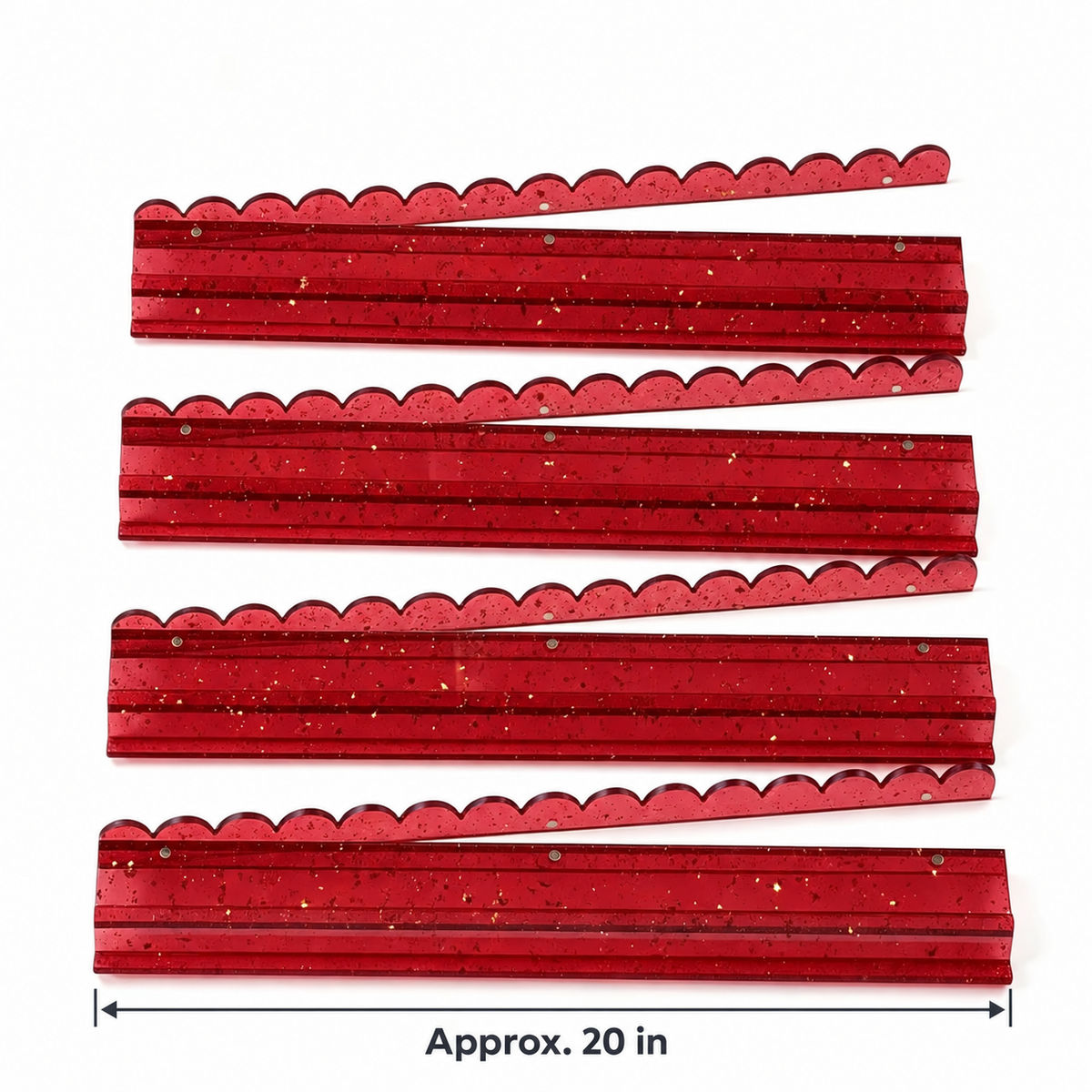
Your rack size depends on two factors: the thickness of your tiles and your preferred sight line. Standard American mahjong tiles are roughly ¾ inch thick; racks designed for them hold all 13 tiles in a single snug row. If your set has thicker tiles (some decorative or vintage sets do), a slightly deeper rack prevents binding. The other choice is height: taller racks let you see more of the tile face while sitting back, which some players prefer for reducing neck strain. Before ordering, measure the depth of one of your tiles (calipers work best) and compare it to the product specs—this one detail prevents the most expensive mistake: a rack that wobbles or won't accept your tiles at all.
What's the difference between standard and premium acrylic racks?
Standard acrylic racks hold tiles securely and function fine for casual play. Premium racks usually feature thicker, beveled acrylic edges (less likely to chip if the rack is dropped or stacked), smoother pusher mechanisms (brass or nylon-reinforced bars that glide without catching), and a more polished finish that won't cloud after a season of use. Some premium racks also include a non-slip base or rubber feet, which matters if your mat is slippery or if your table has a glossy surface. For weekly home games, a standard rack is honest and cost-effective; for tournament play or if you're gifting a set to someone who plays multiple nights a week, the premium option pays off in durability.
Rack Type | Best For | Key Feature | Durability Note |
Standard acrylic | Casual weekly games | Secure tile fit, basic pusher | Fine for light use; edges can ding if mishandled |
Premium acrylic | Frequent or tournament play | Beveled edges, smooth mechanism | Resists cloudiness; pusher stays responsive years |
Tall design | Players with sight-line preference | Higher tile display, reduced glare | Same durability as standard/premium; personal comfort choice |
Compact design | Travel or small tables | Space-saving depth, full capacity | Best paired with a travel case to protect corners |
🎁 See our most-loved mahjong sets & accessories →
Do I need pushers if I'm just learning to play?
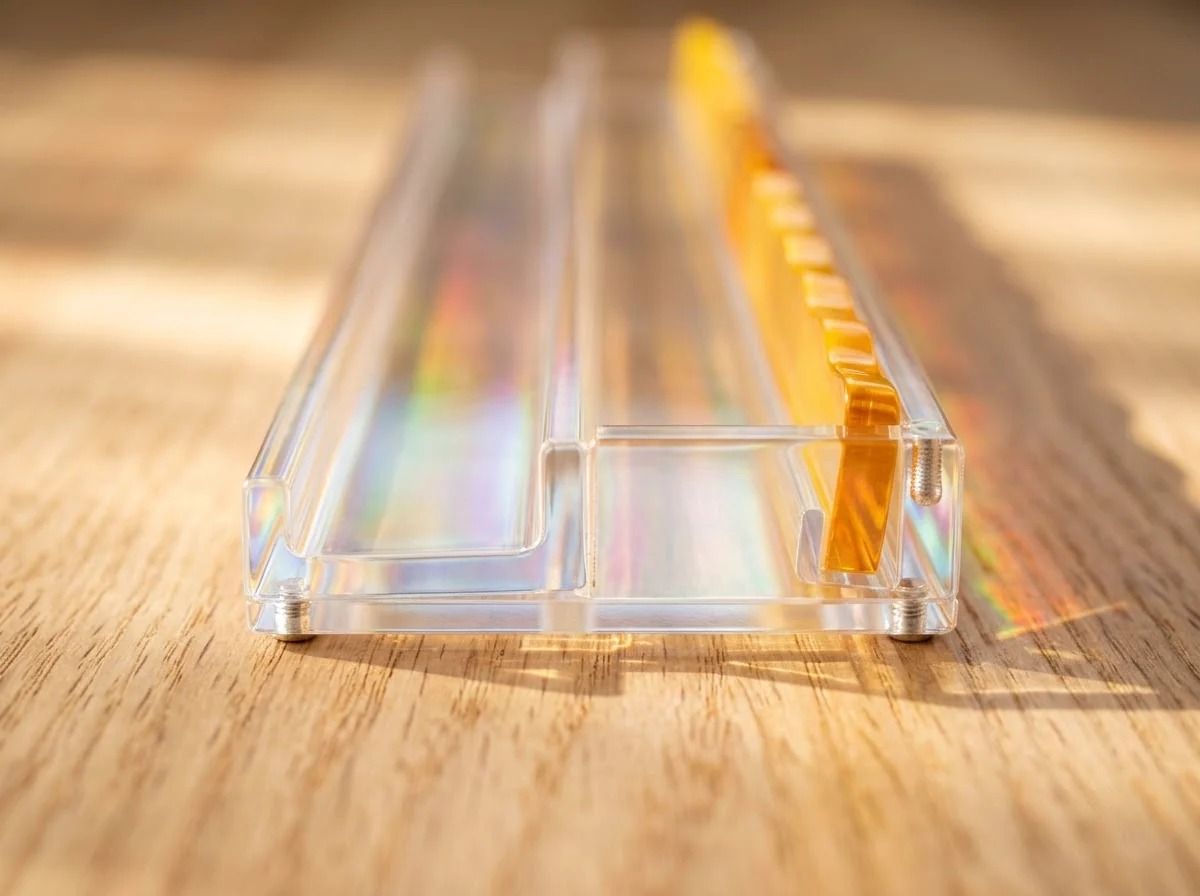
Beginners absolutely benefit from pushers—they remove one source of confusion (managing tile visibility) so you can focus on learning the hand patterns and the Charleston. If you're starting out, a clear rack with a pusher helps you develop the habit of keeping tiles hidden, which is central to American mahjong strategy. Some beginner sets bundle racks with pushers as part of a starter package; others sell them separately. If you're buying your first complete American mahjong set, confirm whether a rack is included or available as an add-on—it's worth the investment if you plan to play weekly.
How do you avoid common rack mistakes?
Before you buy:
Measure your tile depth—tiles and racks must match.
Check the advertised capacity (always 13 tiles for American mahjong).
Verify that the pusher bar moves freely in photos or demo videos if available.
Confirm whether the rack is sold alone or bundled with a set or mat.
After it arrives:
Test the pusher on a few tiles before a game to ensure smooth motion.
If tiles stick, never force the pusher—remove tiles and check for misalignment (the acrylic may have warped in shipping, though this is rare with quality sets).
Store racks upright or in a padded travel bag designed for mahjong to prevent corner damage.
Wipe acrylic with a soft, dry cloth; avoid liquids or harsh cleaners that cloud the material.
✨ Find your Mahstead set — free US shipping →
Should I buy racks with my set or separately?
If you're building a complete setup, buying racks as part of a bundled collection often makes sense—you know the tiles and racks are designed together and you avoid sizing guesswork. If you already own a set and want to upgrade from hand-holding to racked play, buying racks separately is smart; just confirm your tile thickness first. Our racks collection lets you shop by style and size, and the product pages include compatibility notes so you can match your existing tiles. Many players eventually own multiple racks—one for daily play and a spare for backups or travel—so starting with one good one and adding later is a practical approach.
FAQ
Can I use a mahjong rack if my tiles are smaller or larger than standard?
Measure your tile depth first. Standard racks fit the most common tile sizes; some manufacturers offer deep-slot or shallow-slot variants. Check the product specs—a poor fit means tiles drop or jam, ruining the game. Contact the seller before ordering if your tiles are non-standard.
Do pushers really hide my hand from other players?
Yes. The pusher bar sits in front of your top row, blocking sight lines to tiles below it. From across the table, opponents see only the top tile or two, not your full hand count. This is the core purpose and works reliably in fair play.
How do I clean an acrylic rack without scratching it?
Use a soft, dry microfiber cloth. Avoid paper towels, which can micro-scratch the surface. Never use water or cleaners unless the acrylic is heavily soiled—then a barely damp cloth and immediate dry-off. Store racks away from direct sunlight to prevent material degradation.
What's the difference between a rack and a stand?
Racks hold 13 tiles and include a pusher mechanism; stands are typically passive holders without pushers. Racks are standard for American mahjong; stands are less common but exist for players who want open display without concealment.
If I buy a 160-tile set, are racks included?
Usually not—most complete mahjong sets bundle tiles, a mat, and dice, but racks and pushers are often sold separately to let you choose your preferred style. Always check the product description before adding to cart.
Can I use the same rack for Chinese or Riichi mahjong?
Possibly, but not recommended. Chinese and Riichi tiles are often slightly different sizes and thicknesses than American tiles. A rack designed for one variant may not fit another snugly. When buying a rack, confirm it's sized for your variant.
How do racks affect game speed?
Significantly—pushers eliminate time spent arranging or hiding tiles by hand. Over a full game, this saves minutes and reduces table friction. Plus, fewer fumbles mean fewer accidental reveals and disputes.


View More
View More
View More
