
Chinese Mahjong vs. Siamese Mahjong: Key Differences Explained
Last updated: Nov 23, 2026
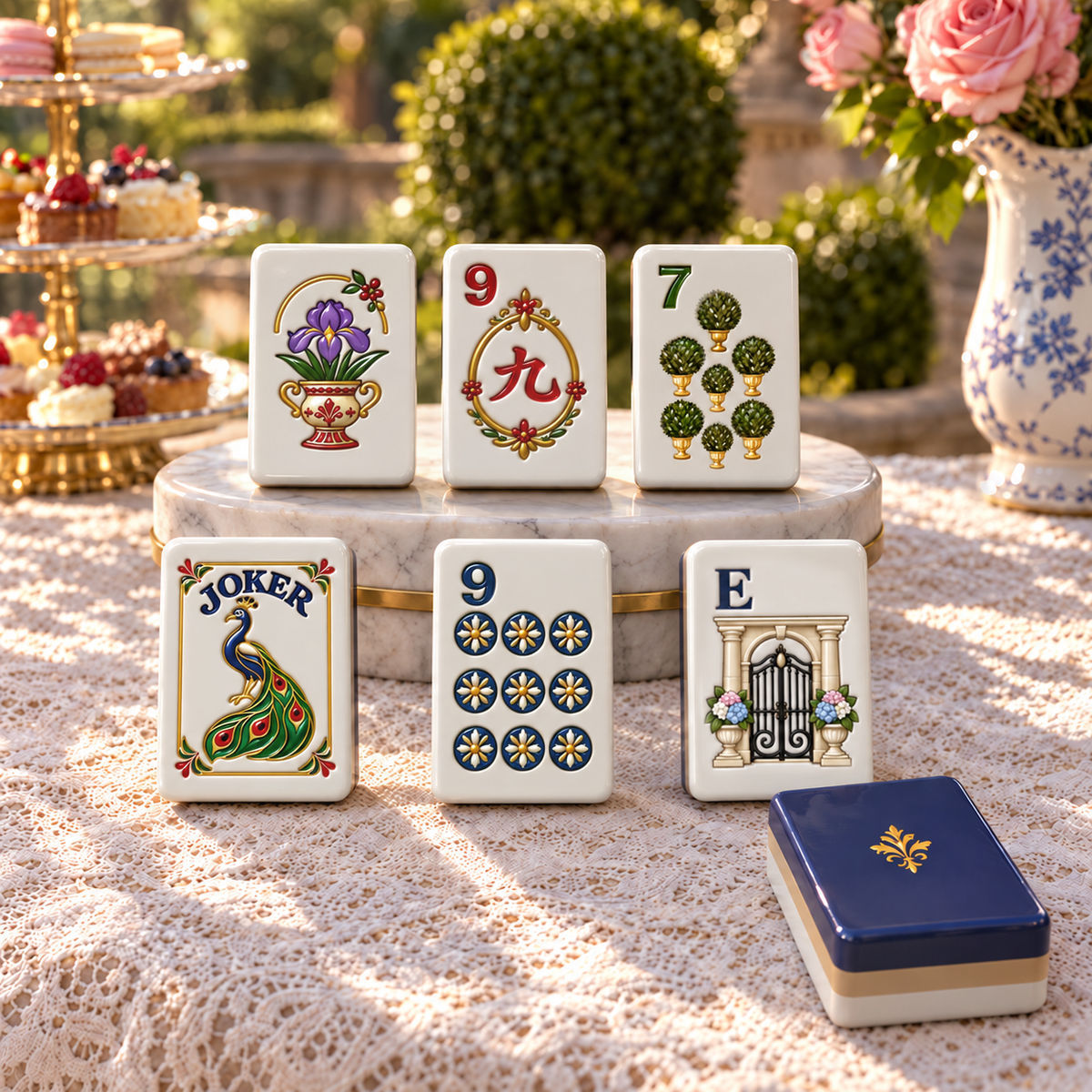
Chinese mahjong (also called Cantonese or Hong Kong mahjong) uses 144 tiles with flowers and seasons; players draw and discard one tile per turn, building hands from melds and a pair, winning by completing eyes (pairs) plus three melds. Siamese mahjong (Thai mahjong) also uses 144 tiles but plays faster with simultaneous discard and a much larger bonus system: players declare melds openly during play, score aggressively for sets, and use a running tally rather than settle at the end of one hand. Both differ fundamentally from American mahjong, which uses 152 tiles, requires hands only from the current year's official card, and forbids chows (sequences). The choice depends on your group's pace preference: Chinese mahjong favors strategic play and careful hand reading; Siamese mahjong rewards speed and luck. Neither is inherently "harder"—they're simply built for different table cultures. If you're hosting players from multiple traditions, clarify the rule set before the first tile lands, as switching mid-game breeds confusion and frustration. 🀄 Shop best-selling mahjong sets →
What tiles and equipment does each variant use?
Chinese mahjong uses 144 tiles: three suits (Bams, Craks, Dots) numbered 1–9 with four copies each, plus 16 winds, 12 dragons, eight flowers, and eight seasons. Siamese mahjong also uses 144 tiles—same composition. American mahjong, by contrast, uses 152 tiles and adds eight jokers (never found in Chinese or Siamese play). The tile designs differ regionally: Chinese sets often show traditional calligraphy on face tiles; Siamese sets use brighter numerals and simplified suit symbols. For equipment, Chinese players typically use wooden racks to organize hand and a discard wall or pile in the center; Siamese play often uses a faster, more compact discard method with tiles face-up in rows. American players need mahjong racks with pushers to expose melds and move scoring efficiently—essential for the American tile-calling system.

How does hand-building differ between Chinese and Siamese?
Chinese mahjong requires each winning hand to contain exactly four melds (pungs, kongs, or chows) plus one pair; a player completes the hand by either drawing or claiming a discard. The hand progresses secretly until winning. Siamese mahjong allows players to declare and expose melds as play unfolds, building confidence and blocking opponents—a player with three Bam 7s can announce a pung immediately and place it face-up on the table. Winning in Siamese still requires a pair plus melds, but the open play style accelerates the game and adds tactical depth: you can see what your opponents hold and adjust your discards. American mahjong sits between these poles—melds are exposed (called) but only on the turn you complete them, and hands must match patterns from the official annual card, a constraint neither Chinese nor Siamese enforce.
What scoring and bonus systems apply in each game?
Chinese mahjong uses a base point system tied to hand complexity: concealed melds (not claimed from others) score higher; terminal or honor tiles in melds earn bonuses; drawing the winning tile yourself (self-draw) doubles points. Most hands end with a single payment from one loser or split among three. Siamese mahjong multiplies payouts dramatically—each meld displayed on the table scores independently, and bonus points stack for multiple melds, self-drawn wins, or special hand combinations. A Siamese player might earn two to five times the pot value in a single round, making the game faster and higher-stakes psychologically. American mahjong scores by hand type alone (no melds score individually); winners receive payments based on the hand's value on the card, divided equally among three losers. Chinese play favors long, careful analysis; Siamese rewards quick decisiveness; American balances luck and memory of legal patterns.
How does turn order and winning differ?
In Chinese mahjong, players take turns drawing from a wall and discarding one tile; after 13 tiles in hand, the next draw completes 14, triggering a win check. Winning happens when the full hand is ready—often a surprise to others at the table. In Siamese mahjong, all players are always watching, and melds are declared the instant a player collects three or four identical tiles. Win conditions are the same (pair plus melds), but because melds are public, the game feels more dynamic. A player might realize they're close to a win and discard defensively, or block an opponent's obvious hand. American mahjong differs sharply: a player calls "Pung!" or "Kong!" immediately upon completing a three- or four-tile set, and the discarder surrenders their tile; only the hand holder moves pieces into the expose zone. American games also enforce a rigid wall-draw sequence and the Charleston tile-passing ritual before any draw begins—a step unique to American play.

Which variant should you choose for your game night?
Variant Comparison Table
Variant | Tile Count | Melds Exposed? | Bonus Scoring | Game Pace | Best For |
Chinese | 144 | Secret until win | Moderate | Slow/strategic | Quiet, thoughtful players |
Siamese | 144 | Declared as built | High multipliers | Fast/reactive | Loud, social, high-energy tables |
American | 152 | Called on claim | Card-based only | Medium | Memory-focused, rule-loving |
Choose Chinese mahjong if your group enjoys silent hand-reading, long rounds, and traditional aesthetics—ideal for family reunions or serious players seeking challenge. Pick Siamese mahjong for high-octane fun, lots of chatter, and games that finish in 30–45 minutes; it suits younger players, social parties, and competitive sessions where everyone stays engaged simultaneously. American mahjong suits players who love memorizing pattern cards, using jokers tactically, and following strict rules—the official annual card structure creates a level playing field and appeals to league players and home groups in the US who value standardization.
🎁 See our most-loved mahjong sets & accessories →
What should you check before buying a set for your variant?
Before purchasing a set, confirm your group's variant choice—many players assume all mahjong is the same and discover mid-game they're using mismatched rules. For Chinese or Siamese play, look for a 144-tile set; you'll also need a sturdy mahjong mat if playing on a soft surface (prevents tile scratching and keeps the game organized). For American mahjong, you must have exactly 152 tiles in play plus eight jokers—never add extra tiles to the game, as this breaks scoring and hand validity. Inspect tile clarity: Chinese and Siamese sets often use embossed characters or inlaid symbols; if symbols are worn or faded, you'll confuse tiles during play. Verify the suit markings match your group's convention—some sets label Craks with circles, others with numbers; check that your partners' sets align before game one. Test tile feel: thick acrylic tiles with smooth pushers feel premium and last decades; thin or warped tiles frustrate fast-paced Siamese play. Finally, ensure your set includes a case or bag for transport if you're hosting at multiple locations—a quality mahjong bag protects tiles from chips and loss during travel.
Real-world hosting tip: rules friction and how to prevent it
We host weekly games and have seen entire evenings derailed when someone's cousin learns "a different way" mid-game. Send your guests a one-page rule summary two days before play: list the variant name, the number of players, winning hand format, and any house rules (e.g., no calling a win on a neutral, or dealer plays again after a win). For mixed groups, agree on variant before anyone arrives—once tiles are shuffled, switching mid-session creates resentment. If two groups at your table know different variants, pick one and commit. Most players are flexible if you ask upfront; almost no one forgives surprise rule changes.
✨ Find your Mahstead set — free US shipping →

FAQ
Can you play Chinese or Siamese mahjong with an American mahjong set?
No. American sets contain 152 tiles and eight jokers; Chinese and Siamese need exactly 144. Jokers are never used in Chinese or Siamese play, and you cannot add extra tiles to American games without breaking hand validity and scoring. Buy the correct set for your variant.
Is Siamese mahjong faster than Chinese mahjong?
Yes. Siamese play typically finishes in 30–45 minutes per hand because melds are declared openly and bonuses accumulate quickly, creating urgency. Chinese mahjong rounds run 45–90 minutes due to secret play and careful tile reading.
Do all 144-tile sets work for both Chinese and Siamese?
Yes, provided tile markings are clear and identical across both players' sets. The 144 tiles are the same; only rules differ. Check that suit symbols and wind/dragon labels match your partners' conventions.
What's the biggest rule difference between Chinese and American mahjong?
Chinese mahjong allows chows (sequences like 4-5-6 Bams) as winning melds; American mahjong forbids chows entirely. American requires hands to match patterns from the official annual card; Chinese uses only the four-meld-plus-pair structure, with no external pattern reference.
Can beginners learn Chinese or Siamese mahjong?
Absolutely. Chinese mahjong has a gentler learning curve because play is slower and secret, giving you time to think. Siamese mahjong rewards quick pattern recognition but can overwhelm newcomers with simultaneous play and bonus calculations. Start with Chinese if you're teaching; move to Siamese once everyone's comfortable with basic melds and winning.
Do I need a special mat or rack for Chinese or Siamese play?
A mat is helpful but optional; it protects tiles and marks the discard zone clearly. Racks are less critical than in American play because melds aren't exposed as often. If hosting regularly, a mahjong mat improves organization and protects your table.


View More
View More
View More
