
Chinese Mahjong Scoring: Hand Values and Win Types
Last updated: Nov 23, 2026
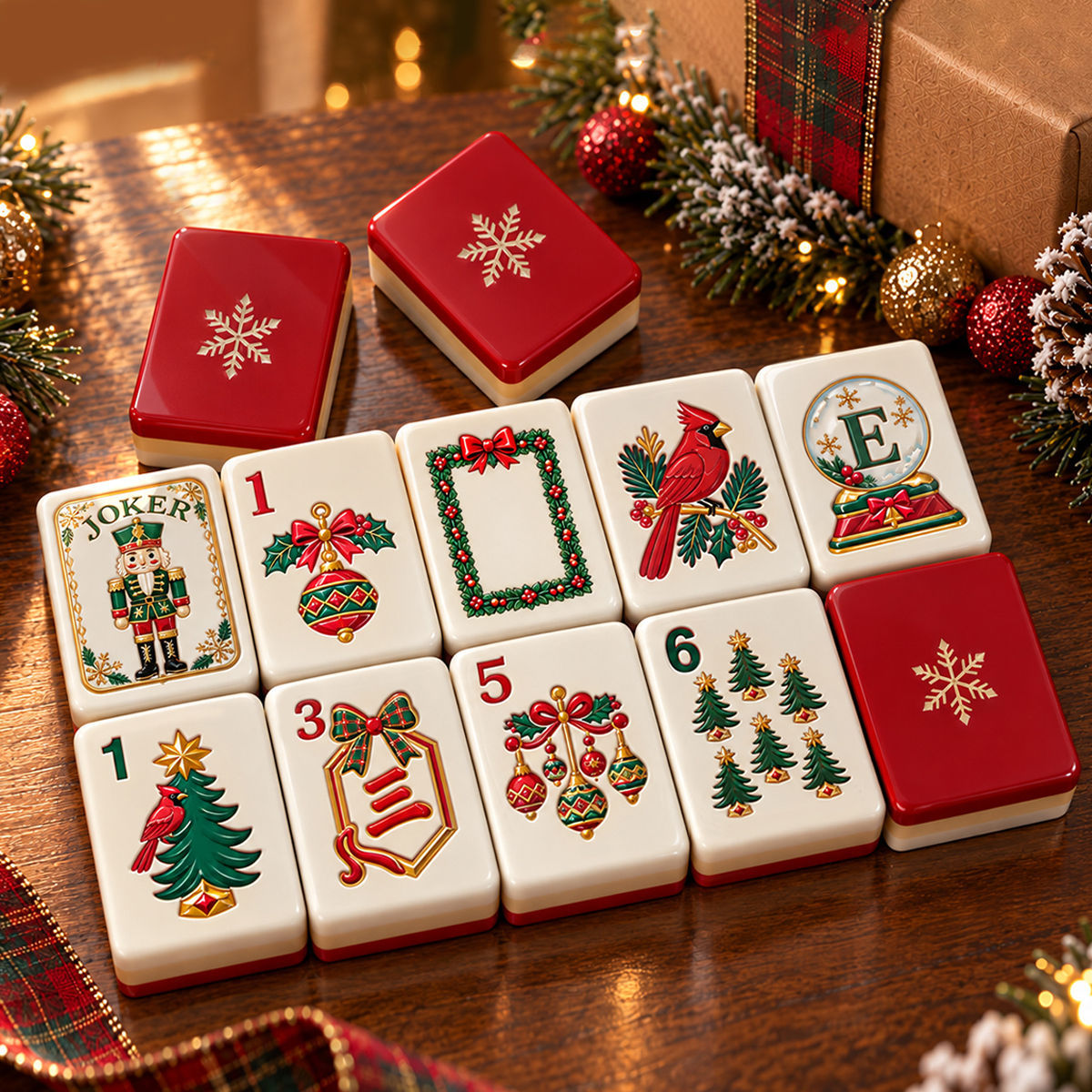
Chinese mahjong scoring uses a fan-based system where each completed hand earns fan points (typically 1–8 or more) depending on the patterns it contains—pairs, sequences (chows), pungs, kongs, and special conditions like all one suit or all terminals. A winning hand must include at least one pair plus melds (chows, pungs, or kongs) totaling 14 tiles. Once fan is calculated, a base point value is multiplied by the fan count and table settlement rules; the loser(s) pay the winner according to their seating position (dealer or non-dealer). Unlike American mahjong, which requires hands from an annual card, Chinese mahjong allows any hand meeting fan criteria. Scoring rounds vary by region—some play only when the dealer wins, others after each hand. Learning the regional variant your group uses (Cantonese, Shanghai, Taiwanese, Riichi) is critical, because fan thresholds and payment formulas differ sharply.
How is a winning hand actually formed in Chinese mahjong?
A winning hand in Chinese mahjong has exactly 14 tiles: one pair (two identical tiles) plus four melds. Each meld is either a chow (three consecutive numbers in one suit: 1-2-3, 5-6-7, etc.) or a pung (three identical tiles) or a kong (four identical tiles). You win by drawing or claiming a discard that completes one of these patterns. The hand must be "closed" (all tiles hidden until you win, unless you expose melds strategically) or "open" (with exposed melds, which reduces your fan count). No hand is valid without that final completing tile; partial hands score zero.

What exactly does "fan" mean and how do you count it?
Fan (番) are multiplier units—think of them like levels—that increase your hand's value based on specific patterns and conditions. A simple pung scores 1 fan; a hand with all simples (2–8 in each suit, no 1s or 9s) scores extra fan; a hand with all honors (dragons and winds) scores high. Each region and style has its own fan table: Cantonese typically allows hands worth 1–13 fan; Shanghai recognizes 1–8; Riichi uses a different system (mangan, haneman, baiman). You add up all applicable fan from your patterns, and that total determines how many times you multiply the base point value to find what opponents owe you. A hand with no qualifying patterns scores zero fan and is invalid—you cannot win.
What's the difference between dealer and non-dealer settlement?
In most Chinese variants, the player seated East (dealer) collects or pays different amounts than non-dealers. If the dealer wins, all three non-dealers pay the full winning amount. If a non-dealer wins, the dealer usually pays double (or more), and the two other non-dealers pay the standard amount. This asymmetry encourages aggressive play in the dealer's seat and reflects the dealer's positional advantage over three hands. The dealer also draws first and discards first, gaining slight information edge. Some groups settle each round independently; others rotate only after the dealer wins twice—check your local rules before sitting down.
How do base points convert to actual money or score?
Base points (usually 20, 25, or 30 per standard house rule) are multiplied by your fan count. A 2-fan hand at 25 base points = 50 points per non-dealer (or double from dealer). A 3-fan hand = 75 points per opponent. At the end of a session, all players total their winnings and losses, then settle in cash or chips. Some online platforms and formal tournaments use fixed point values; home games often use a conversion rate (e.g., 1 point = 1 cent) set before play begins. The key is agreeing on base points and dealer/non-dealer ratios before the first hand; disputes after the fact erode trust.
How does Chinese mahjong scoring differ from American or Riichi versions?
American mahjong has no fan or base points—it uses a hand chart (the annual card), and every winning hand on the card is worth the same point value, divided among losers by position and exposure. Riichi mahjong uses mangan, haneman, and baiman tiers instead of granular fan; hands are often worth preset totals rather than calculated fresh. Cantonese Chinese mahjong awards fan for dozens of named patterns (pung of dragons, terminal pungs, etc.) and requires players to memorize or reference a detailed scoring guide. Taiwanese and Shanghai variants simplify this but still differ in which patterns score and how much. If your group switches between variants, clarify the scoring system before the Charleston (or tile exchange) begins—or stick to one ruleset consistently.
Scoring Quick Reference Table
Variant | Scoring Unit | Hand Requirement | Dealer Payment | Setup Time |
Cantonese | 1–13 fan (+ bonus) | 14 tiles, ≥1 fan | 2× non-dealers | ~5 min ruleset review |
Shanghai | 1–8 fan | 14 tiles, ≥1 fan | 2× non-dealers | ~3 min (simpler) |
Taiwanese | 1–8 fan (local variants) | 14 tiles, regional rules | Varies | ~10 min (many local tweaks) |
Riichi | Mangan/haneman/baiman | 14 tiles, closed hand preference | Dealer advantage | ~10 min (complex multipliers) |
American | Card-based (fixed) | 14 tiles from current year card | 2× non-dealers | ~2 min (standardized) |

Common scoring mistakes to watch for
Miscounting fan: Players sometimes forget to add all applicable patterns. Always verify: is there a pair? Four melds? Any bonus conditions (all one suit, all simples, double pung, etc.)? Write down each fan source before collecting payment.
Confusing dealer settlement: New players often pay the dealer the same amount as other losers. No—dealer pays double (or your group's variant ratio). Post the settlement rules on your mat or note card.
Accepting invalid hands: A hand with no fan, or fewer than 14 tiles, or missing a pair is not a win. Reject it politely and return to play.
Not agreeing on base points beforehand: If your group hasn't set a base point value before the first tile is drawn, stop and agree now. Handshake deals lead to confusion when someone wins big.
Mixing regional rules: Playing Cantonese fan tables with Shanghai settlement is a recipe for argument. Pick one variant and stay with it for the session—or rotate between sessions clearly.
What to check before you buy or join a game
Regional variant: Ask your host or group which version they play. Download a fan chart if you're new; many exist online for Cantonese, Shanghai, and Taiwanese.
Base point value and dealer multiplier: Confirm these before sitting down. Write them on a notepad visible to all players.
Settlement timing: Does scoring happen after each hand, or only when the dealer wins, or at session end?
Tile set clarity: If playing Chinese mahjong for the first time, ensure your set has clear, large suit markings (Bams, Craks, Dots, Honors, Flowers) so you can spot patterns quickly.
House rules on kongs and exposure: Some groups allow only concealed kongs; others permit exposed kongs with fan penalty. Clarify upfront.
When you host a weekly game, our best-selling mahjong sets come with crisp engraving and sturdy acrylic tiles that make it easy to read every pung and kong even under lamp light—critical when your group is calculating fan on the fly.
🀄 Shop best-selling mahjong sets →
Why Chinese scoring systems vary so much by region
Chinese mahjong evolved separately in cities like Cantonese (Canton), Shanghai, Chengdu, and beyond. Each region developed its own fan list to reflect local taste—Cantonese includes far more named patterns (jade dragon pung, wind pung, etc.), while Shanghai streamlines to core patterns. Taiwanese players often blend rules or add local bonuses. This fragmentation is neither a bug nor a mistake; it's how the game adapted to community preferences over decades. If you travel to a new city or join an online group, always ask "Which rules?" before your first hand. Many regional guides exist online; some groups distribute PDFs or laminated cards. Mahstead sets work equally well for any Chinese variant—you're just applying different fan tables to the same 152 tiles.
🎁 See our most-loved mahjong sets & accessories →
Building confidence with your first scored hand
Start by learning the three most common fan sources in your variant (typically pung of honors, chow + pung, all one suit). Watch one or two hands before you play; ask the table to narrate their fan calculation. On your first win, ask the group to confirm your count before collecting. Keep a printed fan chart beside you for the first few sessions. As patterns stick in your memory, you'll calculate fan as fast as players meld tiles. Many players say confidence kicks in after 10–15 hands. Join a regular group if possible; rotating opponents and rule questions is normal.
If you're hosting players new to Chinese variants, our engraved mahjong sets let you customize tiles or use high-contrast designs that make suits and numbers unmistakable—reducing confusion when players are learning to spot fan patterns. Pair your set with a durable mahjong mat to give everyone a clear workspace and built-in hand racks.
✨ Find your Mahstead set — free US shipping →

FAQ
Can a hand in Chinese mahjong have more or fewer than 14 tiles?
No. A valid winning hand is always exactly 14 tiles: one pair plus four melds. If you claim a tile that gives you more or fewer, the hand is invalid and play resumes.
Do I have to announce my fan before I win, or only after I collect a winning tile?
You announce only after winning. Some groups allow the table to verify your count; others trust the winner's claim. Disputes should halt payment until the fan chart confirms the count. Always keep a reference nearby.
If the dealer wins two hands in a row, do they stay dealer for the third hand?
It depends on your group's rule. Many groups let the dealer stay until they lose; others rotate after each hand regardless. Agree on this before play starts. Some online platforms use a fixed dealer rotation.
What happens if two players could claim the same discard for their winning tile?
In most variants, the player closest to the discarder (going counterclockwise) has priority. However, some regional rules give the dealer priority, or award the win to whoever is nearest in turn order. Clarify this house rule upfront.
Can I expose melds in Chinese mahjong like I do in American mahjong?
Yes, but usually with a fan penalty. In many Cantonese groups, exposing melds lowers your total fan (e.g., an exposed pung is worth less than a concealed one). Some variants penalize or prohibit exposure entirely. Check your group's rules before revealing tiles.
Is there a maximum fan score, or can a hand be worth unlimited fan?
Most regional variants cap fan at 8, 13, or a regional maximum (e.g., "limit hand"). Hands reaching the cap are paid at that maximum, regardless of their mathematical fan count. Riichi and some online systems use different tiers (mangan, haneman, baiman). Learn your variant's cap before sitting down.


View More
View More
View More
