
Charity Mahjong Tablescape: Host Elegant Games That Raise Funds
Last updated: Nov 23, 2026
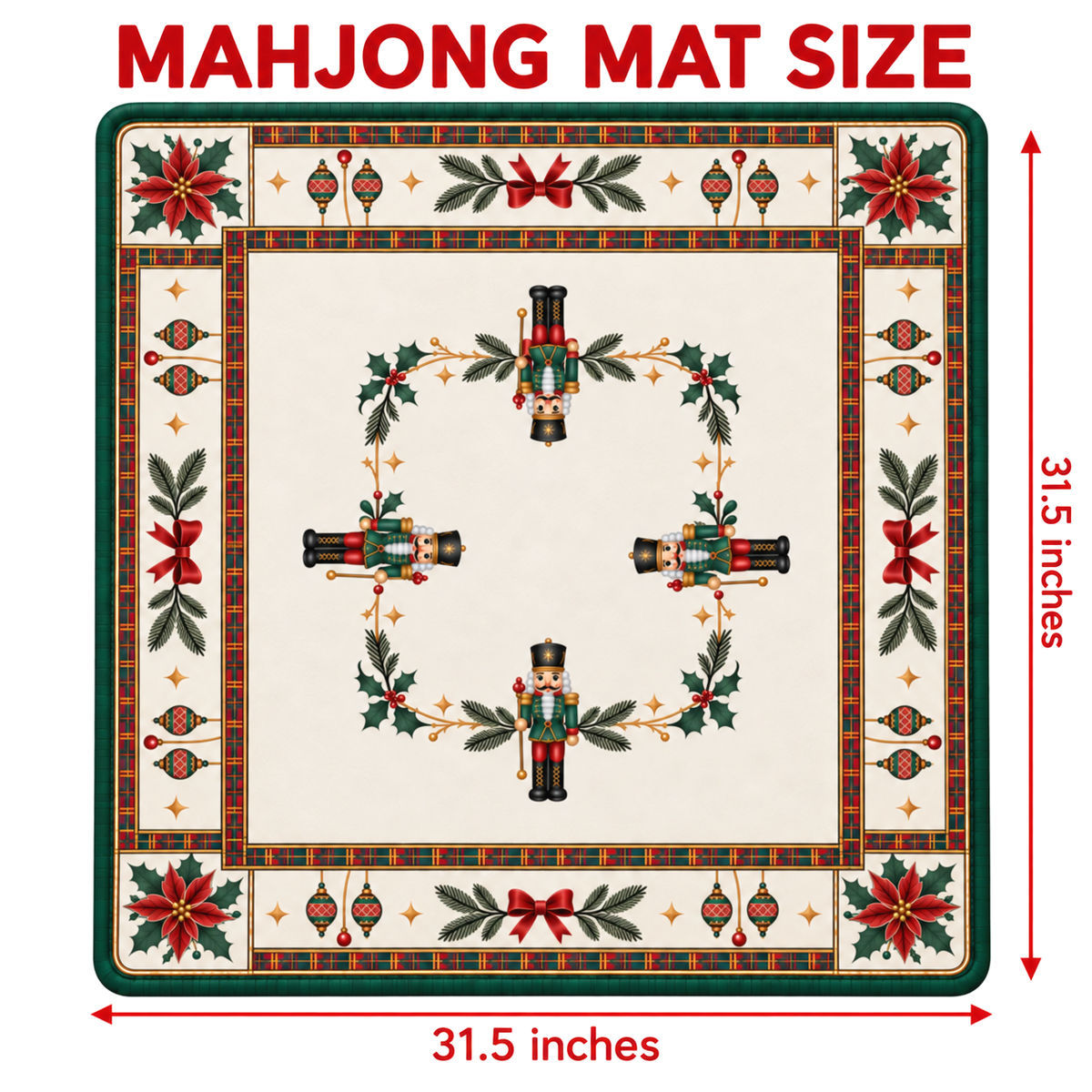
A charity mahjong tablescape is a thoughtfully designed game table that combines functional equipment and décor to create an inviting, professional hosting environment for fundraising events. It centers on a quality mat (typically 36–40 inches square), a 160-tile set with clear visibility, racks with pushers to keep tiles organized, and lighting that lets players read tiles easily. Charity events often feature engraved sets that honor donors or the cause, custom signage about fundraising goals, and refreshment stations nearby. Timeline: plan 2–3 weeks ahead to source tiles and coordinate décor. Cost varies by set quality and mat choice. Common mistakes include crowding too many players around one table (maximum 4), using mats too small for comfortable tile play, or choosing dark colors that hide tile faces under poor lighting. The best charity setups balance beauty with function—players must see tiles clearly and reach them without leaning.
🀄 Shop best-selling mahjong sets →
Why Does Mat Color Matter for a Charity Event?
Mat color affects both game readability and photo appeal. Lighter colors (cream, pale green, soft gray) reflect light and make red and green dragon tiles, Craks, and Dots pop visually—critical when players have mixed eyesight. Dark mats photograph beautifully but create shadows and glare under standard overhead lighting, frustrating players and making them slower to play. For a charity event, we recommend testing your mat under the actual venue lighting a day or two before. Red or deep burgundy mats work well if you add a table lamp or uplighting beside each table; neutral mats forgive imperfect lighting. A quality mahjong mat is a one-time investment that will serve dozens of events.
How Should You Arrange Players and Equipment Around the Table?
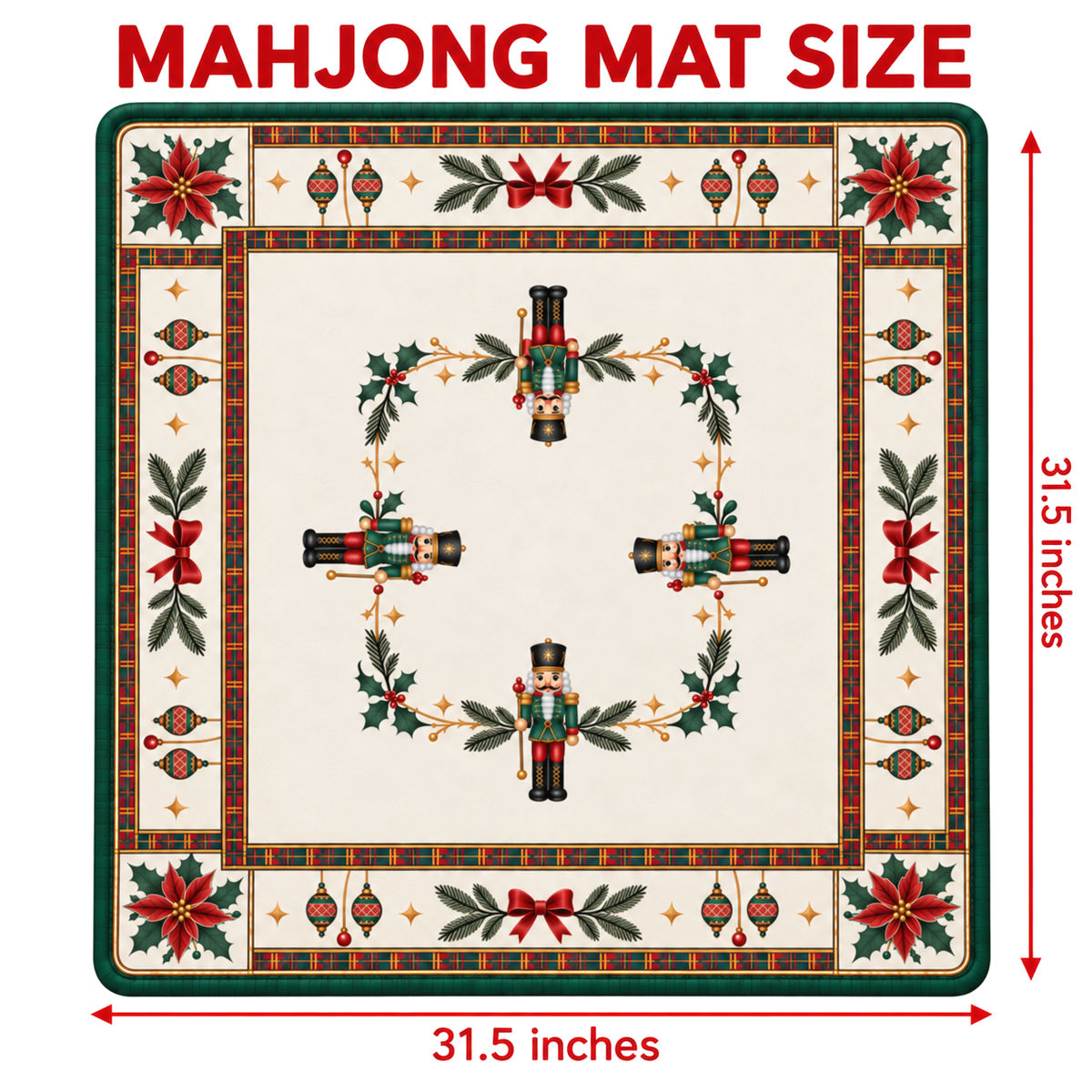
Four players sit one per side (North, East, South, West). Each player needs 18–20 inches of table edge to comfortably draw and push tiles. Position racks with pushers parallel to the edge, so tiles face inward toward the center; never place them perpendicular, which blocks sight lines. The dealer (usually chosen by rolling dice, or by rotation in charity rounds) sits in the center's visual focus. Place the current year's National Mah Jongg League card on a small easel or card holder at the table center, visible to all. Keep the spare joker set and the dice on a side table within arm's reach, not on the playing mat. Scoring pads belong at one corner, away from active tile play. If hosting multiple tables, space them at least 3 feet apart so conversation and cheerful noise don't distract neighboring games.
What's the Checklist for a Professional Charity Setup?
[ ] Mat (36–40 inches, in good condition, color tested under venue lighting)
[ ] Complete 160-tile set with legible face markings
[ ] Four racks with pushers (one per player)
[ ] Current-year National Mah Jongg League card in a display stand
[ ] Two dice (standard six-sided, easy to read)
[ ] Scoring pad and pens (one per table)
[ ] Spare joker set (in case a joker is damaged mid-event)
[ ] Table lamp or localized lighting if venue is dim
[ ] Printed player instructions or a volunteer dealer to explain briefly
[ ] Charity mission statement visible on a sign near the table
[ ] Water glasses and napkins (no drinks directly on the mat)
[ ] Phone or camera for event documentation
What Equipment Should Reflect Your Charity's Identity?
Engraved American mahjong sets are a powerful way to honor donors, memorial causes, or your organization's mission. Custom engravings on the tile rack, set box, or mat can display a charity name, event year, or donor recognition. Many fundraising events gift a small engraved set or tile charm to major donors as a keepsake. For a one-off event, standard best-selling mahjong sets are cost-effective; for recurring galas or tournaments, investing in a branded set builds recognition and becomes event tradition. Pair your set choice with matching décor colors: if your set has gold accents, use gold napkins or table runners. If your cause is associated with a specific ribbon color (pink for breast cancer awareness, teal for ovarian health, etc.), choose a mat and accent pieces in that palette. Consistency signals professionalism and deepens donor connection to your mission.
Setup Choice | Best For | Player Experience | Charity Impact |
Standard set + neutral mat | Budget-conscious first event | Reliable, readable, no distractions | Message stays focused on cause, not equipment |
Engraved set + branded mat | Repeat galas, multi-year campaigns | Memorable, mission-aligned, collectible feeling | Donors feel truly recognized; repeat attendance rises |
Deluxe set + premium mat + themed décor | High-profile launch, major donors | Luxurious, Instagram-worthy, creates buzz | Justifies higher ticket price; attracts press coverage |
Mixed: one premium table + standard tables | Tiered event (VIP + general admission) | Creates incentive for premium bid | Generates perceived scarcity; increases sponsorship bids |
How Do You Balance Gameplay Speed with Event Pacing?
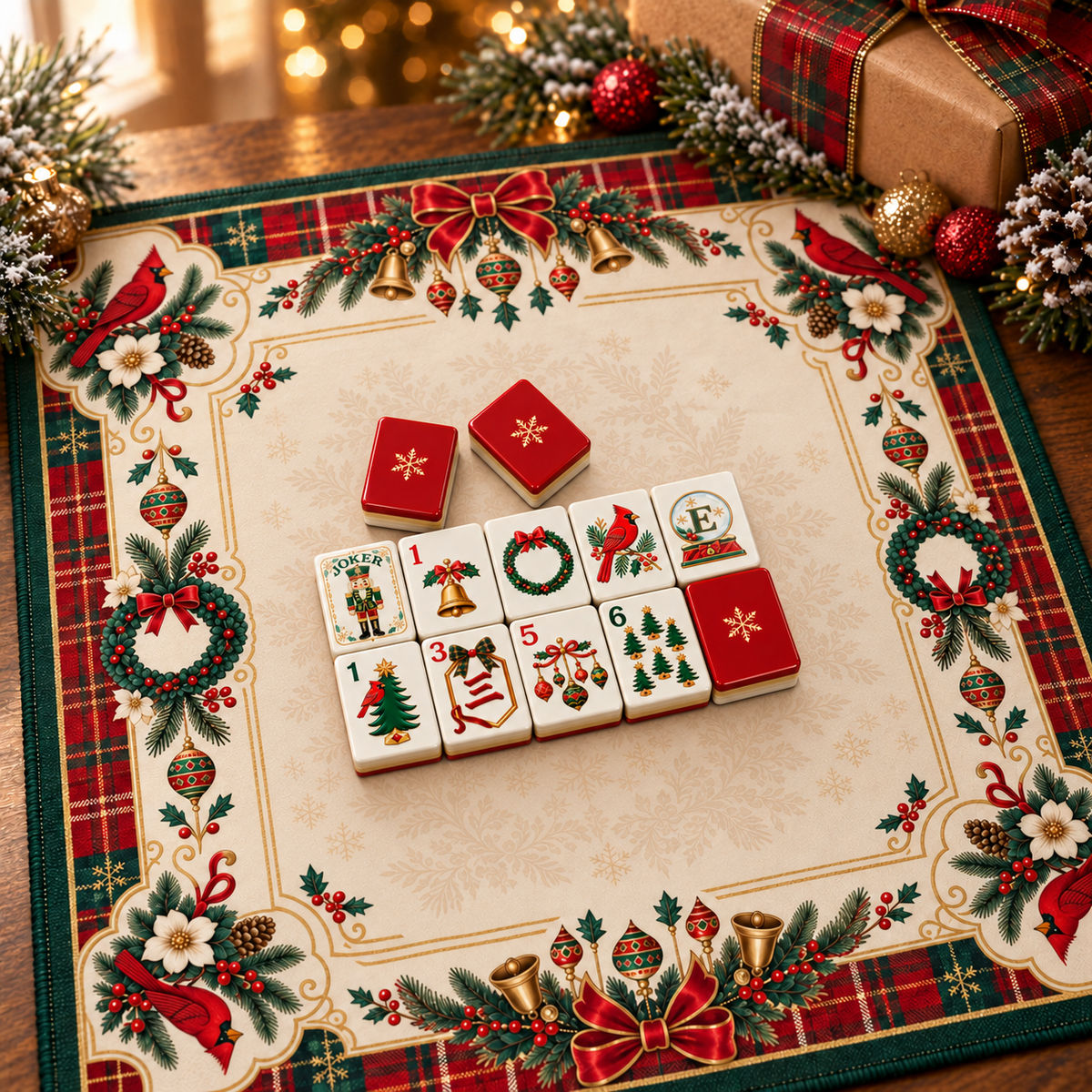
Charity mahjong events often have 3–4 rounds (about 30–45 minutes each) with breaks between. New players slow rounds down; experienced players finish in 20 minutes. For a mixed group, pre-event messaging helps: "We play for fun and fundraising—no pressure to win fast." Assign an experienced player to each table as dealer or guide (unpaid or as a volunteer role). Racks with pushers speed play by keeping tiles aligned and visible, reducing fumbling and dropped tiles. Pre-game, explain that everyone draws from the wall simultaneously (no waiting), and that a hand concludes when someone calls mahjong or the wall empties. Set a visible timer for each round so players know when to wrap up. This rhythm—clear rules, confident pacing, a helpful player at each table—keeps the energy high without rushing the game itself. Refreshment breaks between rounds let players mingle, buy raffle tickets, or bid on silent auction items.
🎁 See our most-loved mahjong sets & accessories →
What Lighting and Décor Choices Prevent Common Problems?
Poor lighting is the top complaint at charity mahjong events. Players can't read tile faces, hands take twice as long, and frustration kills the festive mood. Use overhead fixtures plus one focused lamp per table (clip-on or tripod models work well). Avoid candles on the playing mat—they're fire hazards and cast flickering shadows. Décor should frame, not clutter, the table: a small centerpiece off to one side, a branded banner behind (not above), and maybe a small donation box or QR code for on-the-spot giving. Tie-on fabric ribbon in your cause colors around the table legs or under the mat edge; it photographs well without interfering with play. If your venue is outdoors or semi-outdoor (garden, patio), consider a small tent or umbrella to shield the table from glare and weather. Test everything an hour before guests arrive—move the lamp to fine-tune the angle, adjust the centerpiece if it blocks anyone's view, and check that all tiles face are visible from all four seats.
How Do You Handle Tile Storage and Travel Between Events?
After the event, tiles need a dedicated bag or case to stay organized and protected. We recommend a sturdy carrier with compartments for the tile set, racks, mat (rolled), and dice. Over time, mats can crack if folded too tightly; roll yours and store upright or flat. Tiles can chip if stored loose; a padded case keeps them safe for years of reuse. If you host multiple charity events per year, label your bags by cause and event date so you can quickly grab the right set. A well-maintained 160-tile set and mat will outlast dozens of events, making the per-event cost negligible and your investment in equipment genuine.
✨ Find your Mahstead set — free US shipping →
What to Check Before You Buy
Tile clarity: Hold a sample tile at 6 feet away. Can you see the number and suit symbol clearly? Thick ink and large numbers beat thin printing.
Mat size: Measure your table. A 36–40 inch mat works for most folding or dining tables. Too small, and racks hang off the edge.
Rack comfort: Racks should hold tiles upright and stable without wobbling. Test that pushers slide smoothly.
Lighting plan: Don't rely on venue lights alone. Bring a portable lamp if unsure.
First-time dealer: If no one at your event knows mahjong, pre-arrange for a volunteer dealer from your mahjong community or invite an experienced player to donate their time.
Spare tiles: Keep the spare jokers in your case. A damaged joker mid-event is fixable if you have backups.

FAQ
Can I use a 144-tile set for a charity event instead of 160?
American mahjong requires exactly 152 playing tiles plus 8 jokers per game—never fewer. A 144-tile set is incomplete and unplayable under standard American rules. Always use a full 160-tile set.
Should the mat match the venue's color scheme, or the tiles?
Match the mat to your charity brand or event theme first. Tiles are vibrant enough to work with any reasonable mat color. A neutral or light mat ensures tiles stay readable under all lighting conditions.
How many tables do I need for 20 guests?
Five tables (four players per table, maximum). Never crowd more than four around one mat—racks won't fit, players can't reach tiles, and the game slows dramatically. Consider overflow timing or staggered rounds.
Can I use an old mahjong set I inherited, or should I buy new?
If tiles are intact, faces are clear, and the mat is in good condition, an inherited set works beautifully—and often adds sentimental charm to your event. Test it under your venue lighting first. If tiles are chipped, faded, or missing, replace them with a new set so players enjoy the experience.
What's the best way to explain mahjong to charity donors who've never played?
Assign each table a familiar, calm dealer or volunteer who briefly explains: "You draw and discard tiles to form patterns. First to complete a hand wins the round. Think of it like Rummikub with a dealer bonus." Give guests a card showing the hand patterns (the National Mah Jongg League card). Most donors just want to socialize and support the cause—clear, low-pressure rules keep it fun.
How early should I set up the tablescape before guests arrive?
Aim for 45–60 minutes before the event starts. Set mats, arrange racks, test lighting, place cards and spare tiles, and do a final tile count. This gives you time to fix any issues and greet early arrivals calmly.


View More
View More
View More
