
Changsha Mahjong Special Hands: Rules & Scoring Guide
Last updated: Nov 23, 2026
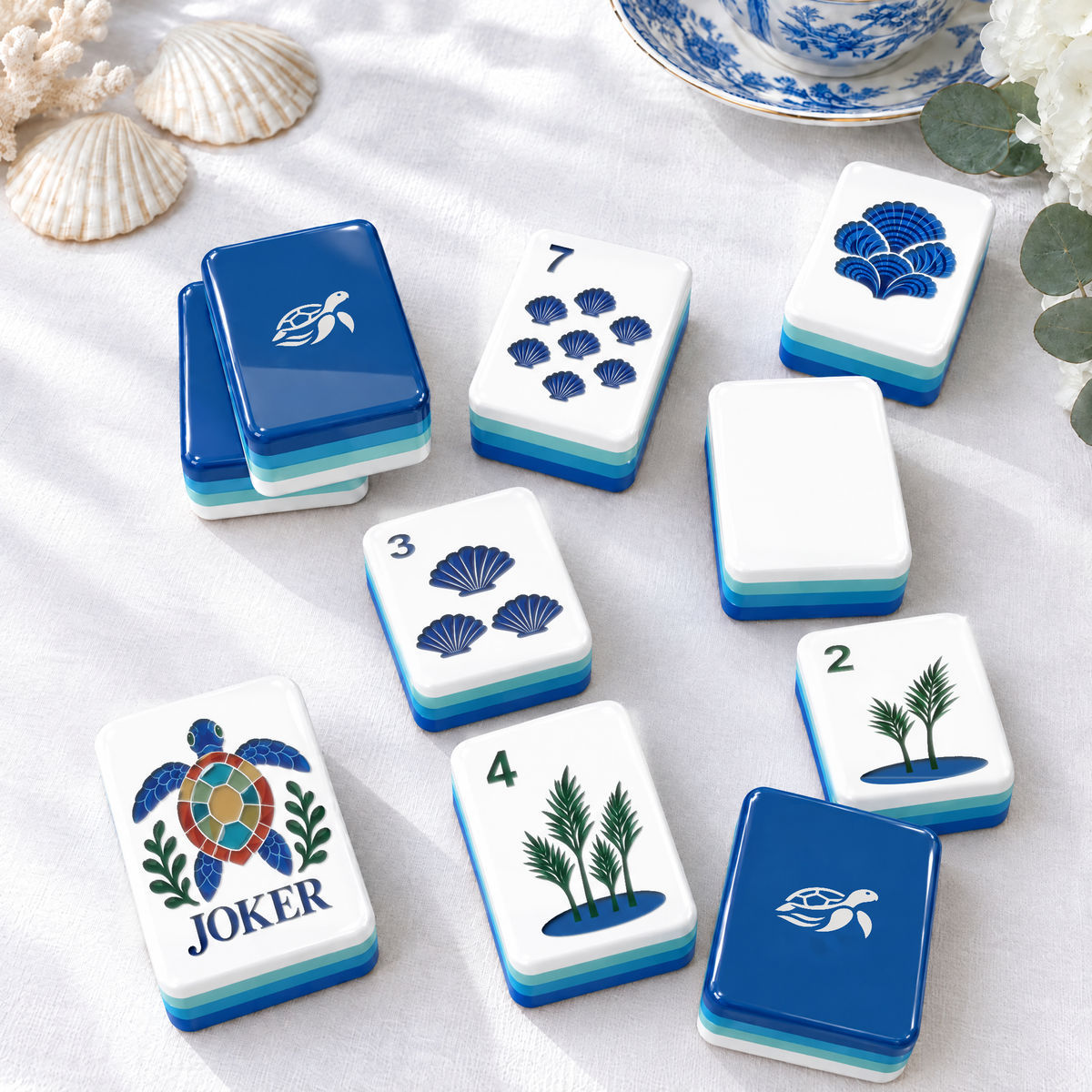
Changsha mahjong is a regional Chinese game from Hunan Province that uses simplified hand-building rules and distinct scoring multipliers. Unlike American mahjong, which draws hands only from an annual card, Changsha players memorize traditional patterns such as "all honors" (winds and dragons only), "all simples" (numbers 1–8 only), "all terminals" (1s and 9s only), and mixed combinations with specific tile repetitions. The game uses a standard 144-tile Chinese set (three suits × 1–9 × four copies each, plus honors and flowers). Scoring is based on multipliers applied to a base point value; a hand worth "8 faan" (fan, or double) multiplies base score significantly. Each region's ruleset varies—Changsha emphasizes speed and memory over the rigid NMJL structure.
What are the core hand patterns in Changsha mahjong?
Changsha mahjong groups hands into families: pungs only (three identical tiles), sequences plus pungs, and honor-heavy patterns. "All pungs" means your hand contains only triplets and a pair—no sequences allowed. "All honors" requires winds and dragons only; you cannot use numbered suits. "All simples" uses only 2–8 of each suit, avoiding 1s and 9s. "Mixed terminals and honors" blends 1s, 9s, and honors. "Seven pairs" is exactly what it sounds: seven different pairs. Each pattern has a base fan value; multipliers stack when your hand meets multiple conditions (e.g., "all simples" + "all concealed" = higher fan).

How does fan scoring differ from American point tallies?
American mahjong assigns fixed points per hand from the NMJL card, with a winner receiving payment from all three opponents at fixed rates. Changsha uses "faan" (fan), a multiplier system where each completed hand earns a base score multiplied by its fan count. A hand worth 1 faan scores differently than one worth 3 or 8 faan. Base score often depends on who won (dealer or non-dealer); dealer wins typically double the base. Players calculate final payment per opponent after determining total faan. This method allows infinite hand variety—you need not match a printed card each round—and rewards pattern complexity over rote memorization, though learning fan values requires study and local table consensus.
What tiles form an "all honors" hand in Changsha?
An "all honors" hand uses only winds (North, East, South, West) and dragons (Red, Green, White). Your melds cannot contain any numbered suits—no Bams, Craks, or Dots. A valid "all honors" winning hand might be: three East winds + three Red dragons + three White dragons + pair of Green dragons. Since the ruleset allows sequences only among numbered suits, honor-heavy hands consist entirely of pungs (triplets of identical honors) plus one pair. Scoring for "all honors" typically awards 3–5 faan base, reflecting the difficulty of collecting four copies of eight different honor tiles while building a winning combination. This pattern is prized in Changsha tables because it requires hoarding and blocking, making it memorable and strategically satisfying.
How do concealment and exposure rules affect hand value?
In Changsha, a fully "concealed" hand (all tiles drawn from the wall, no melds claimed during active play) earns bonus faan, often doubling the hand's base score. An "exposed" hand includes at least one meld claimed by calling when another player discards it—a pung, kong, or sequence. When you expose a meld, your final hand loses its concealment bonus. Some rulesets allow partial exposure: if you expose one pung and conceal the rest, you lose bonus points but still win. A few tables permit a "self-drawn" win (winning on your own draw rather than an opponent's discard) to earn a small concealment bonus even if other melds were exposed—rules vary by location. The strategic trade-off: claiming early melds helps you progress toward a winning hand but sacrifices point multipliers, whereas staying fully concealed keeps bonus value high but risks bricking if tiles run dry.
What's the difference between Changsha, Hong Kong, and American mahjong hand logic?
Aspect | Changsha | Hong Kong | American |
Hand source | Player memory + regional rules | Written or agreed ruleset | NMJL card (annual) |
Tile set | 144 tiles (Chinese standard) | 144 tiles | 152 tiles + 8 jokers |
Sequences allowed | Yes, in numbered suits | Yes, in numbered suits | No—pungs, kongs, quints, sextets only |
Jokers | Typically no | Sometimes yes (variant) | Always 8 jokers in play |
Scoring method | Fan multipliers + base points | Fan or points (varies by region) | Fixed points per hand from card |
Hand variety | Unlimited patterns (memorized) | 80–100+ patterns (ruleset-dependent) | ~40 hands per NMJL season |
Pair rules | One pair required | One pair required | One pair required |
Win declaration | Self-drawn or opponent discard | Self-drawn or opponent discard | Opponent discard only |
🀄 Shop best-selling mahjong sets →

How do you practice Changsha hands without a rulebook?
The fastest way is to join a Changsha mahjong group in person—many play at community centers, cultural centers, or informal home tables in areas with Hunan or broader Chinese diaspora communities. Watch experienced players call hands; ask them to explain the pattern and fan count after each win. Start by memorizing the five "basic" patterns: all pungs, all simples, all honors, all terminals, and seven pairs. Once you recognize these, branch into mixed patterns. Write down the hands you see and their fan values on a note app or notebook. Many regions have simplified rulesheets available in Chinese or English online; search for "Changsha mahjong rules" in forums or regional mahjong communities. Playing multiple games per week accelerates memory—after 20 sessions, most basic patterns stick. If you play American mahjong already, the biggest mental shift is accepting that sequences are valid and learning to value multipliers over fixed card lookups.
What mistakes do American players make when switching to Changsha rules?
American players often forget that Changsha allows called sequences (chows) in numbered suits. If you call a 4-5-6 Dots sequence on another player's discard, that counts toward your hand—something impossible in American play. You might also miscalculate fan stacking; if your hand meets three bonus conditions, the faan multiply, not add. For example, "all simples" (2 faan) + "all concealed" (2 faan) does not equal 4 faan base; rules specify that certain multipliers apply to the base, others stack differently—always check your table's rules first. Another trap: assuming payment is fixed. In Changsha, a dealer win or a high-faan hand can owed three times the settlement of a low-faan non-dealer win, unlike the fixed American payout structure. Finally, American players sometimes try to memorize fewer patterns than needed; Changsha tables expect you to know 15–30 regional variants by season, whereas the NMJL card rotates only 40. If you're visiting a new region, ask the table for a rules summary before sitting down.
🎁 See our most-loved mahjong sets & accessories →
Is a Chinese 144-tile set compatible with American play?
No. An American set is 152 tiles including 8 jokers; a Chinese 144-tile set has no jokers. American mahjong relies on jokers as wild tiles—they substitute for any tile in exposable melds and pair placeholders. Without jokers, American hands become much harder to form and the scoring math breaks down. A Chinese set also lacks some tile designs (such as American-style flower racks and pushers) that support NMJL play. If you host weekly American games, stick to a 160-tile set from our best-selling American mahjong sets—it contains the full 152 playing tiles plus spares, ensuring consistent play and easy replacement of worn pieces. If you're curious about Changsha or want to learn multiple variants, consider owning both a Chinese 144-tile set for regional play and an American 160-tile set for NMJL games; the two are not interchangeable.
✨ Find your Mahstead set — free US shipping →
What to check before you buy a mahjong set for variant play
If you plan to play Changsha or other Chinese variants regularly, verify your set contains all 144 tiles (27 tiles per suit at 1–9 × four copies, plus 28 honor tiles, plus flowers and blanks). Check that the tile size and weight feel comfortable for long sessions—Chinese tiles often run slightly smaller and heavier than American tiles. Make sure the set includes a rack or storage bag so you can transport it safely; tiles are fragile and prone to chipping. If you host weekly games with a mix of American and Changsha players, keep a dedicated American 160-tile set separate from your Chinese set to avoid confusion. Test the tiles' grip under your fingers; glazed ceramic tiles popular in Changsha play can be slippery for beginners. If you're in the US and want to explore variants, read how to choose a mahjong mat to ensure your playing surface accommodates both tile sizes and game speeds.

FAQ
Can I play Changsha mahjong with an American NMJL set?
No. An American set includes 8 jokers (which Changsha does not use) and is designed for NMJL hands only. Changsha requires a standard 144-tile Chinese set and expects you to recognize traditional patterns, not card lookups. The tile quantity and functional differences make conversion impossible.
How many faan (fan) does an "all honors" hand typically score in Changsha?
"All honors" usually scores 3–5 faan base, depending on regional rules and whether it is concealed or exposed. Higher faan multipliers apply if the hand also meets other conditions (e.g., self-drawn = additional faan). Always confirm your table's specific valuation before betting.
What does "faan" mean compared to American mahjong points?
Faan is a multiplier applied to a base point value in Chinese variants. One faan doubles the base score; two faan quadruples it, and so on. American mahjong uses fixed point totals from the NMJL card with no multiplier system, making settlement calculation simpler but less rewarding for complex hands.
If I win with a hand that matches three pattern conditions, do the faan add or multiply?
It depends on your table's ruleset. Some regions allow certain multipliers to stack (add); others require you to use the highest applicable faan value. Before playing, ask the table how they handle overlapping bonuses—this is a common source of dispute.
Are there online resources or apps to learn Changsha mahjong rules?
Yes, several mahjong forums and regional community sites host Changsha rulesheets in English and Chinese. Many YouTube channels feature Changsha gameplay with commentary. The best way to learn quickly is to watch experienced players live and ask questions after each hand.
How do I know if my local mahjong club plays Changsha or another Chinese variant?
Ask directly—call the community center, cultural center, or club organizer and ask which region's mahjong rules they use. Many groups display their house rules on a poster or hand out a rules summary. If you're new, arriving 15 minutes early and observing a hand or two is often welcome.


View More
View More
View More
