
Cantonese Mahjong Practice Exercises: Drills & Tile Patterns
Last updated: Nov 23, 2026
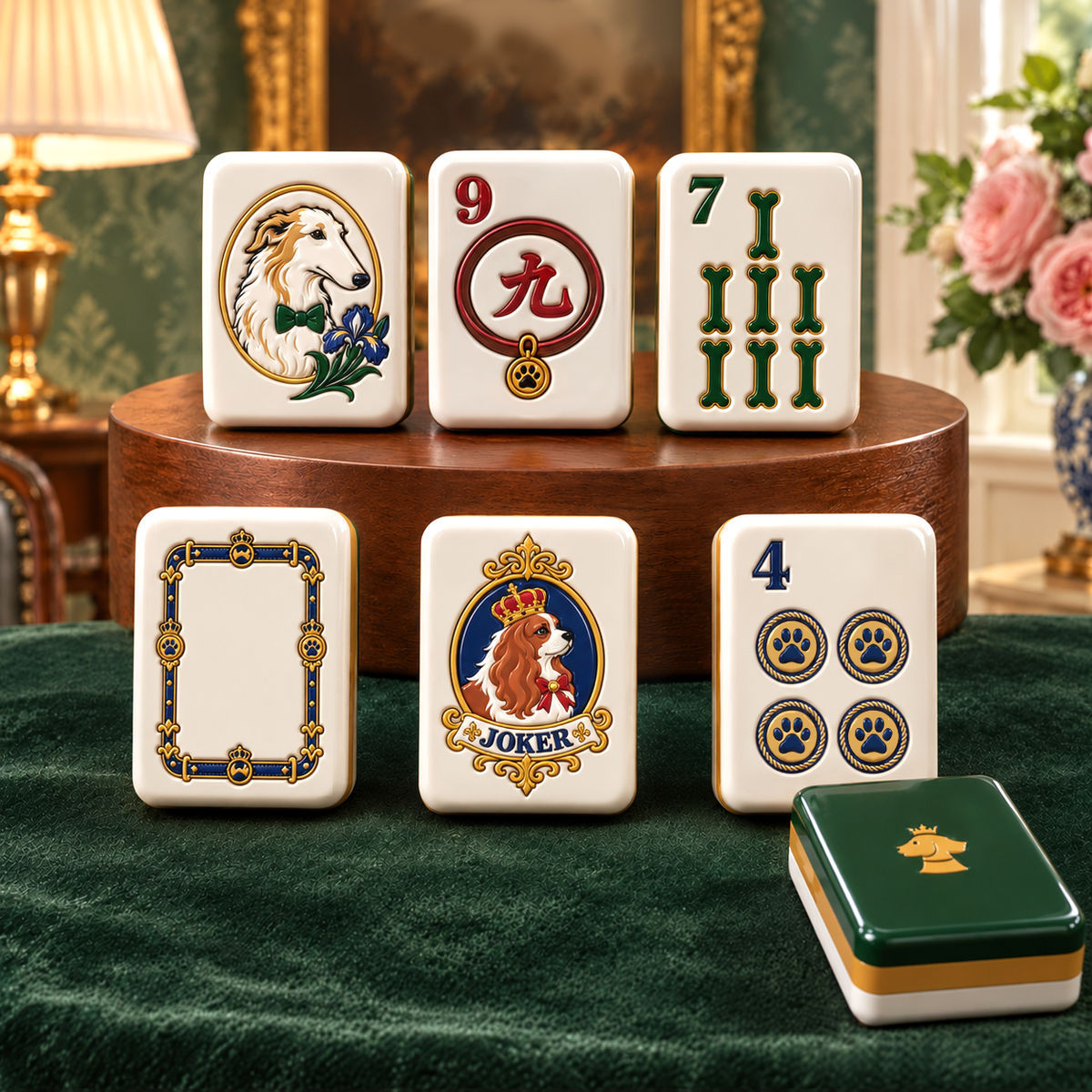
Cantonese mahjong practice focuses on five core skills: recognizing sequences (chow: 1-2-3 of one suit), pungs (three identical tiles), discarding safely, reading opponent tiles, and speed. Unlike American mahjong, Cantonese uses 136 tiles (four suits: Bams, Craks, Dots, honors) with no jokers; winning hands follow classical 14-tile patterns (pung-pung-pung-pung-pair or mixed melds). Practice drills take 15–30 minutes daily and build pattern fluency, hand probability, and live-game decision-making. Many players move between American and Cantonese variants; setting up a best-selling set with clear acrylic tiles sharpens recognition under any ruleset.
Cantonese mahjong practice differs fundamentally from American play because the tile mechanics, hand structures, and speed demands require distinct drills. American mahjong builds hands from an annual card; Cantonese relies on memorizing 13 classical patterns and rapid tile evaluation. We host players who switch between both variants weekly, and the single biggest mistake is assuming one practice routine fits both. Below are five exercise categories we've tested with players moving from beginner to intermediate speed.
How do you drill tile recognition in Cantonese mahjong?
Tile recognition speed separates casual players from confident ones. Lay out all 36 tiles of one suit (one Bam, two Bams... nine Bams × four copies each) on a mat, then shuffle and name them aloud in under 90 seconds per suit. Repeat daily for one week; most players reach fluency by day 5. Next, mix two suits (72 tiles) and perform the same drill. The goal is automatic identification without counting pips—your eyes should "read" a Crak tile shape before your brain processes the number. We recommend using clear acrylic tiles for this drill because the uniform font and transparency eliminate the visual noise of bamboo or bone; distraction slows learning. Set a timer. Do this three times weekly alongside live play.
🀄 Shop best-selling mahjong sets →

What patterns should beginners memorize first in Cantonese practice?
The 13 winning patterns in Classical Cantonese mahjong (also called Hong Kong mahjong) are non-negotiable memory work. The three most common for beginners are: All Pungs (four pungs + one pair, no sequences), Mixed Melds (three or four pungs, one or two chows, one pair), and All Chows (four sequences of different suits + one pair). Spend two weeks on All Pungs alone: write out 10 example hands on paper, then build them with tiles. Physically arranging tiles forces your brain to track suit, number, and meld type simultaneously. After All Pungs is fluent, add Mixed Melds. Spend 20 minutes, three times weekly, on hand construction drills. Do not move to strategy until pattern recognition is automatic; confusion here cascades into poor discards during live play.
How do you practice discarding safely under speed?
Discard safety is where Cantonese mahjong separates beginners from solid players. In this variant, every discard risks giving an opponent a winning tile; there is no "safe" play—only calculated risk. Set a timer for five minutes. Deal yourself 14 tiles (one winning hand). Your goal: discard eight tiles in sequence, keeping five, while calling out why each discard is your best choice ("Discard East wind because no player has called East yet, so I'm less likely to feed a winning hand"). The pressure of speed forces you to make decisions like a live game instead of overthinking. Rotate through three practice rounds daily. Write down which discards you regret; patterns in regret point to gaps in probability sense. Many players find this drill humbling because it exposes how much slower their live-game thinking is compared to their solo thinking.
What does a structured daily practice schedule look like?
We recommend a 30-minute daily practice routine split into four blocks, building from solo pattern work to simulated game pressure:
Time | Drill | Focus | Exit Skill |
0–8 min | Tile recognition (one suit) | Speed & visual fluency | Name all 36 tiles in under 90 sec |
8–15 min | Pattern building (three random hands) | Meld sequencing | Spot chow vs. pung in 3 sec |
15–23 min | Discard drill (timer-based) | Safety & speed | Make eight discards in 5 min |
23–30 min | Live simulation (play vs. two AI or imaginary opponents) | Game logic | Track three discards + two open melds |
Consistency beats intensity. One 30-minute session daily outperforms three cramped 2-hour sessions weekly because pattern recognition is a neurological habit. We've watched players plateau after two weeks of sporadic practice, then break through within days of switching to daily 30-minute routines.

Why does American mahjong experience not transfer directly to Cantonese practice?
American mahjong is a card-based game; hands change every spring. Cantonese is a pattern-based game with unchanging classical melds. An American player's strength—reading the current year's card quickly—is irrelevant in Cantonese. Conversely, Cantonese players new to American mahjong must unlearn "all chows wins" (it does not; American hands are far more diverse). The tile sets are also different: American uses 152 tiles + 8 jokers; Cantonese uses 136 tiles with no jokers. If you play both, practice each variant on separate days or block them mentally as distinct sports. Do not try to hybrid-study; it creates confusion. We've seen strong American players struggle in Cantonese for months because they kept reaching for jokers that do not exist. Keep a separate mahjong set dedicated to each variant if you host both games weekly.
🎁 See our most-loved mahjong sets & accessories →
How do you practice hand probability and tile counting in Cantonese mahjong?
Tile counting—tracking which tiles have been discarded or exposed—is the strategic layer above pattern recognition. After one week of daily drills, add counting practice. Play a simulated three-player game (you + two imaginary opponents). Each player draws and discards; you track the board. After four rounds, pause and answer: "How many Craks of 5 have been discarded? How many green dragons are still in the wall?" This forces you to count actively during play instead of passively. Begin with only counting one suit. Advance to two suits, then all suits. This drill builds the attentional endurance needed for four-hour tournament play. We recommend practicing with clear acrylic tiles on a quality mat so that discarded tiles remain visible and countable; bone or bamboo tiles can blur or shift, breaking your line of sight.
What to check before you buy practice tiles
Before investing in a dedicated practice set, verify: (1) Tile size matches your hand size and mat (if you own one); (2) Number font is legible at 2 feet away during simulated play; (3) Jokers are absent if you're practicing Cantonese only (American sets include eight; Cantonese use none); (4) Case or bag quality, because practice sets are handled more roughly than display sets. Transport damage is common; sets in soft cases survive more practice sessions than those in no case. If you're hosting weekly Cantonese games and also play occasional American mahjong with visitors, owning two separate sets eliminates tile-swapping confusion. Our best-selling collection includes sets in varying tile sizes and materials; compare the dimensions to your hands and mat before ordering.
What role does live play in reinforcing Cantonese practice?
Solo drills build foundations; live play teaches adaptation. After two weeks of daily 30-minute drills, join a weekly Cantonese game (check community centers, libraries, or mahjong clubs in your area for open tables). Live play exposes what drills cannot: opponent psychology, discard timing, reading speed under real pressure, and emotional regulation during losing streaks. Your first three live sessions will feel chaotic. That is normal. Track one metric per session—for example, "Did I count Craks discarded?" or "Did I spot three chows as a pattern before my opponent called it?" Gradual focus prevents overwhelm. After six weeks of combined drill + live play, most intermediate players report significant gains in hand spotting and discard safety.
✨ Find your Mahstead set — free US shipping →

FAQ
Is Cantonese mahjong harder than American mahjong?
Different, not harder. Cantonese demands faster pattern memory and tile counting; American requires mastery of an annual card. Cantonese players switching to American often find the card's complexity overwhelming at first; American players new to Cantonese struggle with speed and pattern rigidity. Both take three to six months to intermediate fluency with consistent practice.
How long until I can play a real Cantonese game after starting drills?
Two to three weeks of daily 30-minute practice makes you functional in a beginner table. You'll win hands occasionally and understand discards logically. Confidence and competitiveness build over three months as tile recognition becomes automatic and discard safety improves through live feedback.
Can I practice Cantonese mahjong alone, or do I need opponents?
Solo drills (tile recognition, pattern building, discard speed) take you to intermediate solo skill—about 60% of live play. Live play teaches the remaining 40%: psychology, reading opponents, adapting under pressure, and real-time decision-making. Combine both for fastest growth; solo practice alone stalls progress after six weeks.
Should I use a mahjong mat for Cantonese practice, or just a table?
A mat serves four functions: it marks tile zones (hand, discard area, wall), protects tiles from sliding, reduces noise, and trains you for tournament play where mats are standard. If you practice solo on a bare table, live games on a mat will feel disorienting. A mat is worth the investment if you intend to play weekly.
What's the most common mistake beginners make in Cantonese practice?
Memorizing patterns without drilling speed. Players can name all 13 patterns on paper but freeze during live play because their brains are too slow. Practice must include timers. Your hand should recognize patterns faster than your conscious mind can articulate them; that gap is where most players fail.
Are online simulators or apps useful for Cantonese mahjong drills?
Tile recognition and pattern drills benefit from apps or solo practice. Live simulation (reading discards, reading opponents, managing emotional pressure) does not transfer well from screens; online play lacks the social and psychological texture of a real table. Use apps to drill solo mechanics; use live play to develop game sense.


View More
View More
View More
