
Can You Play Mahjong Alone? Solo & Practice Strategies
Last updated: Nov 23, 2026
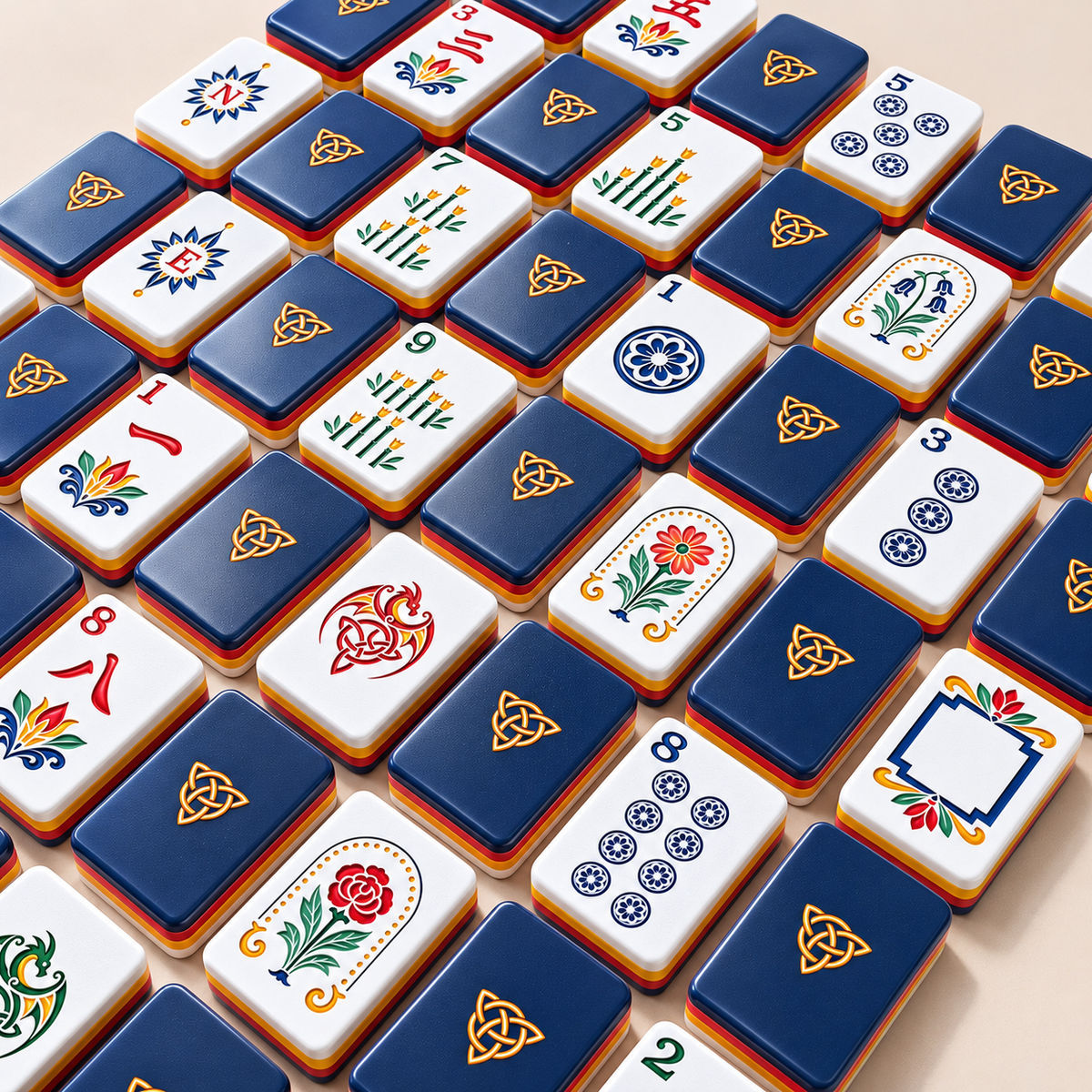
Yes—you can play mahjong alone, but understand what "alone" means. Traditional American mahjong is a four-player game; solo play serves as practice, not competition. You can lay out tiles to study hand patterns from the season's National Mah Jongg League card, drill pung recognition, test joker placement, or run through complete mock hands to sharpen your eye and speed. Solo sessions typically take 15–45 minutes depending on your goal. A standard set (152 playing tiles plus eight jokers) suffices; no partner needed. Solo play won't teach you strategy, negotiation, or the rhythm of the Charleston tile-pass, but it builds confidence before your first game night. The real mahjong happens with people—the table talk, the pressure, the luck of the draw. Think of solo play as basketball free-throw practice, not a full game.
Yes, you can play mahjong alone to practice hand recognition and tile flow, but traditional American mahjong is a four-player competitive game. Solo play works best as skill-building, not a replacement for the table game.
Is Solo Mahjong an Actual Game or Just Practice?
Solo mahjong is practice, not an official game mode. American mahjong requires four players, Charleston passes, and competitive scoring. Playing alone, you're drilling—studying tile combinations, reading the card, learning pung shapes, testing joker swaps. It's like memorizing poker hand rankings versus playing poker. You won't experience luck, bluff, or the real decisions that make mahjong social. But solo sessions train your eye faster than watching others play.

What Can You Actually Do Playing Alone?
Hand-study drills: Pull 13 tiles from your set, pick one from the wall, and ask yourself: What hand does this match? Use the season card. Time yourself. Build speed.
Layout practice: Deal a complete 152-tile wall. Take your 13, pick one, discard, and cycle through several rounds. Feel the rhythm without opponents.
Pung spotting: Lay out random tiles and count how fast you find pungs (three identical), kongs (four), quints (five). Blind-fold drills sharpen recognition.
Joker placement: Pull a hand pattern from the card, lay jokers in different positions, and confirm which combinations are legal. American rules forbid jokers in pairs or as single tiles—this drill locks it in.
Speed rounds: Time how long it takes to complete one full hand cycle (dealing, picking, discarding, checking the card for wins). Faster hands mean smoother table flow.
How Long Does a Solo Session Typically Take?
A focused 30-minute drill beats an unfocused hour. A single "speed round" (13 tiles dealt, one picked, one discarded, card check) takes 2–5 minutes per cycle. Most solo players do 5–10 cycles per session. If you're studying one specific pattern from the card—say, a quint sequence with dragons—plan 15–20 minutes. A full mock game (simulating all four players' hands) takes 45 minutes to an hour but teaches little about actual play. We recommend short, targeted drills over long, wandering sessions. Quality beats duration.
What's the Best Solo Mahjong Setup?
You need a standard 160-tile American mahjong set (152 playing tiles, eight jokers) and the current year's National Mah Jongg League card. A mat helps organize your layout, especially if you're drilling multiple cycles. A quiet table, good light, and a phone timer round out the essentials. Some players use engraved American mahjong sets as home practice gear—the custom text reminds them of their weekly table—but any best-selling set works. A mahjong mat organizes your drill zones and protects your table. racks and pushers are optional for solo play (they shine when four players manage their tiles) but can speed your tile-flipping if you enjoy that tactile rhythm.
🀄 Shop best-selling mahjong sets →
Solo Goal | Setup | Time | What You'll Learn |
Hand spotting | Set, card, pen | 15 min | Read card fast, spot legal combos |
Pung drills | Tiles, timer, card | 20 min | Tile shapes, joker swaps, rules |
Speed rounds | Full layout, timer, card | 10 min per cycle | Wall flow, pick/discard rhythm |
Pattern study | One hand pattern, tiles | 20 min | Joker placement, legal sequences |

When Should You Stop Solo Play and Find a Table?
When solo play stops teaching you. Once you read the card in seconds, spot pungs blindfolded, and know American rules cold, you're ready for your first or next game. Solo play won't teach you position play (who to pass tiles to, when to stop), psychology (reading other players, timing your win call), or Charleston negotiation (what tiles to trade and why). These come only at the table. If you've spent 3–5 hours solo and feel confident, join a game. Look for mahjong for beginners guidance, find a local meetup—community centers, libraries, synagogues, and country clubs often host weekly games—and show up. Experienced players welcome newcomers, especially those who've put in solo practice time. Real mahjong is social. Lean into it.
🎁 See our most-loved mahjong sets & accessories →
Solo Play and Equipment: What You Actually Need
Don't overthink gear for solo practice. A set, the card, and a table suffice. But if you're hosting weekly games after you've practiced alone, you'll want hosting-grade equipment: a durable mat, quality tile racks, and a case to protect your set. Many solo players start with a basic set, gain confidence, then upgrade to a mahjong mat and racks with pushers once they're teaching friends. A travel bag or case keeps everything protected if you move games between venues. Solo drilling doesn't demand fancy equipment—but a mat organizes multiple drill layouts and prevents tile scatter. See our guide on how to choose a mahjong mat if you're ready to invest.
✨ Find your Mahstead set — free US shipping →
What to Check Before You Buy Solo-Practice Equipment
Set completeness: Confirm your set has all 152 playing tiles plus eight jokers. Count the suits: three Bams, Craks, Dots (each 1–9, four copies = 36 per suit, 108 total). Count winds (16 total: four each N/E/W/S) and dragons (12 total: four Red, four Green, four White). Eight flowers. A 160-tile set includes spares; don't add them to play.
Card currency: The season card changes every spring. If you buy a used set, verify the card year matches the current season or buy the latest card separately.
Tile quality for durability: Acrylic tiles last through hundreds of solo drills without chipping. If you'll practice frequently (3+ times weekly), acrylic beats bamboo-and-bone for scratch resistance.
Mat fit: If you drill with multiple tile layouts, a mat should be ≥36 inches wide. Check dimensions before ordering.
Light and space: Solo play demands clear, consistent light and uncluttered table surface. Poor lighting kills speed drills; unstable surfaces scatter tiles mid-cycle.

FAQ
Can you win playing mahjong alone?
No. American mahjong requires four active players, the Charleston, and competitive scoring. Solo play is practice. You can verify a hand is legal, but there's no opponent, no wall decay, no real win.
How often should I practice solo before joining a game?
3–5 hours of focused drills (spread over 2–3 weeks) gives you solid card literacy and rule confidence. Quality matters more than volume—thirty minutes of pung spotting beats two hours of aimless tile shuffling.
Do I need racks and pushers to practice alone?
No. Racks help when four players manage their tiles at the table. Solo, a simple layout on a mat or table works fine. If you enjoy the tactile rhythm of pushers, add them later.
What if I can't find a four-player game near me?
Search community centers, libraries, synagogues, and country clubs in your area. Post on local meetup boards or Facebook groups. If in-person games aren't available, online platforms run American mahjong—search "American mahjong online" for options. Solo practice readies you either way.
Is there a solo mahjong variant (solitaire) I should know about?
Yes. Some players run "solitaire mahjong" layouts (matching pairs, clearing the board), but this isn't American mahjong—it's a different game, closer to tile-matching puzzles. If you want to learn American rules and strategy, solo American drills are your foundation. If you want a solo tile game for fun, solitaire variants exist but won't prepare you for table play.
Can solo practice improve my scoring and strategy?
Partially. Solo drills teach you hand recognition and joker rules. Strategy (position play, reading opponents, timing your calls) comes only at the table. Think of solo as spelling practice; the real conversation happens with others.


View More
View More
View More
