
Bone and Bamboo vs Plastic Mahjong Tiles: Which Should You Buy?
Last updated: Nov 23, 2026
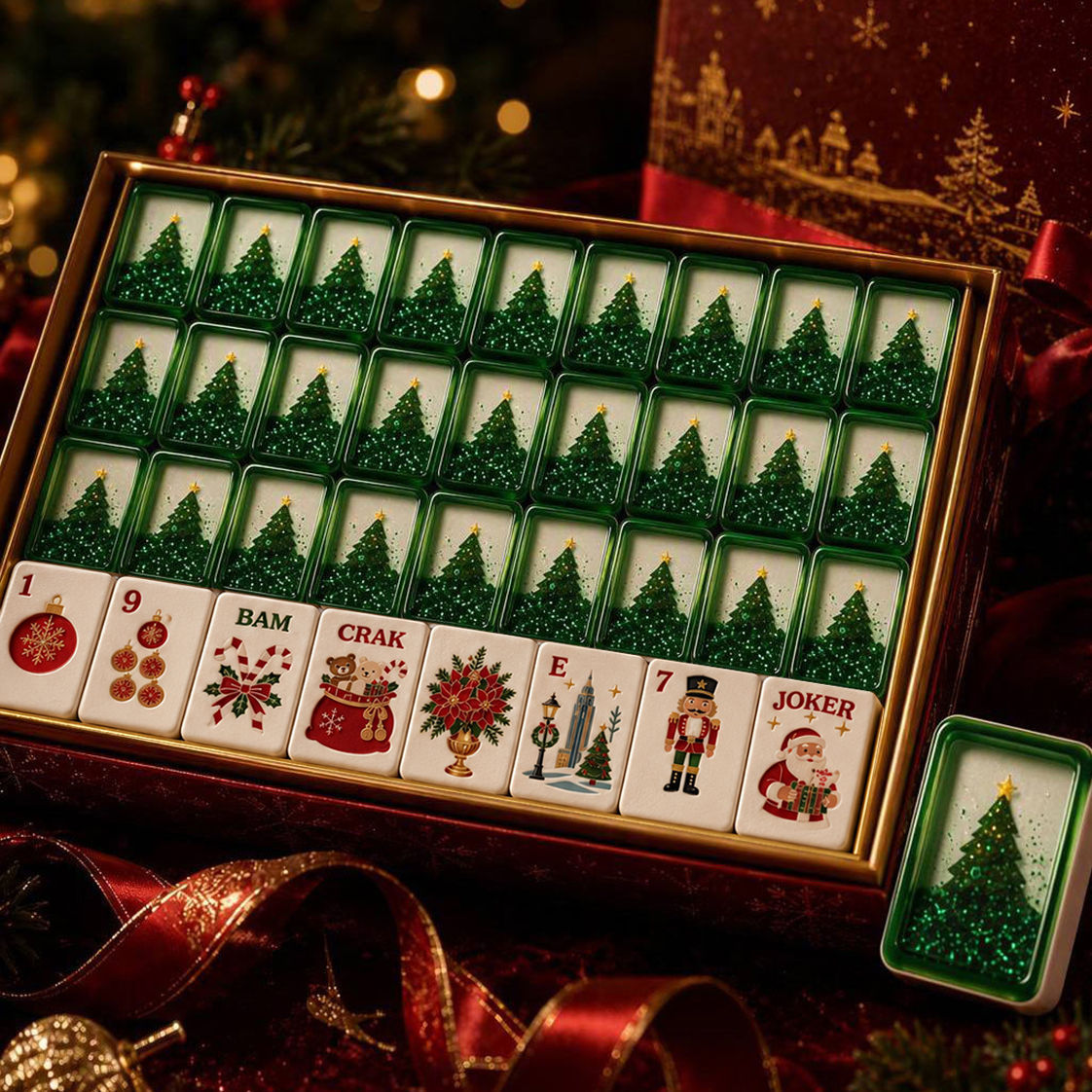
Bone and bamboo mahjong tiles are handcrafted from natural materials—bamboo racks carved from river cane, bone faces inlaid on wooden bases—creating a traditional weight and warmth that devoted players cherish. Acrylic (plastic) tiles are molded in one piece, lightweight, scratch-resistant, and less expensive. Both play identically under American mahjong rules; the difference is feel, longevity, and budget. Bone and bamboo sets wear visibly over decades—tiles yellow, faces chip, racks develop character—which some players love as patina and others avoid. Acrylic tiles remain uniform through decades of weekly play and suit players who host frequently or prioritize consistency. At Mahstead, we design engraved American mahjong sets in acrylic specifically to hold crisp engravings that remain legible across hundreds of games. Neither material is objectively "better"—the choice hinges on your gaming frequency, aesthetic preference, and whether you want tiles that age visibly or stay pristine. 🀄 Shop best-selling mahjong sets →
What exactly is bone and bamboo made from?
Bone tiles traditionally pair hand-carved bamboo frames (the lighter underside) with sliced animal bone faces glued on top, typically decorated with ink or inlay. Bamboo is an organic, fast-growing material that yellows gently with age and body oil. Bone develops a cream or honey patina over years. Each tile is slightly unique—wood grain, bone texture, weight variation—making handling feel alive. These sets are still handmade in Taiwan and China, with master craftspeople spending hours on finishing. The tactile experience is what players describe as irreplaceable: the heft, the click sound when tiles stack, the slight give underfoot if you drop a piece. However, this means no two sets play identically, and damage (chipped bone, cracked bamboo) is permanent.

How do acrylic tiles compare in feel and durability?
Acrylic (polymer resin) tiles are injection-molded or hand-poured in one solid piece, making them uniform tile to tile. They weigh less than bone and bamboo (typically 40–50% lighter), are harder and non-porous, and resist scratching and staining far better. A player hosting weekly games will see bone and bamboo tiles develop scuffs, ink fade, and gloss loss within 2–3 years; acrylic tiles look identical after 5–10 years of the same use. They don't yellow or darken. If you engrave or customize acrylic tiles (as we do at Mahstead), the crisp detail remains sharp for decades because the material absorbs pigment evenly. The trade-off: acrylic feels colder in hand, clicks more sharply, and some players dislike the "plastic" association—even though the material is durable and not cheap. For frequent-play groups, acrylic outlasts bone and bamboo and retains resale value longer.
Which material wins for collectors versus weekly players?
Category | Bone & Bamboo | Acrylic | Best for |
Feel | Warm, organic, unique per tile | Cool, uniform, predictable | Collectors who prize tactile heritage |
Aging | Visible patina; chips permanent | Stays pristine; no visible wear | Weekly hosts who need consistency |
Engravings | Fade or wear over time | Stay crisp for decades | Custom or commemorative sets |
Setup cost | Higher per set | Lower (especially engraved) | Budget-conscious groups |
Frequency tolerance | 2–4 games/week max before visual wear | 5+ games/week, no aesthetic loss | Casual or casual-competitive play |
Resale | Valued by collectors if pristine | Stable resale for engraved sets | Those who may upgrade later |
A collector buying one beautiful set to play monthly will treasure bone and bamboo; a player hosting every Thursday will get better value and durability from acrylic. Think of it like a vintage leather jacket (bone/bamboo) versus a weather-resistant technical coat (acrylic): one develops character, the other stays reliable.
🎁 See our most-loved mahjong sets & accessories →

What real costs and hidden factors should you know?
Bone and bamboo sets at retail often range from mid-tier to luxury pricing depending on craftsmanship, inlay detail, and maker reputation. They ship slowly (4–8 weeks typically, as they're made to order or imported) and are fragile in transit—cracked tiles on arrival are not uncommon, especially during temperature swings. Returns are complicated because replacement tiles must match the original batch, which may no longer be in stock. Acrylic sets, including our engraved American mahjong sets, are manufactured in volume, ship faster domestically, and tolerant of rough handling. Damage in transit is rare because acrylic doesn't crack under normal pressure. If you lose or damage a single tile later, replacement is simpler and cheaper. Acrylic sets also don't require climate control (bone can warp or develop mold in humid storage), making them practical for players in hot or wet climates. Hidden cost: bone and bamboo sets sometimes need periodic maintenance (wiping with a soft cloth, storing in dry conditions, occasional regluing if faces lift) to preserve them. Acrylic requires only a rinse and dry.
How do you pick based on where and how often you play?
Ask yourself three concrete questions:
How many games per month? Weekly or more: acrylic. Monthly or less: bone/bamboo is fine.
Do you host or travel? Hosting the same group: acrylic durability pays off. Traveling to different venues: bone/bamboo impresses, but acrylic is safer in a bag.
Do you want personalization? Engraved or custom tiles look sharpest and last longest in acrylic. Bone/bamboo engravings fade.
New players or budget-conscious groups should start with acrylic—specifically our best-selling mahjong sets, which are designed for reliable American play and engraving clarity. Players with stable, small groups who play infrequently and value heirloom feel may invest in bone and bamboo. Many experienced players own both: a beautiful hand-carved set for special occasions and a dependable acrylic set for weekly sessions.
✨ Find your Mahstead set — free US shipping →
What to check before you buy
Country of origin: Taiwanese and Chinese bone/bamboo is traditional; confirm the maker if heritage matters to you. Acrylic can come from either region or be US-assembled from imported tiles.
Tile weight and feel: If possible, handle both types before ordering. Weight preference is personal; don't guess.
Finish and gloss level: Matte bone/bamboo shows patina faster; glossy acrylic hides dust but can feel slippery. Test with your group if you can.
Seller return policy: Bone/bamboo is hard to return; acrylic is forgiving. Choose a seller (like Mahstead) with clear damage-in-transit procedures.
Storage conditions: Bone/bamboo needs dry, stable temperature. Acrylic tolerates garage or closet storage without issue.
Racks and accessories: Bone/bamboo sets often sell with traditional wooden racks; acrylic sets pair well with modern mahjong racks with pushers, which are easier to handle and suit frequent play.

FAQ
Do bone and bamboo tiles have any advantage over acrylic in actual gameplay?
No. Under American mahjong rules, gameplay is identical. Bone and bamboo feel and sound different—some players report better grip or less fatigue—but this is subjective. Acrylic plays just as fairly and fast.
Can I repair cracked bone or bamboo tiles?
Partial repair (gluing a loose face) is sometimes possible, but a truly cracked tile cannot be reliably fixed. Replacement is the only option, and matching tiles are hard to source after a set ages.
Why is acrylic sometimes called "plastic" derisively?
Older acrylic sets were low-quality or dyed unevenly. Modern injection-molded or hand-cast acrylic is premium material. The stigma lingers unfairly. At Mahstead, our acrylic sets are precision-cast and engraved to standard professional quality.
Should I buy bone and bamboo as an investment?
Pristine vintage bone/bamboo sets do hold collector value. New bone/bamboo sets are unlikely to appreciate unless they're from a renowned maker. Play value exceeds investment value for most buyers.
How do I know if an engraved acrylic set will fade?
Engraving inked into solid acrylic (not printed on the surface) will not fade. Confirm the engraving method with the seller before ordering. At Mahstead, all engravings are embedded in the tile material and remain crisp for the life of the set.


View More
View More
View More
