
Blue Mahjong Pushers: How to Pick the Right Rack for Your Game
Last updated: Nov 23, 2026
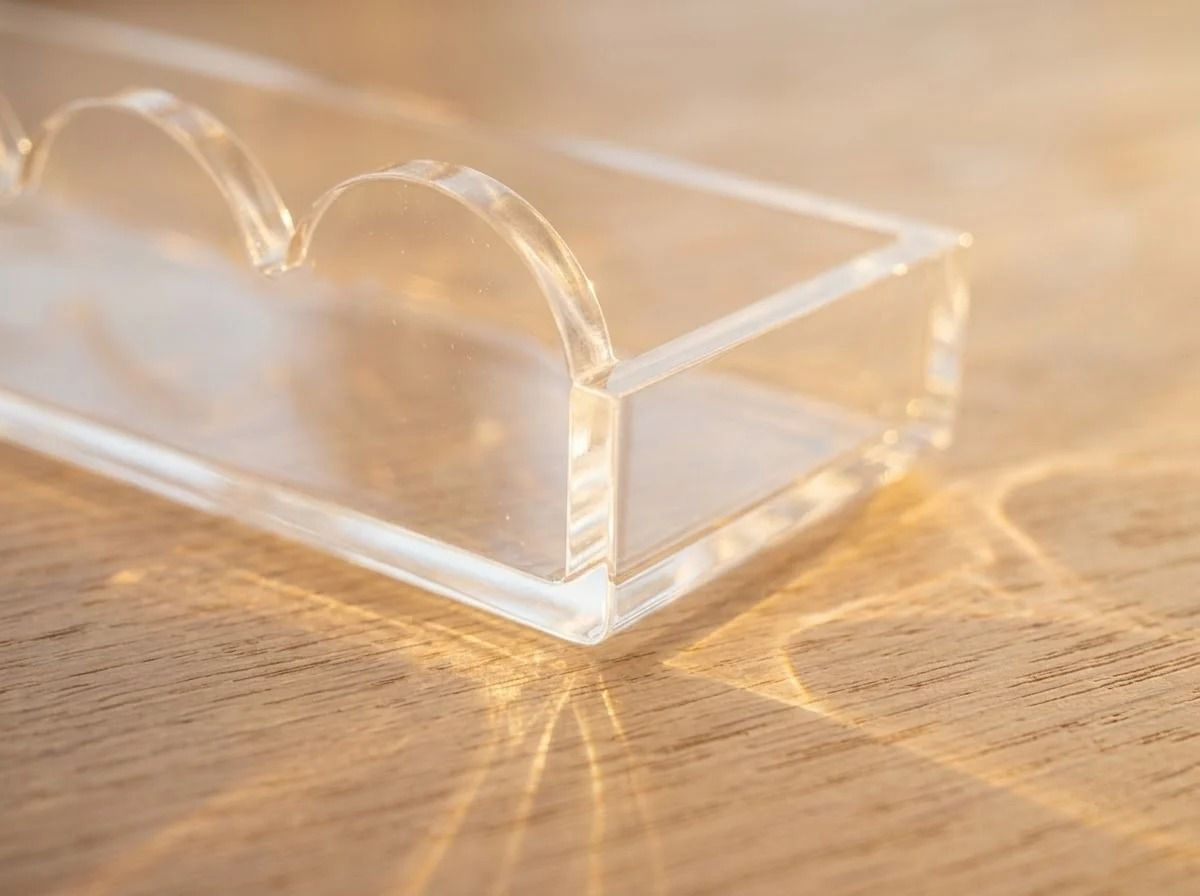
Blue mahjong pushers are hand tools—usually acrylic or wood, often in blue for visibility—that sit in front of each player's tile rack to push tiles forward cleanly during the game. American mahjong players use one pusher per hand; they're essential for managing 13 tiles (or more during melds) without fumbling. Pushers come individually or paired with racks; quality matters because cheap ones warp or crack under the weight of acrylic tiles played week after week. We recommend checking material (solid acrylic holds up better than thin plastic), length (2.5–3 inches fits most hands), and whether the pusher's edge is beveled (prevents snagging). Mahstead's mahjong racks with pushers offer matched sets designed to last through seasons of games; see current price on the product page for your preferred style. 🀄 Shop best-selling mahjong sets →
What's the real difference between acrylic and wooden pushers?
Acrylic pushers are lighter, glossy, and resist water—ideal if you're moving tiles quickly across a damp mat. Wooden pushers feel premium and slide smoothly on felt, but absorb moisture over time and can warp if stored poorly. Most of us use acrylic because it matches acrylic tiles visually and stands up to years of weekly play without staining or splitting.
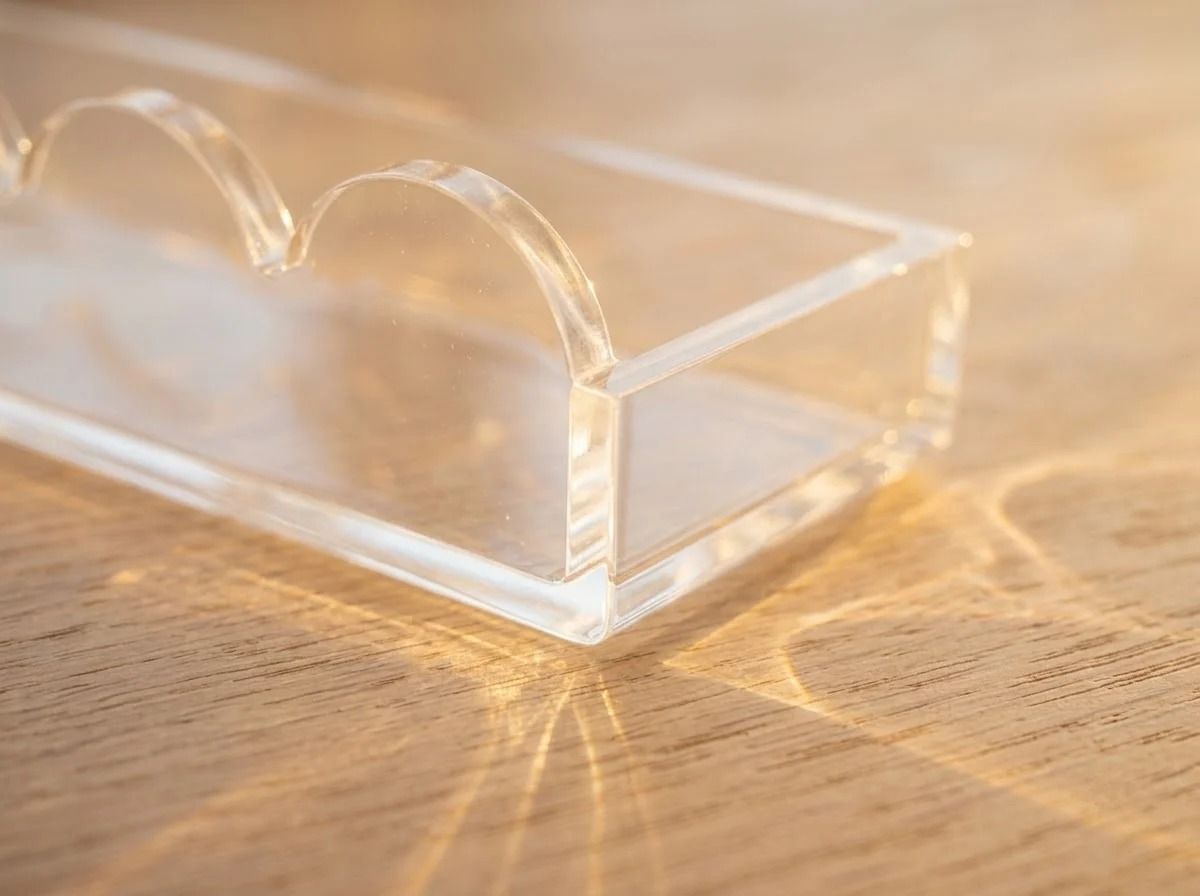
Should your pusher match your tile set color?
Not strictly necessary, but a pusher that echoes your set's color scheme (like blue with a blue-accented tile design) keeps the table cohesive and makes it easier to spot your pusher in dim lighting. Many of our players buy pushers in contrasting colors—say, a bright blue pusher with a green or white set—so they can find their pusher instantly when someone's scooping tiles off the mat. The practical win is worth the style trade-off.
How do you know if a pusher is the right size for your hand?
Hold the pusher as you would hold it during play—resting between your thumb and first two fingers, ready to nudge tiles forward. It should be roughly the width of two fingers (about 2.5–3 inches long) and light enough that you're not straining after an hour of play. If your hands are smaller or you prefer a delicate grip, look for pushers under 3 inches; if you have larger hands or like a firmer hold, choose 3 inches or longer. A pusher that's too short feels cramped; too long and you'll catch the edge of neighboring tiles.
What happens if you buy a cheap pusher?
Budget pushers—typically thin, hollow plastic—crack within months of regular play, especially if your table uses heavy acrylic tiles. The edge frays, making it impossible to slide a tile cleanly; the pusher warps and no longer sits flat in the rack. We've seen players tape broken pushers to the side of the mat because they didn't realize they could upgrade. A solid acrylic or quality wood pusher costs a bit more but lasts years and gives you confident, quiet tile movement—no scraping, no noise that distracts from the game.
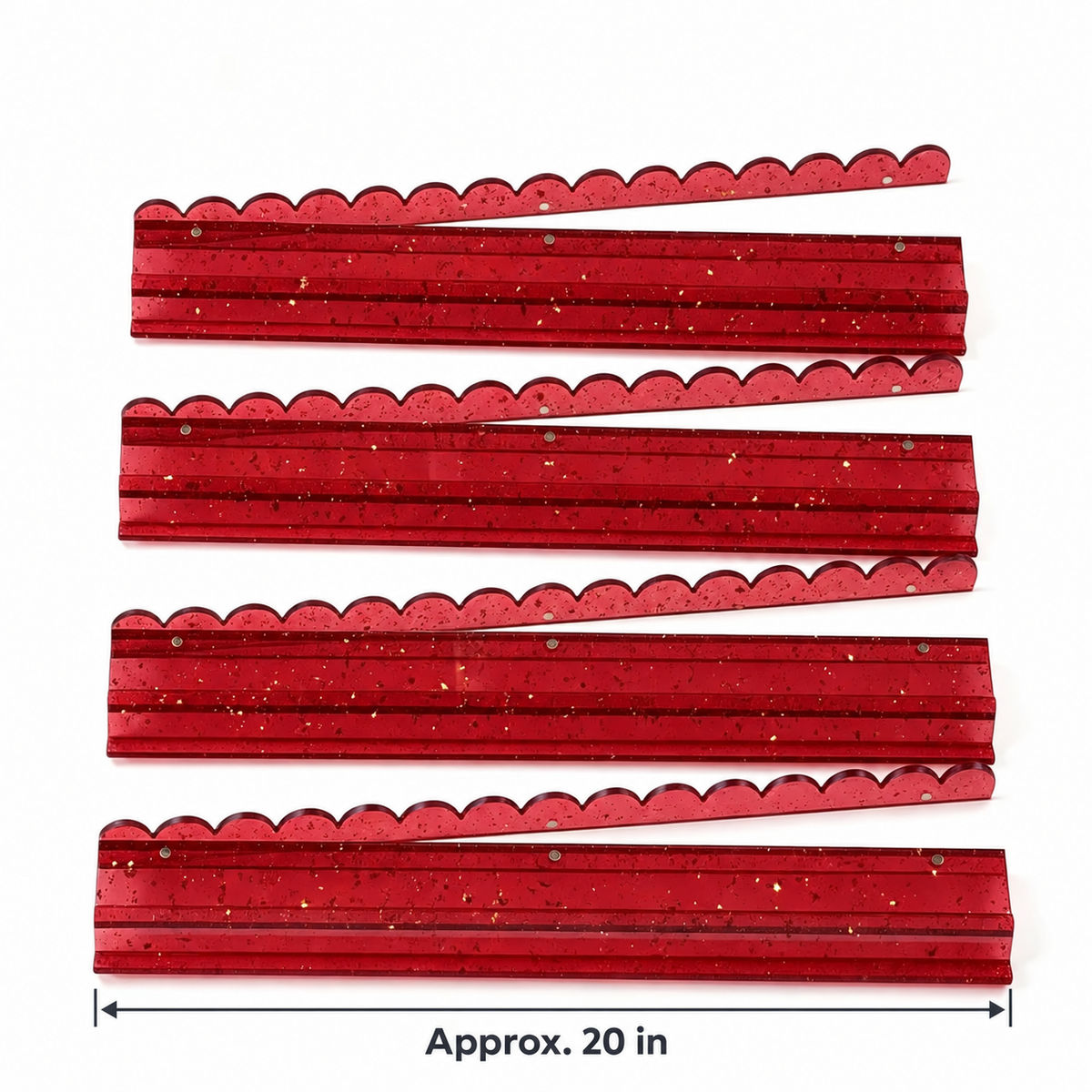
Blue pushers vs. other colors: does it matter?
Color | Best for | Why | Trade-off |
Blue | General play, visibility | Neutral, easy to spot, modern aesthetic | None—works with most tile sets |
Black | Formal or night play | Looks sleek, hides dust | Shows fingerprints, can blend with dark mats |
Clear/Translucent | Showcase play, aesthetic | Lets tile design show through | Can be hard to locate on a busy mat |
Natural wood | Traditional vibes, warmth | Premium feel, slides smoothly | May absorb water, needs care |
White/Ivory | Light-themed sets, daytime | Bright, photogenic, clean look | Shows wear and grime over time |
Blue is the middle ground: visible enough in overhead light, neutral enough to pair with any tile color, and traditional enough that most sets include it. We see players rotate colors week to week just for fun—what matters most is the quality of the acrylic or wood underneath.
What to check before you buy
Material: Solid acrylic or hardwood only; avoid hollow plastic.
Length: Measure your hand and aim for 2.5–3 inches; hold a comparable object to test grip.
Edge finish: Smooth, beveled edges that won't snag tile edges or the rack edge.
Compatibility: If buying a rack-and-pusher combo, confirm the pusher sits snugly in the rack groove (no sliding or falling out during play).
Quantity: You need one pusher per player (typically four), but spare pushers are smart—breakage happens.
🎁 See our most-loved mahjong sets & accessories →
Where to use your blue pushers: rack vs. standalone
If you own a mahjong rack with pushers, the pusher slots into a groove at the base and stays put—ideal for keeping your playing area tidy and organized. Standalone pushers sit loose and are perfect if you're playing on a bare table or a mat without a permanent rack setup. Mahstead offers both; standalone pushers work well for players who travel or rotate between venues. The key is ensuring the pusher's edge is smooth so it doesn't scratch your playing surface when you set it down between moves.
Four signs you need to replace your pushers
The edge is chipped or splintering: This catches tile edges and slows your play.
The pusher wobbles in the rack: Repeated stress has weakened the connection; replacement is overdue.
It bends or flexes when you apply pressure: Hollow plastic or low-grade acrylic breaks soon; buy solid material.
You can't locate it easily: If your pusher's color has faded or gotten lost during setup, it's time for a fresh set in a more visible shade.
Blue is durable and timeless. If your current pushers are showing wear, upgrading to a new mahjong rack with pushers combo ensures you and your players have a smooth, quiet, frustration-free game every week.
✨ Find your Mahstead set — free US shipping →
FAQ
Can I buy blue pushers separately from a rack?
Yes. Mahstead offers mahjong racks with pushers as sets and individual pushers; you can order extras to keep backups or swap colors. Check the product page to see what's available for your preference.
Do blue pushers work with all tile sets?
Blue pushers work with any American mahjong tile set—acrylic, wooden, vintage, modern. The color is neutral and complements all standard designs. Choose based on your hand size and the material (acrylic vs. wood), not your tiles.
How many pushers do I need for a four-player game?
You need one pusher per player, so four total for a standard game. Most sets or combos come with four; buy spares if you play frequently or host multiple tables.
What's the difference between a pusher and a rack?
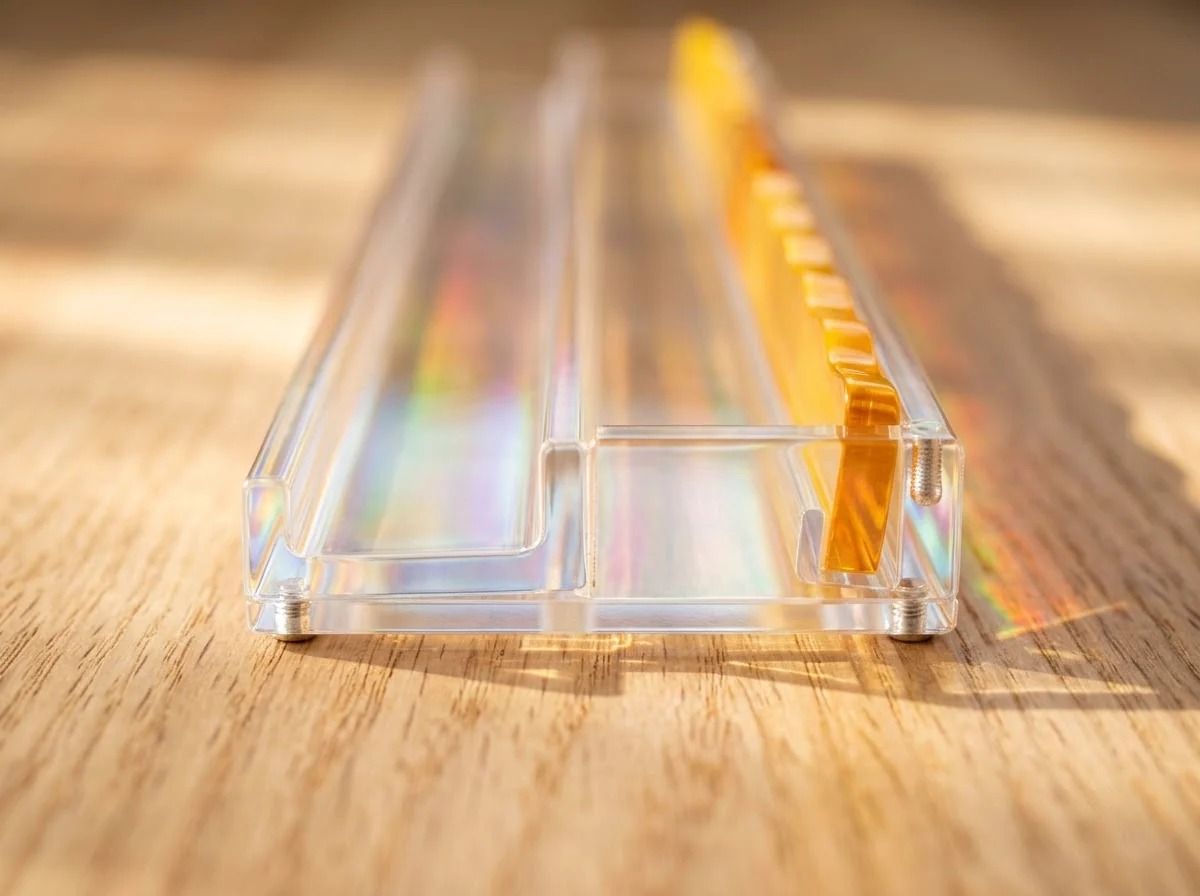
A pusher is a small tool that moves tiles; a rack is the stand where your 13 tiles sit during play. Most racks have a groove to hold pushers. You can use a pusher without a rack, but they work best together.
Are acrylic pushers better than wooden ones?
Acrylic is more durable for regular play, resists water, and matches acrylic tile sets. Wood feels nicer and slides smoothly but requires care to avoid warping. Choose based on your storage conditions and how often you play.
How do I keep my blue pushers from getting lost?
Store them in the same case or pouch as your tiles and racks. Many players label their pushers with initials or tape on the bottom. Keep spares at the table so one player always has a backup.


View More
View More
View More
