
Black Mahjong Table: Mats, Covers & Setups Guide 2026
Last updated: Nov 23, 2026
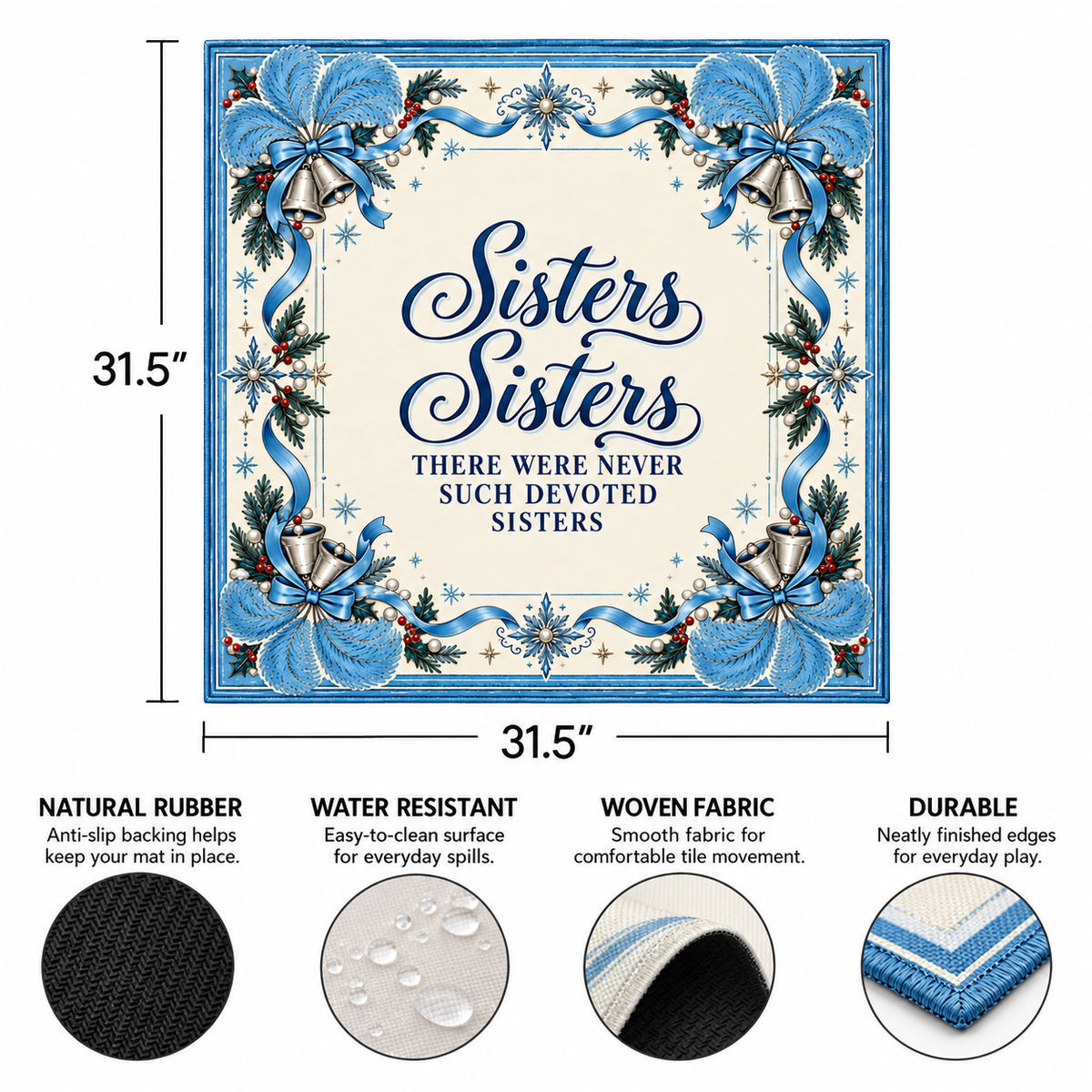
A black mahjong table most often means a dedicated mat or fabric cover you layer onto an existing dining or card table; Mahstead offers padded mahjong mats in black and other colors, sized to fit standard tables (typically 36–40 inches square for four players). Some players buy black felt tablecloths; others invest in hard black surfaces. The mat's job is simple: protect your tiles, muffle noise, provide grip for racks and pushers, and mark the discard zone clearly. Cost varies from budget felt covers to premium embroidered or engraved mats. Black specifically hides dust and stains, making it the workhorse choice for weekly games. Avoid thin plastic—it slides on the table and frustrates play. Check dimensions against your table before ordering; a mat that's too small leaves no room for the Charleston or discard row.
Why do people choose black mahjong mats over other colors?
Black is the standard choice in American mahjong clubs because it masks wear, minimizes glare, and creates high contrast with light-colored tile faces. Players spot 1 Bams and White Dragons instantly against black. Stains from snacks, spilled drinks, and years of tile shuffling disappear into the color—a green or red mat shows every mark within weeks. Black also feels formal and neutral, never clashing with decor. The psychological shift matters too: a black mat signals "serious game," which keeps conversation balanced and focus sharp. Mahstead's collection of mahjong mats includes black alongside jewel tones and pastels, but black remains the top request for weekly players.
What's the difference between a mat, a cover, and a hard table?
Surface Type | Material | Grip | Noise | Durability | Best For |
Padded Mat | Felt over foam/rubber | Excellent | Muffled | 5–10 years | Weekly games, rentals, protection |
Felt Cover | Thin felt tablecloth | Moderate | Moderate | 2–3 years | Casual play, budget-conscious |
Hard Table | Laminate, resin, or painted wood | Low | Loud | 10+ years | Permanent rooms, tournaments |
Vinyl Overlay | Plastic sheet | Poor | High | 1–2 years | Temporary, not recommended |
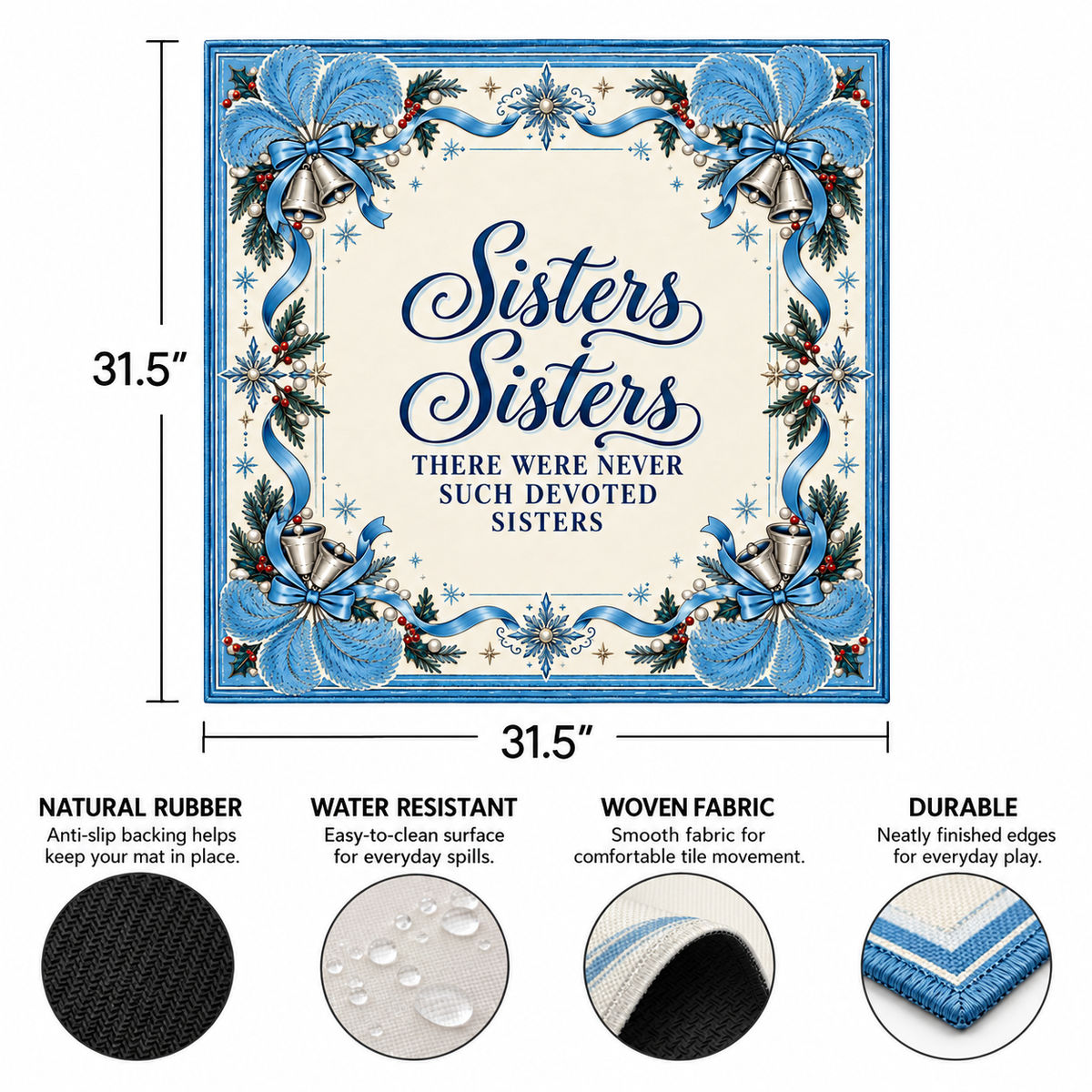
A padded mat is what most home players buy. It's 1/4 to 1/2 inch thick, sits on top of your table, and can be rolled and stored. Racks and pushers grip it well, and the foam beneath absorbs impact so tiles don't bounce or clatter. A felt cover is cheaper but thinner—tiles slide more, and it wears faster. A hard table (built-in or custom) is permanent and loud; you'll want cushioned racks with pushers to absorb shock. Vinyl overlays are the trap: they're slippery, sound cheap, and frustrate serious players. If you're hosting weekly games, a mat wins on value and flexibility.
🎁 See our most-loved mahjong sets & accessories →
What size black mahjong mat do you actually need?
Measure your table, then add 2–4 inches on each side for overhang and the discard zone. A standard 4-player American mahjong layout needs roughly 36 × 36 inches of play surface (the tiles themselves occupy a 13-tile square, plus space for each player's rack). Most mats are sold in square sizes: 36", 40", or 42" across. If your dining table is 48" long and 36" wide, a 40" × 40" mat will overhang slightly, which is fine; a 36" mat may pinch the game. Check how far your table extends past the mat edge—the Charleston requires arm's length access to all 152 tiles before anyone picks up their hand. A mat that's too small forces the discard row off the edge or onto a neighboring chair, which breaks the game's rhythm. Mahstead mats are listed with exact dimensions; cross-reference your table's width and depth before adding to your order.
How do you prevent your mat from sliding during play?
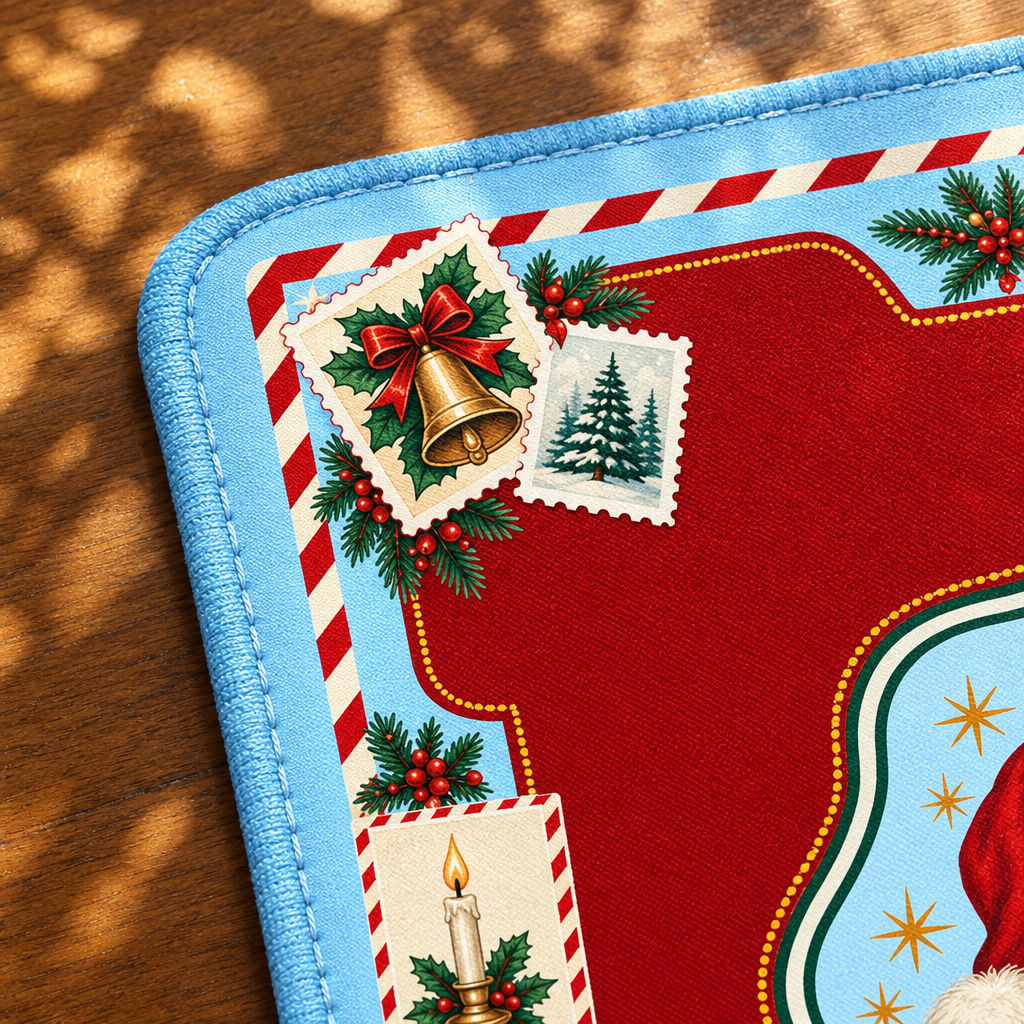
Padded mats sometimes creep during aggressive shuffling or when players lean on the table. A few fixes: place non-slip grippers or rubber shelf liner underneath the mat—don't skimp on quality here, as cheap grippers leave residue. Alternatively, buy a mat with a rubberized bottom (check the product description). Some players attach small adhesive felt pads to the table's underside, one in each corner, so the mat sits in a shallow well. Never use double-sided tape directly on the mat; it damages the surface and makes the mat impossible to store elsewhere. If you move your table regularly, a dedicated mahjong bag or case for your mat (if one exists for your size) beats rolling it bare. The goal is stability without permanent adhesion.
🀄 Shop best-selling mahjong sets →
What features should you look for in a Mahstead mat or other quality black mat?
A good mat has a smooth, non-gloss felt face that doesn't trap dust or produce glare—matte finish is key. The underside should be non-slip rubber or closed-cell foam, never bare felt. Seams should be straight and flush, not raised; a raised seam catches tile edges and frustrates shuffling. Check if it's machine-washable or spot-cleanable—spills happen, and a mat you can't refresh loses appeal fast. The mat should be 1/4 inch thick minimum; anything thinner won't muffle sound or protect tiles from impact. Embroidered or engraved mats (like those from our mahjong titles collection) add personality and help players remember which direction is home; they also resist fading better than plain felt. Ask the seller if the mat is colorfast (won't bleed if wet) and whether it can handle humidity without warping. Mahstead's mats come vacuum-sealed and ship flat; they roll out and lie flat within hours.
What's the best setup for a complete black mahjong table experience?
Start with a black mat on your base table, then layer in best-selling mahjong sets in your chosen tile material (acrylic, bone, bamboo, or resin). Add racks with pushers for each player—they grip the mat and keep tiles organized during the game. Place a small case or pouch on the side for the National Mah Jongg League card and dice. Many players set a black felt storage bag or case nearby to hold the set when not in use. If your game room is bright, a reading lamp or task light mounted above (not directly on the table) reduces glare off the mat and tile faces. A small caddy for snacks and drinks keeps spills away from the play zone. The mat becomes the anchor; everything else radiates from it. A complete setup takes 10–15 minutes to break down and store.
What to Check Before You Buy
Table dimensions: Measure width and depth of your actual table, not the listed size.
Mat thickness: Aim for 1/4 inch minimum; thinner mats won't muffle or protect.
Underside grip: Look for rubber or foam, never bare felt or smooth plastic.
Seam quality: Seams should be flat and invisible; raised seams catch tiles.
Colorfastness: Ask if the black will fade or bleed in humidity or if wet.
Storage: Confirm it rolls flat and fits in your game closet or bag.
Return policy: Check what you can do if the size doesn't fit your table once it arrives.
✨ Find your Mahstead set — free US shipping →

FAQ
Can you use a black tablecloth instead of a mahjong mat?
Yes, if it's at least 1/8 inch thick felt and the underside is non-slip. Thin tablecloths slide and provide no sound dampening. A dedicated mat is cheaper long-term because it outlasts tablecloths by years and resists staining better.
How often should you clean a black mahjong mat?
Spot-clean spills immediately with a damp cloth; vacuum or brush off dust and debris every 2–4 weeks. A machine-washable mat can go in cold water annually. Black hides stains well, so deep cleaning is rare unless there's a major spill.
Is a black mat better than a green one for American mahjong?
Black is standard and hides wear best. Green and red are equally valid for casual play. Black wins on durability and resale value if you ever upgrade your table.
Will a mahjong mat slide if I move my table?
Yes, if the underside isn't rubberized. Use non-slip grippers or shelf liner underneath to keep the mat anchored. Test it by pushing the table gently before hosting a game.
What size mat fits a standard dining table?
Most dining tables are 36–42 inches wide; a 40" × 40" mat is the safest bet. Measure your table first and compare against the mat's listed dimensions to confirm overhang on all sides.
Can you cut a mahjong mat to fit an odd-sized table?
Not recommended. Cutting exposes the foam interior, which deteriorates and loses its non-slip grip. Buy the next size up or pair a smaller mat with a protective frame.
How long does a quality black mahjong mat last?
5–10 years with weekly play and basic care. Mats last longer if stored in a dry place and protected from direct sunlight, which can fade black over time.


View More
View More
View More
