
Black Mahjong Table Cover: Guide to Choosing & Setup
Last updated: Nov 23, 2026
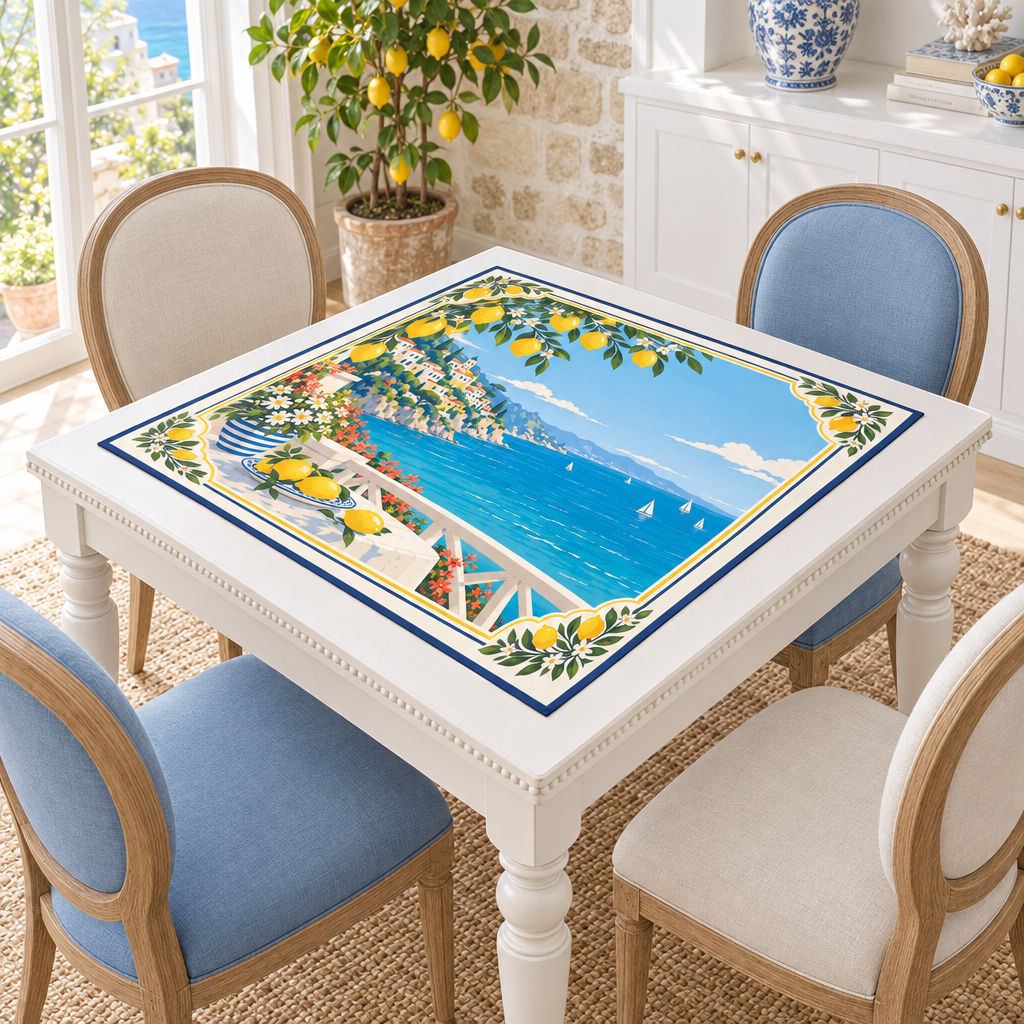
A black mahjong table cover is a protective layer—usually felt, vinyl, or microfiber—that drapes over your table to shield it from tile scratches, spills, and wear. Most covers measure 36" to 48" square to fit standard dining or card tables; some are custom-cut. Black is chosen for its professional appearance, minimal glare, and ability to highlight tile faces. Covers differ from mahjong mats: mats have built-in rack slots and corner pockets; covers are simpler protection layers. When shopping, confirm your table's dimensions, choose material based on your climate (felt for indoor games, vinyl for damp basements), and verify the cover doesn't slide during play—many Mahstead players prefer adhesive-backed options or pair covers with a non-slip mat underneath for stability.
A black table cover is the unsung hero of a serious mahjong setup. It's not flashy—it's practical. After years of weekly games, we've seen covers transform both furniture and focus: they keep your table pristine while signaling to everyone at the table that you're serious about the game.
What's the difference between a cover, mat, and felt?
A table cover is a flat protective layer. A mahjong mat is a cushioned or felted surface with built-in racks, pockets, and corner slots for pushers and chips. Felt is typically glued or stapled directly to the table surface for permanent play. Covers are portable, temporary, and easier to store. If you're renting or want flexibility, a cover is your move. If you're building a permanent game table, felt or a mat wins.
Setup Type | Best For | Portability | Durability | Cleanup |
Black table cover | Rental tables, protection | High | Medium (1–3 years) | Spot-clean |
Mahjong mat | Dedicated tables, serious play | Medium | High (3–5 years) | Wipe-down |
Glued felt | Permanent installations | None | High (5+ years) | Vacuum |
Your choice depends on whether your table is permanent or shared, and how much storage space you have.
How do you measure your table for the right cover size?
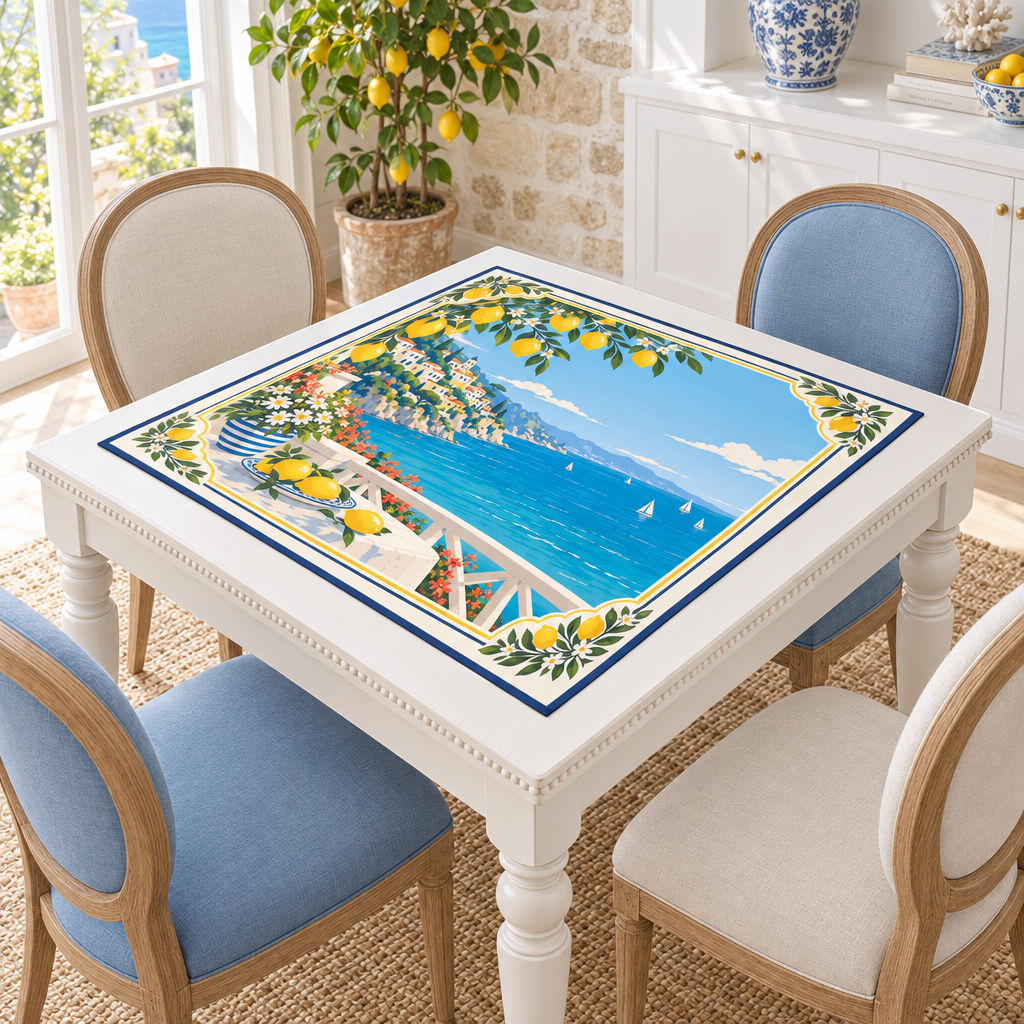
Measure your table length and width in inches. Most mahjong tables range 36" to 54" square; rectangular dining tables are often 30" × 48" to 36" × 60". Add 4" to 6" on all sides so the cover drapes slightly over the edge—this gives tiles room to move and prevents the cover from bunching under racks. For example, a 42" × 42" table needs a cover roughly 50" × 50" to sit flat and allow slight overhang. If your table is irregular, sketch it with dimensions and email the measurements to the Mahstead team—they can advise on custom sizing. Don't guess: an undersized cover will wrinkle during play and throw off tile movement; oversized covers pool on the floor and create trip hazards.
🀄 Shop best-selling mahjong sets →
What materials work best for a black table cover?
Felt is soft, cushions tile movement, and dampens the clack—many of us prefer it for weekly play. It holds stains, though, and requires vacuuming. Vinyl is waterproof, easy to wipe clean, and ideal if your table is in a kitchen, sunroom, or damp basement. It can feel stiff at first but softens with use. Microfiber blends feel premium and resist dirt; they cost more but last longer than felt alone. For serious players, felt pairs well with mahjong racks with pushers—the cushioning helps tiles glide smoothly. If you host casual or family games with food and drinks nearby, go vinyl. For tournament-style play indoors, felt is the standard.
Does a black cover prevent tile slippage?
A cover alone doesn't stop tiles sliding sideways during draws or discards—that's where setup matters. Pair your cover with a non-slip underlay (rubberized mesh placed between table and cover), or use a mahjong mat with friction backing. Some covers come adhesive-backed; these grip the table surface and stay put during aggressive plays. Honestly? A cover plus a quality mat is overkill for casual play but standard for league games. If slippage is your concern, invest in a mat instead—it solves the problem at its root.
🎁 See our most-loved mahjong sets & accessories →
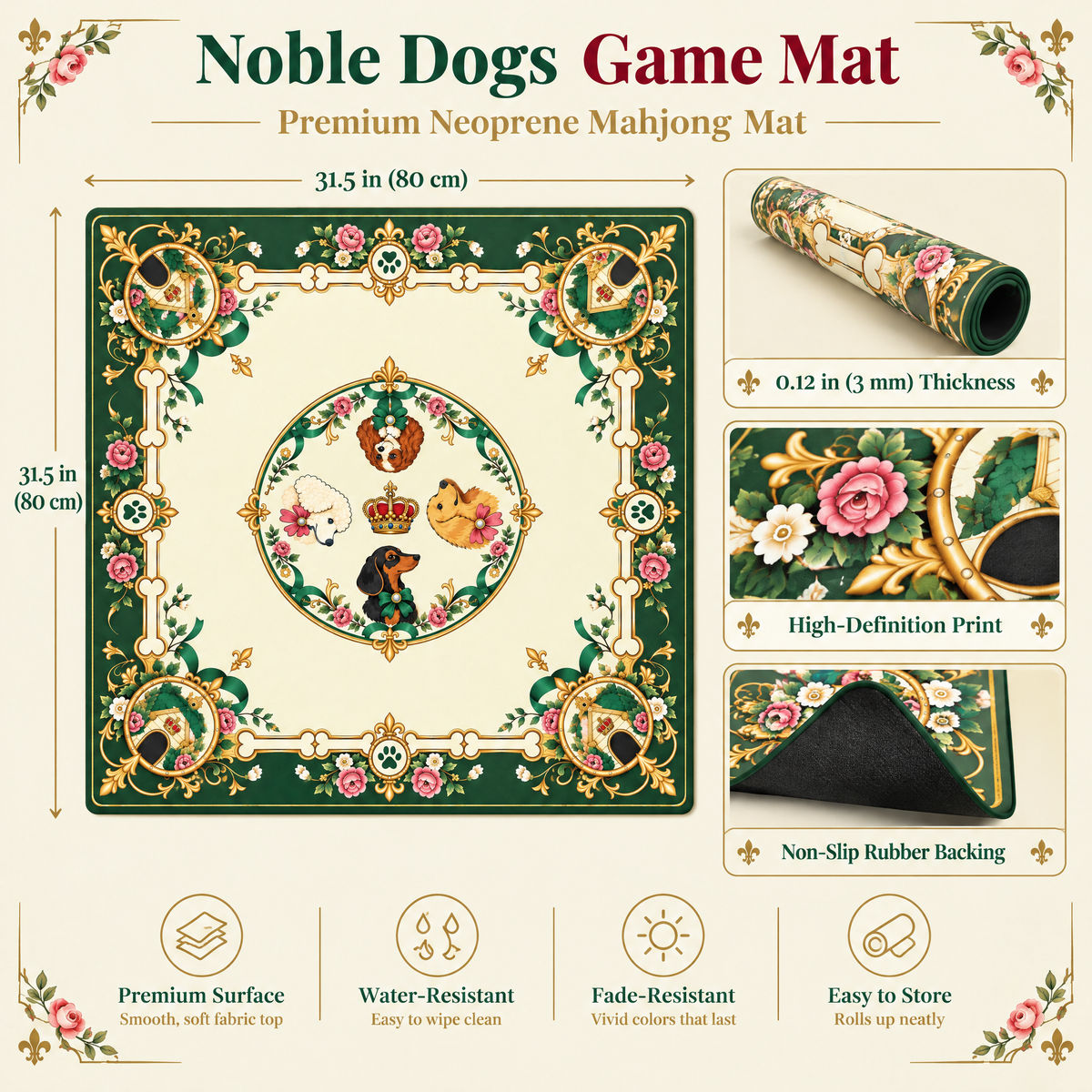
What should you check before ordering a black table cover?
Before clicking buy, answer these five questions:
Exact table dimensions? Measure twice. A cover 2" too short causes wrinkles; 6" too large pools on the floor.
Permanent or portable setup? If you move tables often or host at different venues, a cover beats glued felt. If this is your forever table, felt or a mat is smarter long-term.
Traffic around the table? Oversized covers become tripping hazards in narrow dining rooms. In a dedicated game room, overhang is fine.
Spill risk? Family game nights with drinks? Vinyl cover, non-negotiable. Weekly adult play indoors? Felt or microfiber works.
Budget for extras? A cover alone runs a fraction of the cost of best-selling mahjong sets, but adding a non-slip pad or mat multiplies protection and playability.
Many of us order a cover and underlay as a bundle—it's cheaper than buying separately and eliminates guessing about friction.
Why choose black over other colors?
Black absorbs light and minimizes glare off tile faces—critical when you're reading small Crak or Bam pips under lamp light. Bright colors (red, green, white) reflect light and cause eye strain during long games. Black also hides dust and minor stains better than lighter shades, extending the cover's visible lifespan. In a serious game room or club setting, black is the professional choice. For casual family play, color is personal preference—but if you're choosing based on function, black wins.
✨ Find your Mahstead set — free US shipping →
How do you care for and store a black table cover?
Felt covers: vacuum monthly, spot-clean spills with a damp cloth, air-dry completely before storing (mildew kills felt fast). Vinyl covers: wipe after each game, dry immediately, roll—don't fold—to avoid creasing. Store covers flat or loosely rolled in a cool, dry closet or bin; heat and humidity degrade most materials over time. Avoid plastic storage bags (they trap moisture). If your cover gets a small tear, fabric glue or a sewing patch extends its life. Most covers last 1–3 years with weekly use; replacing them is cheaper than refinishing a scratched table, so the investment pays for itself.
What to Check Before You Buy
Table dimensions (measure length, width, thickness of edge)
Material preference (felt, vinyl, or microfiber based on your climate and play style)
Overhang size (4"–6" on all sides prevents bunching; measure carefully)
Non-slip backing (essential if you're pairing with tile racks; optional with a mat)
Cleaning requirements (felt needs vacuuming; vinyl wipes clean)
Storage space at home (flat covers take less room than rolled mats)
FAQ
Can I use a black table cover with a mahjong mat?
Not simultaneously—they'd bunch and create dead zones. Choose one: a cover for protection under everyday conditions, or a mat for dedicated game tables. Some players use a cover when the table isn't in use and swap it for a mat during games.
Will a black cover fade if it sits in sunlight?
Black felt and microfiber resist fading better than bright colors, but direct sunlight still fades most materials over months. Keep the table out of direct daylight or drape a sheet over the cover when not in use if your room has large windows.
How much does a black mahjong table cover cost?
See current price on the product page—costs vary by size, material, and backing type. Felt covers typically cost less than vinyl or microfiber; custom sizing adds to the price. Mahstead offers mahjong mats and covers; compare options on the product page.
Do I need a cover if I already have a mahjong mat?
No. A mat does everything a cover does plus more—racks, pockets, and padding. A cover is for protecting a bare table or for portability when you're playing on borrowed surfaces.
What's the best black table cover for a rental apartment?
Vinyl, adhesive-backed, roughly 42"–48" square (fits most apartment dining tables). It's waterproof, sticks without damage, and rolls up for storage. Measure your table first; email Mahstead if you're unsure of sizing.
Can I cut a black table cover to size, or does it fray?
Felt frays unless sealed with fabric glue or serger-stitched at the edges. Vinyl edges can melt slightly if heat-sealed. Best practice: order the exact size you need rather than DIY-trimming. Mahstead can custom-cut if you provide measurements.


View More
View More
View More
