
Best Zung Jung Mahjong App: Real Player's Guide 2026
Last updated: Nov 23, 2026
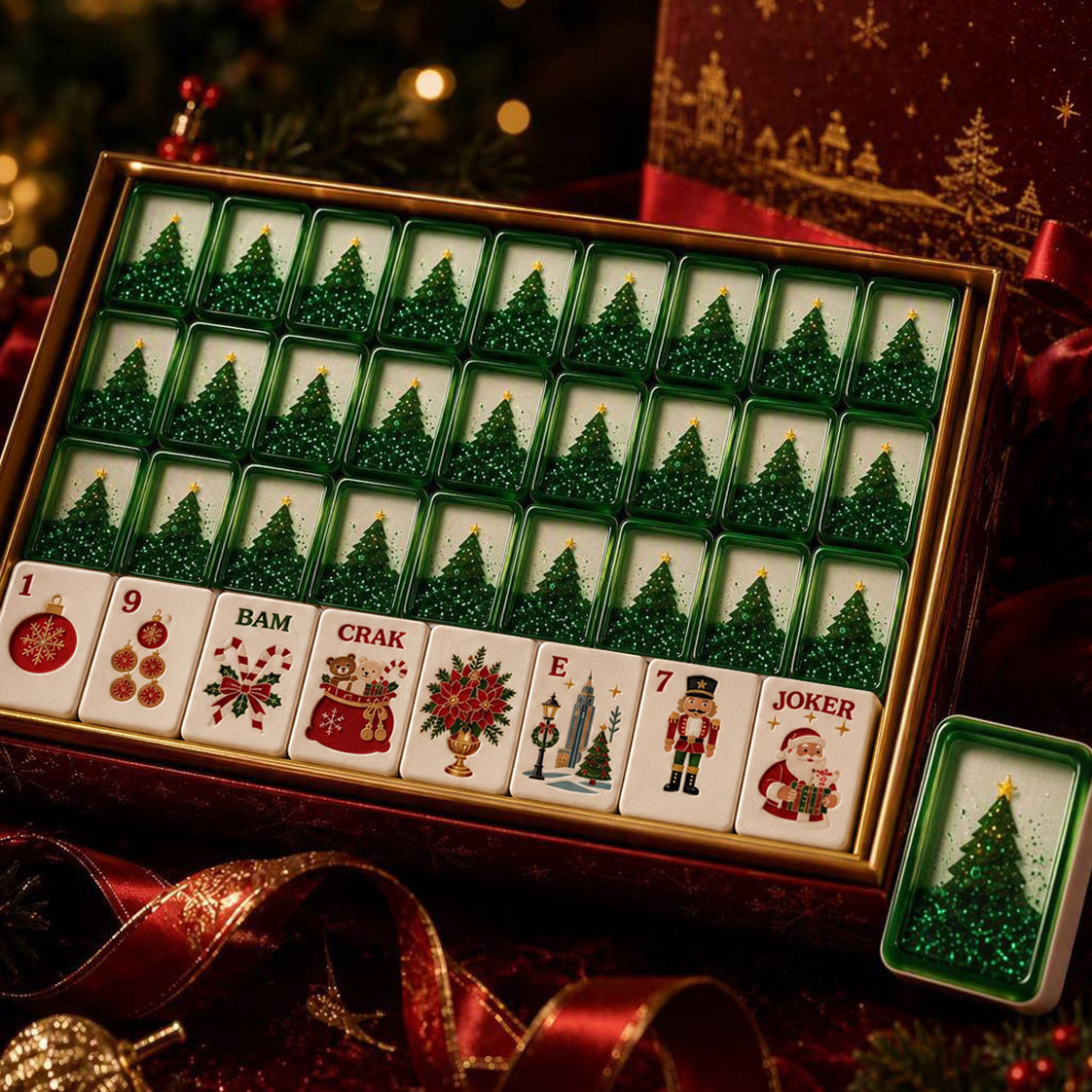
Zung jung is a Hong Kong mahjong variant emphasizing speed, hand complexity, and scoring skill over the American game's fixed card. Players form melds from tiles drawn one at a time, calling hand outcomes by specific pattern names and building winning combinations from any tiles—not a printed card. The best apps for zung jung are Mahjong Soul (free with ads, optional premium play; browser and mobile), Tenhou (Japanese riichi focus but excellent interface), and regional Chinese platforms like Mahjong Solitaire Pro or Mahjong Ways. Learning curve is 2–4 weeks for rule fluency, faster if you already play American mahjong. Most apps teach rules in-game, track hand rankings, and allow play against bots or live opponents in 30–60 minutes per session. Avoid apps claiming to teach American and Hong Kong in one interface—they usually confuse both. We recommend zung jung apps as a supplement to physical practice; a proper best-selling mahjong set and weekly home games remain the gold standard for mastery.
What's the Difference Between Zung Jung and American Mahjong?
The core difference: American mahjong uses a printed card of fixed hands every year; zung jung has no card—you recognize hand patterns and scoring by memory and experience. American games use 152 tiles, fixed Charleston passing, and exposed melds (pungs, kongs, quints, sextets). Zung jung uses 136 tiles, no passing phase, draws one tile per turn, and allows sequences (chows: 1-2-3, for example) that American players never see. American jokers are wild; zung jung usually has none—tiles only. Both reward reading opponents and defensive play, but zung jung rewards faster decision-making and hand pattern recognition.
🀄 Shop best-selling mahjong sets →

Which Zung Jung Apps Are Most Reliable for Learning?
Mahjong Soul leads for accessibility: browser-based (no download), free-to-play with optional cosmetic purchases, English rules built into tutorials, and a global player base at all skill levels. The interface is clean, animations show tile flow clearly, and the hand ranking system is accurate to standard Hong Kong rules. Tenhou, a Japanese platform, excels at riichi mahjong but includes a Hong Kong room; it's steeper for beginners but beloved by serious players. Both run stable servers, update regularly, and log your win rate so you can track improvement over weeks and months. Avoid apps with broken English rules or unresponsive tutorials—they frustrate and teach wrong patterns. If you're starting, test Mahjong Soul's free tier for one week before committing time; most players know within 5–10 games whether the pace and rules click for them.
What Rules Should You Learn First on an App?
Start with basic melds: pung (three identical tiles), kong (four identical), chow (sequence like 4-5-6 Bams). Then learn the core winning patterns: "all pungs," "mixed sequence," and "all terminals." Next: priority order (who wins if multiple players can claim the same discard) and scoring multipliers (like "all triplets" = 8 points, "all simples" = 2 points). Apps teach these in order, showing examples after each rule, so don't skip the tutorial even if it feels slow. The single biggest mistake new players make is confusing pung with chow or thinking sequences follow American rules—they don't. Spend 20 minutes on the app's training mode before playing bots; muscle memory for tile recognition matters more than memorizing scores at first.
How Does Zung Jung Scoring Actually Work?
Zung jung hand values are calculated as base points (usually 1 or 2) multiplied by scoring factors called "fans": getting all triplets might double your base (fan ×2), going out "ready with one wait" might add a fan, and "all terminals" might triple the whole thing. Total points then depend on who won, who discarded, and seat position. Unlike American mahjong's static card-based hands, zung jung scoring is dynamic and contextual—the same hand can be worth different points based on how you won it. This is why apps are so valuable: they calculate instantly and correctly. Most beginners find the first 20 games confusing because scoring tables look like spreadsheets, but apps abstract that away; after 40 games at the app table, patterns become intuitive. Play free bots on difficulty "easy" for the first week, then move to "hard"—by then scoring will feel automatic.
Should You Play Zung Jung Online or Buy a Physical Set?
Both—they serve different purposes. Online apps let you play 10 hands in 30 minutes against players worldwide anytime; physical sets let you read a table, negotiate house rules, build rhythm with the same four players, and feel tile weight and shuffling flow. Learning happens faster online (more hands per hour), but mastery requires the social element and read-your-opponent feedback that only in-person play delivers. Our recommendation: use an app 2–4 weeks to learn rules and patterns, then transition to a home group with a quality American-style or decorative mahjong set—same tiles work for both games if you learn both variants. Many players keep an app open for solo practice (bot games at lunch) and play zung jung once weekly with friends. The two feed each other; neither replaces the other.

Zung Jung Apps vs. Home Play: When to Use Each
Context | Best Option | Why | Time Per Game |
Lunch break, solo learning | Mahjong Soul or Tenhou (app) | Fast bots, instant scoring, flexible schedule | 20–30 min |
Social evening, 4 friends, home | Physical set (136-tile if available, or American 152-tile set) | Table reads, conversation, slower pace builds skill | 50–90 min |
Commute, reviewing hands | App (offline or cloud) | Portable, no setup, pattern drills | 10–15 min |
Hosting a tournament or league night | Physical sets for multiple tables + digital score sheet or app for scoring | Regulation feel, fair play, trackable records | 2–4 hours |
Top Zung Jung Apps Comparison: Features That Matter
Mahjong Soul:
Free tier includes full gameplay; premium adds cosmetics and fast-play mode.
Browser-based (no download), mobile apps available (iOS/Android).
English rules clear; tutorials interactive.
Global 24/7 lobbies; bot difficulty scales (easy → expert).
Scoring matches standard Hong Kong rules.
Hand replays saved; win rate tracked.
Best for beginners and casual players.
Tenhou:
Free to play; Japanese interface (English translation available).
Focuses on riichi mahjong but includes Hong Kong room.
Steeper learning curve for non-riichi players but highly respected.
Tournament-grade accuracy; used by competitive players.
Strong analytics; player rating visible.
Best for players with riichi background or tournament ambitions.
Regional Chinese Apps (Mahjong Solitaire Pro, Mahjong Ways, WeChat Mini-programs):
Often free, ad-supported or with in-app cosmetics.
Rules vary by region (Cantonese, Sichuan, Shanghai styles all differ).
Better for native speakers; English support inconsistent.
Best if you already know your regional variant.
Recommendation: Start with Mahjong Soul if you're new; move to Tenhou only after 50+ games if you want tournament-level play or riichi exposure.
What to Check Before You Buy an App (Or Download)
House rules compatible? Confirm the app matches your local club's scoring and winning conditions—variants differ even within Hong Kong rules.
Offline play available? If your connection drops mid-game, does the app save or crash? Test this early.
Tutorial completeness? Can you learn every hand type and scoring rule without leaving the app?
Bot difficulty progression? Can you move from easy to expert, or does it plateau?
No pay-to-win mechanics? Cosmetics (tile skins, avatars) are fine; winning should never require money.
Community moderation? Are lobbies friendly to beginners, or do veterans mock new players?
Most apps pass these tests. The real test: play 10 free games and ask yourself, "Could I play 50 more without getting bored or confused?" If yes, commit the download space; if no, try another.
🎁 See our most-loved mahjong sets & accessories →
Moving from App to Home Play: The Transition
Once you've mastered zung jung rules on an app (typically 3–4 weeks of regular play), transition to a home group by:
Finding a local club via community centers, libraries, or Meetup boards (search "[your city] mahjong").
Bringing your learned hand patterns and scoring knowledge—don't second-guess yourself.
Asking the table to confirm house rules (betting limits, which hands are standard, scoring multipliers for your region).
Playing slowly in early sessions; speed comes with table rhythm.
Requesting a set with clear tile markings and a quality mat if you host—legible tiles and a non-slip surface keep the game honest and enjoyable.
Home play accelerates your read of opponents and tile flow intuition—things apps can't fully teach because bots have no bluff or timing hesitation. Most app-trained players break even or win within their first 10 home games; the transition rarely feels jarring.

FAQ
Can I learn American mahjong on a zung jung app?
No. Zung jung apps don't teach American rules (fixed card, no sequences, different melds). Use separate resources for American mahjong; mixing apps confuses both games.
Do I need to pay to play zung jung apps competitively?
No. Mahjong Soul and Tenhou are free-to-play; cosmetics cost money, but gameplay and hand rankings are identical for free and paid players.
How long before I stop losing money in a real game?
30–50 games on an app, then 20–30 at the home table. Most players reach break-even (winning as often as losing) around game 50 total; profit margin grows after 100+ games as reading opponents improves.
What's the best zung jung app if I only speak English?
Mahjong Soul. Tutorial, rules, and lobby chat are fully English; Tenhou has English translation but is less beginner-friendly.
Should I memorize every hand name, or do apps let me just recognize patterns?
Apps show hand names after you form them, so pattern recognition comes first—memorization happens naturally by game 40–50, not before. Don't force it.
Can I play zung jung on an American mahjong set?
Tiles are compatible (same symbols, counts), but American sets come with a card-based rule system that doesn't apply to zung jung. You'll need to learn zung jung scoring separately or use an app for reference during play. --- ✨ Find your Mahstead set — free US shipping →


View More
View More
View More
