
Best Mahjong Set for Card Players: Acrylic or Tile?
Last updated: Nov 23, 2026
Card players upgrading from a starter set typically want three things: tiles you can read quickly under table light, durability through shuffles and years of play, and portability if you're hosting rotating games. Acrylic sets from Mahstead—available in solid colors, elegant finishes, and personalized engravings—deliver all three without the breakage risk of ceramic. A 160-tile set contains the full 152-tile deck plus spares; acrylic tiles weigh less than clay yet feel substantial in hand. Engraved sets let you claim your game with custom titles, table names, or group names. The best-selling collection includes proven designs that card players reach for year after year. Cost basis varies by finish and customization; check the product page for current pricing. Avoid undersized tiles (harder to shuffle and read) and sets with flimsy racks—we'll detail what to inspect before ordering.
If you've been playing American mahjong with the card for more than a season, you've likely felt the limits of a basic set. Plastic clinks. Tiles chip. The rack tilts mid-game. Card players—the ones who know the NMJL hands cold and host weekly tables—need a set that survives shuffles, reads fast, and doesn't embarrass you when friends ask what you're playing. We'll walk you through the real-world decision: acrylic vs. alternatives, what size and weight matter, whether engraving is worth it, and how to avoid common ordering mistakes.
What size and weight do serious card players actually prefer?
Most seasoned players prefer standard American mahjong tiles: roughly 30–35mm square with a tile face you can see from across the table without squinting. Smaller tiles (under 28mm) save space but force you to slow down during shuffles and make reading harder when you're standing at the mat. Heavier tiles (acrylic in the 8–10g range per tile) feel satisfying in hand and don't scatter if someone bumps the table. We've hosted thousands of games: players consistently grab the bigger, heavier sets first. Weight also signals quality—light flimsy tiles often come with cheap racks that wobble. A full 160-tile set should weigh noticeably more than a travel set. When you're comparing options, hold the tiles; if they feel hollow or too light, they'll likely disappoint after six months of play.
Acrylic vs. ceramic: which actually lasts longer at the table?
Ceramic tiles look beautiful on Instagram but crack if they hit wood hard—and shuffling means impacts. Acrylic tiles won't shatter; they scratch over years, which we consider honest wear, not failure. Card players who move sets between homes weekly almost always choose acrylic for this reason alone. Ceramic stays glossier longer but requires gentle handling and careful storage. Acrylic accepts engraving cleanly (ceramic often looks muddy when custom). The trade-off: ceramic has traditional weight and feel, acrylic plays equally well and survives neglect. For serious weekly play, acrylic wins. Both are vastly more durable than plastic. Check the best-selling collection for acrylic sets proven through seasons of group play.
🀄 Shop best-selling mahjong sets →
Should you buy engraved or stay simple?
Engraved sets—those with a title, name, or logo printed into the tile surface—cost more than plain sets but mark ownership, add personality to your game night, and make great gifts for co-hosts. If you're the person who "brings the set," engraving is worth the extra investment. Plain sets are less memorable; after someone plays 50 games across different tables, a plain white set blurs together. Engraved sets also solve the problem of identical sets at mixed tables—yours is clearly yours. The engraving doesn't wear off in normal play (it's set into the acrylic). Browse engraved American mahjong sets to see what themes and messages fit your group's vibe. No engraving means lower cost and maximum flexibility if you want to resell later, but serious players we know almost always end up personalizing—either engraved from the start or by adding a custom mat or case.

Do you need special racks and a mat, or just the tiles?
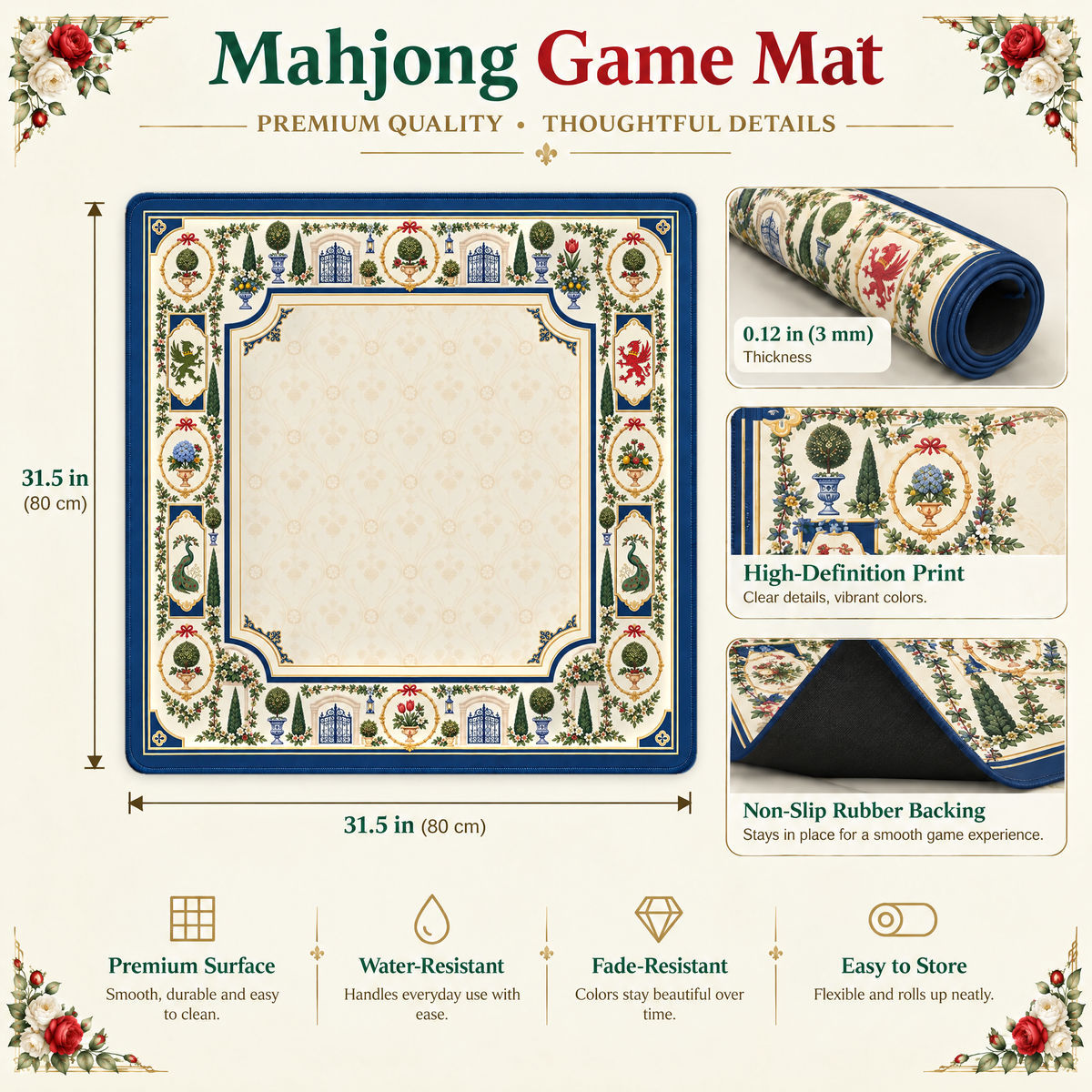
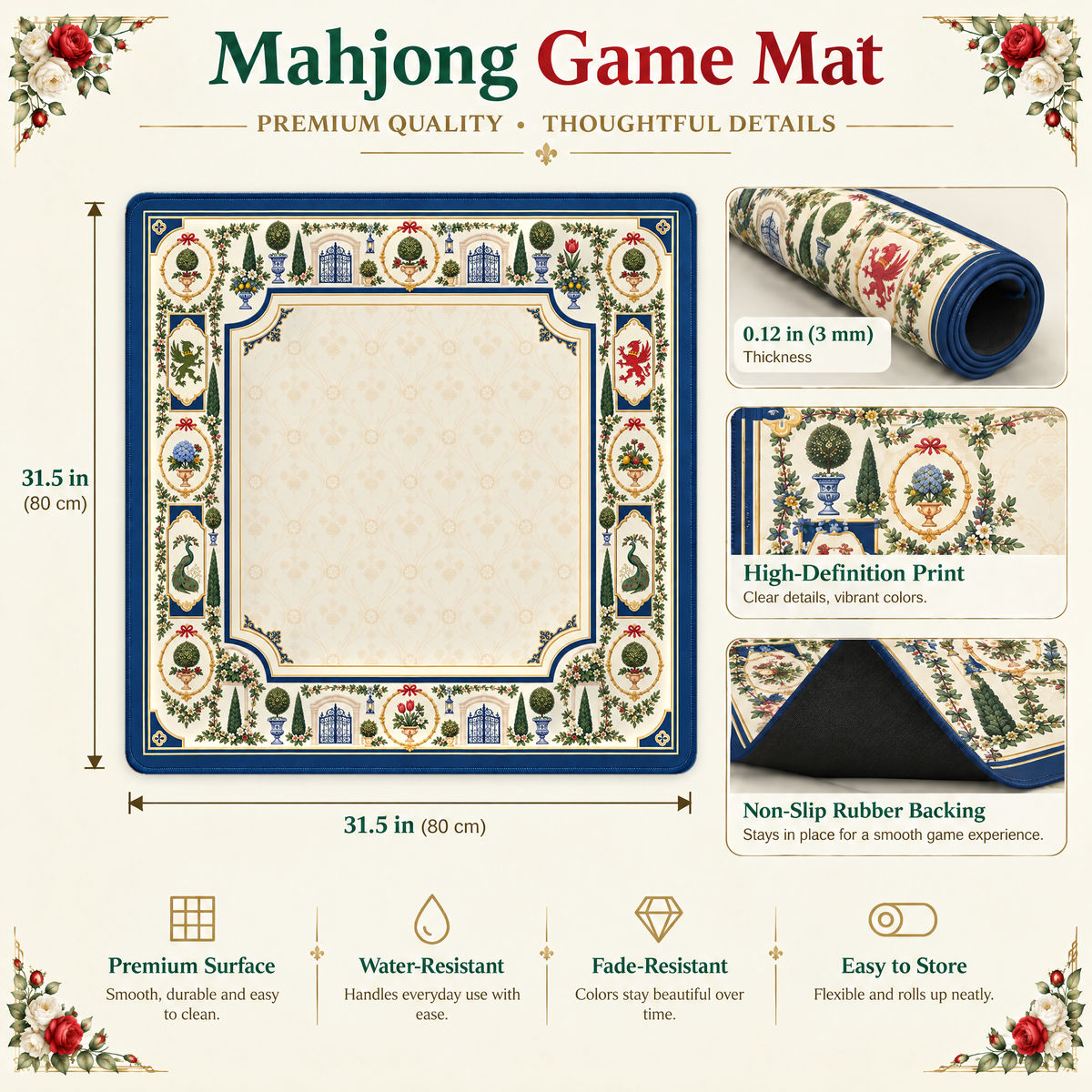
Tiles alone aren't enough for comfortable play. You need racks to hold your hand off the table (keeping the wall intact and your tiles hidden) and a mat to define the playing surface and quiet shuffles. Racks with pushers let you nudge tiles left and right one-handed, which speeds play and looks professional. Mats come in two styles: cloth (washable, softer shuffle sound, rolls up easily) and plastic (wipeable, durable, lays flat). Card players hosting weekly games almost always buy racks and a mat with their set; it's the difference between feeling prepared and improvising. Mahjong racks with pushers come in wood, acrylic, or bamboo. A good rack costs less than a full tile set and makes every hand faster. Pair them with mahjong mats that match your set's color or style—the mat doesn't just protect your table, it signals "we take this seriously."
🎁 See our most-loved mahjong sets & accessories →
Comparison: four common card-player scenarios
Player Type | Set Type | Racks? | Mat? | Engraved? | Why It Works |
Weekly host | Acrylic, std. size | Yes, wood or bamboo | Cloth or plastic | Often yes | Durability + pride = consistent games |
Traveling player | Acrylic, std. size | Folding or lightweight | Travel mat or none | Maybe | Portability without sacrificing feel |
Gift-giver | Acrylic, std. size | Optional with set | Gift-quality mat | Yes, with recipient name | Personal + complete + memorable |
New serious player | Acrylic, std. size | Yes, basic | Cloth mat | No | Learns fast, upgrades later if desired |
✨ Find your Mahstead set — free US shipping →
What to check before you order
Tile size on the product page: Confirm dimensions (usually listed as "30mm" or similar). If it's not listed, email before buying.
Acrylic vs. ceramic: If the listing doesn't specify, assume it's acrylic unless marked otherwise. Acrylic is standard for card players.
160-tile count: Verify the set includes the full 152-tile American deck plus spare tiles. Never buy a 144-tile set for serious play—you'll be short during large games.
Rack and mat included? Some sets bundle them, others don't. Add them separately if needed; don't assume they're in the box.
Engraving details: If ordering engraved, confirm the turnaround time and exactly what text or design will appear. Request a mockup if customization is complex.
Shipping and returns: Mahstead ships free across the US. Confirm the return window before ordering (standard e-commerce rules often allow 30 days).
Photo and video: Check whether the product page shows unboxing or close-up tile photos. If all you see is a render, search for real customer photos online first.

FAQ
Can I use an acrylic mahjong set with the NMJL card?
Yes. Acrylic sets are designed for American mahjong. The card shows hand patterns; your tiles just need to be the right numbers, suits, and honors (Winds, Dragons, Flowers). Acrylic vs. ceramic doesn't affect legality or play.
What's the difference between a 160-tile and 152-tile set?
A 160-tile set contains the full 152-tile American deck (all suits, honors, flowers, and jokers) plus 8 spare tiles. You always play with exactly 152 tiles; the spares replace damaged tiles. Never add spares to the game.
Do engraved tiles wear off during play?
No. Engraving is cut into the acrylic surface during production; it doesn't rub off with normal shuffling or handling. It may show minor scratches after years, but the text remains legible.
Should I buy a matching mat and rack set?
If you host weekly, yes. A mat quiets shuffles and protects your table; racks with pushers speed play and keep your hand organized. Both are inexpensive relative to the tile set and make you look like you know what you're doing.
How do I know if a set is a good beginner choice or better for experienced players?
Beginners need clarity and durability but don't need engraving or premium finishes. Experienced players benefit from engraving, premium racks, and color options that make their set distinctive. Both groups should prioritize standard tile size (≥28mm) and acrylic over plastic.
Can I order a set for delivery before a specific date?
Mahstead ships free across the US, but production and transit times vary. Check the product page for estimated delivery or contact them directly if you have a deadline—don't assume rush shipping is available.


View More
View More
View More
